Colorado Rules for a Side-by-Side With Utah Plates
Colorado street legal laws for Utah side-by-sides explain where out of state OHVs can ride on county and municipal roads.
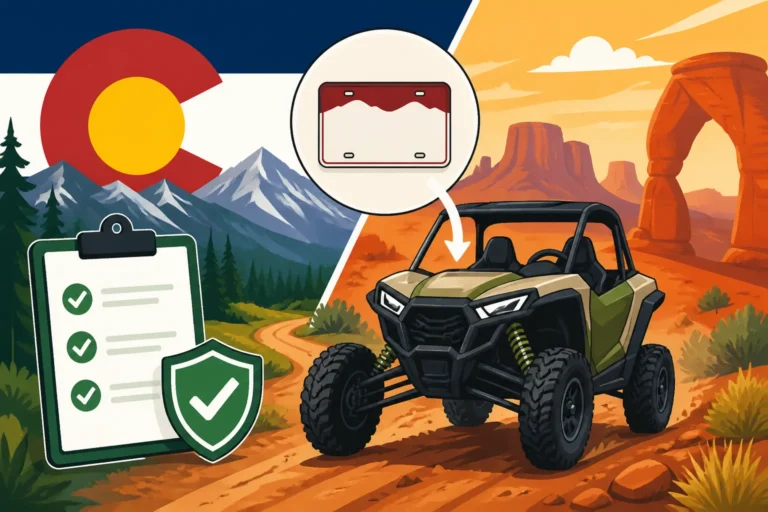
Colorado street legal laws for Utah side-by-sides explain where out of state OHVs can ride on county and municipal roads.
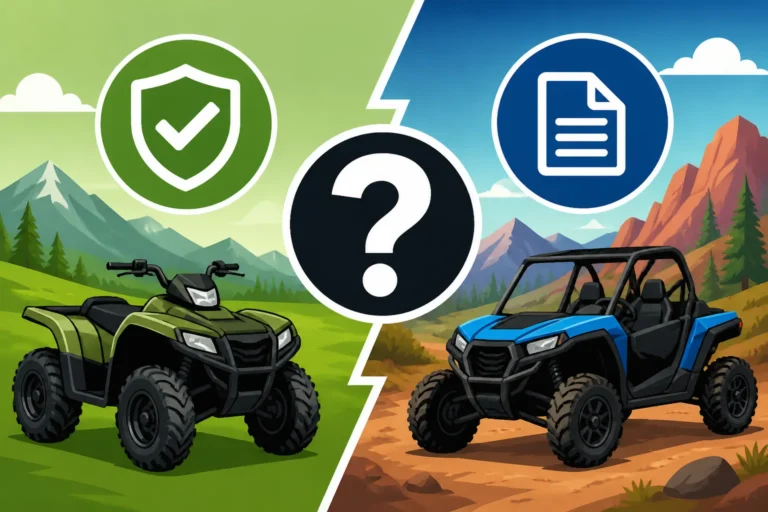
Colorado OHV permits and license plates differ, explaining why licensed ATVs and UTVs require permits on public trails.
Colorado street-legal Jeep owners learn why a Department of Revenue registration does not replace a Parks and Wildlife off-highway vehicle permit.
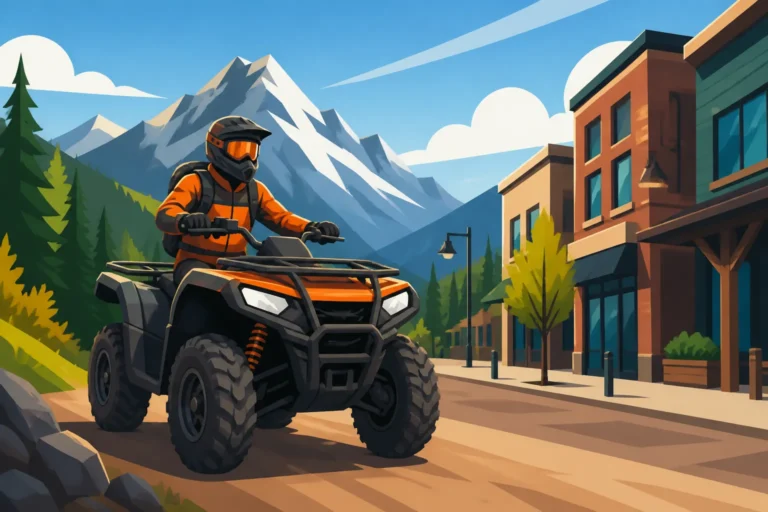
Colorado state regulations and local ordinances govern riding off-highway vehicles to work in mountain trail towns.
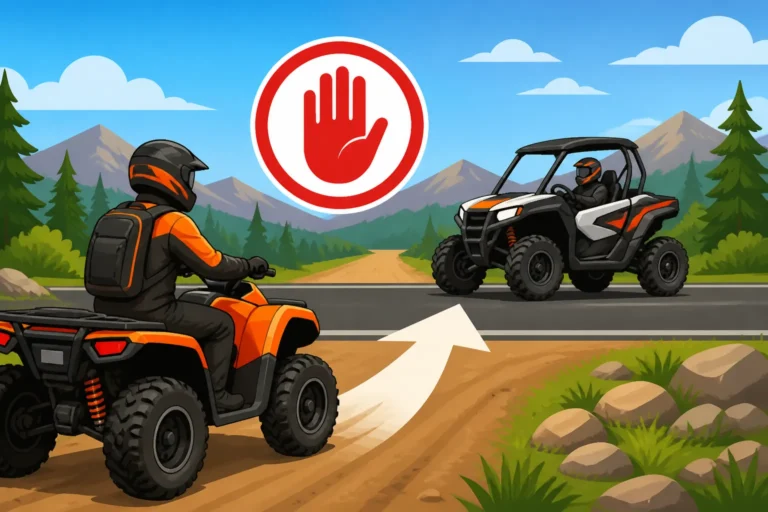
Colorado OHV trail right-of-way rules require off-highway vehicles to yield to traffic on public roads at intersections.
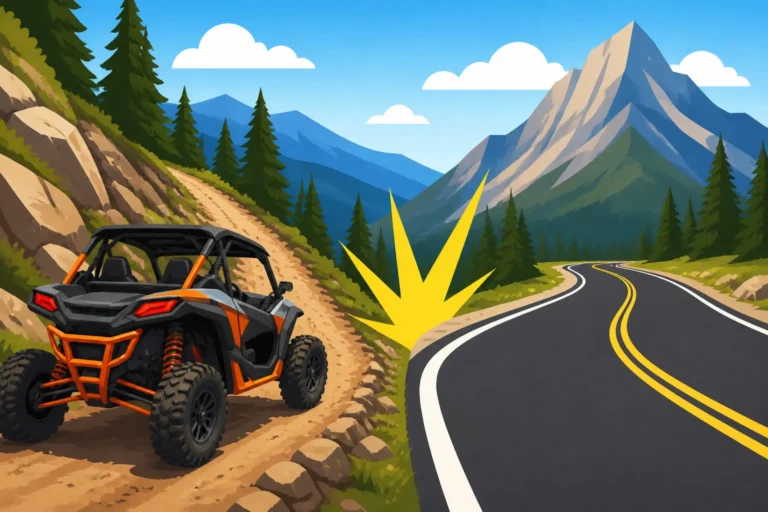
Colorado off-highway vehicle road rules explain how to navigate legal intersections between public highways and backcountry trails safely.
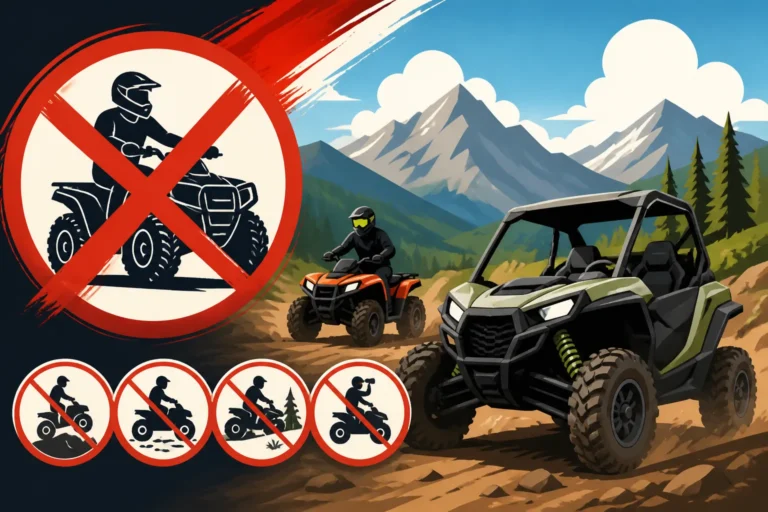
Colorado off-highway vehicle regulations explain the specific rules, registration requirements, and road use laws riders frequently break.
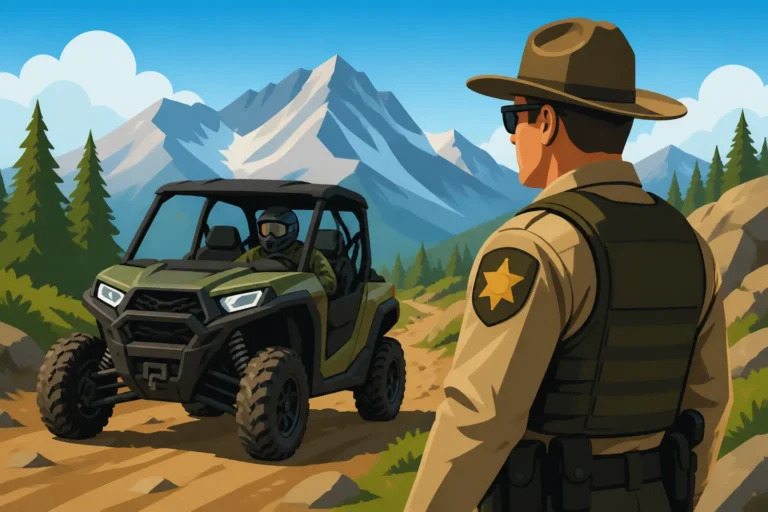
Colorado county sheriff patrols on OHV routes enforce traffic laws, registrations, speed limits, and impaired driving regulations.
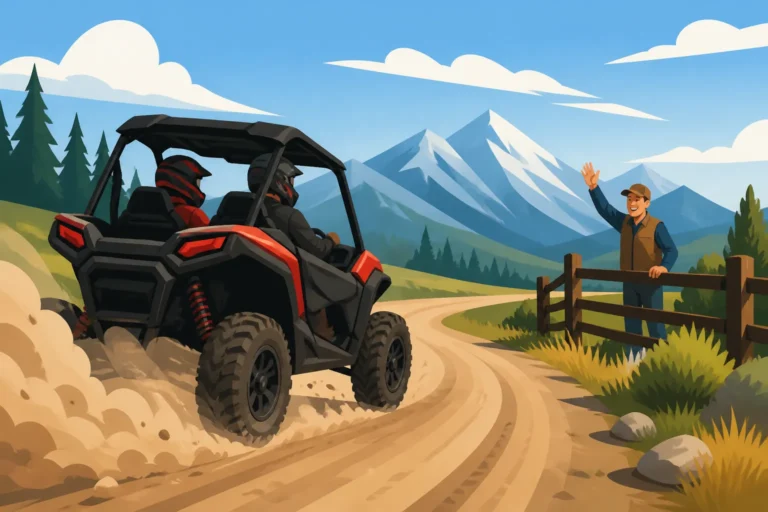
Colorado county road dust from ATVs creates environmental, health, and neighbor problems that riders can minimize.
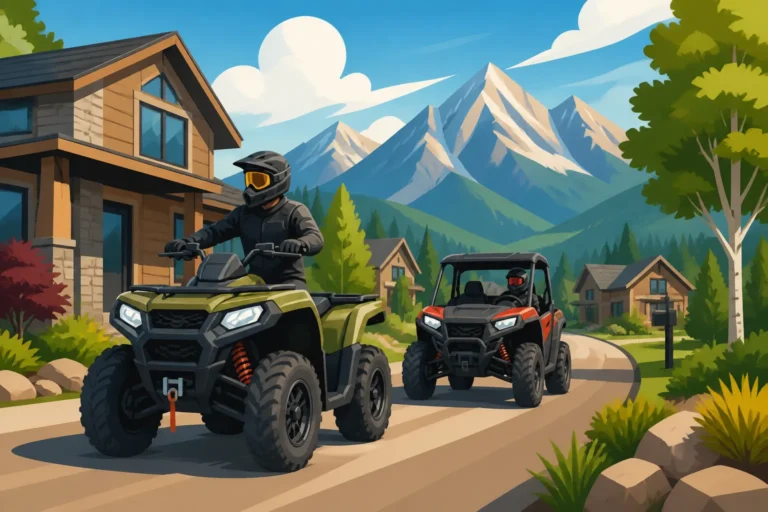
Slow riding past Colorado homes in an ATV or UTV at 5 to 10 miles per hour preserves trail access and reduces noise and dust.