Rules for Utility Company Machines
Colorado utility company ATVs and UTVs are not automatically exempt from OHV rules; verify permits, route access and work authorization before dispatch.
Your sticker stops at the state line.
Non-resident permits, what they cost and how long they last, and which states honor each other’s — or, increasingly, none at all.
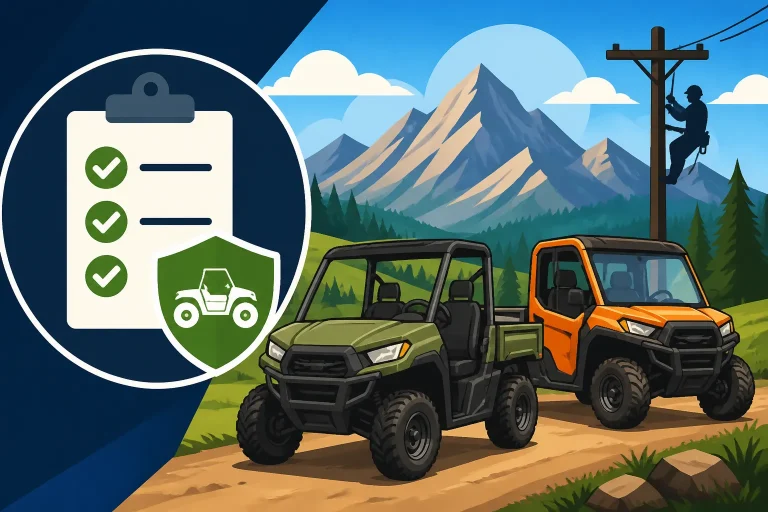
Colorado utility company ATVs and UTVs are not automatically exempt from OHV rules; verify permits, route access and work authorization before dispatch.
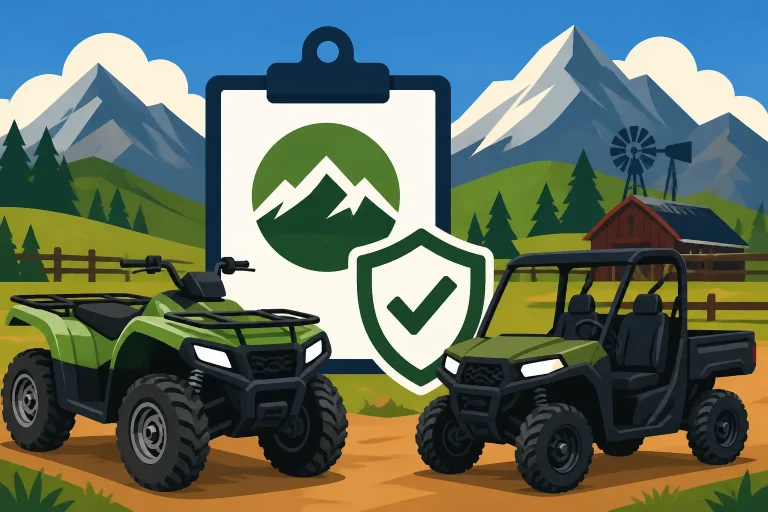
Colorado ranch work machines may qualify for limited exemptions, but public-land riding, roads, ownership, and recreation can change permit needs.
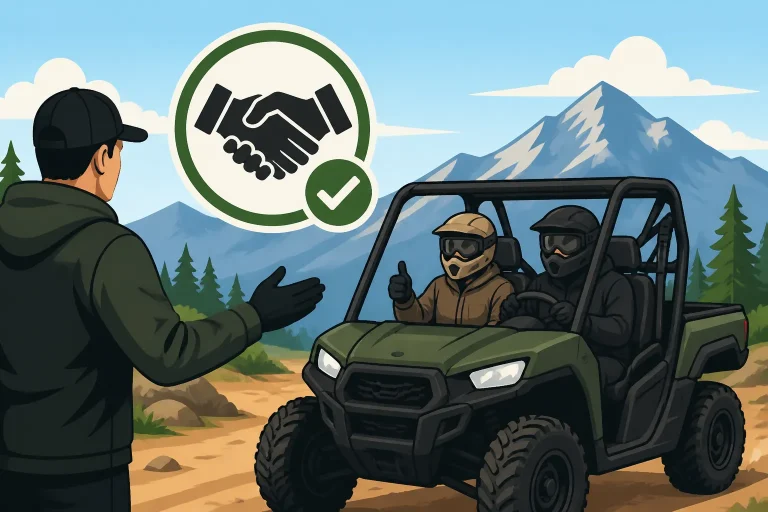
If a friend or visiting relative wants to ride your ATV or UTV in Colorado, the key question is not just who owns the machine. You also need to check its registration or permit, where the guest plans to ride, and whether local rules or your insurance create extra conditions. Here’s how to sort those…
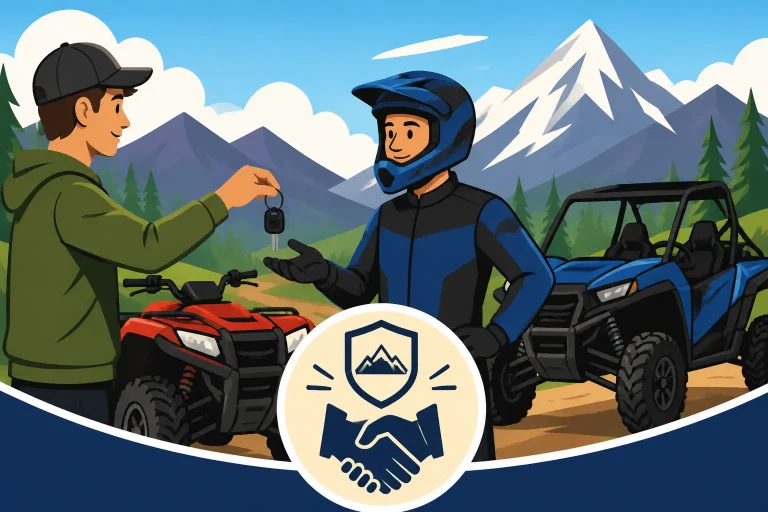
Borrowed ATVs and UTVs need current Colorado registration or a permit for public trails; check the machine’s decals, paperwork, and route rules first.
Colorado OHV owners should match a current registration or permit to every machine, keep each receipt handy, and track the shared annual renewal cycle.
Colorado permits for a second ATV or UTV are vehicle-specific: arrange a separate current registration or permit for each machine you ride.
Colorado OHV bills can affect permits, road access and reciprocity; verify bill status and effective dates before changing how you ride.
Colorado Parks and Wildlife OHV contacts depend on the issue: use CPW for permits, title offices for ownership, and route managers for closures and access.
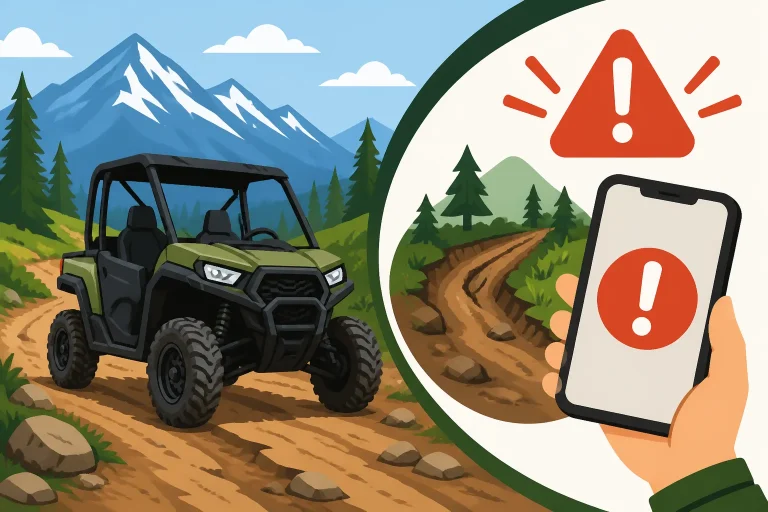
Colorado trail problem reporting steps help riders identify land managers, share useful details, and contact authorities safely.
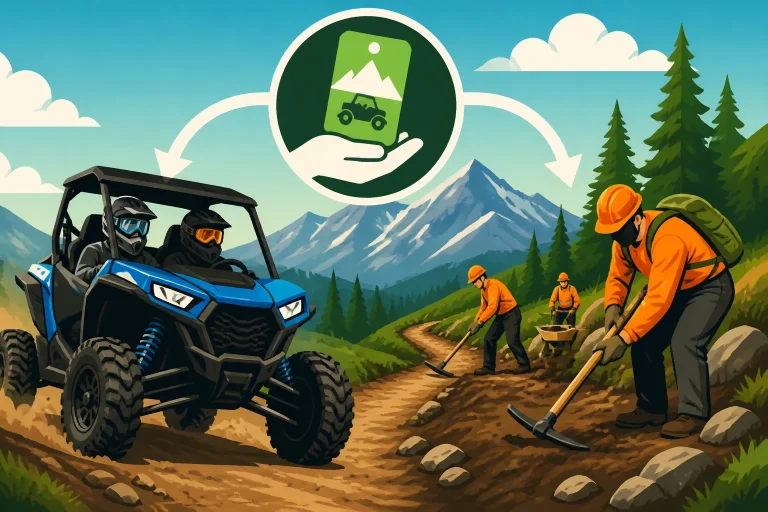
Colorado OHV permit fees help fund eligible trail projects, including paid crew work, but funding flows through a program, not directly to one trail.