Group Riding Etiquette in a Small Town
Group riding etiquette in Colorado mountain towns prevents noise complaints and protects trail access for off-highway vehicle enthusiasts.
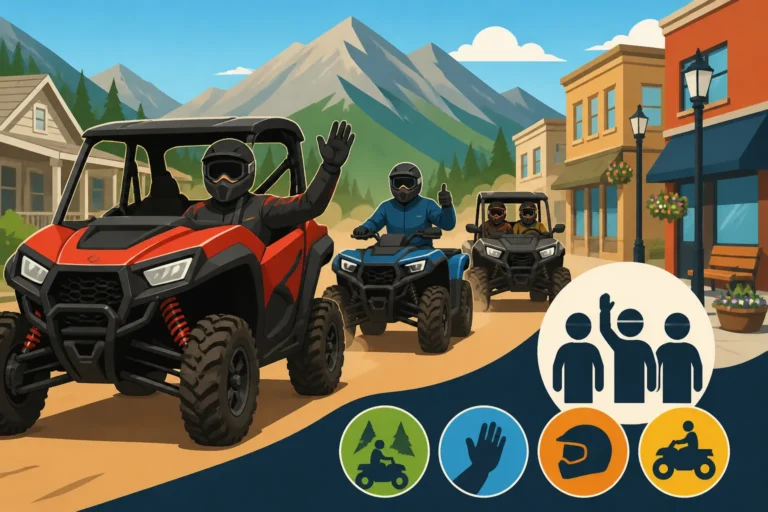
Group riding etiquette in Colorado mountain towns prevents noise complaints and protects trail access for off-highway vehicle enthusiasts.
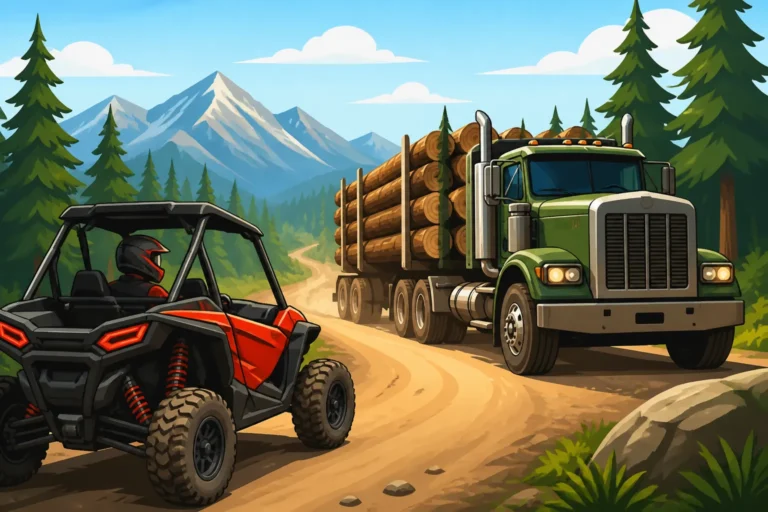
Colorado forest road safety procedures for off-highway vehicle riders sharing trails with heavy timber trucks.
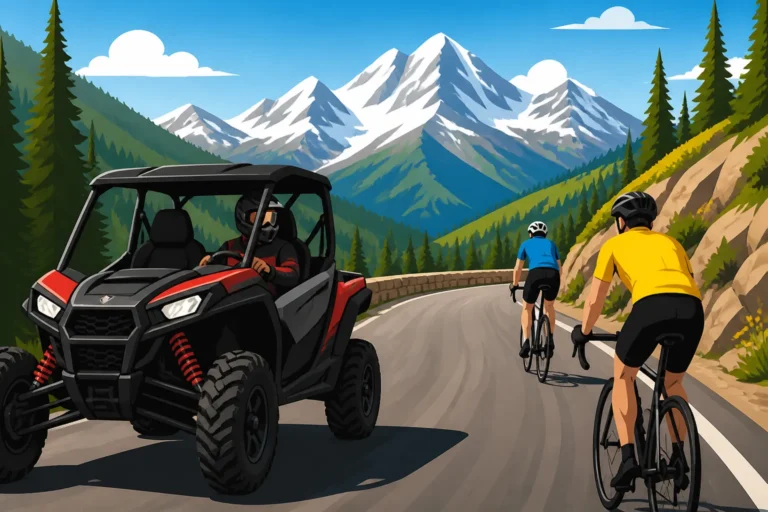
Safe sharing of Colorado mountain roads between off-highway vehicles and cyclists involves understanding right-of-way rules and blind corner hazards.
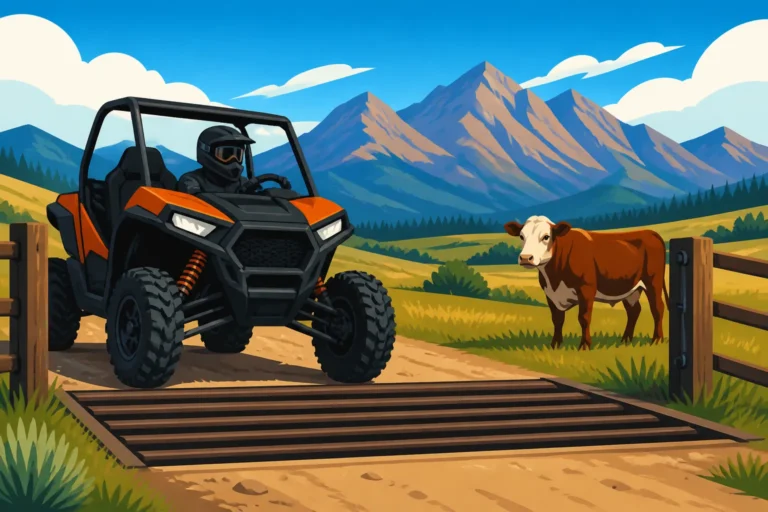
Colorado cattle guards and open range laws explain how riders safely share rural roads with livestock and ranchers.
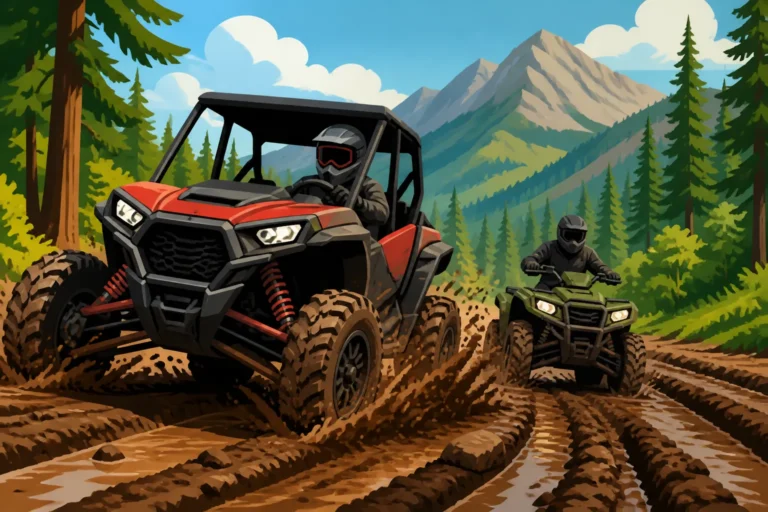
Colorado forest road mud and ruts form from mountain weather and traffic, creating traction loss and off-road control risks.
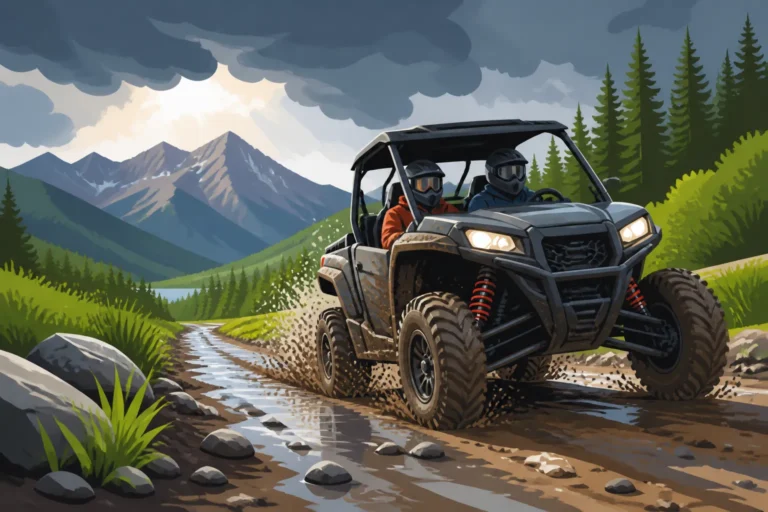
Riding a wet gravel road in Colorado creates hidden mud hazards, deep ruts, reduced traction, and braking challenges.
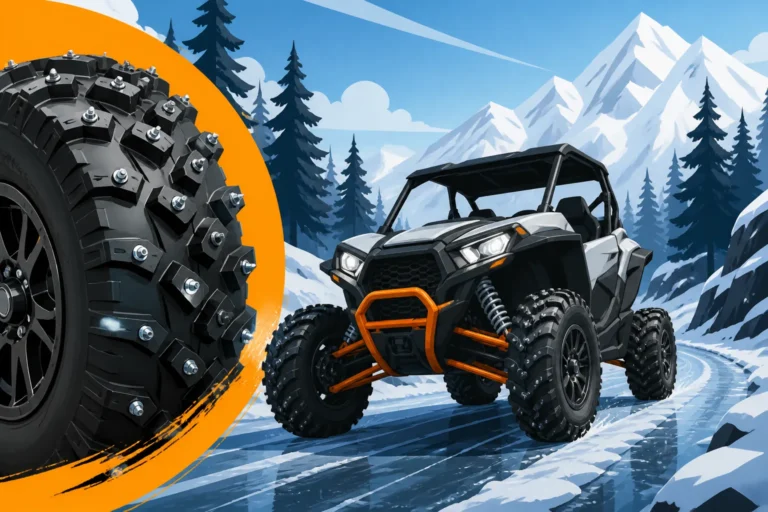
Studded tires provide Colorado ATV and UTV riders with the necessary traction to safely navigate icy forest roads and packed snow.
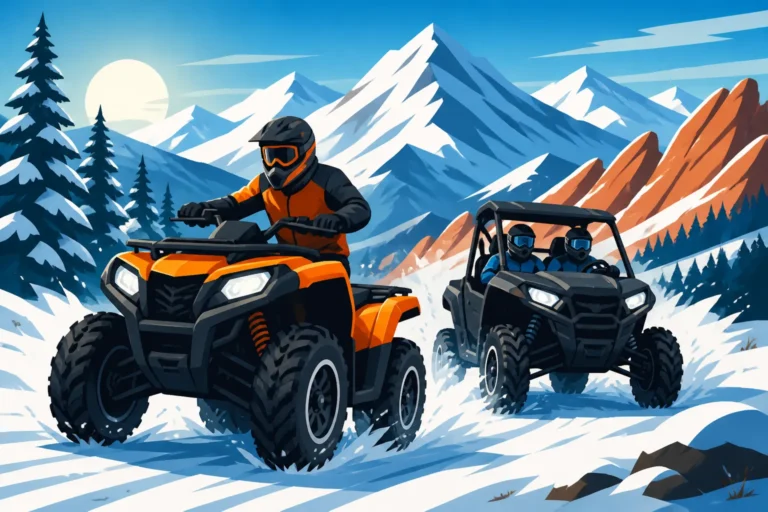
Winter OHV riding in Colorado requires understanding seasonal trail closures, checking Forest Service maps, and preparing for cold weather.
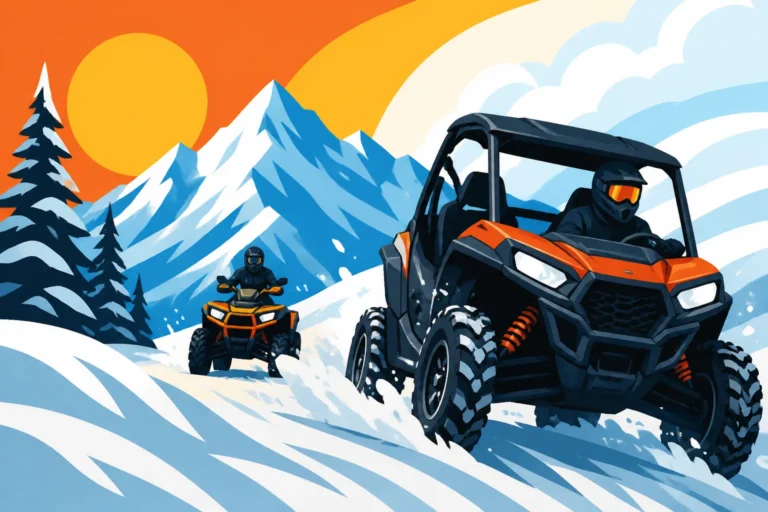
Early season snow drifts on Colorado mountain passes pose severe hazards for high-altitude riders navigating alpine trails.
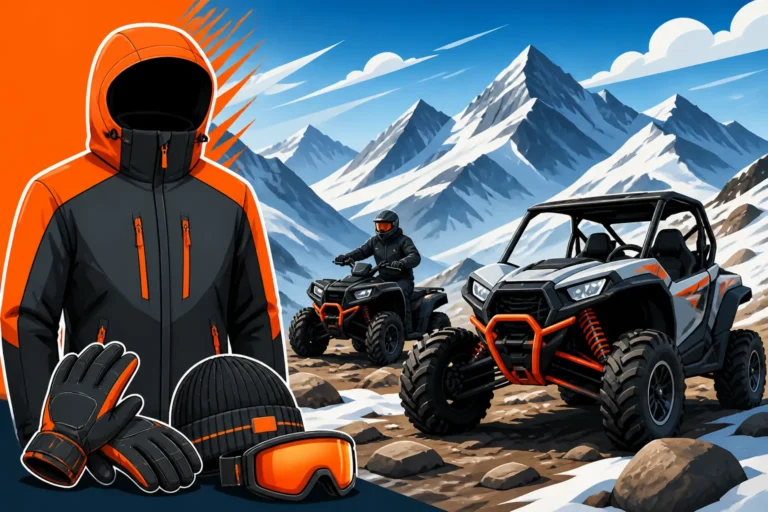
Colorado cold weather gear protects riders from extreme alpine temperature drops, wind chill, and unexpected mountain storms.