Mud and Ruts on a Forest Road
There’s nothing quite like the thrill of hitting Colorado’s forest roads, surrounded by towering pines and crisp mountain air. But let's be real, those serene drives can quickly turn into a messy, challenging adventure when you encounter mud and ruts. It's frustrating to plan a perfect day only to find yourself struggling through churned-up trails, wondering if you're doing more harm than good to your machine or the path itself. This guide is all about helping you understand, prepare for, and safely navigate the inevitable mud and ruts you'll find on Colorado's forest roads, ensuring your ride is both fun and responsible.
Understanding Mud and Ruts on Colorado Forest Roads
Colorado's diverse terrain and weather patterns are the primary architects of the challenging conditions we often find on forest roads. From high-altitude snowmelt in spring to monsoon-like summer thunderstorms, and even unexpected fall deluges, these roads are constantly being reshaped by water. This isn't just about a little puddle; we're talking about deep, vehicle-swallowing ruts and slick, bottomless mud bogs that can test even the most experienced rider.
How Mud and Ruts Form in Mountain Environments
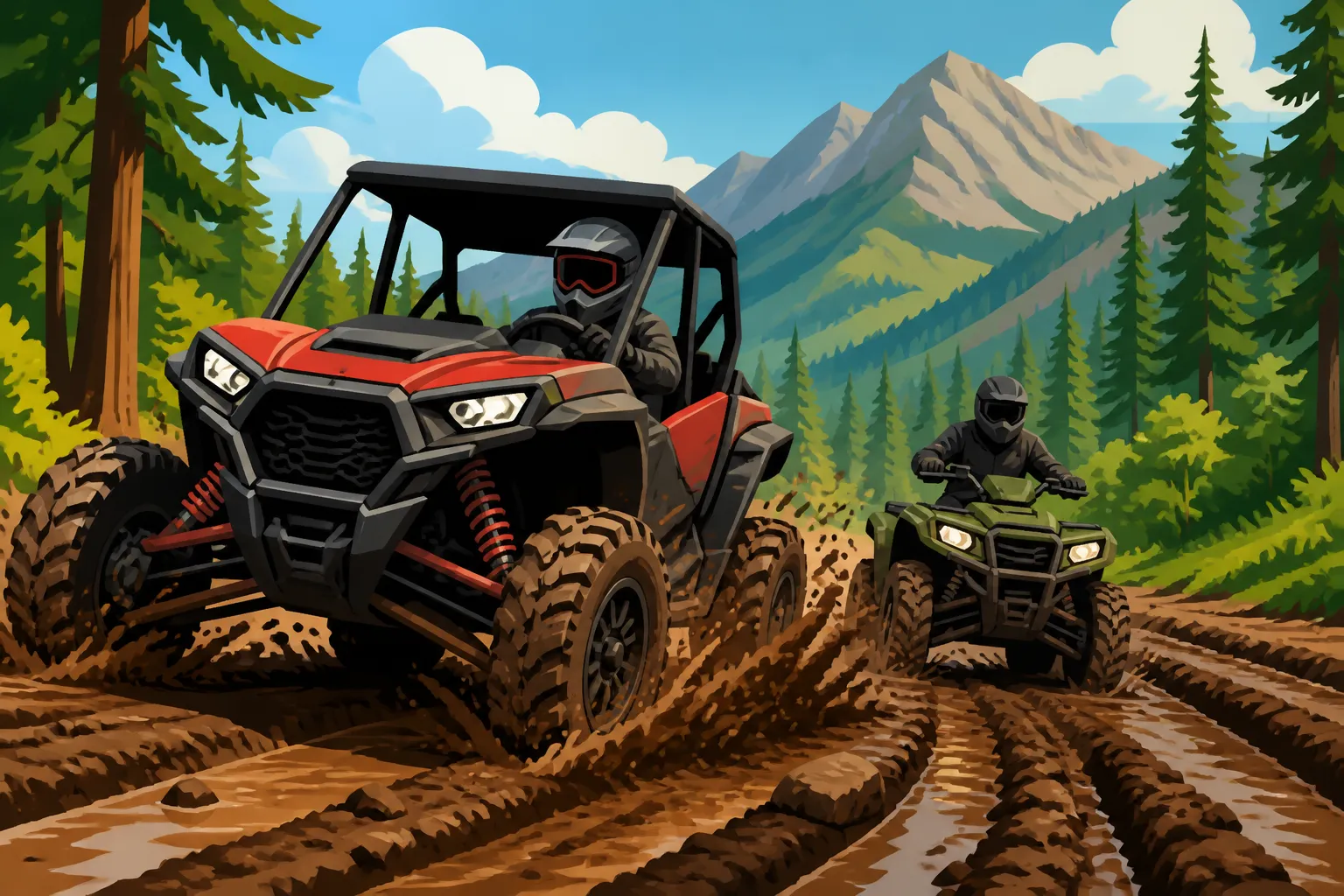
Imagine a sunny summer afternoon giving way to a sudden, torrential downpour in the mountains. The water, rushing down steep grades, turns dirt roads into temporary rivers. As ATVs, UTVs, Jeeps, and other vehicles pass through, they churn up the saturated soil, creating a thick, sticky mud. Each subsequent vehicle deepens these tracks, compacting the sides and carving out increasingly prominent ruts. These ruts then become channels for future water flow, exacerbating the problem and making them wider, deeper, and more challenging with every passing machine. Factors like soil composition play a huge role too; some soils hold water like a sponge, becoming incredibly soft, while others turn into a slick, greasy mess. [Colorado Trails That Link Two Mountain Towns] often showcase a variety of soil types over their length, meaning conditions can change rapidly from one section to the next.
Consider a popular stretch of trail that sees heavy traffic, especially after a spring thaw. The snowmelt saturates the ground, and early-season riders eager to hit the trails create the first set of deep ruts. As the summer progresses, even brief afternoon thunderstorms will funnel water into these existing ruts, preventing them from drying out fully and turning them into persistent obstacles. The sheer volume of traffic on some of these roads, particularly those that offer access to scenic overlooks or popular dispersed camping areas, means that once ruts form, they can become a semi-permanent feature, constantly being re-worked by passing wheels.
Why They Pose a Challenge to Riders
The challenges posed by mud and ruts are multi-faceted, affecting both your machine and your riding confidence. Deep ruts, especially when they're off-camber, can grab your tires and steer your machine unexpectedly, making it feel like the trail is dictating your direction rather than you controlling your ATV or UTV. This loss of control is not only unnerving but can also lead to rollovers if you're not careful. If you're on a [Colorado Trails That Suit a 50-Inch Machine], a rut wider than your wheelbase can leave you high-centered, with your tires spinning uselessly in the air.
Mud, on the other hand, is a different beast. It can conceal obstacles like rocks, logs, or even sharp debris, turning a seemingly benign puddle into a treacherous trap. The slickness of mud drastically reduces traction, making it difficult to maintain momentum or even stop effectively. You might find your tires spinning wildly, digging yourself deeper instead of moving forward. Then there's the psychological aspect: the fear of getting stuck, breaking a component, or just making a huge mess can deter riders from enjoying the journey. It's important to remember that these challenges are part of the off-road experience, and with the right preparation and techniques, they can be overcome. Understanding [What to Carry Over a High Pass] will often include recovery gear that is invaluable when facing these types of conditions.
Preparing Your Machine and Yourself for Mud and Ruts
Before you even think about tackling those challenging forest roads, a little preparation goes a long way. This isn't just about throwing on some mud tires; it’s about making sure your machine is ready for the abuse, and you're equipped both physically and mentally.
Essential Machine Upgrades and Maintenance
For machines that frequently encounter mud and ruts, a few key upgrades and maintenance practices are crucial. Tires, for starters, are your primary contact with the terrain. Aggressive mud-specific tires with deep, widely spaced lugs excel at biting through mud and shedding it as you ride, preventing build-up that can turn them into slicks. Brands like SuperATV offer a fantastic range of tires designed for these challenging conditions, helping you maintain traction where others might spin. Think about beadlock wheels too; they ensure your tires stay seated even at lower pressures, which can be beneficial for traction in soft terrain.
Beyond tires, consider a lift kit to increase your ground clearance. This is especially important for avoiding high-centering in deep ruts, where the center of your machine can drag and get stuck. Skid plates and A-arm guards are also non-negotiable. They protect vital components like your differentials, axles, and suspension from impacts with hidden rocks and stumps lurking beneath the mud. Regularly check your vehicle's fluids, especially your differential and transmission oils, as water can sometimes ingress into these systems, leading to costly damage. Always ensure your air filter is clean and properly sealed; mud and water ingestion are quick ways to ruin an engine. Before heading out, refer to [Colorado OHV Rules for Official and Utility Use] for any specific guidelines on machine modifications, although most upgrades for mud performance are generally aimed at protecting your vehicle and improving safety.
Rider Gear and Mental Preparedness
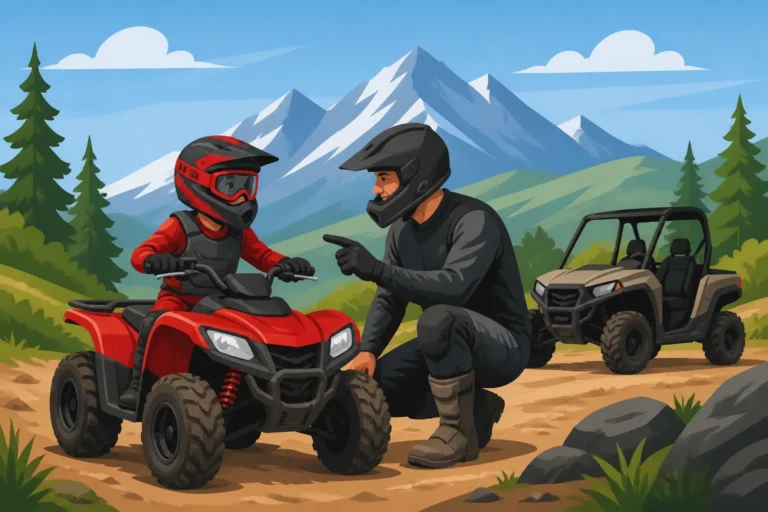
When the trail gets muddy, you want to be comfortable and protected. Waterproof gear is a game-changer. A good quality waterproof jacket and pants will keep you dry, warm, and happier, especially when mud is flying. Waterproof gloves are also essential, not just for warmth, but to maintain grip on your handlebars. Don't forget eye protection; mud in the eyes is not only annoying but dangerous. Goggles are a must-have, and tear-offs or roll-offs can be a lifesaver in truly sloshy conditions. And, of course, a DOT-approved helmet. [Adults and Helmets on Colorado OHV Trails] are generally recommended for safety, even if not strictly mandated in all areas for adults.
Mentally, tackling mud and ruts requires patience and a healthy dose of confidence. Don't rush. Take a moment to assess the situation before you plunge in. Look for the shallowest path, or perhaps a line that offers better traction. If you're riding with a group, communicate. Have a plan for recovery if someone gets stuck. Embrace the mess – you're going to get dirty, and that's part of the adventure! Thinking through potential scenarios and having a plan, like what to do in case of [Flat Tires on a Rocky Trail] or getting stuck, will make you a more confident and prepared rider.
Techniques for Navigating Mud and Ruts Safely and Responsibly
Riding through mud and ruts isn't just about having the right gear; it's an art form that combines throttle control, body positioning, and knowing when to push and when to back off. Doing it right not only keeps you safe but also helps preserve the trails for everyone.
Riding Through Mud Without Getting Stuck
The key to successfully navigating mud is momentum, but not excessive speed. You want enough throttle to keep your wheels spinning and shedding mud, but not so much that you lose control or dig yourself into a deeper hole. Before entering a muddy section, shift to a lower gear (4×4 is almost always a good idea in mud for UTVs and 4WD ATVs) and commit to a line. Once you're in the mud, maintain a steady, controlled throttle. If you feel your wheels start to bog down, a slight increase in throttle, or "blipping" it, can help clear the lugs and regain traction.
Body positioning is critical on an ATV. Lean back slightly to keep the front end light and prevent it from diving into the mud, and use your legs to grip the machine. On a UTV, keep a firm grip on the wheel and be prepared for the machine to want to wander. Avoid sudden braking or steering inputs; smooth and deliberate actions are your best friends. If you feel like you're losing momentum, try to steer slightly left and right within your chosen line, creating a "sawing" motion with the tires to find grip. For extreme mud, don't be afraid to walk it first to gauge depth and hidden obstacles. This pre-ride scouting can save you hours of recovery work. Also, having proper recovery gear, such as a winch from a reputable brand like SuperATV, can turn a potential disaster into a minor inconvenience. [Winching on a Narrow Shelf Trail] techniques are often applicable to recovering from deep mud as well.
Handling Deep Ruts and Uneven Terrain
Deep ruts present their own set of challenges, often trying to steer your machine where it doesn't want to go. The ideal approach is to try and straddle the rut if it's narrower than your wheelbase, keeping your tires on the higher ground. If the rut is too wide to straddle, or if there are multiple ruts, you'll need to choose a line. Sometimes, it's better to put one side of your machine in a rut and keep the other side on the higher ground, giving you some control. If both sides of your machine end up in deep ruts, especially in a UTV, you might find your belly scraping the ground, leading to a loss of traction.
In these situations, maintaining a slow, steady pace is crucial. Let your suspension work, and don't fight the steering wheel too aggressively. Instead, gently guide your machine, anticipating where the ruts will try to pull you. For ATVs, leaning into the high side of an off-camber rut can help prevent a rollover. For UTVs, keeping your speed down is paramount. If you do get high-centered, don't just keep spinning your tires. That'll just dig you deeper. Assess the situation, see if you can gently reverse, or get out the recovery straps and winch. Having a plan for when you get stuck is far better than panicking. Knowing about [Recovery Gear for a Shelf Road] will ensure you have the tools needed for these situations.
Responsible Riding Practices in Challenging Conditions
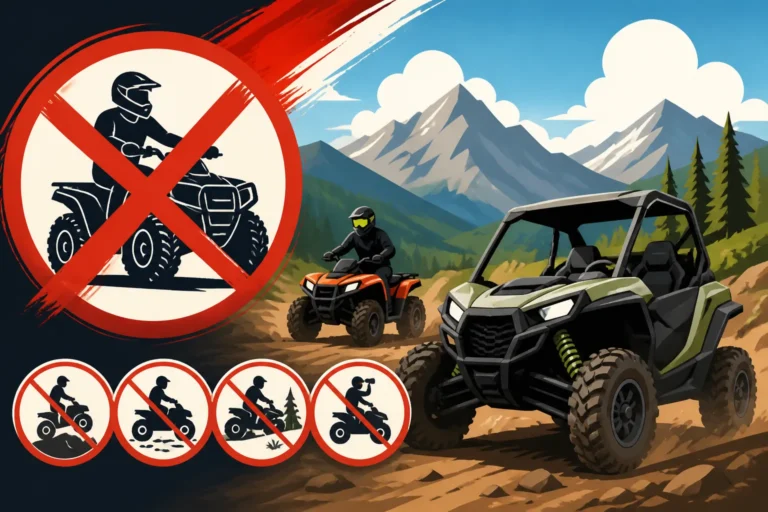
One of the biggest responsibilities we have as off-roaders is to minimize our impact on the trails. When encountering mud and ruts, it's incredibly tempting to go around them on the shoulders of the trail. While this might seem like an easy way to avoid the obstacle, it actually widens the trail, damages vegetation, and creates new, larger areas for mud and ruts to form – a process called "trail braiding." This is detrimental to the environment and can lead to trail closures.
The rule of thumb is: Stay on the designated trail. If a muddy or rutted section is impassable, the correct response is to turn around, not to create a new path. This might mean shortening your ride or finding an alternative route. Always [Reading a Colorado Motor Vehicle Use Map] before you go out can help you identify known problem areas or alternative routes if conditions are poor. Report significant trail damage to the land management agency (like the Forest Service or BLM) so they can address it. Participating in [Colorado Trail Adoption and Volunteer Days] is another excellent way to give back and help repair these sections. Our collective actions directly influence the future of trail access in Colorado.
Minimizing Environmental Impact and Practicing Trail Ethics
Our ability to enjoy the stunning landscapes of Colorado on our ATVs and UTVs depends entirely on responsible use and a strong commitment to trail ethics. Riding through mud and ruts is often unavoidable, but how we approach these conditions can make a significant difference in the long-term health and accessibility of our trails.
The "Stay The Trail" Philosophy
The "Stay The Trail" initiative is more than just a catchy slogan; it's a vital philosophy for preserving our precious riding areas. Its core message is simple: stay on marked trails, even when they're muddy or difficult. As we discussed, driving around obstacles, known as "going wide" or "braiding," creates new, unauthorized routes. These new paths damage delicate ecosystems, accelerate erosion, and make the trail wider and less sustainable. Imagine everyone doing it; soon, a single-track trail becomes a sprawling, scarred landscape.
When you encounter a muddy or deeply rutted section, assess it. If it’s navigable, even with difficulty, commit to a line through it. Your machine will get dirty, and that's part of the adventure! If it genuinely looks impassable and beyond your machine's or your skill level to safely cross without going off-trail or causing excessive damage, then the most responsible action is to turn around. This might not be what you wanted to do, but it's far better than contributing to trail degradation and potential closures. Education is also key; encourage your riding buddies to understand and practice "Stay The Trail" principles. This shared commitment is what protects our access to these incredible places for generations to come. This is especially true when riding on [Colorado Rules on Forest Service Roads] and BLM land.
Proper Trail Recovery Techniques
Getting stuck is an inevitable part of off-road riding, especially in mud and ruts. However, how you recover your machine can significantly impact both the environment and the trail itself. The cardinal rule of recovery is to minimize further damage to the trail and your machine. If you're stuck in mud, resist the urge to just floor it and spin your tires wildly. All this does is dig you deeper and create larger, more destructive ruts.
Instead, first, assess the situation. Is it a gentle stuck, or are you high-centered? Can a simple push from a friend get you out? If you have a winch, use it properly. Anchor it to a sturdy, living tree, using a tree saver strap to protect the bark. Never wrap the winch cable directly around a tree. Clear any debris that might hinder the recovery. If using a recovery strap with another vehicle, ensure both vehicles are properly equipped with recovery points, and use a dampener over the strap to absorb energy in case of a break. Always use slow, steady pulls, avoiding sudden jerks that can snap straps or damage vehicles. Remember that sometimes the simplest tool, like a shovel, can be the most effective for clearing mud from around your tires. Learning about [Winching on a Narrow Shelf Trail] can provide valuable insights into safe recovery methods that are applicable in many challenging situations, including deep mud.
Reporting Trail Damage and Supporting Maintenance Efforts
You're out on the trail, enjoying the incredible scenery, and you come across a severely damaged section – perhaps a washout, an impassable mud bog, or ruts that have turned into deep trenches. What do you do? The most responsible action is to report it. Land management agencies like Colorado Parks and Wildlife, the U.S. Forest Service, and the Bureau of Land Management rely on public input to identify areas needing attention. They often have online forms or phone numbers where you can report trail conditions. Be as specific as possible about the location and the nature of the damage.
Beyond reporting, consider getting involved. Many local OHV clubs are actively engaged in trail maintenance, working in partnership with land agencies to repair damage, build sustainable reroutes, and keep trails open. These clubs organize volunteer workdays where you can lend a hand, learn valuable skills, and meet like-minded riders. Permit fees, like those for your annual [Colorado OHV Registration Costs], also directly contribute to trail maintenance and improvement efforts through grant programs. By actively participating, either through reporting or volunteering, you become a steward of the trails, ensuring that future generations can continue to enjoy the same exhilarating rides through Colorado's stunning backcountry.
Disclaimer
This article is for general informational purposes only and does not constitute professional advice. Laws, prices and regulations vary by location and change over time. Consult a qualified professional for guidance on your specific situation.