Mufflers and Spark Arresters in Colorado
There’s nothing quite like the roar of a well-tuned ATV or UTV as you tackle a challenging Colorado trail, but that powerful sound comes with a responsibility. Many riders, new and seasoned alike, grapple with confusing regulations around mufflers and spark arresters, often leading to frustrating run-ins with rangers or complaints from residents. This guide will cut through the noise, explaining Colorado's specific rules for keeping your machine compliant and your trail access open.
What Are Mufflers and Spark Arresters, and Why Do They Matter in Colorado?
Before we dive into the nitty-gritty of Colorado's regulations, let's get a clear understanding of what mufflers and spark arresters actually are and why they're such a big deal. It might seem obvious, but sometimes the basics get lost in the shuffle of trying to understand complex rules. Knowing the 'why' behind these components can make following the 'what' a lot easier to swallow.
Understanding the Role of Your OHV's Muffler
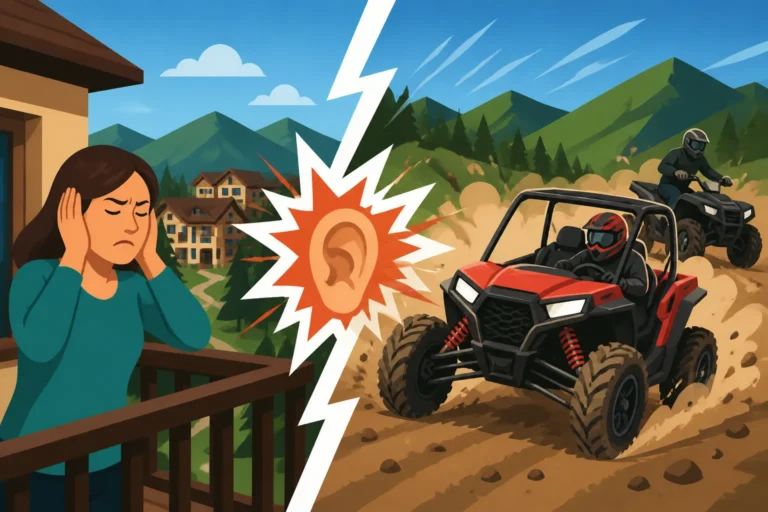
Your OHV's muffler is essentially a noise reduction device. It's designed to quiet the exhaust gases as they exit your engine, preventing your machine from sounding like a runaway freight train. The internal baffling and chambers within the muffler work to dissipate sound waves, making the ride more pleasant for you and, crucially, for everyone else around you. In Colorado's pristine backcountry and scenic mountain towns, excessive noise isn't just an annoyance; it's a significant concern for both wildlife and human residents who seek peace and quiet.
Think about it: imagine trying to enjoy a peaceful hike through the San Juan Mountains, only to have it repeatedly interrupted by the blare of an unregulated exhaust. Or, consider the residents of a small mountain town like Ouray or Lake City, who might live right along a designated OHV route. They appreciate the economic boost riders bring, but they also value their quality of life. An overly loud machine can quickly turn a community advocate into a vocal opponent of OHV access. This is why official bodies like Colorado Parks and Wildlife, the Forest Service, and the BLM all have a keen interest in enforcing sensible noise limits.
The Critical Function of a Spark Arrester
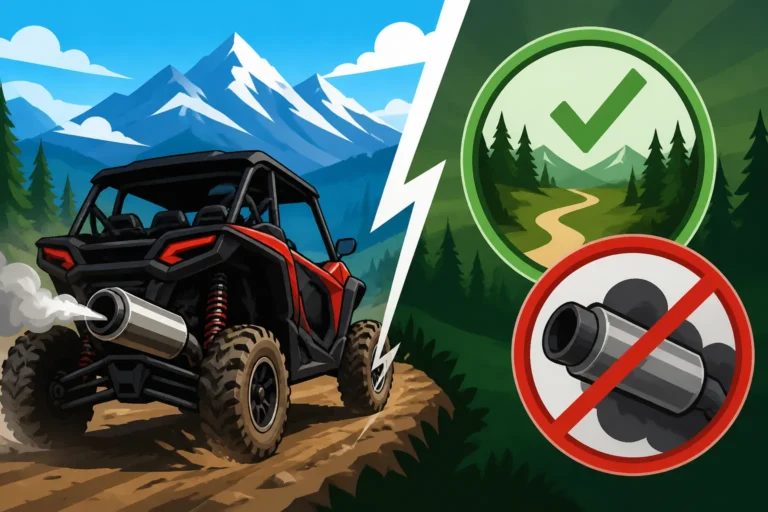
A spark arrester, on the other hand, isn't about noise at all – it's about fire prevention. This device is typically integrated into your muffler or attached to the end of your exhaust system. Its job is to capture any hot carbon particles (sparks) that might exit your engine with the exhaust gases. These sparks, even tiny ones, can be incredibly dangerous in dry conditions, potentially igniting dry grass, leaves, or forest debris. Given Colorado's frequent drought conditions and ever-present wildfire risk, a properly functioning spark arrester isn't just a suggestion; it's a non-negotiable safety requirement.
Consider a scenario where you're riding a challenging, dusty trail through a dense Ponderosa pine forest in late summer. The ground is parched, and the undergrowth is tinder-dry. Without a spark arrester, a single hot ember escaping your exhaust could land in that dry fuel, and within minutes, you could have a wildfire on your hands. The consequences of such an event, from environmental devastation to potential loss of life and property, are simply too severe to ignore. That's why almost all public lands in Colorado, and indeed across the Western United States, mandate their use. It's a small device with an enormous responsibility, protecting our natural resources for everyone.
Colorado's Specific Rules and Regulations for OHV Exhaust
Navigating the rules for OHV exhaust systems in Colorado can sometimes feel like trying to untangle a spaghetti knot. There isn't just one blanket rule that applies everywhere, and that's often where the confusion and frustration for riders begin. The regulations can differ slightly depending on whether you're on Forest Service land, BLM land, or crossing through a specific town. But don't worry, we'll break down the key requirements so you know what to expect and how to stay compliant.
Noise Limits and Decibel Readings in Colorado
Colorado has specific noise limits for OHVs operating on public lands. Generally, the standard maximum sound level is 96 decibels (dBA) when measured using the SAE J1287 test procedure. This test involves a sound meter placed a specific distance from the exhaust, with the engine running at a certain RPM. Now, you might not be carrying a decibel meter on your ride, and that's okay. The key takeaway is that your machine should not be excessively loud. If your OHV has an aftermarket exhaust that you haven't specifically checked for compliance, or if you've removed internal baffling, chances are you might be exceeding this limit.
This 96 dBA limit is the baseline that Colorado Parks and Wildlife (CPW) and other enforcement agencies look for. Rangers conducting [Colorado Ranger Checks at a Trailhead] often have experience in identifying non-compliant exhaust systems by ear, but they also carry sound meters for official measurements. Many riders express frustration with what they perceive as subjective enforcement, but the truth is, an experienced ranger can often tell if a machine is significantly over the limit. Riding through a quiet campground or near a residential area in a mountain town with a booming exhaust is almost guaranteed to draw unwanted attention, and potentially a citation for [Muffler Noise Limits in Colorado]. It's about respecting the environment and other users, not just avoiding a ticket.
Spark Arrester Requirements on Public Lands
When it comes to spark arresters, the rule is much simpler and more universal: all OHVs operating on public lands in Colorado must be equipped with a U.S. Forest Service (USFS) approved spark arrester. This isn't just a Colorado rule; it's a federal requirement for any internal combustion engine operating on lands managed by the USFS or Bureau of Land Management (BLM). The spark arrester must be in good working order and clearly marked with the USFS approval stamp. Most factory-installed exhaust systems on ATVs and UTVs come with an approved spark arrester, but it’s always wise to double-check, especially if you’ve purchased a used machine or installed an aftermarket system.
You can usually find the USFS approval stamp directly on the muffler or spark arrester itself. It's often a small metal plate or a stamp directly into the exhaust housing. If you can't find it, or if you're unsure, it's best to consult your owner's manual or a reputable powersports dealer. Operating without a functional and approved spark arrester is a serious offense, particularly during dry fire seasons. The risk of starting a wildfire is immense, and the penalties can be severe, including substantial fines and liability for firefighting costs. This is not a rule to gamble with, given Colorado's beautiful, but vulnerable, forests. You can find more specific details under [Spark Arrester Rules on Colorado Public Land].
Choosing the Right Muffler and Spark Arrester for Colorado Riding
So, you understand the rules, but what does that mean when you're looking at your own machine or considering an upgrade? The market is flooded with aftermarket options, and it can be tricky to discern what's legal, what's loud, and what simply looks cool. Making an informed choice ensures you get the performance you want without compromising compliance or attracting unwanted attention from authorities.
Aftermarket Exhaust Systems: Balancing Performance and Compliance
Many riders want to enhance their OHV's performance or simply change its sound. Aftermarket exhaust systems can offer better airflow, potentially increasing horsepower and torque, and often come with a more aggressive exhaust note. However, this is where the balancing act begins. While a louder, free-flowing exhaust might sound exciting, it can easily push your machine over Colorado's 96 dBA noise limit. It's crucial to research any aftermarket system thoroughly to ensure it's designed to meet legal noise requirements.
Some aftermarket manufacturers, including brands like SuperATV, offer exhaust systems that claim to be "trail friendly" or "USFS compliant." Look for these specific designations. A reputable dealer or online retailer should be able to provide decibel ratings for their systems or confirm that they come with a USFS-approved spark arrester. Don't assume that just because a system is sold, it's automatically legal everywhere. Always verify before you buy. If you're unsure, consulting with a local powersports shop that understands Colorado's specific regulations is always a good idea. They can guide you through options that offer performance gains without the headache of non-compliance.
Ensuring Your Spark Arrester Meets USFS Standards
As we discussed, a USFS-approved spark arrester is non-negotiable for public land riding. If you're replacing your entire exhaust system, ensure the new one either has an integrated USFS-approved spark arrester or allows for the installation of one. Some aftermarket mufflers are sold without spark arresters, assuming the rider will add one separately. If this is the case, make sure the spark arrester you purchase is indeed USFS approved and fits your exhaust system correctly. A loose or improperly installed spark arrester is as good as no spark arrester at all.
For those with older machines or who are buying used, it’s a good practice to inspect the spark arrester. Over time, spark arresters can become clogged with carbon buildup, reducing their effectiveness and potentially restricting exhaust flow. A quick visual inspection can usually confirm its presence and condition. If you see any signs of damage or if the screen is missing, it needs immediate attention. You can often clean a clogged spark arrester with a wire brush, but if it's damaged, replacement is the only safe option. Remember, prevention is key when it comes to wildfires, and your spark arrester is your primary line of defense.
Installation and Maintenance Tips for OHV Exhaust Systems
Once you've got the right muffler and spark arrester for your Colorado adventures, the journey isn't over. Proper installation and regular maintenance are crucial to ensure these components perform as intended, keep you compliant, and extend the life of your machine. Skimping on these steps can lead to costly repairs, unexpected citations, or even dangerous situations on the trail.
DIY vs. Professional Installation Considerations
Installing a new muffler or spark arrester can range from a relatively straightforward bolt-on job to a more complex process requiring specific tools and expertise. For many basic muffler replacements or spark arrester cleanings, a handy individual with a good set of tools can manage it. However, if you're dealing with cutting and welding, or if your machine's exhaust system is particularly intricate, professional installation might be the smarter choice. A poorly sealed exhaust system can lead to exhaust leaks, which not only change the sound but can also be dangerous due to carbon monoxide fumes, especially on a UTV with an enclosed cabin.
When considering DIY, make sure you have the correct torque specifications for all bolts and clamps, and use high-temperature anti-seize on threads to prevent future corrosion. Always disconnect your battery before working on any electrical components, and allow the exhaust to cool completely to avoid burns. If you're installing an aftermarket system from a company like SuperATV, always follow their instructions precisely. If you're ever in doubt, or if the job feels beyond your comfort level, don't hesitate to take it to a qualified powersports mechanic. The cost of professional installation is often a worthwhile investment compared to the potential headaches of a botched DIY job.
Regular Inspection and Cleaning for Longevity
Like all parts of your OHV, exhaust systems require regular inspection and cleaning to maintain optimal performance and compliance. For spark arresters, especially, carbon buildup is a common issue. Over time, unburned fuel and exhaust byproducts can create a layer of soot and carbon on the spark arrester screen, which restricts airflow and can lead to reduced engine performance or even overheating. A simple cleaning schedule can prevent this.
Here’s a basic maintenance checklist for your exhaust system:
| Component | Inspection Frequency | Action |
|---|---|---|
| Muffler Body | Before each ride | Check for cracks, dents, or loose connections. Listen for unusual rattles or exhaust leaks. |
| Spark Arrester | Every 20-40 hours of riding (or more often in dusty conditions) | Remove, inspect for damage, and clean any carbon buildup from the screen. Use a wire brush or scraper. |
| Exhaust Pipes | Monthly or after hard rides | Look for rust, holes, or bent sections. Ensure all clamps and springs are secure. |
| Heat Shields | Monthly | Check for looseness or damage. These protect you and your machine from extreme heat. |
| Mounting Brackets | Monthly | Confirm all bolts are tight and brackets are not cracked or fatigued. |
Beyond these checks, pay attention to any changes in your machine's sound or performance. A sudden increase in exhaust volume, a strange smell, or a noticeable drop in power could all indicate an issue with your muffler or exhaust system. Addressing these problems promptly will not only keep you compliant with [Colorado Noise Rules in Mountain Towns] but also ensure your OHV runs smoothly for many more rides to come.
Consequences of Non-Compliance: What You Need to Know
Ignoring Colorado's regulations regarding mufflers and spark arresters isn't just a minor oversight; it can lead to a host of problems, from legal penalties to impacting the very trails we love to ride. Many riders are simply unaware of the full scope of these consequences, often thinking it's just a slap on the wrist. Understanding the potential repercussions can be a powerful motivator to ensure your machine is always compliant.
Fines and Citations for Loud or Unarrested Machines
The most immediate consequence of non-compliance is, of course, a fine or citation. Rangers and law enforcement officers patrolling public lands in Colorado, or even county roads that allow OHV access, are authorized to issue tickets for violations related to exhaust systems. If your machine is measured above the 96 dBA noise limit, you can expect a citation. Similarly, if your spark arrester is missing, damaged, or not USFS approved, you'll likely receive a ticket. The cost of these fines can vary, but they're certainly more expensive than taking the time to properly maintain or upgrade your exhaust system.
Beyond the initial fine, repeated offenses or particularly egregious violations could lead to more severe penalties. Imagine getting pulled over on the Alpine Loop and finding your machine non-compliant. Not only will you face a fine, but you could also be asked to cease riding for the day, potentially cutting short a long-planned trip. Nobody wants their adventure spoiled by a preventable issue, and certainly no one wants to deal with the hassle and expense of a court appearance far from home. These are the kinds of [Colorado Citations for Road Riding] that are entirely avoidable with a little proactive effort.
Trail Closures and Community Impact
Perhaps even more concerning than individual fines is the broader impact of non-compliant machines on the OHV community as a whole. Excessive noise and the risk of wildfires are two of the biggest factors that lead to negative public perception of OHV use. When a high volume of loud machines passes through a residential area, or if there's a perceived increase in wildfire risk due to unarrested exhausts, local communities and land management agencies often respond by enacting stricter regulations, imposing new restrictions, or even closing trails.
Consider areas like Silverton or Ouray, where OHV access on town roads is a carefully negotiated privilege. Loud machines quickly erode public goodwill and can lead to increased pressure to restrict or ban OHV use within town limits. Similarly, a wildfire sparked by an unarrested OHV could result in widespread trail closures that affect all motorized users, even those who were perfectly compliant. This is the real cost of non-compliance: losing access to the incredible trails and riding areas that make Colorado such a desirable destination. Every rider has a role to play in protecting our access, and that includes ensuring their machine meets all exhaust requirements.
Navigating Noise Complaints and Enforcement on Colorado Trails
Even when you've done your due diligence and your machine is compliant, you might still encounter situations where noise is a concern or where you're approached by law enforcement. It's important to understand how to handle these interactions respectfully and effectively. Navigating these situations properly can make a big difference, not just for you, but for the perception of all OHV riders.
What to Do If Stopped by a Ranger
If you're stopped by a ranger or law enforcement officer regarding your exhaust system, the most important thing is to remain calm and respectful. Just like with any traffic stop, pull over safely, turn off your engine, and keep your hands visible. The officer will likely ask for your registration, proof of ownership (like a bill of sale, if it's a new machine – see [Buying a Used ATV in Colorado: The Paperwork]), and sometimes your ID. They might then proceed to inspect your exhaust system or conduct a sound test.
If you believe your machine is compliant, politely explain why. You might point out the USFS stamp on your spark arrester or explain that your aftermarket system is designed to meet the 96 dBA limit. If a sound test is performed and your machine is found to be over the limit, or if your spark arrester isn't approved, you'll likely receive a citation. While you can politely ask questions, arguing or becoming confrontational will not help your situation. Remember, the officer is doing their job to enforce regulations that protect both the environment and other public land users. It's far better to address any issues later through official channels if you believe there's been a mistake.
Educating Fellow Riders and Advocating for Responsible Use
Beyond simply complying yourself, one of the most powerful things we can do as OHV enthusiasts is to educate fellow riders and advocate for responsible use. Many new riders, or even those visiting from out of state, might be unaware of Colorado's specific rules regarding exhaust systems. A friendly word or a quick explanation at a trailhead can go a long way. This doesn't mean becoming a "trail cop," but rather sharing knowledge in a helpful, non-judgmental way. Perhaps you can point them to resources like this blog or direct them to information from Colorado Parks and Wildlife.
Participating in local OHV clubs, supporting organizations like Stay The Trail Colorado, and being a visible example of responsible riding can also help. When trail communities and advocacy groups work together, they can often achieve positive outcomes, such as retaining access to [Colorado County Roads Open to OHVs] or preventing further restrictions. By collectively demonstrating that the OHV community is committed to safe, responsible, and compliant riding, we help preserve our access to Colorado's spectacular backcountry for generations to come.
Disclaimer
This article is for general informational purposes only and does not constitute professional advice. Laws, prices and regulations vary by location and change over time. Consult a qualified professional for guidance on your specific situation.