Lighting Requirements for a Colorado Road Ride
One of the biggest head-scratchers for us off-highway vehicle (OHV) enthusiasts in Colorado is figuring out exactly what's required when you want to take your side-by-side or ATV from the dirt roads onto the paved county roads that now offer legal access. It's a patchwork of state laws and local ordinances, and honestly, the lighting requirements often feel like they're written in invisible ink until you're pulled over. This guide will shine a bright light on all the specifics you need to know about getting your machine properly illuminated for a Colorado road ride, helping you stay legal and safe.
Understanding Colorado's Evolving OHV Road Rules
Colorado has made incredible strides in opening up access for OHVs on certain county and town roads, which is fantastic for connecting trails and accessing services. But with that privilege comes the responsibility to adhere to the rules that make our machines more like traditional vehicles when sharing the pavement. This isn't just about avoiding a ticket; it's fundamentally about making sure you and your machine are visible to everyone else, especially on those winding mountain roads where visibility can change in a heartbeat.
The Shifting Landscape of OHV Access
For years, the idea of legally riding your ATV or UTV on a paved public road in Colorado felt like a pipe dream. You often heard whispers about towns allowing it, or certain forest roads that were a gray area. Then, in 2021, significant changes were signed into law, explicitly allowing Colorado counties and municipalities to open their roads to OHVs, often with specific conditions. This was a game-changer for connecting routes like the Alpine Loop and making it easier to fuel up or grab a bite in a trail town. However, it also introduced a new layer of complexity, because while the state opened the door, each county or town could set its own specific rules, particularly regarding equipment like lighting. It's not a one-size-fits-all situation, and what's okay in Lake City might be different from what's allowed in Kremmling.
This evolving landscape means we, as riders, have a duty to educate ourselves. It’s easy to get excited about the new access and forget the details, but those details are precisely what keep us out of trouble and ensure everyone's safety. Ignoring the rules, even inadvertently, not only risks fines but can also jeopardize future access for all of us if local communities decide the privilege is being abused. [Colorado's 2021 Law and Out-of-State Registered OHVs] is a great resource to understand the broader changes.
Why Lighting Matters So Much
Think about riding your OHV, especially a side-by-side, on a paved county road. You're sharing that space with cars, trucks, and sometimes even huge RVs. These other vehicles are traveling at higher speeds, and they aren't always expecting to see an OHV, particularly at dusk, dawn, or in adverse weather. Our machines are often lower to the ground, can be quieter than a full-size vehicle, and sometimes lack the same reflective surfaces. This is where proper lighting becomes absolutely non-negotiable.
Adequate lighting isn't just about your ability to see; it's predominantly about their ability to see you. Headlights illuminate your path, taillights signal your presence from behind, and brake lights clearly communicate when you’re slowing down or stopping. Without these, you become a ghost on the road, a serious hazard for yourself and others. Furthermore, many of Colorado's roads are narrow, winding, and pass through areas with changing light conditions, from deep forest shadows to open, sun-drenched plains. Proper lighting helps you stand out in all these environments, preventing dangerous close calls and ensuring a smoother, safer ride for everyone involved.
Essential Lighting for Legally Riding on Colorado Roads
When you decide to take your OHV onto a legally opened county or town road in Colorado, you're essentially operating a street-legal vehicle for that section of road. This means your machine needs to meet specific minimum lighting standards, much like a car or motorcycle. These aren't suggestions; they are hard requirements that enforcement officers will be looking for.
Headlights and Taillights: The Absolute Must-Haves
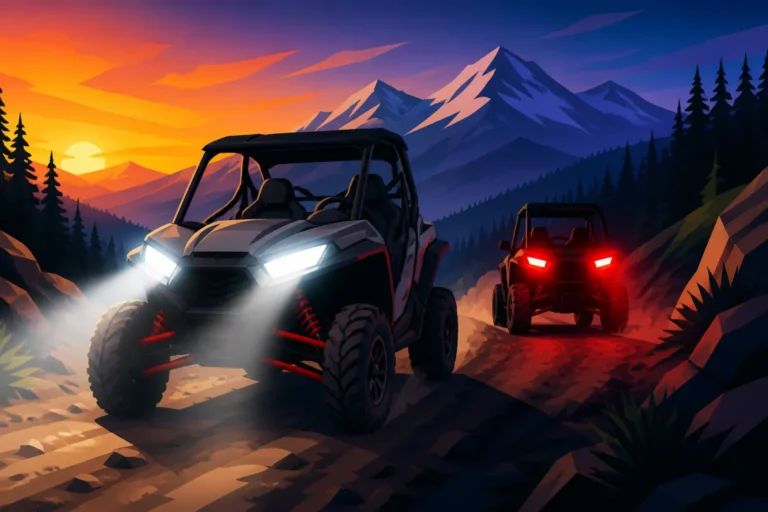
Every OHV operating on a public road in Colorado must have at least one headlight that emits a white light visible from at least 500 feet to the front. Most modern ATVs and UTVs come standard with two headlights, which is even better for visibility and casting a wider beam. These headlights need to be working, properly aimed, and free of dirt or damage that would obscure their light. When you're rolling out for a ride, especially if there's any chance you'll be on a county road, always do a quick check to make sure both headlights are functioning.
Similarly, you need at least one taillight that emits a red light visible from at least 500 feet to the rear. Again, most machines have two, which is ideal. This taillight typically also serves as your brake light, becoming brighter when you apply the brakes. Make sure these are clean and fully functional. On those dusty Colorado trails, it's easy for taillights to get caked in grime, significantly reducing their visibility to following traffic. Take a moment to wipe them down before you hit the pavement. [What Colorado Requires on an OHV Road Ride] delves into more of the general equipment rules.
Brake Lights and Turn Signals
Separate from your standard taillight, a dedicated brake light is crucial for road safety. This light, typically integrated into your taillight assembly, must illuminate when you apply your brakes, signaling to vehicles behind you that you are slowing or stopping. Colorado law requires a red brake light visible from 500 feet. It's one of the most important safety features, especially if you're riding in a group or on a road with varying speeds.
Here's where it can get a little tricky, but absolutely vital: turn signals. Unlike dedicated off-road trails where hand signals might suffice for your riding buddies, on a public road, you absolutely need proper turn signals. These must be amber in color, visible from the front and rear, and function independently on each side to indicate your turning intention. Many OHVs do not come from the factory with turn signals. If you plan to ride on Colorado roads, you must install an aftermarket turn signal kit. There are many reliable options out there, including full kits from companies like SuperATV, that provide everything you need to become compliant. Installing these early can save you a lot of headache and keep you safe on the road.
Reflectors and Other Visibility Aids
Beyond the active lighting, passive visibility aids also play a significant role. Colorado law typically requires at least one red reflector on the rear of your OHV, visible from 100 to 600 feet when illuminated by another vehicle's headlights. Many machines come with these integrated, but if yours doesn't, or if they've been damaged or fallen off, you'll need to add them. Reflectors are a cheap and effective way to increase your machine's visibility, especially if your active lights somehow fail.
Think about additional reflective tape on your fenders or roll cage, too. While not explicitly mandated beyond the basic rear reflector for road use, these small additions can make a huge difference in low-light conditions or when crossing a busy intersection. Remember, the goal is to be as visible as possible, particularly on those less-trafficked county roads where drivers might not be expecting an OHV. Every bit of extra visibility you can add is a layer of safety for yourself and your passengers.
Beyond the Basics: Recommended Lighting Upgrades for Safety
While meeting the minimum legal requirements is essential for a Colorado road ride, smart riders often go a step further. The bare minimum might keep you legal, but it doesn't always provide optimal safety or visibility, especially in challenging Colorado conditions like dust, fog, or our rapidly changing mountain weather. Investing in some thoughtful lighting upgrades can significantly enhance your experience and peace of mind.
Adding Auxiliary Lights for Trail and Road
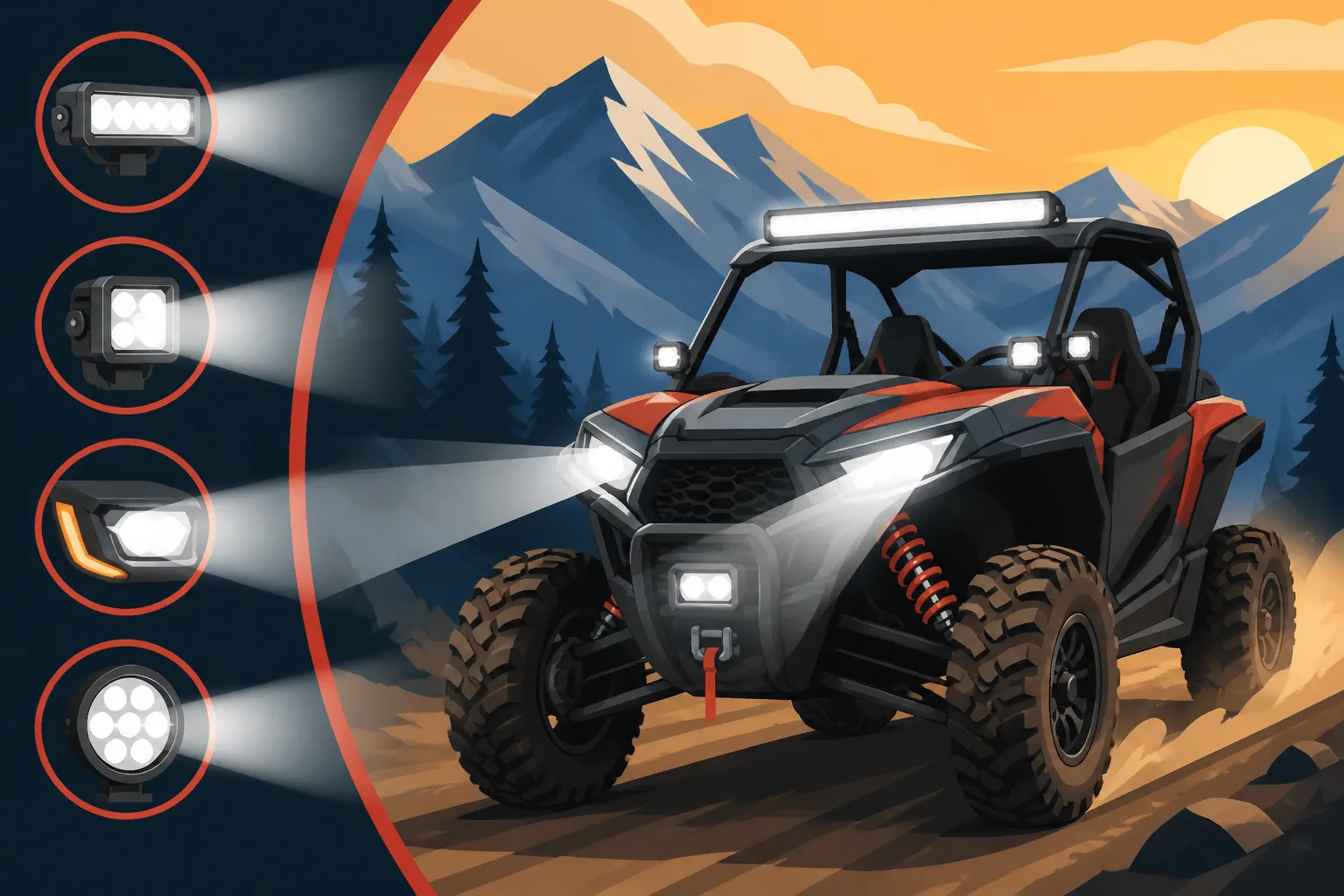
Many OHVs come with good-enough factory lighting for basic trail use, but when you're transitioning to mixed-use roads, or pushing through dark forest sections at dusk, auxiliary lights become incredibly useful. LED light bars, for instance, can provide a massive amount of forward illumination, far surpassing standard headlights. While you need to be mindful of state laws regarding aiming and blinding oncoming traffic (you can't just run a huge light bar on a public road that's designed to illuminate a whole forest), having the option to blast extra light when legally appropriate on a dark, deserted county road can be a game-changer for spotting wildlife or road hazards.
Beyond forward-facing lights, consider rock lights or underglow kits. While these might seem purely aesthetic, they can actually serve a safety purpose by making your machine more visible from the sides in urban areas or parking lots, making it harder for a driver to "lose" you in their blind spot. Just be sure to check local ordinances, as some towns might have rules about colored lighting. For dedicated trail use, powerful auxiliary lights are invaluable, and many kits allow for easy switching between trail-legal and road-legal modes.
Upgrading Your Bulbs and Housings
Sometimes, it's not about adding more lights, but making the lights you have work better. Many factory OHV headlights still use halogen bulbs, which are fine but don't hold a candle (pun intended!) to modern LED or HID options. Swapping out your halogen bulbs for LED alternatives can dramatically increase your light output and efficiency. LEDs consume less power, last much longer, and produce a brighter, whiter light that mimics natural daylight, making it easier to see obstacles and reducing eye strain.
If your light housings are old, yellowed, or cracked, even the best bulb won't perform optimally. Consider replacing worn-out housings with fresh, clear ones. This simple upgrade can significantly improve light projection and overall aesthetics. You'll find a wide array of aftermarket options, including direct-fit replacements and custom housings designed for specific models, often with improved optics. Companies like SuperATV offer robust housing upgrades and LED conversions that are designed to withstand the rigors of off-road riding while enhancing road visibility.
Wiring and Power Considerations
Adding multiple lights or upgrading to higher-powered bulbs can put a strain on your OHV's electrical system. Before you go wild with accessories, take a moment to understand your machine's stator output and battery capacity. Overloading your electrical system can lead to dim lights, drained batteries, or even component failures. It's often a good idea to upgrade your battery if you're adding significant electrical draw.
Proper wiring is paramount for reliability and safety. Always use appropriately gauged wire for the current draw, and make sure all connections are waterproof and protected from abrasion and heat. Routing wires neatly and securing them with zip ties or loom not only looks professional but also prevents accidental disconnections or short circuits. For complex setups, consider installing a dedicated fuse block or relay system to protect your electronics. If you're not comfortable with electrical work, it's always best to consult with a qualified professional or choose pre-built, plug-and-play kits that simplify installation and ensure compatibility.
Navigating Enforcement and Common Misconceptions
Understanding the letter of the law is one thing, but knowing how it's enforced on the ground and what common pitfalls riders encounter is equally important. Colorado's approach to OHV road access is still relatively new in many areas, and it can sometimes lead to confusion for both riders and enforcement officers. Being prepared and knowledgeable can prevent unnecessary stops and fines.
What Rangers Look For
When a Colorado Parks and Wildlife (CPW) ranger, county sheriff, or local police officer pulls you over on a county road, they're looking for a few key things when it comes to lighting. First and foremost, they'll check for functional headlights, taillights, and brake lights. These are the absolute minimums. Next, they'll verify you have operational turn signals – this is a huge one, as many stock machines lack them. They'll also typically check for the rear red reflector.
Beyond the "must-haves," they might observe how your lights are being used. Are your high beams on when facing oncoming traffic? Is your massive light bar blazing down Main Street in Silverton? Using auxiliary lighting inappropriately on public roads can still get you a citation, even if the lights themselves are installed correctly. Remember, the intent is safety and not blinding other drivers. Carrying your [Colorado OHV Registration for Machines Kept on Private Land] or your general registration is also key, as they'll want to verify that.
Common Violations and Fines
The most common lighting violations we see riders get ticketed for on Colorado county roads include:
- No turn signals: This is probably the biggest offender, simply because many machines don't come with them from the factory.
- Non-functional lights: A burnt-out bulb, a broken wire, or a mud-caked lens can quickly turn a legal setup into a violation. A quick pre-ride check could have prevented this.
- Improper use of auxiliary lights: Blinding other drivers with off-road light bars designed for trails is a definite no-no on public roads.
- Missing or damaged reflectors: Small, but easily spotted by an observant officer.
Fines for these violations can vary, but generally, expect them to be in the range of similar traffic infractions. While they might not be as steep as a DUI on an OHV, repeated offenses or combined violations can add up quickly. More importantly, getting a ticket can sour your day, and it contributes to negative perceptions of OHV riders, potentially jeopardizing future road access. It's always best to be compliant and courteous. [Penalties for an Unregistered OHV in Colorado] gives you a sense of how seriously Colorado takes compliance.
The Role of Local Ordinances
This is where the true complexity lies. While Colorado state law sets the baseline, individual counties and towns have the authority to create their own ordinances regarding OHV operation on their specific roads. This means that while state law requires turn signals, a particular town might have additional rules about, say, headlight brightness limits within city limits or specific times of day when OHVs are permitted. [Colorado Towns That Let OHVs Use Their Streets] is a prime example of how varied these rules can be.
Before you plan a trip that involves riding your OHV on any paved county or town roads, always, always, always check the specific ordinances for those areas. A quick search on the county or town's website, or a call to their local sheriff's department or town hall, can save you a lot of grief. Don't assume that just because one town allows something, the next one over will too. This proactive research is a critical part of being a responsible OHV user in Colorado.
Maintaining Your Lighting System for Peak Performance
Your lighting system isn't a "set it and forget it" component. The harsh conditions of off-road riding in Colorado – dust, mud, water crossings, vibrations – can take a toll on bulbs, wiring, and housings. Regular maintenance ensures your lights are always ready when you need them, keeping you safe and compliant.
Regular Pre-Ride Checks
Making a pre-ride check a habit is the simplest and most effective way to ensure your lighting system is always in top shape. Before every single ride, especially if you anticipate hitting any public roads, take five minutes to do a walk-around:
- Headlights: Turn them on. Are both working? Are they bright and clear?
- Taillights: Check both sides. Are they on?
- Brake Lights: Have a friend stand behind you while you press the brake pedal, or back up to a wall and check your reflection. Do they brighten noticeably?
- Turn Signals: Test left and right, front and back. Do they flash consistently?
- Reflectors: Are they present, clean, and intact?
- Lenses: Are all light lenses clean and free of mud, dust, or scratches that might obstruct light output?
This quick routine can catch minor issues before they become major problems or lead to a ticket. It's especially crucial for those long-haul rides through multiple towns, where different laws might be in play.
Here's a handy checklist you can use:
| Lighting Component | Functionality Check | Condition Check |
|---|---|---|
| Headlights | On / Off, High / Low | Brightness, Aim, Cleanliness |
| Taillights | On / Off | Brightness, Cleanliness |
| Brake Lights | Activates with Brake | Brightness, Response Time |
| Turn Signals | Left / Right, Front / Rear | Flashing Rate, Brightness |
| Reflectors | Present, Secure | Cleanliness, Damage |
| Wiring/Connect. | Visible Damage | Secure, Corrosion-Free |
| Mounts/Housings | Securely Attached | Cracks, Damage, Water Entry |
Troubleshooting Common Lighting Issues
Even with regular checks, things can go wrong. Knowing how to troubleshoot common lighting issues can save your ride or prevent a costly repair.
- Dim or Flickering Lights: This often points to a poor electrical connection, a failing battery, or an overloaded electrical system. Check battery terminals for corrosion, inspect wiring connections, and ensure your stator is producing enough power, especially with added accessories.
- Lights Not Working At All: Start with the simplest solution: a blown fuse. Check your OHV's fuse box for any blown fuses related to lighting. If fuses are good, it could be a burnt-out bulb (easy fix!), a broken wire, or a faulty switch. A multimeter can be incredibly useful for checking continuity and voltage in your wiring.
- Turn Signals Malfunctioning: If they're flashing too fast or too slow, it often indicates a problem with the flasher relay or a bulb that's out. If only one side isn't working, check the bulbs and wiring for that specific side.
Don't be afraid to carry a small toolkit with basic electrical testers and spare fuses and bulbs. Sometimes, a quick fix on the trail or road can prevent you from being stranded or receiving a citation.
Winter Riding and Lighting
Colorado's riding season often extends into the colder months, and some hardy souls even brave winter riding with tracked UTVs. Winter brings its own set of challenges for lighting. Snow and ice can quickly obscure lenses, and the colder temperatures can impact battery performance and the lifespan of certain electrical components. When riding in winter conditions, your lighting needs to be even more robust.
Ensure your lenses are clear of snow and ice before and during your ride. Consider LED lights, which tend to be more resilient to cold and vibrations than older halogen bulbs. The shorter daylight hours in winter mean you'll be relying on your lights more often, so having a perfectly functioning system is paramount. Heavy snowfall can also reduce overall visibility, making strong, reliable lighting even more critical for being seen by others. This is also a good time to review topics like [Colorado OHV Rules for Official and Utility Use] to understand the nuances of winter operations.
Disclaimer
This article is for general informational purposes only and does not constitute professional advice. Laws, prices and regulations vary by location and change over time. Consult a qualified professional for guidance on your specific situation.