Headlights and Taillights on a Road Ride
Navigating Colorado's incredible backcountry is a dream for many ATV and UTV owners, but when those trails connect to or require travel on public roads, a whole new set of rules comes into play. One of the biggest headaches, and frankly, one of the most critical safety aspects, is ensuring your machine's lighting system is up to snuff. It's not enough to just have lights; they need to meet specific requirements to keep you legal and visible, which can be confusing and frustrating to figure out on your own. This guide is here to cut through the confusion and help you understand exactly what Colorado expects from your headlights and taillights when you venture onto those county roads.
Why Proper Lighting is Absolutely Crucial for Road Riding in Colorado
When you're out on the open trail, your lighting needs might feel pretty straightforward: bright enough to see where you're going, especially after dusk. But the moment your tires hit a paved or maintained county road that's open to off-highway vehicles, the game changes dramatically. It's no longer just about seeing; it's about being seen and doing so without becoming a hazard to others.
Visibility: See and Be Seen
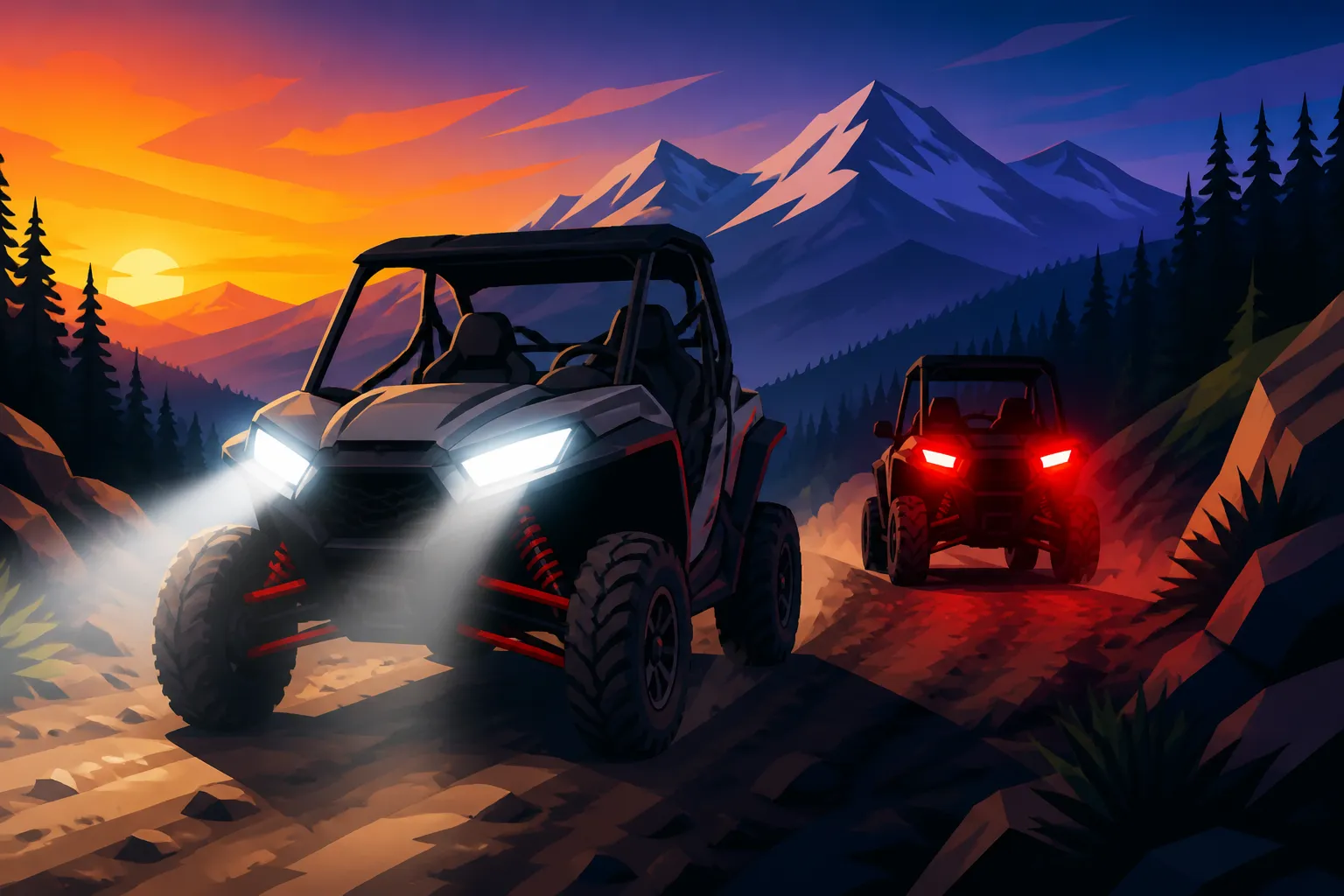
Picture this: you're cruising down a gravel county road near Lake City as the sun starts to dip behind the peaks. The shadows are long, and dust is kicking up from the vehicle ahead. In this scenario, your headlights aren't just cutting through the gloom for you; they're announcing your presence to any oncoming traffic, be it another UTV, a truck, or a local rancher heading home. Poor or insufficient lighting means you could be a ghost on the road, practically invisible until it's too late. This is particularly true for smaller, less conspicuous machines like dirt bikes or ATVs that can easily blend into the background, especially against a setting sun or in patchy light. Good lighting isn't a luxury; it's a fundamental safety net, ensuring that you're not just scanning for obstacles, but that everyone else can easily identify you as a moving vehicle.
On the flip side, taillights are equally vital. Imagine you're riding in a group, and someone behind you is following a bit too close, or a local coming up fast behind you just crested a hill. Bright, functioning taillights, especially brake lights, provide immediate, crucial information about your presence and intentions. They give drivers behind you the time and space they need to react, whether that's slowing down, maintaining a safe distance, or preparing to pass. In the dusty conditions common on Colorado's unpaved county roads, a strong taillight can be the only thing cutting through the haze, preventing an uncomfortable close call or worse.
Legal Requirements and Avoiding Citations
Colorado isn't messing around when it comes to road safety, and that extends to off-highway vehicles operating on designated public roads. You might think your machine's stock lights are good enough, but there are specific statutes that dictate what kind of lighting is legal for road use. Many trail-focused headlights, while incredibly bright, might not have the correct beam pattern for on-road use, potentially blinding oncoming drivers. Similarly, a single, dim taillight designed for casual trail rides might not meet the visibility standards required on a public thoroughfare.
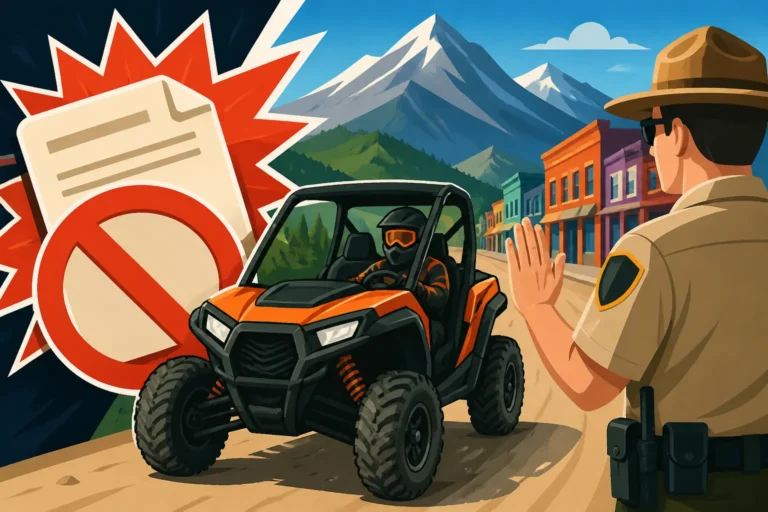
The local sheriff in a town like Silverton or the Colorado Parks and Wildlife (CPW) rangers in areas like Taylor Park are well aware of these rules. Getting pulled over for improper lighting isn't just an inconvenience; it can lead to a significant fine for an unregistered OHV in Colorado or riding an unequipped machine. Nobody wants to cut short a fantastic day of riding because of a preventable ticket. Understanding and complying with these laws means you can ride with peace of mind, knowing you're not only safe but also legally compliant, which is key to enjoying those mixed-use routes that often connect [Colorado County Roads Open to OHVs] with your favorite high-country trails. These requirements are in place to ensure a level playing field of safety for all road users, from cars and trucks to dirt bikes and side-by-sides.
Safety Beyond the Trail
The trail is one thing; the road is another. On a trail, you might encounter other OHVs, hikers, or mountain bikers, but the speeds are generally lower, and the expectations for vehicle interaction are different. On a road, you're sharing space with much heavier, faster-moving vehicles. The consequences of poor visibility increase exponentially. A bright, properly aimed headlight helps you spot potholes, wildlife, or unexpected turns on a county road much earlier, giving you precious seconds to react. It’s also about anticipating hazards; you need to see a deer by the roadside before it jumps out, or that patch of loose gravel around a blind corner.
Furthermore, proper lighting is crucial for signaling your intentions. Turn signals (which often tie into your brake/taillight system) and functional brake lights are standard on road-going vehicles for a reason: they communicate. When you're making a turn onto a side road or slowing down to navigate a cattle guard, clear, visible signals prevent misunderstandings and potential collisions. For those moments when you have to cross a paved highway on an OHV, your machine's full complement of road-legal lights is paramount. It’s a layer of safety that protects not just you and your passengers, but every other person you share the road with, making for a safer, more enjoyable experience for everyone.
Colorado's Specific Rules for Headlights and Taillights on OHV-Opened Roads
Colorado law is quite specific about what your OHV needs in terms of lighting when it ventures onto public roads where it's legally permitted. It's not just about having a light, but having the right light in the right place and functioning correctly. This is often where riders get tripped up, thinking their super-bright LED light bar is sufficient, when in reality, it might be illegal for road use because of its intensity or beam pattern.
What Colorado Law Says About Headlights
For road riding, Colorado requires your OHV to have at least one working headlight that emits a white light visible from a certain distance. Generally, this means a functional headlight capable of illuminating the road ahead and making your presence known to oncoming traffic. Crucially, many trail-specific LED light bars, while fantastic for off-road visibility, are often too bright and lack the controlled beam pattern necessary for public road use. They can blind oncoming drivers, which is a serious safety hazard and a quick way to get a ticket.
Proper headlights for road use typically have a "cutoff" beam pattern, directing light downwards to illuminate the road without scattering it upwards into the eyes of other drivers. If your machine's stock headlights don't meet this standard, or if you're upgrading, you might need to look for DOT-compliant (Department of Transportation) headlights, even if Colorado doesn't explicitly require a street-legal plate for a UTV. While your OHV won't be street-legal in the same way a car is, it must meet specific equipment standards when using county roads. Companies like SuperATV offer a range of aftermarket lighting solutions, including replacement headlights that often improve visibility and might be designed with a more road-friendly beam pattern, though riders should always verify compliance for their specific use. Remember, the goal here isn't just to see, but to see responsibly without creating a hazard for others. [What Colorado Requires on an OHV Road Ride] goes into further detail about all equipment.
Taillight Mandates and Brake Lights
Just as important as seeing what's ahead is ensuring those behind you can see you. Colorado law requires your OHV to have at least one taillight that emits a red light visible from a specific distance to the rear. This taillight must be operational whenever your headlights are required. Beyond just being visible, an even more critical component is a functional brake light. When you hit the brakes, that taillight needs to illuminate brighter, or a separate dedicated brake light needs to activate, clearly signaling your deceleration to anyone following. This is a non-negotiable safety feature, especially in situations where you might need to slow down quickly, perhaps for a tight turn on a winding mountain road or to yield to traffic.
Many factory OHV taillights include integrated brake lights, but it's vital to ensure they are bright enough and clearly distinguishable from the running light. If you've modified your rear lighting or are adding a turn signal kit (which often integrates into the taillight system), make sure all components are wired correctly and function as intended. Some aftermarket kits, including those from brands like SuperATV, offer complete turn signal and horn kits that integrate DOT-compliant taillights and brake lights, making it easier to ensure your machine meets these critical safety and legal standards. Always test these before heading out on any road-accessible route.
When Lights Are Required: Day, Night, and Low Visibility
It's a common misconception that lights are only required at night. In Colorado, just like with cars, your OHV's headlights and taillights are legally required not only from sunset to sunrise but also during any period of low visibility. This includes conditions such as fog, heavy rain, snow, or even dense dust clouds that often kick up on popular gravel routes. If you need your wipers on (if your machine has them) or if visibility is reduced to a point where other vehicles would be using their lights, then your OHV's lights must be on too.
This "low visibility" rule is particularly important in Colorado's high country, where weather can change rapidly. A clear, sunny morning can quickly turn into an afternoon thunderstorm with heavy rain and reduced sightlines. Or, riding through a dense forest canopy can significantly dim ambient light, making you less visible even at midday. Always err on the side of caution. If there's any doubt, turn your lights on. It’s a simple flick of a switch that drastically increases your safety and keeps you compliant with local regulations, preventing situations that might lead to [Colorado Fines for Illegal Road Riding].
Essential Lighting Components and Upgrades for Your Colorado OHV
While many OHVs come equipped with basic lighting from the factory, those lights are often designed with trail riding in mind, not necessarily the specific demands and legalities of road use. For anyone planning to regularly ride on Colorado's OHV-friendly county roads, understanding and potentially upgrading your lighting system is a smart move.
Stock vs. Aftermarket Lighting: When to Upgrade
Most factory OHV lighting systems are functional for their primary purpose: trail illumination. They provide enough light for you to see obstacles on a dirt path and for other trail users to spot you. However, when you start mixing in road sections, several limitations of stock lighting can become apparent. Factory headlights might lack the controlled beam pattern to avoid blinding oncoming drivers, or they might simply not be bright enough to truly make you stand out among road traffic during the day. Taillights, while present, sometimes don't have distinct enough brake light functionality or aren't positioned for optimal visibility to vehicles approaching at higher speeds.
An upgrade becomes highly advisable, if not essential, when you're frequently riding on roads. This is especially true if you notice your lights are dim, flickering, or simply not performing up to par. Aftermarket lighting offers a significant leap in performance, durability, and often, compliance with road-use standards. Investing in quality upgrades can enhance your safety, reduce the risk of accidents, and help you avoid legal issues. Plus, modern LED aftermarket lights consume less power, freeing up your electrical system for other accessories.
Choosing the Right Headlights for Road Use
When selecting aftermarket headlights for your OHV, look beyond just raw lumens. While brightness is important, the beam pattern is critical for road riding. You want headlights that offer a defined cutoff, similar to automotive headlights, which directs light down onto the road and minimizes upward glare. This prevents you from blinding other drivers, which is a common complaint about overly bright, untamed LED light bars. Some states and municipalities specifically prohibit certain types of off-road lights on public roads for this very reason.
Consider reputable brands known for quality and durability. There are many options available, from full replacement headlight assemblies to individual LED bulbs designed to fit your existing housings. Features like high/low beam functionality are also important for adapting to different lighting conditions and traffic situations. While Colorado doesn't issue a [Why Colorado Will Not Plate Your UTV] as street legal, ensuring your headlights behave like road-legal vehicle lights when on public ways is key to safe operation. Look for reviews that specifically mention road performance, beam patterns, and ease of installation.
Taillight and Brake Light Considerations
For your OHV's rear lighting, upgrades can greatly improve your visibility and safety. Beyond just having a red running light, consider enhancing your brake lights. Brighter, more noticeable brake lights provide a clearer, more immediate signal to following vehicles. Some aftermarket kits offer multi-function LED taillights that integrate running lights, brake lights, and even sequential turn signals, making your machine incredibly visible from the rear.
When you're comparing options, pay attention to how well the brake light stands out against the running light. It needs to be a distinct change in brightness or illumination pattern. Durability is also a factor; given the vibrations and potential impacts of off-road use, you want taillights that can withstand harsh conditions without failing. Many aftermarket solutions are designed to be more robust than their factory counterparts. If you're tackling [Riding the Alpine Loop Between Colorado Towns], where you're constantly transitioning between trail and road, having reliable and highly visible taillights is incredibly important for maintaining safety in a mix of traffic.
Wiring and Installation Tips
Installing aftermarket lighting isn't always plug-and-play, but many modern kits are designed for easier installation. If you're not comfortable with electrical work, it's always best to have a professional handle it. However, for DIY enthusiasts, here are a few tips:
- Read the Instructions: This sounds obvious, but it's the most common mistake. Manufacturers, including companies like SuperATV, provide detailed wiring diagrams and step-by-step guides.
- Use Proper Gauge Wire: Ensure your wiring is appropriately sized for the current draw of your new lights to prevent overheating and voltage drop.
- Secure Connections: Use waterproof connectors and heat shrink tubing, especially in areas exposed to the elements, to prevent corrosion and shorts.
- Fuse Protection: Always install an inline fuse appropriate for the circuit to protect your electrical system.
- Relays for High-Draw Lights: If adding powerful light bars or multiple accessory lights, use relays to draw power directly from the battery, protecting your factory wiring and switches.
- Aiming: Once installed, properly aim your headlights. They should illuminate the road without pointing excessively high or low. A simple wall test in a dark area can help you adjust the beam pattern for optimal road use.
- Testing: Before your first road ride, thoroughly test all functions: running lights, brake lights, high beams, and low beams. Have a friend observe from a distance to ensure everything is clearly visible.
Remember, adding lighting puts a demand on your electrical system. Ensure your machine's stator and battery can handle the additional load, especially if you're adding other accessories like a winch or stereo.
Maintaining Your OHV's Lighting System for Colorado Road Safety
Just installing the best lighting system isn't enough; regular maintenance is key to ensuring it performs reliably when you need it most. Neglecting your lights can lead to reduced visibility, safety hazards, and unexpected tickets from rangers or local law enforcement.
Pre-Ride Checks: Don't Leave Without Them
Before every single ride that involves any amount of road use, make it a habit to perform a quick lighting check. This simple routine takes mere minutes but can prevent a world of trouble.
- Headlights: Turn them on (low beam, then high beam). Stand in front of your machine and confirm both are working, bright, and aimed correctly. Check for any flickering or dimness.
- Taillights: Step to the rear of your OHV. Ensure the running lights are on. Then, have a friend or family member press the brake pedal (or activate the brake lever if you're on an ATV). Verify that the brake light illuminates significantly brighter. If you have separate turn signals, check those as well.
- Damage Check: Briefly inspect the lenses of all lights. Look for cracks, excessive dirt or mud buildup, or any loose wiring. A cracked lens can allow moisture in, leading to component failure.
- Bulb Functionality: If any lights are out, it's usually a quick fix to replace a bulb (if not an LED assembly). Always carry spare bulbs for incandescent systems, or at least know where the nearest powersports dealer is in case of an LED failure. These quick checks are like packing your helmet – essential for [What Colorado Requires on an OHV Road Ride] and safe travel.
Cleaning and Care for Optimal Performance
Colorado's trails are notorious for dust, mud, and water crossings. All of these elements are fantastic for adventure, but terrible for your lighting's performance and longevity.
- Keep Lenses Clean: After every dusty or muddy ride, thoroughly clean the lenses of your headlights and taillights. A layer of grime can reduce light output by a significant margin. Use a mild soap and water solution and a soft cloth to avoid scratching the plastic or glass lenses.
- Inspect Seals: Periodically check the seals around your light housings. Exposure to sun, mud, and chemicals can degrade these seals, allowing water and dust to penetrate, which can lead to corrosion and electrical shorts.
- Protect Wiring: Ensure all wiring is neatly routed and secured, away from hot engine components, sharp edges, and moving parts. Use zip ties and electrical tape where necessary to prevent chafing and exposure.
- Avoid Harsh Chemicals: Be careful with high-pressure washers directly on light housings, especially around seals. Also, avoid harsh chemical cleaners that can degrade plastic lenses or rubber seals over time.
- UV Protection: For plastic lenses, applying a UV protectant can help prevent hazing and yellowing over time, keeping your lights clear and bright. This is especially relevant in Colorado's intense sun.
Troubleshooting Common Lighting Issues
Even with the best maintenance, sometimes things go wrong. Knowing a few basic troubleshooting steps can save you a trip to the shop or an inconvenient stop on the trail.
- Light Out Completely:
- Check the Bulb: If it's an incandescent bulb, remove and inspect the filament. If broken, replace it.
- Check the Fuse: Locate your OHV's fuse box (often near the battery or under the seat). A blown fuse is a common culprit for an entire circuit going out. Always replace a fuse with one of the correct amperage.
- Check Connections: Wiggle the wiring at the back of the light and where it connects to the main harness. A loose connection can cause intermittence.
- Ground Wire: Ensure the ground wire is securely attached to a clean, unpainted metal surface on the frame. A poor ground is a frequent cause of electrical issues.
- Dim or Flickering Lights:
- Battery Voltage: A weak battery or charging system can lead to dim lights, especially at idle. Check your battery voltage with the engine off and running.
- Corrosion: Inspect electrical connectors for corrosion. Clean any green or white buildup with a wire brush and electrical contact cleaner.
- Loose Connections: Again, check all connections. A partially loose wire can cause intermittent contact.
- Brake Lights Not Working:
- Brake Light Switch: Most OHVs have a switch activated by the brake pedal or lever. Check if this switch is functional. They can get stuck or fail.
- Bulb/LED Array: Ensure the brake light filament or LED array isn't burned out.
- Wiring: Trace the wiring from the brake light switch to the taillight assembly.
If you're continually battling electrical issues, or if an issue is beyond your comfort level, don't hesitate to consult a qualified powersports mechanic. It’s better to be safe than sorry, especially when your ability to see and be seen on public roads is at stake. Proper lighting is a key aspect that ranger checkpoints at a trailhead often look for.
Here's a quick overview of key lighting requirements for OHV road use in Colorado:
| Lighting Component | Requirement | Notes for OHV Road Use |
|---|---|---|
| Headlights | At least one white light, visible from 500 feet (152m) to the front. | Must have appropriate beam pattern (e.g., DOT compliant) to avoid blinding oncoming traffic. |
| Taillights | At least one red light, visible from 500 feet (152m) to the rear. | Must be operational when headlights are required. |
| Brake Light | Red light, brighter than taillight, activated by brake. | Essential for signaling deceleration to following vehicles. |
| Reflectors | At least one red reflector on the rear. | Enhances visibility, particularly if lights fail. |
| Time of Use | Sunset to Sunrise, and periods of low visibility. | Includes fog, heavy rain, snow, heavy dust, or any time visibility is less than 1,000 feet. |
| Turn Signals | Not explicitly required for OHVs on county roads by state law, but highly recommended for safety. | Some counties or towns may have local ordinances. |
This article is for general informational purposes only and does not constitute professional advice. Laws, prices and regulations vary by location and change over time. Consult a qualified professional for guidance on your specific situation.