Eye Protection Rules for Young Colorado Riders
Navigating the world of off-highway vehicles (OHVs) in Colorado can feel like a labyrinth, especially when you're trying to keep your kids safe and legal. One area that often causes a lot of head-scratching for parents is eye protection – what exactly are the rules for young riders, and more importantly, how do you make sure your child is truly protected out on the trails? This guide aims to clear up the confusion, helping you understand Colorado's requirements and offering practical advice to keep your young adventurers safe.
The Legal Landscape: What Colorado Says About Young Riders and Eye Protection
It’s completely understandable why parents feel a bit overwhelmed trying to figure out the exact regulations for their young riders. Colorado’s OHV laws are designed to promote safety, but the specifics around youth and safety gear can sometimes seem a little vague or buried in official documents. The good news is that when it comes to eye protection for those under a certain age, the state has some clear guidelines, especially when paired with helmet requirements.
The core idea behind these rules isn't to make your life harder, but to prevent serious injuries. Imagine the impact of a rock kicked up by a tire, a low-hanging branch on a tight trail, or even just persistent dust on developing eyes. The consequences can range from irritating to vision-threatening. That's why understanding these regulations is your first step in responsible OHV parenting.
Understanding Colorado's "Under 18" Rule for Helmets and Eye Protection
In Colorado, the law is quite direct: any person under the age of 18 operating or riding as a passenger on an OHV on public lands or trails must wear a DOT-compliant helmet. And here's the crucial part for our discussion: they must also wear eye protection. This isn't an optional accessory; it's a mandatory piece of safety gear, just like the helmet itself. This rule applies whether they're on a dirt bike, an ATV, or a side-by-side. It’s a comprehensive requirement designed to shield the most vulnerable parts of a young rider’s head.
This means if your child is out on a designated OHV trail, a Forest Service road that's open to OHVs, or any other public riding area, both a helmet and eye protection are non-negotiable. It’s not enough to just have one or the other. This dual requirement often comes as a surprise to new OHV families, but it's a vital detail that rangers often check for at trailheads. So, before you even load up the machines, make sure every rider under 18 has both pieces of gear ready to go. You can find more details on these age-related requirements in [Colorado Age Rules for Young OHV Riders].
Where Colorado Helmet and Eye Protection Rules Apply
It's easy to assume that these strict rules only apply to hardcore trails, but Colorado's regulations are broader than you might think. The "under 18" helmet and eye protection rule applies whenever a minor is operating or riding an OHV on public lands or designated OHV trails. This includes everything from the Alpine Loop to local BLM riding areas, and even county roads where OHV use is specifically permitted by local ordinance, such as around towns like Lake City or Silverton (where allowed).
However, if you're riding exclusively on private property that you own or have explicit written permission to ride on, the state's mandatory helmet and eye protection laws for minors generally don't apply. But here's the thing: just because the law doesn't mandate it on private land doesn't mean it's not absolutely essential for safety. Common sense and a parent's duty of care should always override legal minimums, especially when it comes to protecting precious eyesight. Many families still enforce the "helmet and goggles on" rule no matter where they ride, a practice we strongly endorse. For more on private land use, check out [Private Land Riding and Colorado Registration].
Beyond the Law: Why Quality Eye Protection is Non-Negotiable
While the law provides a baseline, any experienced rider or parent will tell you that true safety goes far beyond simply checking a box. The mountain environments and high-desert landscapes of Colorado present a myriad of hazards that can impact a rider's eyes, regardless of age. Thinking of eye protection as simply a legal formality misses the bigger picture of why it's so critically important for your child's well-being and their ability to enjoy the ride.
It's about creating a safe and enjoyable experience. When a child is constantly squinting, getting dust in their eyes, or is afraid of a branch hitting them, their focus on riding is compromised. This not only makes the ride less fun but also increases the risk of an accident. Quality eye protection removes these distractions, allowing them to concentrate on the trail ahead and develop their riding skills safely.
Guarding Against Dust, Debris, and Environmental Hazards
Colorado trails are incredibly diverse, but one constant is the potential for dust, especially during dry summer months. Even a short ride can kick up an impressive cloud. Fine dust particles can irritate eyes, impair vision, and even cause corneal abrasions. But it's not just dust; stones, gravel, and other small debris can be launched from tires—either your own or those of other riders in your group. Imagine a pebble hitting an unprotected eye at speed; the thought alone is enough to send shivers down a parent's spine.
Beyond the immediate projectiles, consider the natural environment. Low-hanging branches, thorns, and even insects are common occurrences on mountain trails. A well-fitting pair of goggles or a helmet face shield acts as an impenetrable barrier, protecting against these unexpected impacts. For younger riders whose reactions might not be as sharp as an adult's, this protection is even more critical. Brands like SuperATV offer accessories that can enhance safety, like windshields for UTVs, but for individual riders, direct eye protection is key.
Protecting Against UV Rays and Wind Burn at Altitude
Riding in Colorado often means riding at altitude, where the sun's UV rays are significantly more intense. Prolonged exposure to harmful UV radiation can cause both short-term and long-term eye damage, including cataracts and photokeratitis (a painful "sunburn" of the eye). Standard sunglasses, while offering some UV protection, often don't provide the comprehensive coverage needed to block all peripheral UV, nor do they stay put during dynamic riding.
Wind burn is another real concern, especially on open trails or at higher speeds. The constant rush of air can dry out eyes, causing discomfort, irritation, and excessive tearing, which can severely compromise vision. Good eye protection, with proper ventilation, shields the eyes from direct wind while preventing fogging. This combination ensures your child maintains clear vision and comfort throughout their ride, which is essential for safely navigating varied terrain.
Practical Choices: Selecting the Best Eye Protection for Your Child
Choosing the right eye protection for your child isn't just about meeting legal requirements; it's about finding gear that's comfortable, durable, and truly effective. Just like you wouldn't send them out with an ill-fitting helmet, their eye protection needs to be perfectly suited to their face and riding style. It’s an investment in their safety and enjoyment on the trails.
Remember, the best eye protection is the one your child will actually wear without complaint. Involving them in the selection process, letting them try on different styles, and explaining why this gear is important can go a long way in ensuring compliance and comfort out on the trail.
Goggles vs. Face Shields: Pros and Cons for Young Riders
When it comes to dedicated eye protection for OHVs, you generally have two main options: goggles or a helmet face shield. Both offer protection, but they have distinct advantages and disadvantages, especially for young riders.
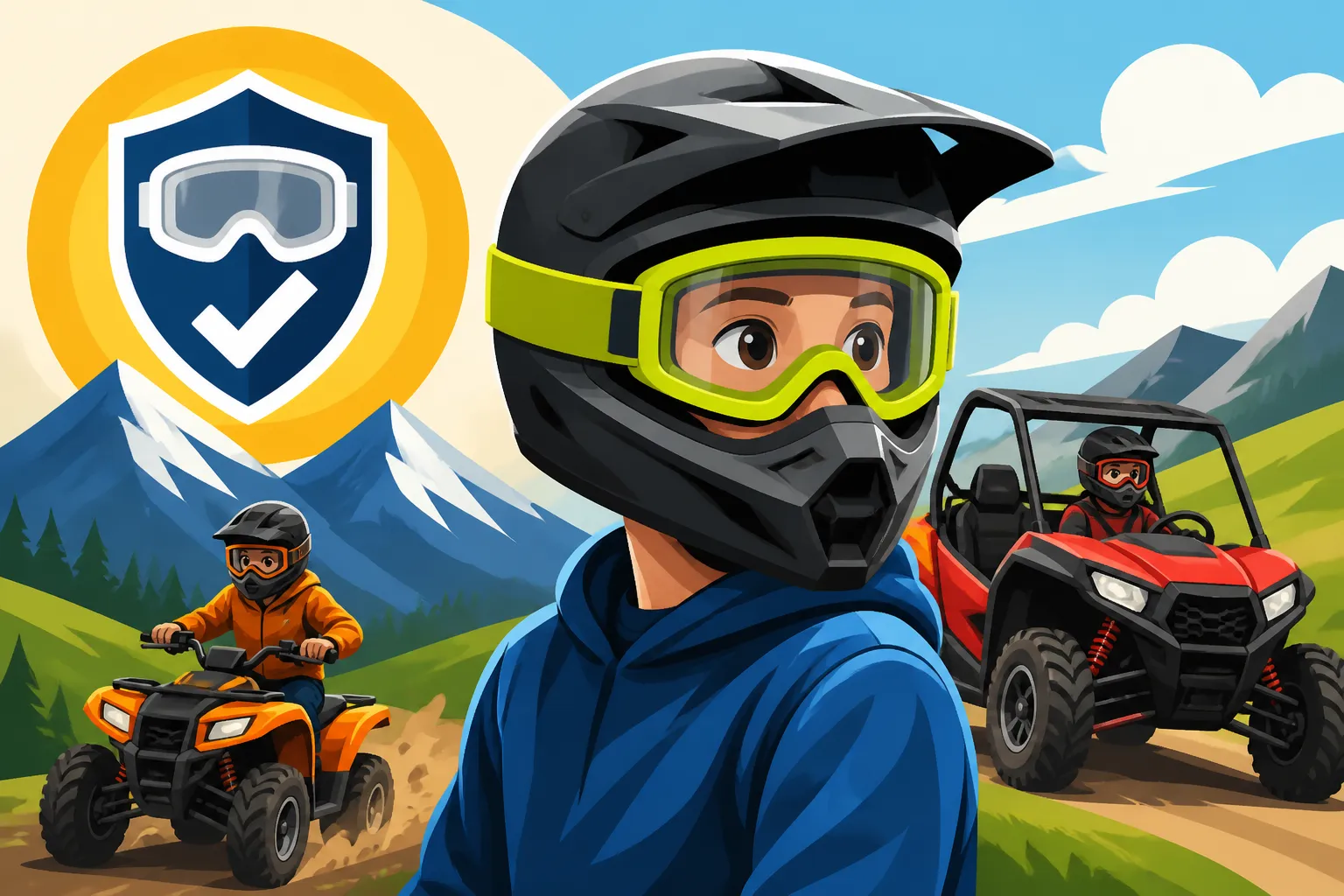
Goggles are often the preferred choice for dirt bike and ATV riders. They offer a tight, sealed fit around the eyes, which is excellent for keeping out dust, dirt, and wind. They are also highly durable and can be replaced relatively inexpensively if scratched or damaged. Many modern goggles feature anti-fog coatings and tear-offs or roll-offs, which are fantastic for maintaining clear vision in challenging conditions. The downside can be heat buildup around the eyes in very slow, technical riding, though good ventilation designs minimize this. For specific youth machines, finding a pair that fits snugly with a youth helmet is crucial.
Helmet face shields, typically found on full-face UTV helmets, provide a broader field of vision and can be more convenient for quick on-and-off use or when chatting with others. They often come with anti-scratch and anti-fog features built-in. However, face shields might not seal as tightly as goggles around the eyes, potentially allowing a little more dust or wind in. They are also generally more expensive to replace if damaged. For children riding in UTVs, a full-face helmet with a shield can be very comfortable, but pairing it with a clear shield for diverse lighting conditions is important.
Here's a quick comparison to help you weigh your options:
| Feature | Goggles | Helmet Face Shield |
|---|---|---|
| Protection | Excellent seal against dust, debris, wind | Good overall coverage, can be less sealed |
| Comfort | Snug fit, can feel warm; good ventilation | Broader field of vision, less direct eye pressure |
| Visibility | Anti-fog options, tear-offs/roll-offs | Wide view, may fog up without coatings |
| Durability | Durable, lenses easily replaceable | Can scratch; shield replacement often complex |
| Cost | Generally more affordable to replace lenses | Shield replacement can be more costly |
| Best For | Dirt bikes, ATVs, dusty/windy conditions | UTVs, varied riding conditions, convenience |
Sizing and Fit for Youth Eye Protection
Just like a helmet, eye protection is only effective if it fits properly. For young riders, this means finding goggles or a face shield designed specifically for youth. Adult-sized gear will be too large, leaving gaps that defeat the purpose of wearing them, and will likely be uncomfortable. A poor fit can cause pressure points, distractions, and even restrict vision.
When selecting goggles, ensure they fit snugly and comfortably around your child's face, without pinching or leaving large gaps. The strap should be adjustable to fit securely around their helmet. Have them wear their actual helmet when trying on goggles to ensure compatibility. The frame of the goggles should sit evenly on their face and integrate smoothly with the helmet's eyeport, not pushing up the helmet or creating a gap at the forehead. Many manufacturers like Thor, Fox Racing, and Troy Lee Designs offer excellent youth-specific goggle lines.
For helmet face shields, the primary concern is that the helmet itself fits correctly. The shield should operate smoothly, latch securely, and provide a clear, undistorted view. Check that the shield doesn't press against your child's nose or chin when closed. If your child is riding a dirt bike or ATV, a traditional off-road helmet paired with youth goggles is usually the safest and most practical setup. If they're in a UTV, a full-face helmet with a robust face shield, potentially from a brand specializing in powersports gear like SuperATV for their general accessories, could be a good fit. Remember that the color of the lens also matters: clear for low light or night riding, tinted for bright sunny days, or photochromatic for versatility.
Essential Features to Look For
Beyond fit and type, there are several features that elevate eye protection from "good enough" to "excellent" for young riders. Firstly, always prioritize UV protection. Look for lenses that explicitly state 100% UV-A and UV-B protection. This is critical for preventing long-term eye damage from Colorado's intense high-altitude sun.
Anti-fog coatings are a game-changer. There's nothing more frustrating, or dangerous, than vision obscured by fogged-up lenses, especially when navigating technical terrain or making quick stops. Many quality youth goggles and face shields come with this feature, or you can buy anti-fog inserts. Ventilation also plays a role in preventing fog, so check for adequate vents in the frame of the goggles or helmet.
Impact resistance is, of course, paramount. Lenses should be made from durable, shatter-resistant materials like polycarbonate. While eye protection can't prevent every injury, it should be able to withstand the common impacts encountered on the trail. Finally, consider comfort features like multi-layer foam on goggles for a soft seal against the face, and adjustable straps that are easy for kids to manage. A child who is comfortable is a child who will wear their safety gear consistently.
Common Scenarios and Misconceptions for Young Riders and Eye Protection
Even with a clear understanding of the rules and the right gear, questions often pop up in specific riding situations. The world of OHVs has its nuances, and what applies to an adult rider might be different for a child, or what's needed on public land might differ from private property. Addressing these common scenarios helps ensure your young rider is protected in all circumstances, not just the most obvious ones.
It’s often these little details that trip people up, leading to unnecessary risks or even a friendly reminder from a ranger. Let’s clear up some of those lingering questions so you can hit the trails with confidence, knowing you’ve got all your bases covered for your young adventurer.
Riding on Private Land: Do the Rules Still Apply?
This is a question many parents ponder, especially those with access to family land, a friend's ranch, or a large property where their kids enjoy riding their ATVs or side-by-sides. As mentioned earlier, Colorado's mandatory helmet and eye protection laws for minors generally apply to public lands or designated OHV trails. If your child is exclusively riding on private property where you have legal permission, the state law regarding helmets and eye protection for minors does not technically apply.
However, this is where parent wisdom and common sense must step in. Removing eye protection, even on private land, dramatically increases the risk of injury. A rogue branch doesn't care if it's public or private land. Dust doesn't disappear when you cross a property line. Many experienced OHV parents implement a "rules are rules, no matter where we ride" policy when it comes to vital safety gear. It instills good habits, and more importantly, it offers consistent protection. After all, the goal is safety, not just legal compliance. [Riding Only on Your Own Colorado Land] further explores this topic.
Eye Protection for Young Passengers
Often, the focus on eye protection is placed solely on the operator of the OHV. But what about the young passenger perched behind them on an ATV, or riding shotgun in a side-by-side? The short answer for Colorado public lands is: yes, they need eye protection too. The state law explicitly states "any person under the age of 18 operating or riding as a passenger on an OHV on public lands or trails must wear a DOT-compliant helmet and eye protection."
This makes perfect sense when you consider the hazards. A passenger is just as exposed to flying debris, dust, wind, and branches as the operator. In a side-by-side, even with a windshield, dust can swirl, and side impacts are still a risk. Ensuring your young passenger has a properly fitting helmet and goggles (or if in a UTV, a full-face helmet with a secure shield) is critical. Never compromise on a passenger's safety, as their ability to react to hazards might be limited compared to the driver. This rule reinforces the comprehensive safety approach Colorado takes for youth riders.
Dealing with Eyeglasses and Goggle Compatibility
Another common scenario involves young riders who already wear prescription eyeglasses. The idea of adding goggles on top of glasses can seem cumbersome, but it’s absolutely essential. Many modern youth goggles are designed to be "OTG" (Over The Glasses) compatible, meaning they have a slightly larger frame and specific cut-outs in the foam to accommodate eyeglasses comfortably.
When purchasing goggles for a child who wears glasses, always ensure they try them on together. Check for pressure points, distortion of vision, and whether the goggles create an adequate seal while allowing the glasses to sit naturally. Some riders prefer contact lenses for riding, if that's an option for your child. Alternatively, some prescription inserts can be fitted directly into goggles, eliminating the need for separate eyeglasses. Never let a child ride without their prescribed vision correction if they need it, but always ensure that correction is protected by proper OHV eye gear.
This article is for general informational purposes only and does not constitute professional advice. Laws, prices and regulations vary by location and change over time. Consult a qualified professional for guidance on your specific situation.