Child Seats and Colorado Helmet Rules
Bringing your kids along for a Colorado ATV or UTV adventure is one of the most rewarding experiences you can have as a family. There's nothing quite like watching their eyes light up as you navigate a scenic trail, but if you're like most parents, a huge question mark hangs over their safety: what about child seats and what are Colorado's actual helmet rules for young passengers? This guide is here to cut through the confusion and help you understand the specific regulations and best practices for keeping your little co-pilots safe on the trails.
Navigating the Complexities of Youth Rider Safety in Colorado
It's completely normal to feel a bit overwhelmed when you start looking into the rules for bringing kids along on your off-highway vehicle (OHV) adventures in Colorado. You want them to experience the joy of the mountains, the thrill of the ride, but above all, you want them safe. The rules aren't always as straightforward as they are for a passenger car, and that's where a lot of the parental anxiety kicks in. You might be wondering, "Can I just use their car seat?" or "Do all kids need helmets, even in a side-by-side with a roll cage?" These are valid concerns, and Colorado Parks and Wildlife (CPW) takes youth safety very seriously, which means there are specific guidelines to follow.
The Landscape of Colorado's OHV Regulations for Kids
Colorado's approach to OHV safety, especially concerning youth, is rooted in preventing serious injuries. Unlike the structured environment of a passenger car, an OHV operates in a dynamic, unpredictable off-road setting. This means that simply being a passenger requires a different set of considerations, and the regulations reflect that. While many states have varying rules, Colorado is generally quite protective of its youngest riders, distinguishing between who can operate a machine and who can ride as a passenger. This distinction is key because the dangers associated with operating an OHV are different from those a passenger might face, though both carry significant risks if proper precautions aren't taken.
For example, a child who is old enough to ride as a passenger might not be old enough or skilled enough to operate even a youth-sized ATV. Parents often grapple with questions about appropriate machine sizes for their children, which is why resources like [Youth Machine Size Rules Colorado Parents Ask About] are so important. These rules are designed to ensure that children are not put in situations beyond their physical and cognitive capabilities, whether they are driving or simply enjoying the ride from the passenger seat. The overarching goal is to foster a culture of safety so that these incredible machines can be enjoyed by families without unnecessary risk.
Why "Child Seats" Aren't a Simple Solution on ATVs and UTVs
One of the first thoughts many parents have when considering bringing a toddler or young child on a UTV is, "Can I just install their car seat or booster?" This is a natural instinct, given how ingrained car seat safety is in our daily lives. However, it's crucial to understand why traditional child safety seats designed for automobiles are generally not suitable or safe for use in ATVs or UTVs, and frankly, why trying to adapt them can introduce more hazards than it solves.
Automotive child seats are engineered to work with a vehicle's specific seat belt system and crumple zones, and to withstand the forces of a paved-road collision. OHVs, by their very nature, are exposed to different kinds of forces: rollovers, sudden jolts, side impacts on uneven terrain, and rapid changes in direction. Standard car seat attachment points, like LATCH systems or typical seat belt paths, simply don't exist in the same way on most OHVs. Trying to "rig" a car seat into a UTV can lead to it becoming dislodged, tipping over, or even injuring the child if the vehicle rolls. The materials and construction of an automotive child seat are not designed to protect against the unique impacts and dynamics of an off-road environment.
Instead of adapting car seats, specialized youth restraint systems might be available from aftermarket companies like SuperATV, designed specifically for UTVs. These are often harness systems that integrate directly into the UTV's frame or roll cage, providing much better security. However, even with these, you must verify they are installed correctly, compatible with your specific machine, and meet any local safety standards. The focus should always be on securing the child in a way that works with the OHV's design, not against it. It's about recognizing that the environment is different, and the safety solutions need to be different too.
Colorado's Helmet Requirements for Young Passengers
When it comes to helmets, Colorado doesn't mess around, especially for its youngest riders. The rules are in place because helmets are a proven life-saver in OHV accidents, which can happen even on seemingly easy trails. It’s not just about protecting against a direct impact in a collision; it’s also about safeguarding against branches, rocks, or even just bumping your head during a sudden stop or jolt on rough terrain. For parents, understanding these requirements is non-negotiable, as ignoring them can lead to fines and, more importantly, put your child at severe risk.
Who Needs a Helmet and When?
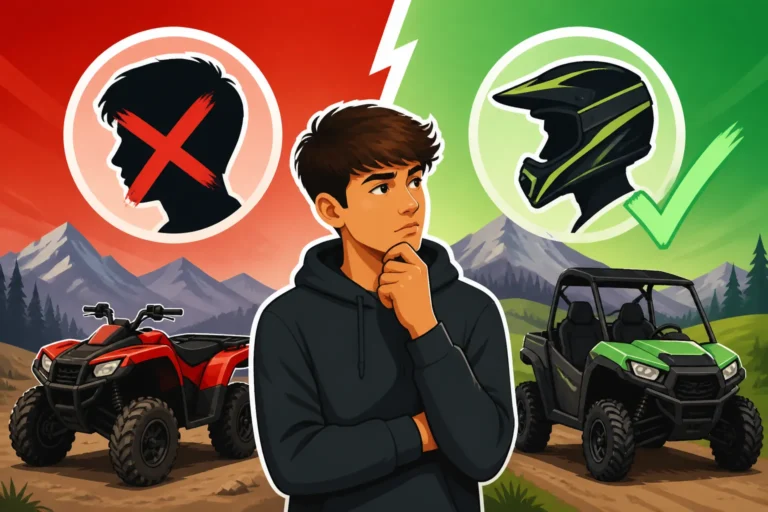
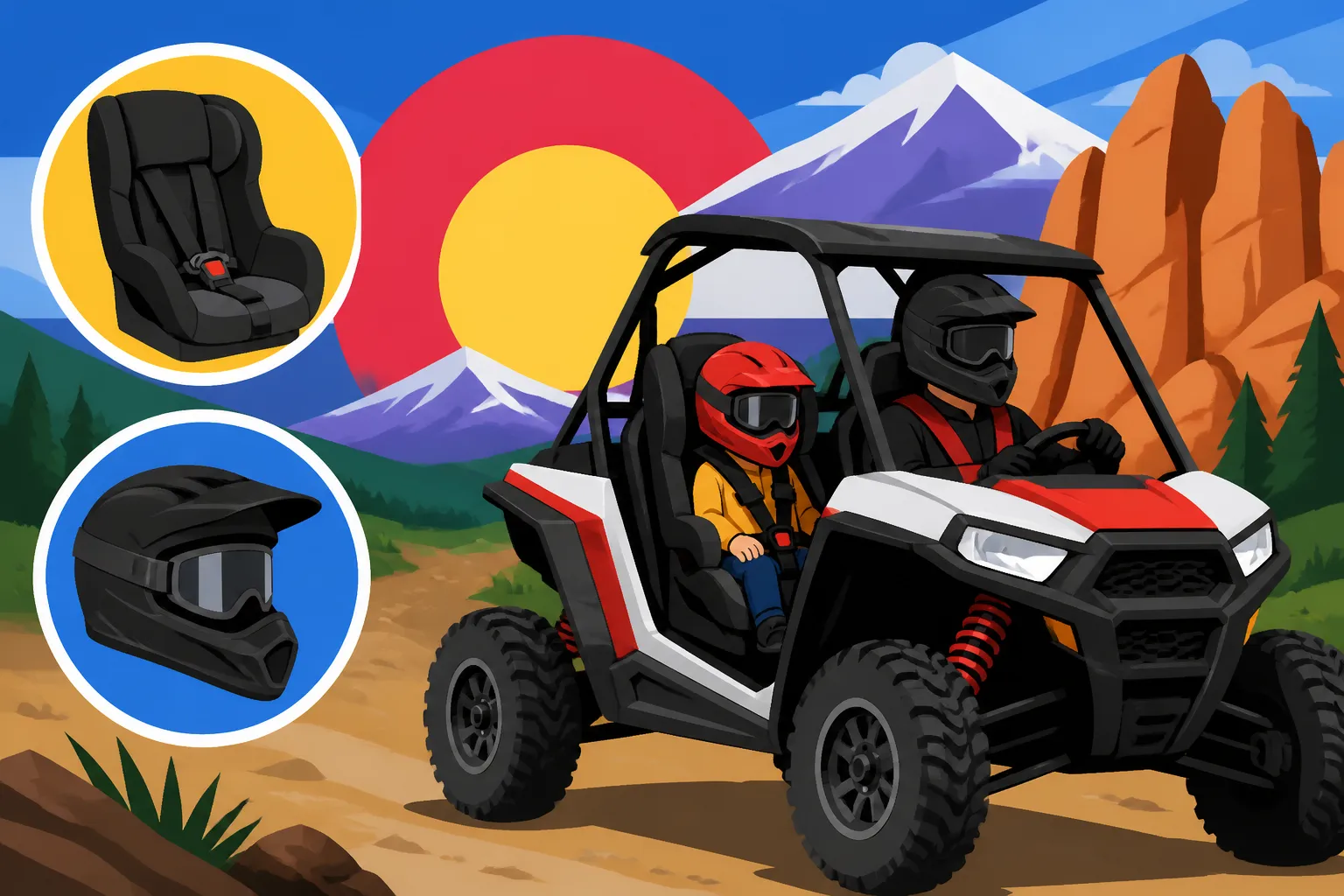
Colorado law is quite clear: any OHV operator or passenger under the age of 18 must wear a properly fitted, securely fastened helmet when riding on public lands. This isn't just a suggestion; it's a requirement. This rule applies whether they are riding an ATV, a dirt bike, or a side-by-side (UTV). So, if your child is 17 and riding as a passenger in your UTV on a designated trail in a National Forest, they must have a helmet on. This rule simplifies things for parents because it applies across the board for youth on public land.
The only real gray area might be riding on purely private land where explicit permission has been granted, as state regulations often focus on public access areas. However, as a veteran lifestyle blogger, I strongly advocate for wearing helmets regardless of the land type. Safety isn't a rule; it's a practice. For more details, you can look into specific guidelines outlined in [Colorado Helmet and Eye Protection: What Is Actually Required] and [Do Colorado Passengers Under 18 Need a Helmet?]. These resources clarify the specifics, but the takeaway for parents is simple: if your child is under 18 and riding an OHV, a helmet is a must.
Finding the Right Helmet for a Child Passenger
A helmet is only effective if it fits correctly. This is especially true for children, whose heads are still developing and who might be more susceptible to neck strain from an ill-fitting or overly heavy helmet. You can't just hand down an old adult helmet to a child and expect it to offer adequate protection. An adult helmet will be too large, too heavy, and won't sit properly on a child's head, which means it can shift during a ride or come off completely in an accident.
Here's what to look for when choosing a helmet for a child passenger:
- DOT Certification: The helmet must be DOT (Department of Transportation) approved. This certification ensures it meets minimum safety standards for impact absorption and penetration resistance. Always look for the DOT sticker on the back of the helmet. More information on this can be found in [DOT Helmet Standards for OHV Riders].
- Proper Fit: The helmet should be snug but not uncomfortable. It shouldn't move side-to-side or front-to-back when you gently shake your child's head. The straps should be securely fastened, with no more than one finger fitting under the chin strap.
- Weight: Children's helmets are often lighter than adult versions to reduce neck fatigue and strain. Choose one specifically designed for youth.
- Eye Protection: While not technically part of the helmet, proper eye protection (goggles or a helmet with a face shield) is crucial for both operators and passengers. Dust, insects, branches, and even small rocks can fly up, causing serious eye injury or distraction. [Eye Protection Rules for Young Colorado Riders] covers this in more detail.
| Age Group | Helmet Requirement (Public Land) | Eye Protection Requirement | Key Considerations |
|---|---|---|---|
| Under 18 | Mandatory, DOT-approved | Mandatory | Proper fit, light weight, secure chin strap. |
| 18 and Over | Recommended | Recommended | Adults are not legally required but highly advised. |
Remember, a helmet is an investment in your child's safety. Don't skimp on quality or compromise on fit.
Beyond Helmets: Other Safety Considerations for Young OHV Passengers
While helmets are paramount, a comprehensive approach to safety for young passengers involves much more than just head protection. The dynamic environment of off-road riding demands attention to how children are secured in the vehicle, the type of terrain you're tackling, and the general condition of your machine. As a responsible adult, it's your job to ensure every possible precaution is taken so that your family can create lasting memories on Colorado's beautiful trails without incident.
Seat Belts, Restraints, and Staying Secure in a UTV
For side-by-sides (UTVs), which are often designed to carry multiple passengers, the factory-installed seat belts are your primary line of defense. These belts are engineered to work with the vehicle's seating and structure to keep occupants contained during bumps, jostles, and even rollovers. It's absolutely critical that every passenger, especially children, is properly buckled in before the machine moves. Many UTVs come with three-point seat belts, similar to those in cars, but some sportier models might feature four- or five-point harnesses, which offer even greater security.
The temptation to modify or upgrade these systems might arise, but any aftermarket harness or restraint system must be installed by a professional or someone with extensive knowledge and experience. Improperly installed harnesses can be just as dangerous, if not more so, than no restraint at all. They could fail in an accident or even create new pinch points or areas of impact. Before you even think about hitting the trail, ensure that the factory seat belts are in good working order, free of frays or damage, and that all passengers understand how to properly use them.
Furthermore, consider the physical size of your child relative to the seat. If they are too small and can slip out from under a lap belt, or if the shoulder strap sits dangerously on their neck, then the standard belt might not be sufficient. This is where specialized youth restraints, if available and properly certified for OHVs, could come into play. Always consult your UTV's owner's manual for specific passenger weight and height recommendations. For a deeper dive into UTV restraints, check out [Seat Belts in a Side-by-Side] and [Roll Cage and Net Requirements]. These discussions emphasize that the entire safety system of the UTV works together to protect its occupants.
Choosing the Right Machine and Terrain for Family Rides
Not all OHVs are created equal when it comes to carrying passengers, especially children. Traditional ATVs (quads) are generally designed for single riders, and carrying a passenger, especially a child, can significantly alter the machine's balance and handling, making it inherently unsafe. UTVs, on the other hand, with their multiple seats, roll cages, and seat belt systems, are specifically built for carrying passengers. If you're planning on bringing your kids, a UTV is almost always the safer and more appropriate choice.
Even with a UTV, the type of terrain you choose to ride on makes a monumental difference in passenger safety. While Colorado boasts incredible, challenging trails, these are not the places to take young children. Stick to gentler, wider, and less technical routes. Look for trails rated as "easy" or "moderate" with smooth surfaces and minimal obstacles. Avoid steep inclines, sharp descents, off-camber sections, or anything that requires advanced driving skills. Slow and steady wins the race when you have precious cargo onboard.
Before embarking on any family ride, study a Motor Vehicle Use Map (MVUM) or a trail app like onX Offroad to understand the trail ratings and conditions. Plan your route carefully to avoid surprises. The goal is a fun, scenic adventure, not a white-knuckle experience that could put your children at risk. Remember, the machine, the terrain, and your driving style all play a role in the safety equation.
Practical Tips for a Safe Family Adventure
Creating wonderful family memories on Colorado's OHV trails is entirely possible and highly encouraged, but it hinges on careful planning and consistent safety practices. It's not just about knowing the rules; it's about embedding safety into every aspect of your ride, from the moment you load up to the time you return home. As the adult in charge, you are the ultimate safety manager, and your preparedness directly impacts the well-being of your young passengers.
Pre-Ride Checks and Passenger Briefings
Before you even turn the key, a thorough pre-ride check is essential. This isn't just for your machine's performance; it's a critical safety step when kids are involved. Check tire pressure, brakes, fluid levels, and ensure all seat belts are fully functional and free of damage. Make sure the roll cage is intact and any cargo is securely stowed so nothing can shift or fly out during the ride.
Equally important is a pre-ride briefing with your young passengers. Explain the rules of the ride clearly and calmly. Kids need to know:
- Stay Seated: Emphasize that they must remain seated and buckled at all times, even during stops.
- Hands and Feet Inside: Just like on a roller coaster, hands and feet should always stay inside the vehicle to avoid injury from passing obstacles or rough terrain.
- Listen to the Driver: Instruct them to listen carefully to your commands or warnings.
- No Distractions: While a little chatter is fine, teach them not to distract the driver, especially in challenging sections.
It sounds basic, but these simple instructions, reinforced often, can prevent many common accidents and ensure a more enjoyable ride for everyone. It also helps instill a sense of responsibility in them from a young age.
Lead by Example: The Adult's Role in Safety
Kids are incredibly observant, and they learn by watching you. This means that as the adult operator, you are the most powerful safety tool on the trail. Your actions, choices, and habits will shape their understanding of safe OHV practices for years to come.
- Wear Your Helmet and Gear: Always wear your own DOT-approved helmet, eye protection, long sleeves, long pants, gloves, and over-the-ankle boots. If you expect your child to wear safety gear, you must wear yours too. [Adults and Helmets on Colorado OHV Trails] highlights that while not always legally required for adults, it's always the smart choice.
- Drive Responsibly: Avoid showing off, taking unnecessary risks, or exceeding your skill level, especially with passengers. Maintain appropriate speeds for the terrain and conditions. Remember that [Colorado Alcohol Limits for OHV Operators] are just as strict as for on-road vehicles, and operating an OHV under the influence is incredibly dangerous and illegal.
- Plan Ahead: Carry a first-aid kit, extra water, snacks, and appropriate tools. Know your route and be aware of potential hazards like weather changes, especially when riding in higher altitudes. Discussing [Colorado OHV Crash Reporting Rules] might seem grim, but knowing what to do in an emergency is part of being prepared.
- Be Patient: Riding with kids is about the journey, not speed or conquering the hardest trail. Take breaks, enjoy the scenery, and make it a positive, safe experience for them.
By consistently demonstrating safe riding practices and prioritizing the well-being of your young passengers, you're not just adhering to Colorado's rules; you're building a foundation for a lifetime of responsible outdoor adventures.
Disclaimer
This article is for general informational purposes only and does not constitute professional advice. Laws, prices and regulations vary by location and change over time. Consult a qualified professional for guidance on your specific situation.