Does a Colorado 17-Year-Old Need a Helmet?
One of the most common questions that comes up for families hitting the Colorado trails with their off-highway vehicles (OHVs) is about safety gear, especially helmets for younger riders. It can feel like navigating a maze of age limits, public land rules, and private property exemptions. This guide will cut through the confusion and explain exactly when a 17-year-old needs to wear a helmet while riding an ATV or UTV in Colorado, and why it's always a good idea even when it's not legally mandated.
Understanding Colorado's Core Helmet Requirement for Young OHV Riders
When you're out exploring Colorado's incredible backcountry on your ATV or side-by-side, safety is always paramount. Colorado has specific rules designed to protect younger riders, and helmets are a big part of that. It’s not just about a piece of paper; it's about protecting fragile heads in a dynamic environment. These rules primarily focus on where you are riding and how old the operator is. The state aims to strike a balance between allowing access to its vast public lands and ensuring the safety of its citizens, especially those who might be less experienced. Understanding these nuances can prevent a lot of headaches, both literal and figurative, out on the trail.
The "Under 18" Rule on Public Lands and Roads
Colorado law is quite clear when it comes to public land and designated OHV routes. If you are operating an OHV on public lands, roads, or trails that are open to OHVs, and you are under the age of 18, you are legally required to wear an approved helmet. This isn't a suggestion; it's a hard and fast rule enforced by Colorado Parks and Wildlife (CPW) rangers and local law enforcement. Public lands in Colorado include vast tracts managed by the Forest Service and the Bureau of Land Management (BLM), which make up a huge portion of where people ride. Whether you're cruising through a forest service road in the Gunnison National Forest or navigating designated trails in the San Juan Mountains, if you're under 18 and operating an OHV, that helmet needs to be on your head and properly secured. This rule extends to county roads that have been opened to OHV use by local ordinances, which are becoming more common in mountain communities. These areas are considered public access, even if they aren't traditional trails.
This rule is rooted in data showing the higher risk of head injuries in OHV accidents, particularly among younger, less experienced riders. Even a seemingly minor tip-over can result in serious injury without proper head protection. Imagine being on a rocky trail near Lake City, perhaps exploring a mild route like the easier sections of the Alpine Loop. A momentary lapse in concentration, a loose rock, or an unexpected washout could send a rider to the ground. Without a helmet, that impact could change a life in an instant. The law isn't there to annoy you; it's there to protect you and your family as you enjoy the wilderness.
Does This Rule Apply to a 17-Year-Old?
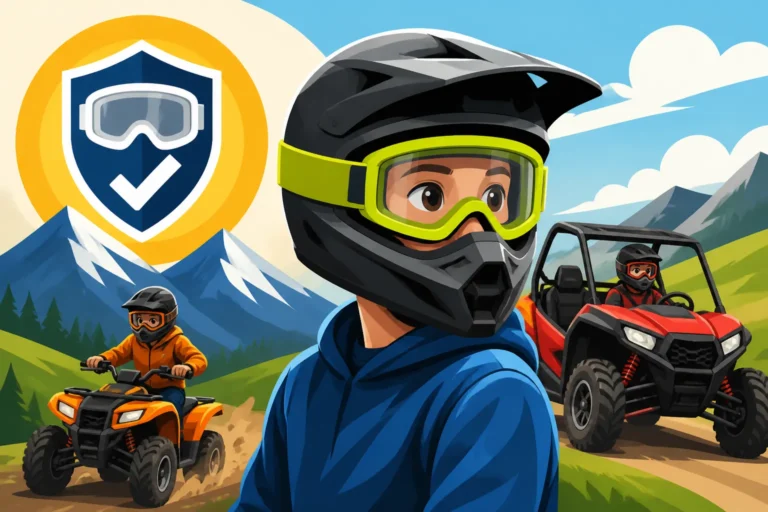
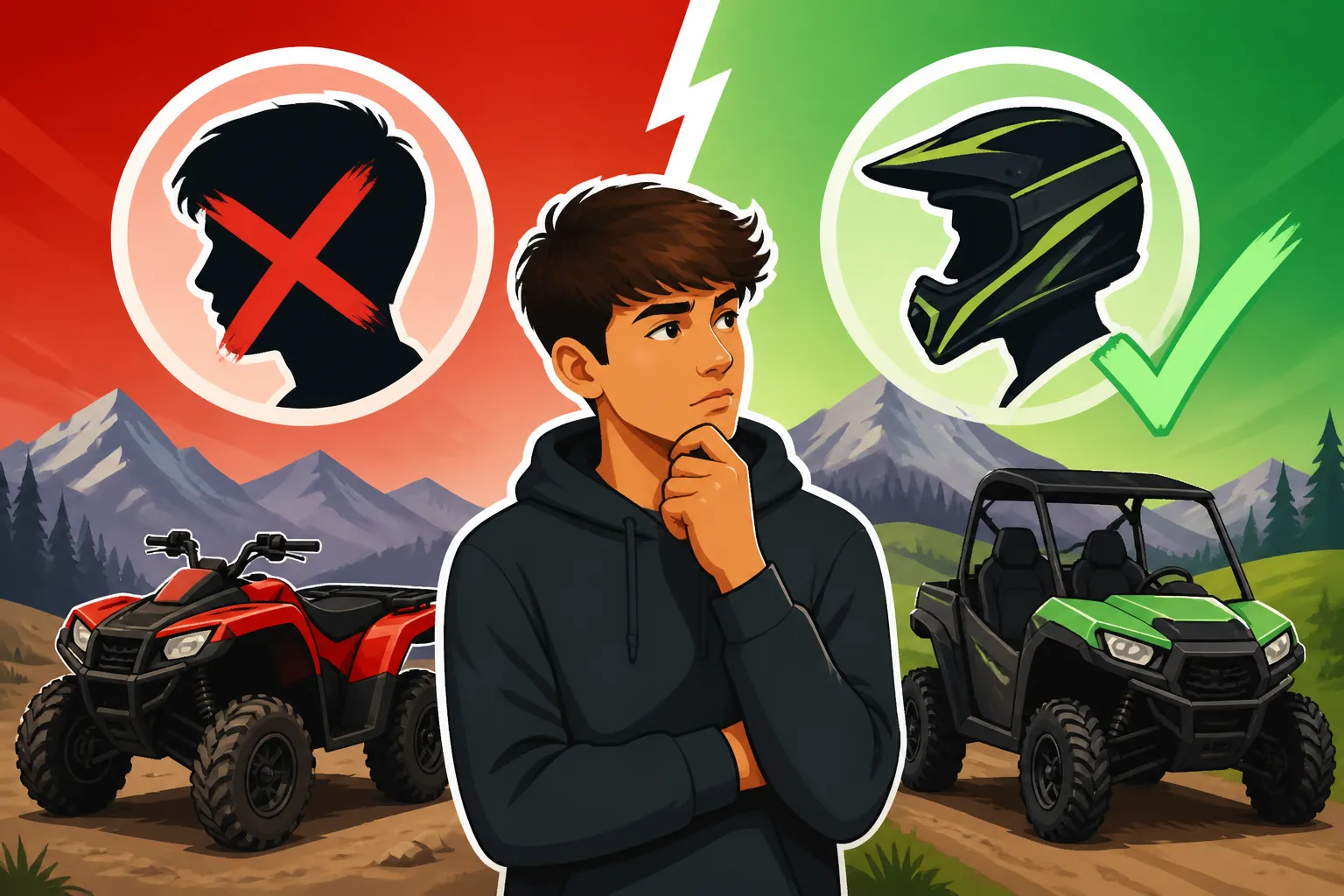
Absolutely, yes. Since the rule applies to anyone "under the age of 18," a 17-year-old falls squarely within this legal requirement. There's no grey area here. A 17-year-old operating an ATV or UTV on a public trail, a designated OHV route, or an open county road in Colorado must wear an approved helmet. This is not negotiable. It doesn't matter if they have years of riding experience, if they're almost 18, or if their friends aren't wearing them. The law is clear: under 18, public land, helmet on. This includes riders who might be very skilled and feel invincible, but even the best riders can encounter unpredictable conditions or be affected by someone else's mistake.
The expectation is that the helmet is a DOT-compliant (Department of Transportation) helmet, meaning it meets specific safety standards for impact protection. Just any old helmet won't cut it. It needs to be designed for motorized vehicle use and display the DOT certification. So, if your 17-year-old is gearing up for a ride near Taylor Park or planning to hit the trails around Grand Mesa, ensure they have a properly fitting, DOT-approved helmet. A good example would be helmets found at a reputable powersports dealer or through companies like SuperATV, which also offers a wide range of accessories to enhance rider safety. This isn't just a legal checkmark; it's a critical piece of life-saving equipment. [Colorado Helmet and Eye Protection: What Is Actually Required] goes into even more detail on the specific requirements.
The Exceptions: Private Land and Agricultural Use
Now, there are some situations where the "under 18 helmet rule" doesn't apply, and it's important to understand these distinctions. The primary exception is when riding on private land. If a 17-year-old is operating an OHV entirely on private property, such as a family ranch, a private hunting lease, or their own large acreage, Colorado law does not mandate helmet use. This doesn't mean it's a good idea to go without one, but legally, it's not required by the state. This exemption is based on the idea that landowners have control over their own property and can set their own safety rules, or choose not to. However, many responsible landowners still require helmets, especially for minors, as a condition of riding on their property.
Another specific exception involves agricultural use. If the OHV is being used exclusively for agricultural purposes on private land, such as checking fences, herding livestock, or transporting tools for farming operations, then the helmet requirement for minors is typically waived. This recognizes the practical realities of using these machines as working vehicles in a ranch or farm setting. However, as soon as that machine leaves the private agricultural land and enters a public road or trail, even for a short distance, the public land rules, including the helmet requirement for riders under 18, immediately come back into play. It's a critical distinction to remember, especially for younger ranch hands who might transition from chore duties to recreational riding. [Ranch and Farm ATV Use in Colorado] discusses these specific exemptions in depth.
Beyond the Helmet: Supervision and Safety Gear for Young Riders
While the helmet is a non-negotiable for 17-year-olds on public lands, it's just one piece of the safety puzzle. Riding an OHV, especially in Colorado's rugged and beautiful terrain, demands a comprehensive approach to safety. This includes proper supervision for younger riders and a full complement of protective gear. Thinking that a helmet alone is enough protection is a dangerous misconception. The trails here can be unpredictable, from loose gravel to sudden drops, and all sorts of unexpected obstacles. Ensuring your young rider is fully prepared goes a long way towards a safe and enjoyable experience.
Immediate Supervision Requirements for Under-16 Riders
It's important to note that while a 17-year-old must wear a helmet on public lands, the state's immediate supervision requirement applies to riders under 16 years of age. A 17-year-old is technically old enough to operate an OHV on public land without an adult within sight, provided they meet all other legal requirements, like having the appropriate safety gear and an OHV registration. However, allowing a 17-year-old to ride alone, especially on challenging trails or in remote areas, might not always be the wisest decision from a safety perspective. [Colorado Supervision Rules for Riders 10 to 16] outlines these specific age-related supervision requirements.
For riders aged 10 to 15, immediate supervision by an adult who is at least 18 years old is mandated when operating an OHV on public lands, roads, or trails. "Immediate supervision" means the adult must be within direct visual contact of the minor and be able to provide aid if needed. This is not about being in the same general area; it's about being right there, actively observing. While a 17-year-old bypasses this legal supervision hurdle, common sense often dictates that they ride with an adult or in a responsible group, especially when exploring unfamiliar or difficult trails like those found on Engineer Pass or Cinnamon Pass. The mountains can be unforgiving, and even experienced adults can benefit from riding with a buddy.
Eye Protection and Other Essential Gear
Colorado's regulations extend beyond just helmets. Eye protection is also legally required for all OHV operators and passengers on public land, regardless of age. This means goggles or a face shield that is integrated into the helmet. Regular sunglasses, while offering UV protection, often aren't enough to protect against flying debris, dust, or branches. Proper eye protection ensures clear vision, which is absolutely critical for navigating trails safely. Imagine a branch whipping back after another rider passes, or a rock being kicked up by a tire – your eyes are incredibly vulnerable.
Beyond helmets and eye protection, encourage your 17-year-old to wear long pants, a long-sleeved shirt, sturdy over-the-ankle boots, and gloves. This attire provides crucial protection against scrapes, cuts, and minor impacts, especially when riding through brush or if they have a minor fall. While these aren't legally mandated, they are universally recommended by safety experts. Think of it as a second layer of skin that can prevent road rash or serious abrasions. Companies like SuperATV offer a range of protective gear and accessories that go beyond the basic legal requirements, recognizing that comprehensive protection is key to a safe ride. Investing in good riding boots or armored gloves can make a huge difference in preventing common injuries.
Choosing the Right Helmet: DOT Standards and Fit
Not all helmets are created equal, and simply having "a helmet" isn't enough to meet Colorado's legal or safety standards. For OHV use, the helmet must be a DOT-compliant helmet. This means it has met the safety standards set by the U.S. Department of Transportation and will have a DOT sticker on the back. These helmets are designed to protect against impact forces that are common in motorized vehicle accidents. Bicycle helmets, construction hard hats, or other non-DOT certified headwear are not acceptable and will not provide adequate protection. It's crucial to check for that sticker.
Equally important is proper fit. A helmet that is too loose can shift around during a crash, reducing its effectiveness, or even come off completely. A helmet that is too tight can be uncomfortable and distracting, which is a safety hazard in itself. When trying on a helmet, it should fit snugly all around your head, with no pressure points. It should not move when you shake your head, and the chin strap should be securely fastened so that only two fingers can fit underneath. Encourage your 17-year-old to try on several helmets to find one that fits perfectly. Many riders find that helmets specifically designed for powersports or motocross offer the best combination of protection, ventilation, and comfort for aggressive trail riding.
Here's a quick summary of helmet and protection requirements:
| Rider Age | Public Land/Roads | Private Land/Ag Use | Required Gear |
|---|---|---|---|
| Under 10 | Helmet & Eye Protection | Helmet & Eye Protection (Rec.) | DOT Helmet, Goggles |
| 10-15 | Helmet & Eye Protection | Helmet & Eye Protection (Rec.) | DOT Helmet, Goggles |
| 16-17 | Helmet & Eye Protection | No State Mandate (Rec.) | DOT Helmet, Goggles |
| 18+ | Eye Protection Only (Rec. Helmet) | No State Mandate (Rec. Helmet) | Goggles (DOT Helmet Rec.) |
Note: "Rec." stands for Recommended. Always follow state law and landowner rules.
The Reality of Riding: Why Safety Goes Beyond the Law
It's easy to get caught up in what the law requires, but responsible OHV riding, especially for young people, means going beyond the minimum legal standards. Colorado's terrain presents unique challenges that even experienced riders must respect. The difference between a minor incident and a serious injury often comes down to preparations and choices made before and during the ride, not just ticking off legal boxes. Instilling a strong safety culture in young riders is far more important than just avoiding a ticket.
The Risks of High-Altitude Colorado Riding
Riding in Colorado's high country is an unparalleled experience, but it comes with distinct challenges. The thin air at altitude can affect both the machine and the rider. Engines may run differently, requiring adjustments or simply having less power, which can be critical on steep climbs or descents. For riders, altitude sickness is a real concern, potentially causing headaches, dizziness, or impaired judgment – all of which are dangerous when operating an OHV. A 17-year-old might feel invincible, but their body still needs time to acclimate. Staying hydrated, taking breaks, and knowing the symptoms of altitude sickness are crucial. [Pre-Purchase Inspection at Altitude] details how altitude can impact machine performance.
The weather in the Colorado mountains is also famously unpredictable. Sunny mornings can quickly turn into afternoon thunderstorms with lightning, hail, and sudden temperature drops. Trails can transform from dry to muddy and slick in minutes. This can significantly increase the risk of a crash. Proper gear, including layers for warmth and rain protection, is essential. Teaching a 17-year-old to assess weather conditions, carry appropriate emergency supplies, and know when to turn back is a vital life skill for mountain recreation. Even the most powerful side-by-side from a brand like SuperATV, equipped with all the best upgrades, cannot overcome poor judgment in a sudden storm.
Peer Pressure and Responsible Riding Choices
For 17-year-olds, peer pressure can be a powerful force. While they might understand the safety rules, the desire to impress friends or avoid being seen as "uncool" can lead to risky behaviors, like riding without a helmet where it's not legally mandated, taking unnecessary risks on challenging terrain, or pushing the machine beyond its limits. It's a natural part of growing up, but it's particularly dangerous in the context of OHV operation. Parents and guardians play a crucial role in fostering an environment where safety is prioritized over bravado.
Encouraging open communication about the pressures they face, setting clear expectations for safe riding, and modeling responsible behavior yourself can make a big difference. Discuss scenarios with them: "What would you do if your friends wanted to try a steep climb that looked too dangerous?" or "How would you respond if someone teased you for wearing all your gear?" Teaching them to make independent, safe choices, even when others aren't, is a long-term investment in their well-being. This might also involve reinforcing that getting a ticket for an unregistered OHV or riding without a helmet for a minor can result in significant fines and impact the whole family's outing. [Penalties for an Unregistered OHV in Colorado] reminds us that violations can be costly.
The Importance of Continuous Safety Education
OHV riding skills aren't learned once; they are developed and refined over time. Even a 17-year-old with several years of riding experience can benefit from continuous safety education. This could include formal OHV safety courses, reviewing instructional materials, or simply having ongoing discussions about advanced riding techniques, trail etiquette, and risk management. While Colorado does not mandate an OHV safety certificate, these courses can significantly enhance a rider's skills and awareness.
Many organizations offer voluntary OHV safety courses that cover topics like proper riding posture, obstacle negotiation, emergency braking, and environmental awareness. These courses often use hands-on training to build confidence and refine skills in a controlled environment. Even if a 17-year-old is legally allowed to ride without supervision, these courses can teach them how to handle unexpected situations, such as a flat tire far from the trailhead, dealing with an [Overheating on a Colorado Climb], or encountering wildlife. Safety education helps transform a casual rider into a truly skilled and responsible one, ensuring they can safely enjoy Colorado's trails for years to come.
What Happens If You Don't Follow the Rules?
Disregarding Colorado's OHV laws, especially those concerning minors and safety, can lead to more than just a stern lecture. There are tangible consequences that can range from financial penalties to a loss of privileges, and even affect your ability to get proper medical care or insurance coverage in the event of an accident. It's not just about avoiding a ticket; it's about understanding the broader implications for everyone involved. Rangers and local law enforcement are out on the trails, and they do check for compliance.
Penalties for a Missing OHV Permit
While this article focuses on helmet requirements, it's rare that an OHV patrol will only check for one thing. If a ranger stops a 17-year-old operating an OHV without a helmet on public land, they are very likely to also check for a valid Colorado OHV registration sticker. Operating an OHV on public land without a current registration is another common violation, and penalties can be significant. The fines for an unregistered OHV can vary, but they are often substantial enough to make anyone wish they had just bought the sticker. [Fines for an Unregistered OHV in Colorado] outlines these costs.
A citation for a missing helmet for a minor can come with its own set of fines, often issued to the supervising adult or, if no adult is present and the minor is operating solo (only legal for a 17-year-old, but still a violation if the helmet is missing), potentially to the minor themselves or the vehicle owner. These fines are designed to be a deterrent and reinforce the importance of safety. Beyond the immediate financial hit, receiving a citation can also create a negative interaction with law enforcement and potentially lead to further scrutiny in the future. It's a small expense and a minor inconvenience to ensure compliance compared to the hassle of dealing with a violation.
Insurance Implications After an Incident
This is where things can get very serious. If a 17-year-old is involved in an accident while operating an OHV without a legally required helmet on public land, it could have significant ramifications for any insurance claims. While [Insuring an ATV in Colorado] is a smart move, insurance policies often have clauses that can reduce or deny coverage if the operator was in violation of local laws or engaged in reckless behavior. If an injury occurs and the injured party was not wearing a legally required helmet, an insurance company might argue that the injury severity could have been mitigated by compliance, thus impacting payouts for medical expenses or liability claims.
Imagine a scenario where a 17-year-old takes a fall on a Forest Service road, sustains a head injury, and wasn't wearing a helmet. If medical bills start piling up, the insurance company for the OHV might look very closely at whether state laws were followed. This could leave the family responsible for a substantial portion of medical costs, which can quickly become astronomical. Furthermore, if the accident involves another party and liability comes into play, a failure to comply with safety regulations can weaken your position significantly. It’s always best to be fully compliant and properly insured to protect yourself and your assets.
The Impact on Trail Access and Community Reputation
Every rider's actions have an impact on the broader OHV community and the future of trail access in Colorado. When individual riders or groups repeatedly disregard safety regulations, it creates a negative perception of OHV users among other public land users, local residents, and land managers. This negative perception can lead to increased restrictions, trail closures, or even outright bans on OHV use in certain areas. Mountain towns often grapple with the balance between tourism and local quality of life, and safety violations can tip that balance.
A pattern of non-compliance, such as minors riding without helmets, excessive noise, or riding off designated trails, fuels arguments against OHV access. Local communities and land management agencies often refer to these incidents when considering new regulations or maintaining existing access. By consistently adhering to safety rules, including helmet use for minors, the OHV community demonstrates responsible stewardship and helps preserve access to Colorado's beautiful trails for everyone. It's about protecting not just individual riders, but the entire sport. [Losing Trail Access After a Colorado Citation] highlights how individual actions can have collective consequences.
Disclaimer
This article is for general informational purposes only and does not constitute professional advice. Laws, prices and regulations vary by location and change over time. Consult a qualified professional for guidance on your specific situation.