A DUI on an OHV in Colorado
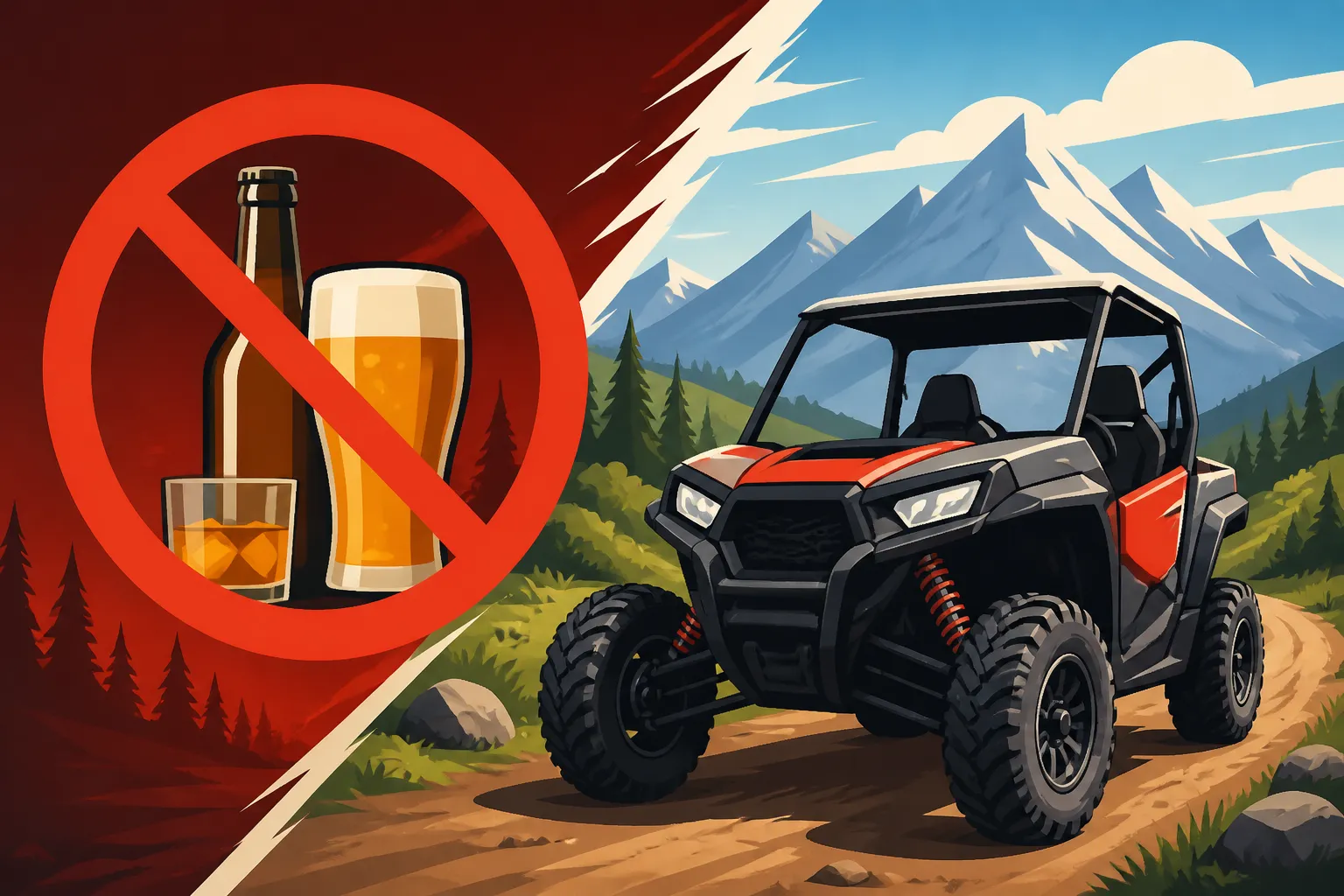
Riding an OHV in Colorado is an incredible experience, offering access to some of the most breathtaking landscapes our state has to offer. But the freedom of the trails or approved county roads comes with serious responsibilities, and one of the most critical is operating your machine sober. Many riders don't realize that a DUI on an ATV or UTV carries the same severe legal consequences as driving a car under the influence, often leading to shattered lives, heavy fines, and even jail time. This guide will meticulously break down Colorado's laws regarding operating an OHV under the influence, the steep penalties you face, and how to safeguard yourself and your riding privileges.
Colorado's Alcohol Limits for OHV Operators
It's a common misconception that because an ATV or UTV isn't a "car" in the traditional sense, or because you're off a paved highway, the rules around alcohol consumption are somehow relaxed. Let me be absolutely clear: that is simply not the case in Colorado. Our state law is quite explicit: operating any motor vehicle, including an off-highway vehicle, while under the influence of alcohol or drugs is illegal. The legal limit for Blood Alcohol Content (BAC) for an OHV operator is the same as for a car driver.
Understanding the Legal BAC Limit
In Colorado, the legal threshold for intoxication is a BAC of 0.08% or higher. If your BAC is at or above this level, you are presumed to be driving under the influence (DUI), regardless of whether you feel impaired or not. This isn't just a guideline; it's a hard legal line. Even if you're just moving your machine a short distance across a campground or from your cabin to a nearby trailhead on a permissible county road, if you're above this limit, you're breaking the law. Imagine the frustration and despair of facing a DUI charge just because you thought a quick hop on your quad after a few beers was harmless. It's a situation no one wants to be in, and it's entirely preventable.
Beyond the 0.08% limit, Colorado also has a Driving While Ability Impaired (DWAI) statute. This applies if your BAC is between 0.05% and 0.08%, or if you are impaired to the slightest degree by alcohol or drugs, even if your BAC is below 0.05%. A DWAI conviction, while less severe than a DUI, still carries significant penalties and will impact your driving record and insurance rates. It’s crucial to understand that even one or two drinks can put you into DWAI territory, particularly at higher altitudes where alcohol can affect you more quickly. Always consider your body's response and err on the side of caution.
Implied Consent and OHV Operation
Colorado's "implied consent" law applies to OHV operators just as it does to drivers of cars and trucks. This means that by operating an OHV on any public land, public road, or even private land that is open to the public (like some designated trail systems), you are legally deemed to have consented to chemical testing (blood, breath, or urine) if a law enforcement officer suspects you are driving under the influence. Refusing to take such a test comes with its own immediate and severe consequences, often leading to an automatic suspension of your driver's license, even if you are ultimately found not guilty of the DUI itself.
This is a critical point that many OHV enthusiasts overlook. You might think that because you're on a remote forest road or a designated trail, a different set of rules applies. However, the authority of the Colorado State Patrol, local sheriff's deputies, and even Colorado Parks and Wildlife (CPW) rangers extends to these areas. They are fully authorized to enforce DUI laws. Understanding that a refusal to comply with a chemical test request can result in an immediate suspension of your driving privileges for any vehicle, not just your OHV, really highlights the seriousness of [Colorado Alcohol Limits for OHV Operators].
Penalties for an OHV DUI in Colorado
The legal consequences of an OHV DUI in Colorado are nothing short of life-altering, mirroring those for a traditional vehicle DUI. These aren't minor infractions; they are criminal charges that can lead to significant financial burdens, loss of freedom, and long-term impacts on your personal and professional life. The system is designed to deter impaired driving, and it does so with a heavy hand.
Financial Burdens and Legal Costs
One of the most immediate impacts of an OHV DUI is the staggering financial cost. You're not just looking at a simple fine; you're facing a cascade of expenses. This includes court fines, which can be substantial, surcharges, mandatory alcohol education and therapy programs, probation fees, and vastly increased insurance premiums for years to come. Then, there are the legal fees associated with hiring an attorney, which can easily run into thousands of dollars, depending on the complexity of your case.
Beyond these direct costs, consider the indirect financial hits. If your driver's license is suspended, you might incur costs for alternative transportation or even lose your job if you can't commute. You might have to pay for an ignition interlock device on your vehicle, a costly addition that adds another layer of financial strain. All told, a single OHV DUI can cost tens of thousands of dollars over several years, a price tag far higher than any pre-ride celebration. It's a heavy price to pay for a lapse in judgment.
Jail Time and License Suspension
The legal system doesn't shy away from imposing jail time for OHV DUIs, especially for repeat offenders or cases involving aggravating factors like accidents or high BAC levels. Even a first offense can carry mandatory jail sentences, or at the very least, significant community service requirements. The thought of spending time in jail, separated from your family and work, is a sobering reality that underscores the severity of this charge.
Perhaps one of the most debilitating consequences for many is the suspension of your driver's license. This isn't just your OHV registration that gets suspended; it's your ability to legally operate any motor vehicle on public roads. For many, this means losing the ability to drive to work, pick up groceries, or even haul their OHV to the trails. The period of suspension can vary, but it's often a minimum of several months, extending to a year or more, especially if you have prior offenses or refused a chemical test. This loss of mobility can cripple daily life and independence. Remember, if you're caught riding your OHV without an appropriate [Colorado OHV Registration Number Format], you could face additional penalties on top of a DUI charge, further complicating your situation.
Here's a simplified look at how penalties generally escalate for DUI convictions in Colorado, though specific figures for fines and jail time vary by individual circumstances and current laws.
| Offense Number | Minimum Jail Time (Potential) | Minimum Fines (Potential) | License Suspension | Alcohol Education/Therapy | Other Consequences |
|---|---|---|---|---|---|
| 1st Offense | Days to Weeks | Substantial | Up to 9 months | Mandatory | Probation, community service, ignition interlock |
| 2nd Offense | Weeks to Months | Significantly Higher | Up to 1 year | Mandatory, extended | Lengthier probation, extensive community service, ignition interlock |
| 3rd+ Offense | Months to Years | Very High | Up to 2 years | Mandatory, intensive | Felony charges possible, strict probation, ignition interlock |
Note: These are general descriptions. Actual penalties depend on specific circumstances, BAC levels, and judicial discretion. Consult a legal professional for accurate current information.
Long-Term Repercussions
An OHV DUI conviction leaves a lasting mark on your record. It's a criminal conviction that will appear on background checks, potentially impacting future employment opportunities, housing applications, and even your ability to travel internationally. Many professional licenses can be jeopardized, and if you hold a commercial driver's license (CDL), a DUI conviction can effectively end your career.
Beyond these tangible impacts, there's the emotional and social toll. The embarrassment, guilt, and stress associated with a DUI can be immense, affecting relationships with family and friends. It can also lead to increased insurance rates for years, not just for your OHV but for all your vehicles. Even if you're riding in a popular OHV destination like Lake City or Taylor Park, thinking you're far from traditional law enforcement, the reality is that [Colorado Sheriff Patrols on OHV Routes] are active and vigilant, enforcing these laws for everyone's safety.
Preventing an OHV DUI
Preventing an OHV DUI is entirely within your control and boils down to making responsible choices before you even start your engine. The beautiful trails and scenic routes of Colorado are best enjoyed with a clear head, ensuring not only your safety but the safety of everyone else around you. It's about proactive planning and prioritizing responsibility over impulse.
Designate a Sober Operator
The simplest and most effective way to avoid an OHV DUI is to separate drinking from driving, period. If you plan to consume any alcohol or substances, make sure you have a designated sober operator who will be responsible for driving your OHV. This isn't just about avoiding legal trouble; it's about ensuring everyone in your group gets back safely. Whether you're at a remote campsite or enjoying an evening in an OHV-friendly town like Lake City, having a plan for who will operate the machine is paramount.
This designated operator should abstain from alcohol entirely, not just "have less." Even a small amount of alcohol can impair judgment and reaction time, especially on challenging terrain or busy trails. Just as you would for a car trip, make this decision clear before any alcohol is consumed. Consider it a non-negotiable part of your ride plan, much like ensuring you have enough fuel or the right safety gear. This is particularly vital in situations where you might be riding on designated [Colorado County Roads Open to OHVs] where you could encounter other vehicles or pedestrians.
Stay Sober While Riding
The best practice, frankly, is to simply not consume alcohol when you know you'll be operating an OHV. Save the celebrations for after the ride, when your machine is parked, keys are out of the ignition, and you're settled in for the evening. Many riders find that the thrill of the ride itself, the stunning views, and the camaraderie with fellow enthusiasts are more than enough to enhance their experience without alcohol.
It's tempting to think that "just one beer" won't hurt, especially if you're out in the wilderness. However, even small amounts of alcohol can dull your senses, impair your balance, and slow your reaction time – all critical faculties needed to safely navigate Colorado's often rugged and unpredictable terrain. The consequences of impaired riding, beyond legal penalties, can include serious accidents and injuries for yourself and your passengers. Consider the quality aftermarket accessories from brands like SuperATV that can enhance your OHV's safety and performance, ensuring you have the best possible machine under you when you're sober and focused on the trail ahead. A well-equipped machine, combined with a clear head, leads to safer and more enjoyable adventures.
Plan Ahead and Understand the Rules
Before embarking on any ride, particularly if it involves areas where OHVs are permitted on roads or near communities, know the local rules. Some towns in Colorado have specific ordinances regarding OHV access and hours of operation, and these are often strictly enforced. For example, while Ouray allows OHVs on some streets, [Silverton's Ban on OHVs in Town] means you need to be very aware of where you can and cannot ride. Understanding these nuances helps avoid unintentional infractions that could lead to a law enforcement interaction.
Always plan your route and consider whether alcohol will be part of your trip. If so, establish clear boundaries beforehand. Will you ride to your campsite, park the OHV, and then enjoy a drink? Or will you choose a day of riding without any alcohol? Having these discussions and making these decisions in advance can prevent unfortunate incidents. Being prepared extends to having your [Colorado OHV Registration Renewal Online] current and ensuring all your safety equipment, like helmets and appropriate riding gear, is ready. Good planning is the foundation of a safe and responsible OHV experience.
What to Do If You're Stopped for a Suspected OHV DUI
Encountering law enforcement while operating your OHV can be unsettling, especially if you suspect they might be looking for signs of impairment. Knowing how to react calmly and responsibly can significantly impact the outcome of the situation. Your rights and your conduct are crucial during these interactions.
Stay Calm and Cooperate (Within Limits)
If a law enforcement officer, be it a sheriff's deputy, state patrol, or CPW ranger, signals you to stop, pull over immediately and safely. Turn off your engine and keep your hands visible, preferably on the handlebars or steering wheel. Remaining calm and polite, even if you're feeling anxious, is always the best approach. Avoid any sudden movements or argumentative behavior, as this can escalate the situation unnecessarily.
You should provide your identification, vehicle registration, and proof of insurance when requested. Remember, just as with a car, carrying your [Keeping the Registration Card on the Machine] is important. While it's advisable to cooperate with reasonable requests, be mindful of your rights. You are not required to answer questions that might incriminate you. You can politely state, "I prefer not to answer any questions without my attorney present." This is your legal right and should be respected.
Understanding Field Sobriety Tests and Chemical Tests
The officer may ask you to perform Standardized Field Sobriety Tests (SFSTs). These typically include the Horizontal Gaze Nystagmus (HGN), Walk-and-Turn, and One-Leg Stand tests. While you are generally not legally required to perform these roadside tests in Colorado, refusing them can sometimes be used by the prosecution to suggest guilt. It's a complex area, and the decision to perform them is a personal one, often best made with legal counsel in mind. However, for an OHV, these tests can be even more challenging due to the terrain, your footwear, and other factors, potentially making them less reliable.
However, as mentioned earlier, Colorado's implied consent law means you are legally deemed to have consented to a chemical test (blood or breath) if you're arrested on suspicion of DUI. Refusing a chemical test after arrest carries significant penalties, including an automatic, lengthy suspension of your driver's license, even if you are ultimately found not guilty of the DUI charge. This is a critical distinction: you can often refuse SFSTs without direct penalty, but refusing a post-arrest chemical test carries its own separate, severe consequences. It's a tough spot to be in, but understanding these rules, especially [Colorado Alcohol Limit on an OHV], is vital.
Contacting an Attorney
If you are arrested on suspicion of an OHV DUI, the most important step you can take is to contact an attorney as soon as possible. A lawyer specializing in DUI defense can explain your rights, guide you through the complex legal process, and help you navigate the charges. They can challenge evidence, negotiate with prosecutors, and represent you in court. The legal system for DUI cases is intricate, and having experienced representation can make a significant difference in the outcome of your case.
An attorney can also help you understand the specific implications for your driver's license and OHV privileges, and whether you can apply for a restricted license during your suspension period. Whether you're dealing with [Penalties for an Unregistered OHV in Colorado] or a full-blown DUI charge, an attorney's guidance is invaluable. Do not try to navigate these waters alone; the stakes are too high.
Disclaimer
This article is for general informational purposes only and does not constitute professional advice. Laws, prices and regulations vary by location and change over time. Consult a qualified professional for guidance on your specific situation.