Dust Control on a Gravel County Road
If you've spent any time at all exploring Colorado's stunning backcountry on your ATV or UTV, you know the struggle: those beautiful gravel county roads can kick up a lot of dust. It's not just an annoyance; it can seriously impact your visibility, your health, the lifespan of your machine, and even how your neighbors feel about OHV access. This guide will dive deep into why dust is such a persistent problem and, more importantly, what you can do about it, both as a responsible rider and as an informed community member.
Why Dust Is a Persistent Problem on Colorado's Gravel Roads
Ah, the open road – or, in our case, the open gravel county road. There’s nothing quite like the freedom of exploring Colorado’s scenic routes, but let’s be honest, that freedom often comes with a cloud of dust that can really put a damper on the experience. It’s not just about getting dirty; the dust on these unpaved roads presents a multifaceted challenge for OHV enthusiasts, local residents, and even the environment.
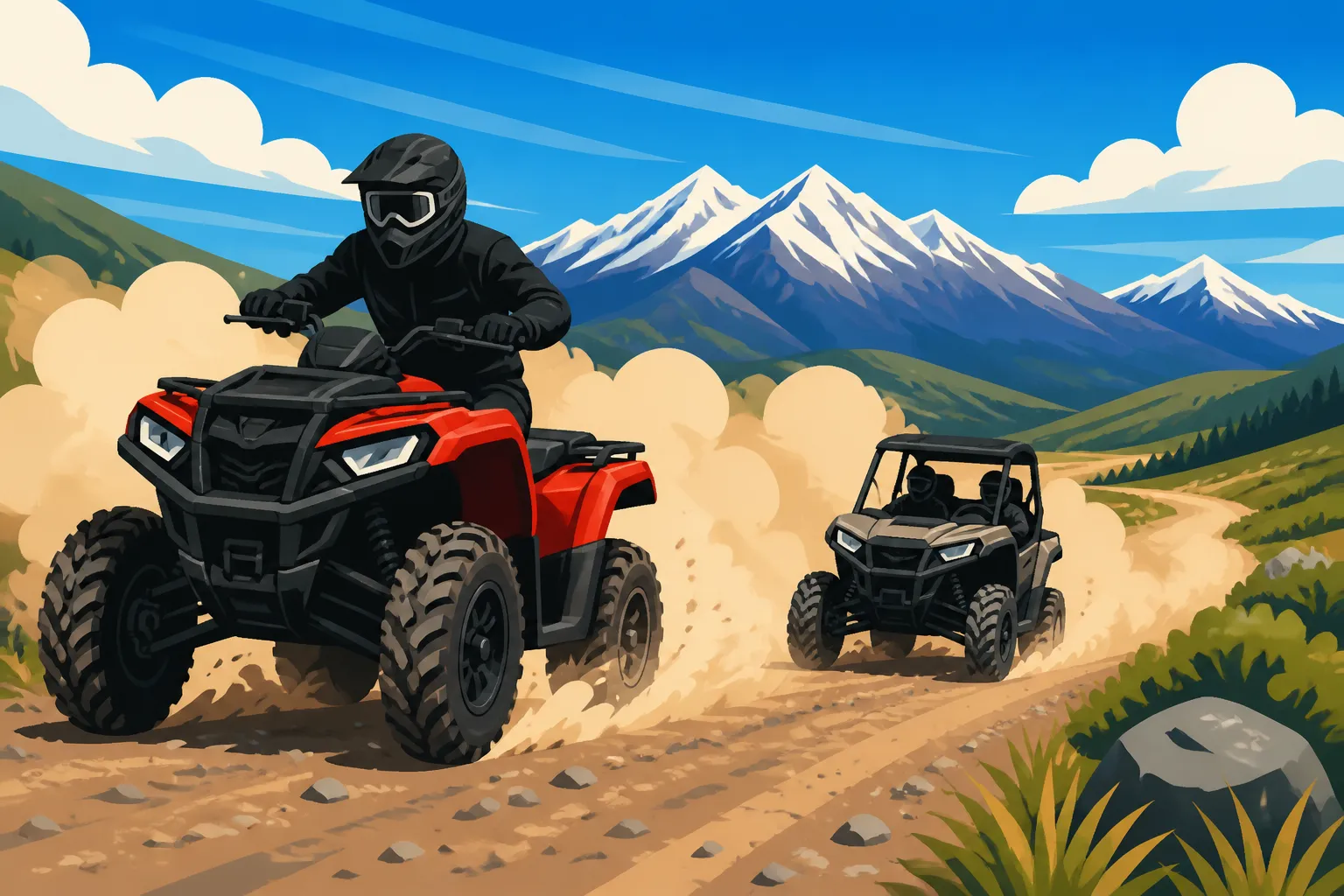
First off, let’s talk about safety. When you’re riding in a group, or even encountering another vehicle, that plume of dust can drastically reduce visibility. It’s like driving into a thick fog, but with the added concern of uneven terrain, blind corners, and perhaps an oncoming vehicle you can’t quite see. This isn't just a minor inconvenience; it's a genuine hazard that can lead to accidents. Imagine a beautiful, winding road leading to a breathtaking overlook, now picture trying to navigate it through a choking cloud. It's stressful, it's dangerous, and it takes all the joy out of the ride. We've all been there, squinting through a cloud, hoping the road doesn't take an unexpected turn or that deer doesn't decide to cross right in front of us. This is especially true on roads where [Speed Limits for OHVs on Colorado County Roads] might already be challenging to adhere to due to conditions.
Beyond immediate safety, dust can wreak havoc on your machine. Fine particulate matter from gravel roads is incredibly abrasive. It gets everywhere: into your engine's air filter, wearing down components; into bearings and bushings, accelerating their demise; and coating every surface, making cleanup a monumental task. A clogged air filter, for instance, chokes your engine, reducing performance and potentially leading to more significant, costly repairs down the line. Keeping your machine running smoothly in dusty conditions means more frequent maintenance, more filter changes, and more diligent cleaning, which all adds up in time and money. It can feel like a constant battle to keep your ATV or UTV in top shape when you’re constantly exposed to these gritty conditions.
Then there's the environmental impact. While we might focus on our immediate surroundings, the cumulative effect of dust on Colorado’s delicate ecosystems is also a concern. Dust settles on vegetation, impairing photosynthesis and altering plant communities. It can also drift into streams and rivers, affecting water quality and aquatic life. While one OHV might not seem like much, the sheer volume of riders on popular routes means that dust generation is a significant contributor to local environmental changes. It’s a subtle but important factor when we consider our footprint on the stunning landscapes we love to explore.
Finally, and perhaps most critically for continued trail access, is the impact on nearby residents. Picture a quiet mountain home, enjoying the clean Colorado air, only to have it repeatedly filled with dust from passing OHVs. Dust coats homes, cars, gardens, and lungs. It’s a major source of conflict between riders and property owners, and one of the biggest drivers behind calls for stricter regulations or even outright bans on OHV access on certain county roads. When we talk about [Riding Slowly Past Homes on a Route], it’s not just about noise, it’s very much about dust. Maintaining good relationships with local communities is vital for preserving our riding privileges, and dust control plays a huge part in that.
Factors Contributing to Dust Generation on Gravel Roads
Understanding why our beloved Colorado gravel roads are so dusty is the first step toward finding solutions. It’s not just one thing; it's a perfect storm of environmental conditions, road characteristics, and how we interact with them. Let’s break down the main culprits.
The Role of Road Materials and Maintenance
The type of material used to construct and maintain a gravel road is probably the biggest factor in how much dust it generates. Many of Colorado's county roads are built using readily available local aggregate – essentially, crushed rock, sand, and fine soil. The key here is the "fines" – the tiny, silt and clay-sized particles that bind the larger aggregate together when the road is moist. When these roads are dry, these fines are easily disturbed and become airborne, forming that familiar dust cloud. Roads with a higher percentage of these fine particles tend to be dustier. Imagine a road made mostly of loose, chunky gravel; it might be bumpy, but it won't produce the same dense cloud as one with a lot of pulverized material.
Furthermore, how the road is maintained plays a massive role. Regular grading might smooth out washboards and potholes, but if done improperly or too frequently in dry conditions, it can actually exacerbate dust by pulverizing existing aggregate and bringing more fines to the surface. Poor drainage can also contribute; if water sits and then evaporates, it leaves behind fine sediments that turn into dust. Colorado's freeze-thaw cycles also break down road surfaces over time, creating more fine particles as the larger rocks fracture and degrade. It's a constant battle for county road crews, especially in areas with heavy traffic.
Weather Conditions and Traffic Volume
Colorado’s weather is breathtaking, but it’s also a major player in the dust game. Our arid climate, especially during the peak riding season from late spring through early fall, means long stretches without rain. Without moisture to bind those fine particles together, they are just waiting to be kicked up. High winds, common in many parts of the state, also contribute by lifting dust off the road surface and carrying it further, sometimes for miles. A dry, windy day on a heavily trafficked gravel road is a recipe for a dust storm.
Speaking of traffic, the sheer volume and type of vehicles using these roads have a huge impact. Every tire that rolls over a dry gravel surface displaces and lifts those fine particles. When a large number of OHVs, trucks, cars, and even agricultural vehicles use the same road, the dust generation compounds quickly. The higher the speed, the greater the air disturbance and the more dust is generated. This is why on busy weekends, even roads that might normally be tolerable can become unbearable dust bowls. [Colorado Noise Rules in Mountain Towns] often go hand-in-hand with concerns about dust, as both are amplified by increased traffic.
Effective Strategies for Riders to Minimize Dust
While some dust is inevitable on gravel roads, there’s a lot we can do as riders to reduce our personal contribution to the problem and make the experience more enjoyable for everyone. Being a responsible rider isn't just about staying on designated trails; it's also about minimizing your impact, and dust control is a big part of that.
Adjusting Riding Habits and Speed
The easiest and most immediate way to cut down on dust is to adjust your riding style. Simply put, slow down. Speed is directly proportional to dust generation. The faster you go, the more air you displace, and the more aggressively your tires churn up the road surface, lifting those fine particles into the air. By reducing your speed, especially when approaching homes, other vehicles, or trailheads, you significantly lessen the dust cloud behind you. It also gives you more time to react to unexpected hazards, which is a definite plus.
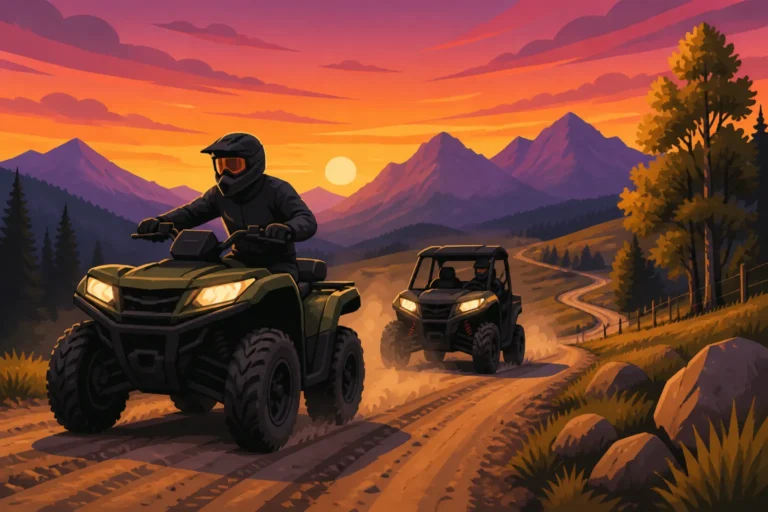
Another crucial habit is maintaining proper following distances, especially when riding in a group. Don't "draft" the rider in front of you. Give them plenty of space – often much more than you think you need – so that their dust cloud has a chance to dissipate before you ride into it. This isn't just polite; it's a huge safety measure, improving your visibility and reducing your intake of dust. Think of it as a rolling "no-dust zone" that you help create for your fellow riders. It also helps prevent that suffocating feeling of being trapped in someone else’s rooster tail for miles. This is good practice for any road, but especially for [Colorado County Roads Open to OHVs].
Machine Modifications and Gear for Dust Mitigation
Beyond riding habits, there are several practical modifications and gear choices that can make a big difference in your personal dust experience.
Windshields and Cab Enclosures: For UTV riders, a full windshield is your first line of defense against incoming dust. Even better, consider a full cab enclosure. This creates a much more controlled environment inside your machine, significantly reducing the amount of dust that gets into your eyes, nose, and mouth. Many aftermarket companies, like SuperATV, offer a wide range of windshields, roofs, and full enclosures designed to fit various UTV models, specifically to combat the elements, including dust. While they might not stop all the dust, they make a massive difference in rider comfort and visibility.
Air Filters and Pre-Filters: Your engine needs to breathe, but you don't want it breathing in all that grit. Upgrading to a high-quality aftermarket air filter that offers superior filtration can protect your engine much better than a standard factory filter. Even better, consider adding a pre-filter system. These are designed to catch larger dust and debris particles before they even reach your main air filter, extending its life and ensuring your engine gets cleaner air. Regular inspection and cleaning or replacement of your air filter is critical, especially after a dusty ride. This isn't just about comfort; it's about protecting your investment.
Dust Masks and Goggles: For open-air machines like ATVs, or even in UTVs where dust can still sneak in, personal protective gear is essential. A good quality dust mask or neck gaiter can prevent you from inhaling excessive amounts of fine particulate matter, which can irritate your respiratory system. Coupled with properly sealed goggles, you can protect your eyes from irritation, ensuring clear vision and a more pleasant ride. SuperATV, for example, might not make masks directly, but they support the culture of gearing up properly for off-road adventures. Don't underestimate the impact of prolonged dust exposure on your lungs and eyes; protecting them will make your ride much more enjoyable and healthier in the long run.
Washing Your Machine: While this doesn't prevent dust during the ride, keeping your machine clean is part of responsible riding. Regular washing removes accumulated dust and grime, preventing it from hardening and becoming harder to remove later. It also helps you spot any dust-related wear or damage more easily.
Community-Level Dust Control and OHV Impact
Dust control on Colorado's extensive network of gravel county roads isn't solely the responsibility of individual riders. Local governments, particularly county road and bridge departments, play a significant role in managing dust, and their efforts directly impact the OHV community. Understanding these larger-scale methods and their implications can help us appreciate the challenges and also advocate for effective solutions.
Common County-Administered Dust Suppression Methods
Counties employ various techniques to keep dust at bay, especially on more populated or heavily trafficked gravel roads.
Watering: The simplest and most immediate method is regular watering of the road surface. By introducing moisture, the fine particles bind together, reducing their tendency to become airborne. This is often done with water trucks, especially during dry spells. However, watering is a temporary solution. In Colorado’s arid climate, water evaporates quickly, especially on hot, sunny days or with heavy traffic. It’s also resource-intensive, requiring a lot of water and dedicated personnel, which can be costly and unsustainable for long stretches of road. While effective in the short term, it needs constant reapplication.
Chemical Stabilizers: For longer-lasting results, many counties turn to chemical dust suppressants. The most common of these is calcium chloride or magnesium chloride. These salts are hygroscopic, meaning they attract and retain moisture from the air and the roadbed. When applied, they keep the road surface slightly damp, binding the fine particles together and creating a more stable, dust-free surface. These treatments can last for weeks or even months, depending on traffic and weather, making them much more efficient than watering. They’re often applied in areas near residential zones or on heavily used recreational routes. While effective, there are environmental considerations regarding runoff into waterways, and repeated applications are still necessary. Some private homeowners even apply these to their driveways or private access roads to avoid dust from their own [Riding Only on Your Own Colorado Land].
Gravel and Aggregate Management: A more long-term strategy involves improving the road material itself. This can mean adding specific types of aggregate with fewer fines, or incorporating stabilizing agents directly into the roadbed during construction or major rehabilitation. Proper compaction during road construction or repair is also vital, as a well-compacted road is less prone to unraveling and dust generation. This is a capital-intensive approach but yields the most durable results.
Balancing Access, Environment, and Community Concerns
The decisions counties make about dust control are complex, often involving a delicate balance between providing recreational access for OHVs, protecting the environment, and addressing the concerns of local residents.
For instance, while chemical suppressants are effective, their use might be restricted near sensitive ecosystems or water sources. The cost of materials, equipment, and labor for extensive dust control can also be prohibitive for many counties, especially those with vast road networks and limited budgets. This often means that dust control efforts are prioritized on roads with the highest traffic or closest proximity to homes. [Colorado County Roads Open to OHVs] might get more attention than others simply due to public pressure.
The OHV community plays a crucial role in this balancing act. By demonstrating responsible riding habits—like reducing speed and giving other users space—we can mitigate our impact and reduce the urgency for stricter regulations that might limit access. Engaging with local county commissioners, road departments, and community groups can also be beneficial. Advocating for funding for dust control measures or supporting initiatives that promote responsible riding shows a commitment to being part of the solution rather than just part of the problem. Your actions on the trail, like adhering to [Colorado Fines for Illegal Road Riding] or simply demonstrating good trail etiquette, contribute to the overall perception of OHV riders.
Ultimately, effective dust control is a shared responsibility. As riders, we can take personal steps to reduce our dust signature and protect our machines and ourselves. As a community, we can advocate for sustainable and effective solutions from our local governments, ensuring that Colorado's beautiful gravel roads remain accessible and enjoyable for everyone, without turning every ride into a dusty ordeal.
| Dust Control Method | Primary Responsibility | Pros | Cons | OHV Rider Impact |
|---|---|---|---|---|
| Reduced Speed | Individual Rider | Immediate, free, improved safety | Requires conscious effort, slower travel | Direct, positive |
| Increased Following Distance | Individual Rider | Immediate, free, improved visibility | Requires discipline, spreads out group rides | Direct, positive |
| Windshields/Enclosures | Individual Rider | Significant personal dust reduction | Cost, maintenance, reduced open-air feel | Direct, positive |
| Improved Air Filtration | Individual Rider | Engine protection, better performance | Cost, regular maintenance/replacement | Direct, positive |
| Dust Masks/Goggles | Individual Rider | Personal health & comfort | Can be uncomfortable, requires consistent use | Direct, positive |
| Watering | County/Local Gov. | Immediate, temporary relief | Short-lived, high resource use, expensive | Temporary relief |
| Chemical Stabilizers | County/Local Gov. | Long-lasting (weeks-months), effective | Cost, environmental concerns (runoff), recurring | Significant relief |
| Road Material Mgmt. | County/Local Gov. | Long-term, durable improvement | High capital cost, slow implementation | Long-term relief |
Disclaimer
This article is for general informational purposes only and does not constitute professional advice. Laws, prices and regulations vary by location and change over time. Consult a qualified professional for guidance on your specific situation.