Colorado Supervision Rules on a County Road
One of the biggest anxieties for families who love hitting the Colorado trails on their ATVs and UTVs is knowing exactly where and how their younger riders can participate, especially when it comes to county roads. It’s a minefield of conflicting information, local ordinances that seem to change town by town, and the ever-present fear of getting it wrong and facing a hefty fine or, worse, putting someone at risk. This guide is here to untangle those confusing Colorado supervision rules, helping you understand precisely who can ride where, and under what conditions, when you’re on a county road with your kids.
Understanding Colorado's OHV Age and Supervision Laws on County Roads
Navigating the rules for off-highway vehicles (OHVs) in Colorado, especially when you have younger riders in your family, can feel like trying to solve a Rubik's Cube blindfolded. Many of us just want to enjoy the incredible scenery and make memories, but the legalities, particularly on county roads, are often a source of confusion. The state has specific regulations designed to keep everyone safe, and understanding them is key to a smooth, citation-free ride.
The Core Age Restrictions for Public Road Use
When we talk about public roads in Colorado, it's crucial to distinguish between a general state highway and a county road that might be explicitly opened for OHV use. The baseline rule is that to operate a motor vehicle on any public road, you generally need a valid driver's license, which typically means you must be at least 16 years old. This is the standard expectation for cars, trucks, and even street-legal motorcycles.
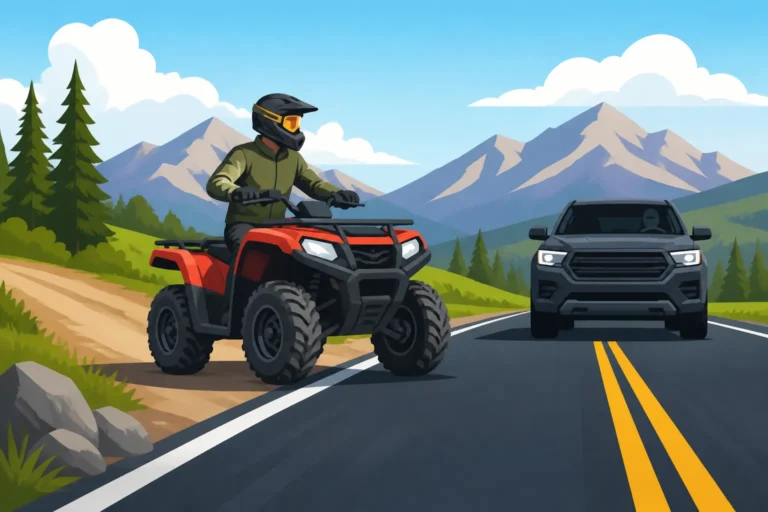
However, Colorado has carved out specific exceptions for OHVs on designated county roads. These are roads where local jurisdictions, like county commissioners or town councils, have passed ordinances to allow OHV travel. It’s not a blanket permission; you can’t just assume every gravel road is fair game. For an OHV to legally travel on such a road, it needs to be clearly marked as an OHV route, and there are often conditions attached, including age and supervision requirements for younger operators. This exception is designed to connect trails, allow access to trailheads, or provide scenic loops through mountain towns, but it comes with its own set of responsibilities.
What "Immediate Supervision" Really Means in Colorado
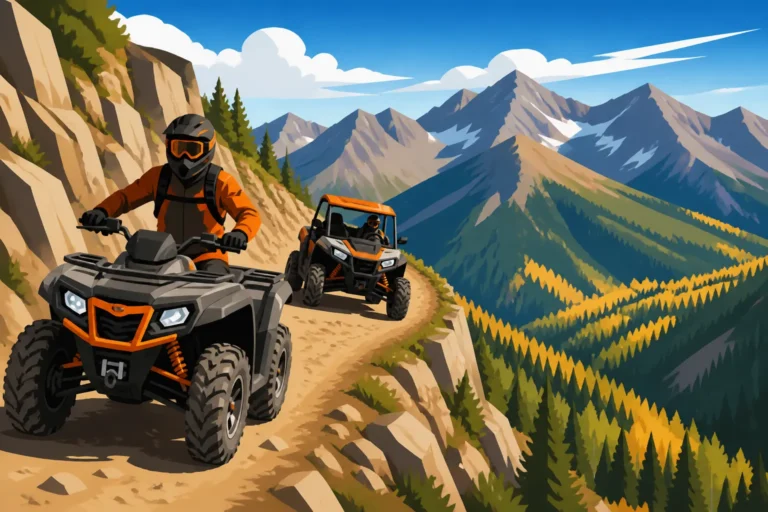
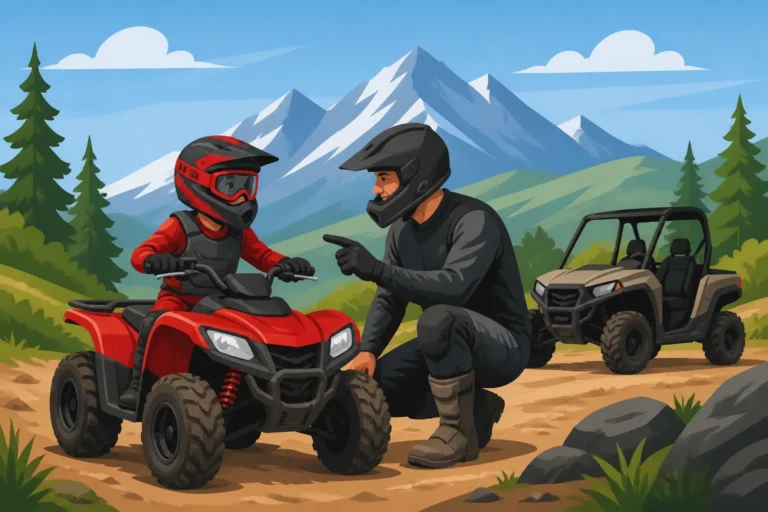
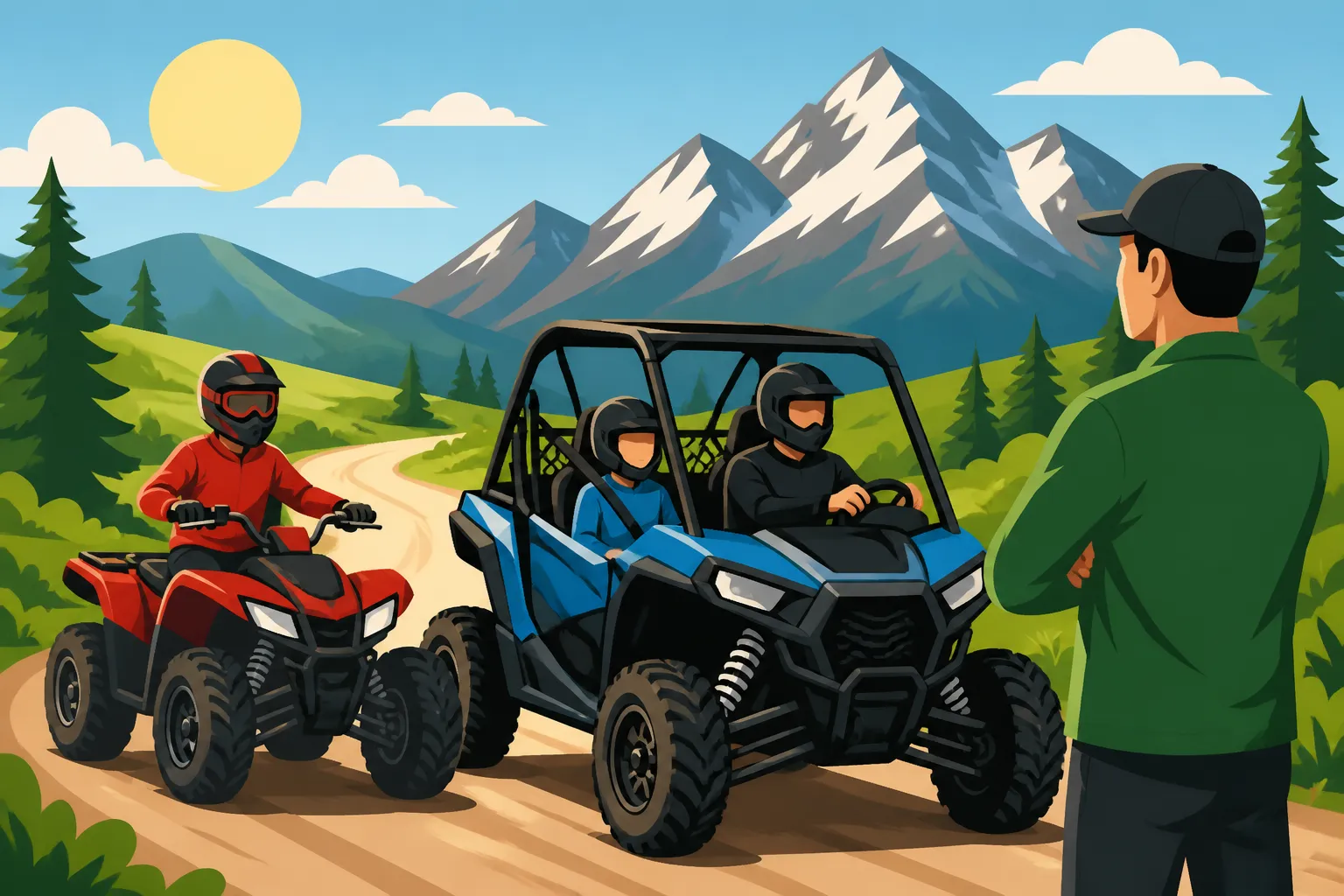
For riders between the ages of 10 and 16, Colorado law allows them to operate an OHV on designated county roads, but only under "immediate supervision." This isn’t a vague suggestion; it’s a legal requirement with a clear definition. Immediate supervision means the supervising adult must be within direct line of sight of the younger rider. Think of it this way: if you can’t see them, or if there’s a bend in the road where you momentarily lose sight, you’re not providing immediate supervision.
Furthermore, the supervising adult must be close enough to physically intervene if something goes wrong. This usually means riding either directly behind or directly alongside the younger rider. It’s not enough to be in another vehicle further down the road or on a separate machine a mile back. The intent is to ensure that the adult can quickly assess and respond to any hazard, accident, or rule violation. Communication is also vital; being able to speak to your child, whether through hand signals or communication devices, adds another layer of safety and supervision. This is where a good set of intercoms or a clear line of sight, perhaps aided by well-positioned mirrors or a whip flag, becomes incredibly helpful, especially when you're navigating dusty conditions or trails with some elevation changes. You can read more about these specific requirements in [Colorado Supervision Rules for Riders 10 to 16].
Who Qualifies as a Supervising Adult?
The person providing this "immediate supervision" also needs to meet certain criteria. They must be at least 18 years old and, critically, possess a valid driver's license. This isn't just a suggestion; it's a legal cornerstone of the supervision requirement. The rationale is straightforward: if an adult is supervising the operation of an OHV on a public road, even a designated one, they should themselves be legally capable of operating a motor vehicle on public roads.
Beyond age and licensure, the supervising adult must not be impaired in any way. This means no alcohol or drugs that would affect their judgment or reaction time. The legal liability for ensuring the safety and compliance of the younger rider falls squarely on the shoulders of the supervising adult. If a younger rider under supervision receives a citation or is involved in an accident, the supervising adult can face legal consequences, including fines or other penalties. It’s a significant responsibility, and one that requires the adult to be fully engaged and vigilant throughout the ride.
Practical Scenarios and Common Questions for Families
When you're planning a family outing with ATVs or UTVs, particularly in a state as popular for off-roading as Colorado, you inevitably run into specific questions about who can ride where. The laws are there to protect everyone, but applying them to real-life situations can sometimes feel like trying to fit a square peg in a round hole. Let's break down some common family riding scenarios.
Can a 12-Year-Old Ride a Colorado County Road with Parental Supervision?
This is perhaps one of the most frequently asked questions by families. The good news is, yes, a 12-year-old can ride an OHV on a designated Colorado county road, but it absolutely must be under strict parental or adult supervision, as defined by the "immediate supervision" rules we just discussed. This permission is not universal across all public roads in Colorado; it applies specifically to county roads that have been officially opened for OHV use through local ordinances. These are often scenic byways, access roads to trail systems, or routes connecting small mountain towns.
The emphasis here is on "designated." You can't just pick any county gravel road and assume it's okay. You need to check official maps, like Motor Vehicle Use Maps (MVUMs) provided by the Forest Service or BLM, or look up county-specific ordinances. These resources will explicitly show which roads are open to OHVs. Moreover, the machine itself must be appropriate for the child's age and size. Colorado has rules about engine size and machine type for youth riders. For instance, a 12-year-old would typically be allowed on machines with larger engine displacements than a 6-year-old, but still within certain limits. Make sure to check [Youth Machine Engine Sizes Colorado Families Choose] to ensure your child's machine complies.
Navigating Different Types of Roads and Age Rules
Colorado has a diverse network of roads, and the rules for OHVs, especially for young riders, can differ dramatically between them. It’s not a one-size-fits-all situation:
- State Highways (e.g., US 550, CO 149): Generally speaking, OHVs are not allowed on state highways in Colorado, regardless of age or supervision. There are very few, highly specific exceptions (like a short segment of Highway 149 near Lake City, which is well-signed) for connecting trail sections, but these are rare. Do not plan on riding your OHV, with or without a child, on a state highway unless it's explicitly designated and signed.
- Forest Service and BLM Roads: Many of these roads, particularly in national forests and on BLM land, are open to OHVs and are often considered part of the broader trail system. For younger riders (10-16 years old), the immediate supervision rule usually applies here as well, provided the road is part of a designated OHV route. These are often where families spend most of their riding time. You'll find a wealth of information on [Colorado County Roads Open to OHVs].
- County Roads: As mentioned, these are the trickiest. Some counties and towns have embraced OHV tourism and have opened numerous roads, while others have strict bans. For instance, towns like Silverton have specific areas where OHVs are restricted or banned entirely, while Lake City is very OHV-friendly. It’s vital to check the local ordinances for the specific county or town you plan to visit. The supervision rules (10-16 with immediate supervision, 16+ with a license) are generally consistent on these designated roads, but the availability of such roads varies immensely.
Ultimately, your homework is key. Never assume. Always look up the local rules, check official maps, and ensure that both your machine and your rider meet the age, supervision, and safety requirements.
Essential Gear and Safety Considerations for Young Riders
Safety should always be your top priority, especially when riding with children. The rules are there for a reason, but common sense and good judgment go a long way. Beyond legal requirements, equipping your young rider properly and ensuring their machine is in top condition is paramount.
First and foremost, helmets are not optional for anyone under 18 operating or riding as a passenger on an OHV in Colorado. Even for adults, they are highly, highly recommended. A DOT-approved helmet designed for powersports is a non-negotiable item. Coupled with that, eye protection is crucial to shield eyes from dust, debris, and UV rays. Goggles are far superior to sunglasses for this purpose. You can delve into more detail about these requirements in [Colorado Helmet and Eye Protection: What Is Actually Required].
Beyond the helmet and goggles, appropriate riding gear makes a huge difference. Long pants, long-sleeved shirts, over-the-ankle boots, and gloves provide protection from scrapes, branches, and the sun. Layers are always a good idea in Colorado’s mountains, as weather can change rapidly. For the machine itself, regular maintenance is vital. Check tires, brakes, lights, and fluids before every ride. Ensure the machine is properly sized for your child – an ATV that’s too large or powerful for their skill level is an accident waiting to happen. Companies like SuperATV offer a range of aftermarket parts, from protective cages and durable windshields to enhanced suspension components, which can all contribute to a safer riding experience for the whole family, especially on challenging terrain where extra protection or better handling can prevent mishaps. It's about providing the best possible environment for them to learn and enjoy the sport responsibly.
Avoiding Pitfalls and Ensuring a Safe Family Ride
Taking your family out on Colorado's beautiful OHV trails and county roads is an incredible experience, but it requires diligent preparation to avoid common mistakes that can lead to fines, trail closures, or even accidents. Understanding the rules, securing the right permits, and knowing how to interact with law enforcement are crucial for a stress-free adventure.
Checking Local Ordinances and Maps Before You Go
This cannot be stressed enough: do your homework before you ever load up the trailer. Colorado's OHV landscape is a patchwork of rules, especially concerning county roads. What's permissible in Hinsdale County around Lake City might be strictly forbidden just a few miles away in the town of Silverton. Relying solely on a friend's advice or outdated information can easily lead you astray.
Start by looking up the county or specific town where you plan to ride. Many counties now have online maps or dedicated pages on their government websites detailing which roads are open to OHVs and under what conditions. For federal lands (National Forests, BLM), the Motor Vehicle Use Maps (MVUMs) are your bible. These maps clearly mark open trails, roads, and any restrictions. Download them, print them, or load them onto your GPS device. These maps will tell you if [Riders Under 10 and Colorado Road Rules] apply, for instance, or what the specific stipulations for riding are in that area. Signs on the ground can be helpful, but they can also be missed, damaged, or sometimes unclear. A little pre-planning with official resources goes a long way in ensuring you're riding legally and safely, preventing you from accidentally wandering onto a prohibited section or into a town that bans OHV access on its main streets.
The Role of the Colorado OHV Permit
Regardless of who is riding or what kind of road you're on (as long as it's public land or a designated public road), your OHV needs a current Colorado OHV permit. This sticker, issued by Colorado Parks and Wildlife (CPW), is mandatory for any off-highway vehicle operated on public lands, trails, or roads designated for OHV use within the state. This applies to youth machines just as much as it does to adult-sized side-by-sides. Even if you're just using a short section of a county road to connect two trail systems, that permit must be affixed to your machine.
Many riders, especially those new to Colorado or from out of state, sometimes forget this crucial step. It's a fundamental requirement, and the fees from these permits directly support the maintenance and development of OHV trails across the state, ensuring that future generations (including your young riders!) have places to explore. You can purchase these permits online, by phone, or from authorized vendors across the state. For a complete breakdown, check out [Colorado OHV Permit Explained]. Don't hit the road without it – a missing permit is an easy way to attract the attention of a ranger or sheriff.
What to Do if You Encounter Law Enforcement
It's inevitable that at some point during your adventures, you might encounter a park ranger, forest service officer, or county sheriff. These interactions are usually straightforward if you're prepared and respectful. They are primarily there to ensure everyone's safety and protect the natural resources we all enjoy.
If you are stopped, first and foremost, remain calm and courteous. Turn off your engine, remove your helmet, and keep your hands visible. Have your required documents readily available: your OHV permit, proof of ownership (like a bill of sale or title), and your driver's license if you're operating the machine or supervising a minor. For the supervising adult, being able to quickly articulate that you understand and are complying with the [Colorado's Age Ten Rule for Riding an Opened Road] or [Can a 12-Year-Old Ride a Colorado County Road?] will show good faith and knowledge. If asked about your younger rider, explain that they are under your immediate supervision and that you are aware of the age and machine size regulations. Trying to argue or being uncooperative can escalate a simple stop into a more serious situation. Remember, the penalties for non-compliance, such as for an unregistered OHV or riding in a restricted area, can be significant. More information on enforcement can be found in articles like [Colorado Ranger Checks at a Trailhead] and [Fines for an Unregistered OHV in Colorado]. Being knowledgeable, prepared, and polite is your best strategy for ensuring a pleasant and safe interaction with law enforcement.
| Age Group (Designated County Roads) | Driver's License Required | Immediate Supervision Required | Notes |
|---|---|---|---|
| Under 10 years | No | Yes | Generally restricted to private land or very specific open riding areas; rarely permitted on county roads. |
| 10 – 16 years | No | Yes | Permitted on designated county roads under direct, immediate adult supervision (18+ with valid DL). |
| 16 years and up | Yes | No | Must possess a valid driver's license to operate on designated county roads. |
| Supervising Adult (18+ years) | Yes | N/A | Must have a valid driver's license and be within direct sight and capable of intervention. |
Disclaimer
This article is for general informational purposes only and does not constitute professional advice. Laws, prices and regulations vary by location and change over time. Consult a qualified professional for guidance on your specific situation.