Can a 12-Year-Old Ride a Colorado County Road?
One of the most common questions I get from parents and guardians who love hitting the trails in Colorado is about their younger riders: can a 12-year-old legally operate an off-highway vehicle (OHV) on a county road? It's a fantastic question, and one that often causes a fair bit of confusion. You want your kids to experience the freedom and adventure of the Colorado backcountry, but you also want to make sure you’re following the rules and, most importantly, keeping them safe. This guide will cut through the misinformation and give you a clear understanding of the regulations surrounding 12-year-olds and county roads here in our beautiful state.
Understanding Colorado's Age Rules for OHV Road Riding
Colorado has specific rules when it comes to who can ride an OHV and where, especially when public roads are involved. It's not a blanket "yes" or "no" answer, and it really hinges on a few crucial details, particularly around age and supervision. Getting this right is not just about avoiding a ticket; it's about ensuring a safe and responsible riding experience for everyone.
The "Age Ten Rule" for Opened Roads
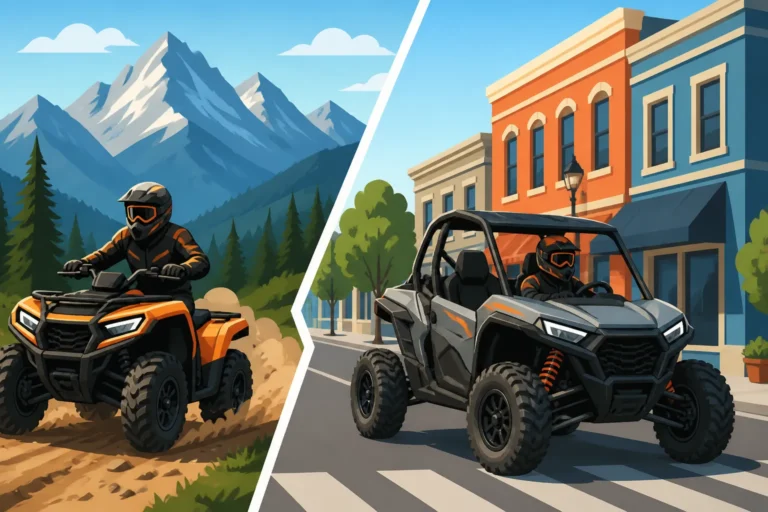
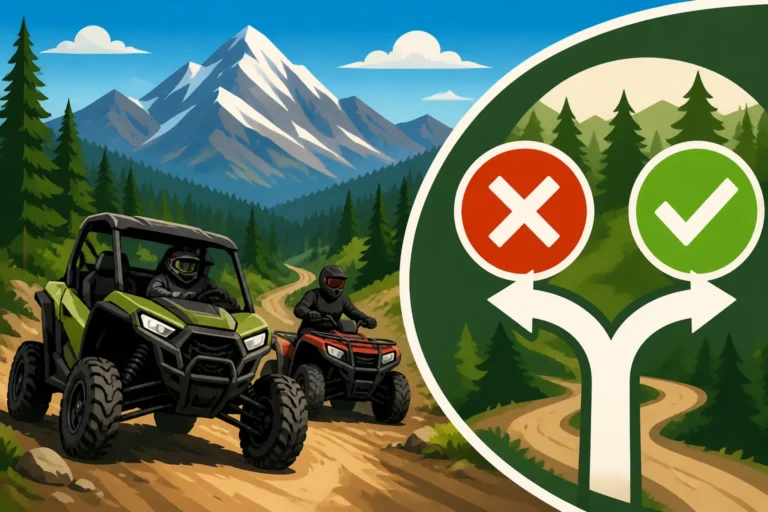
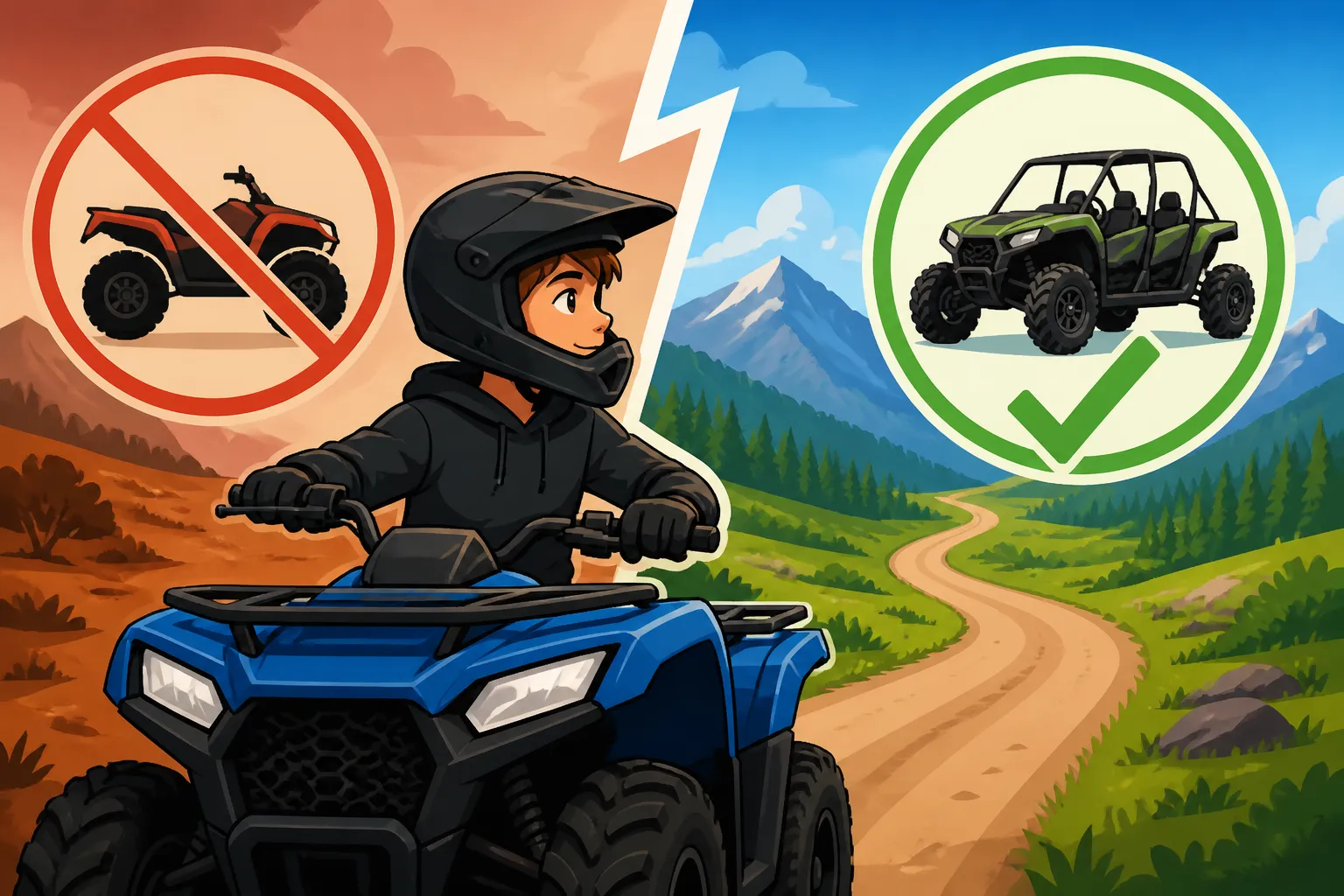
Let's dive into the core of the matter for our younger riders. In Colorado, an operator who is at least ten years old can indeed ride an OHV on a county road that has been legally designated and signed for OHV use. This is often referred to as the "Age Ten Rule." However, and this is a massive "however," they must be under the immediate supervision of a person 18 years of age or older who holds a valid driver's license.
What does "immediate supervision" truly mean in the eyes of the law, and more importantly, for safety on the trail? It’s not enough for the supervising adult to simply be somewhere in the general vicinity. The expectation is that the adult maintains constant visual and auditory contact with the youth rider. Imagine you're on a dusty gravel road in the San Juan Mountains. If your 12-year-old takes a turn and you lose sight of them, even for a moment, that immediate supervision is broken. The adult needs to be riding in a position where they can consistently monitor the youth’s actions, provide immediate guidance, and intervene if necessary. This often means riding right behind or alongside the youth, especially in areas with other traffic, blind corners, or potential hazards. This rule is in place to ensure that young riders, who might lack the judgment or experience of an adult, have an experienced set of eyes and ears constantly watching out for them.
Supervision Requirements for Riders Under 16
Expanding on the immediate supervision rule, any OHV operator under the age of 16, including our 12-year-olds, must adhere to these strict guidelines whenever they are operating on public land or a designated county road. The supervising adult must be at least 18 years old and possess a valid driver’s license. This means a 17-year-old friend, no matter how responsible, cannot legally supervise a 12-year-old on a county road. The law wants a fully licensed adult who understands the responsibilities of driving on public roadways, even if it’s a gravel county road.
This is where the real-world application can sometimes feel restrictive, but it's for everyone's safety. Consider a scenario where you're riding a two-up side-by-side with your younger child as a passenger, while your 12-year-old is on their own ATV right behind you. That setup often works perfectly for maintaining immediate supervision. However, if your 12-year-old takes off on a different trail, even for a short segment, or if you get separated by other trail users, you are no longer fulfilling that legal obligation. You can find more details on these specific age and supervision rules in articles like [Colorado Rules for Riders Aged 10 to 16]. It’s a serious responsibility, and Colorado Parks and Wildlife (CPW) rangers do enforce it.
Essential Requirements Beyond Age for County Road Access
While age and supervision are critical, they are far from the only factors that determine whether a 12-year-old can ride a Colorado county road. The machine itself, the safety gear worn by the rider, and the specific rules of the road or county all play equally vital roles. Missing any of these elements could lead to a citation or, worse, an unsafe situation.
Machine Registration and Decals
Before any OHV, regardless of who's riding it, even touches a designated county road or public land in Colorado, it absolutely must be registered with Colorado Parks and Wildlife. This is non-negotiable. When you register your machine, you’ll receive a distinctive green sticker – your annual permit – that needs to be affixed to the OHV. This decal indicates that you’ve paid the required fee, which goes directly to funding trail maintenance, educational programs, and enforcement efforts across the state. Without this current sticker, even if your 12-year-old is perfectly supervised and has all the right gear, the machine itself is illegal for public use.
It’s often a point of confusion for new residents or those new to the OHV scene, but a machine kept solely on private land does not need to be registered, but the moment it rolls onto any public road or trail, that green sticker is a must-have. Make sure you know [Where the Colorado OHV Sticker Goes] on your specific type of machine. Keep your registration card with you, typically on the machine, so it's readily available if a ranger or sheriff ever asks to see it. [Do You Carry Paperwork on the Trail?] is a good resource for understanding what documents you should have on hand.
Rider Safety Gear and Machine Equipment
Safety gear isn't just a suggestion in Colorado; much of it is a legal requirement, especially when riding on roads. For any rider under the age of 18, a DOT-compliant helmet is mandatory. This includes our 12-year-olds. This isn't just about avoiding a fine; it's about protecting their most important asset in the event of a crash. Helmets save lives and prevent serious injuries. Beyond the helmet, eye protection is required for all riders, regardless of age. This could be goggles or a face shield on a full-face helmet. The dust, debris, and potential for bugs or small rocks kicked up by other vehicles make eye protection indispensable.
The machine itself also needs to meet certain equipment standards for road use. This includes functional headlights and taillights, which are crucial for visibility, especially during dawn, dusk, or in shaded mountain areas. Many county ordinances also require a working brake light. Additionally, your OHV must be equipped with a spark arrester that is in good working order to prevent wildfires, and a muffler that keeps noise levels within legal limits. Aftermarket components are popular for enhancing performance or customizing your ride. If you're looking to upgrade your lighting for better visibility or ensure your exhaust meets requirements, brands like SuperATV offer a range of products, from brighter LED light bars to replacement spark arresters, that can help your machine meet these safety and legal standards.
Knowing Your Local County Ordinances
This is perhaps the biggest variable when it comes to riding a 12-year-old on a Colorado county road. While state law sets the framework for age and supervision, it's the individual counties that have the authority to "open" their roads to OHV traffic. This means that a county road that allows OHVs in Hinsdale County might be completely off-limits in a neighboring county, or even just a few miles down the road in the same county if it's not designated. You cannot assume that all county roads are open. In fact, you should assume they are closed unless you see clear signage indicating otherwise.
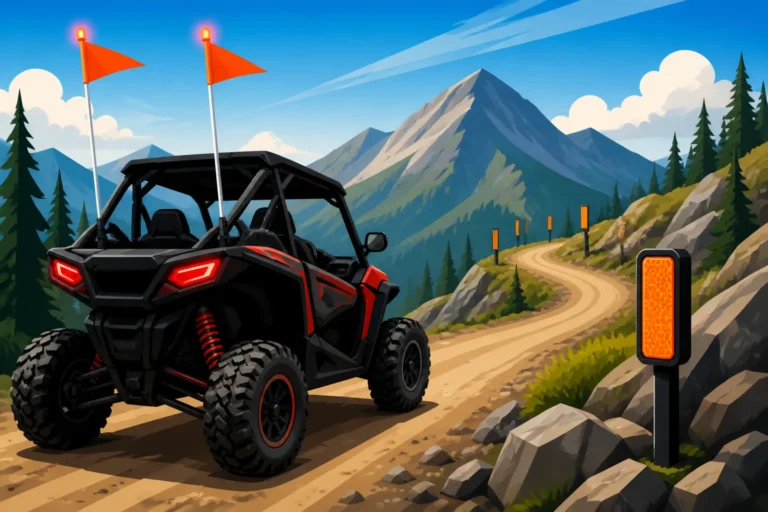
Many counties that do allow OHV access have very specific maps, rules, and posted signage at entry points. These signs will clearly indicate that the road is open for OHV use and often list any specific restrictions, such as hours of operation, speed limits, or what type of OHVs are allowed. Ignoring these local ordinances is a surefire way to get a ticket or, worse, annoy local residents and potentially jeopardize future OHV access. Always do your homework before you head out. A great starting point is to contact the county sheriff's office or the local Bureau of Land Management (BLM) or Forest Service office for the area you plan to ride. They can provide maps or direct you to their specific ordinances. You can also look for resources like [Finding Your Colorado County's OHV Ordinance] to guide your research.
Here’s a simplified look at how county access might differ:
| Feature | San Juan County (Example) | Chaffee County (Example) | Agricultural County (Example) |
|---|---|---|---|
| OHV Road Access | Many county roads open, especially near Silverton, for connector routes and trail access. | Some county roads may be open, often for designated access to specific trailheads. | Roads primarily for local traffic; OHV access highly restricted or non-existent outside private land. |
| Common Use Case | Connecting trail systems (e.g., Alpine Loop), accessing businesses in town. | Accessing dispersed camping, specific recreation areas. | Farm and ranch operations (often with specific agricultural exemptions). |
| Signage | Heavily signed with "OHV Route" or similar designations. | Specific roads might be signed, but less widespread than in high-recreation areas. | Very limited or no signage for OHV access; generally prohibited. |
| Enforcement Focus | Adherence to specific town ordinances (e.g., Silverton's rules), general safety. | Compliance with open/closed designations, noise, dust control. | Trespass, disturbance of residents, agricultural interference. |
This table illustrates why checking the specific rules for the area you intend to ride is absolutely crucial. A 12-year-old might be fine on a designated county connector road in Silverton but completely out of bounds on a different county road elsewhere.
Practical Considerations and Best Practices for Young Riders
Beyond the letter of the law, there are plenty of practical considerations and best practices that responsible OHV parents adopt to ensure a safe and enjoyable experience for their young riders. Age is just one factor; a rider's skill, maturity, and preparation are equally, if not more, important.
Rider Skill and Experience
A 12-year-old might technically meet the age requirement for riding a designated county road, but are they actually ready for it? Road riding, even on a quiet gravel county road, introduces elements that are different from a dedicated trail. There's potential for oncoming vehicle traffic (cars, trucks, motorcycles, bicycles), pedestrians, loose pets, and even livestock in open range areas. A young rider needs to have excellent machine control, including smooth throttle and brake application, the ability to anticipate hazards, and quick reaction times. They must understand and obey road signs, yield rules, and speed limits. [Speed Limits for OHVs on Colorado County Roads] can give you an idea of what to expect.
Take an honest assessment of your child's riding abilities. Have they mastered basic maneuvers on a less-trafficked trail? Do they panic under pressure or maintain composure? Can they ride consistently at slower speeds, maintaining their line? Are they comfortable shifting their weight and navigating varied terrain? These are crucial questions to ask before you introduce them to a public road environment, even with immediate supervision. It’s a completely different mental game when you have to worry about a minivan coming around the next bend versus just focusing on the trail ahead.
Preparing for the Ride
Preparation is key to any successful and safe OHV outing, and it’s even more vital when you have young riders and are venturing onto county roads. Before you even load up the machines, do a thorough pre-ride inspection. Check tire pressure, brakes, fluid levels, and ensure all lights are working properly. For your 12-year-old's machine, pay extra attention to anything that might affect their control or safety.
When you're out on the ride, especially in the mountains, weather can change quickly. Always carry extra layers, water, snacks, and a basic first-aid kit. Communication is also essential, particularly when riding with younger, less experienced operators. Two-way radios (like those from SuperATV or similar accessory brands) can be incredibly helpful for maintaining constant communication with your supervised youth rider, allowing you to give immediate instructions or warnings even if dust or distance slightly obscures visual contact. It's also important for everyone in the group to understand hand signals in case radios fail. Remember, you're responsible for the youth's safety and adherence to all rules, so being well-prepared is paramount.
The Importance of a Safety Course (Even if Not Required)
While Colorado does not legally mandate an OHV safety certification for operators, including young riders, to use public lands or roads, enrolling your 12-year-old in a voluntary safety course is one of the best investments you can make. These courses, often offered by certified instructors, teach critical skills such as proper riding posture, turning, braking, hill climbing, and how to assess hazards. More importantly, they instill a strong understanding of rider responsibility, trail etiquette, and the "Stay The Trail" principles that protect our natural resources.
Think of it this way: a driver's education course isn't just about learning how to steer and hit the gas; it's about learning the rules of the road, defensive driving, and responsible decision-making. An OHV safety course does the same for our trails and roads. It gives young riders a foundation of knowledge that goes beyond what a parent can teach in casual instruction. It can make them more confident, safer, and more respectful riders, which is invaluable when they transition to sharing designated county roads with other vehicles. For information on where to find these courses, check out resources like [Where Colorado Riders Take a Voluntary Safety Course]. It's about empowering them to make smart choices, even when you might not be able to offer immediate, verbal instruction.
So, while your 12-year-old can ride a Colorado county road if it’s legally designated for OHV use and they are under immediate adult supervision, it’s clear that a responsible parent’s job involves much more than just checking a box for age. It’s about ensuring the machine is legal and safe, the rider is properly equipped and skilled, and that you’ve done your homework on local regulations. By taking all these factors into account, you can create fantastic, safe, and memorable riding experiences for your entire family on Colorado’s incredible network of trails and open county roads.
Disclaimer
This article is for general informational purposes only and does not constitute professional advice. Laws, prices and regulations vary by location and change over time. Consult a qualified professional for guidance on your specific situation.