Sharing a Forest Road With Log Trucks
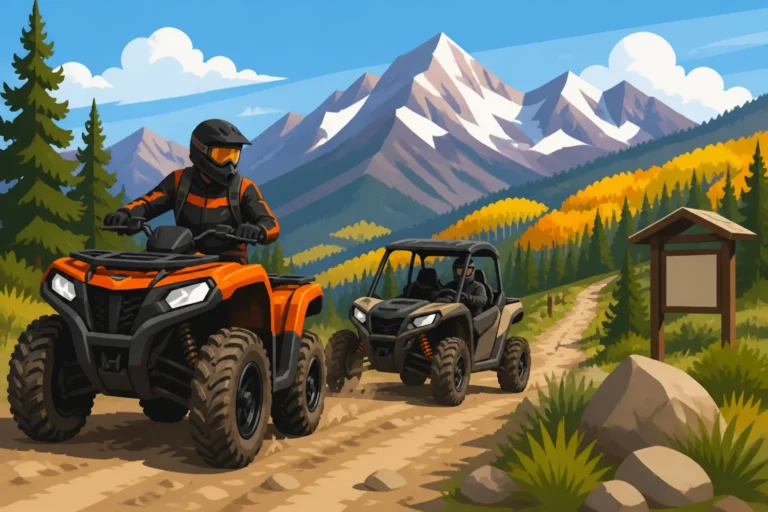
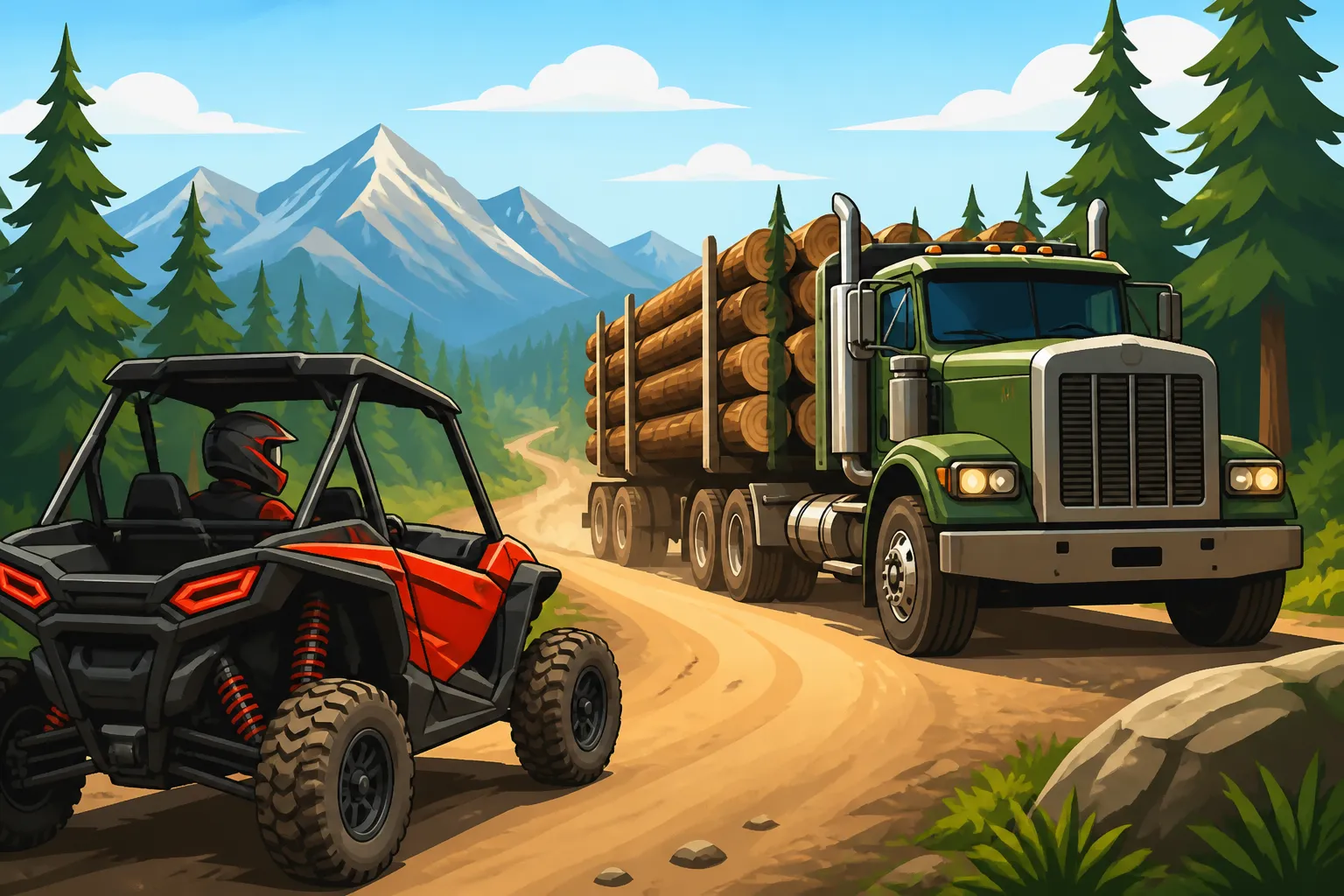
There's nothing quite like the thrill of exploring Colorado's backcountry on your ATV or UTV, winding through breathtaking scenery on a dusty forest road. But then, around a blind corner, the ground vibrates, a cloud of dust appears, and suddenly, you're face-to-face with a massive log truck barreling down the road. That heart-stopping moment, the sheer size difference, and the feeling of vulnerability are very real concerns for many riders. This guide is here to walk you through exactly how to safely share those essential forest roads with the kings of the timber industry, ensuring your mountain adventures remain thrilling for all the right reasons.
Understanding the Environment: Why Log Trucks Are on Forest Roads
It’s easy to think of forest roads as solely for recreation, a playground for our off-highway vehicles, mountain bikes, and hiking boots. But these roads serve a vital purpose for various industries, and none are more imposing than logging operations. These aren't just joyriders; these are professionals at work, often on tight schedules, hauling incredibly heavy loads.
The Business of Timber and Road Use
Colorado's forests, much like those across the American West, are working landscapes. Timber harvesting is a legitimate and often necessary part of forest management, contributing to local economies and sometimes even helping with wildfire mitigation efforts by thinning overgrown areas. These operations are usually permitted by federal agencies like the U.S. Forest Service or the Bureau of Land Management (BLM), which manage vast tracts of public land where we love to ride. The roads aren't just there for fun; they are the literal lifelines for these operations, allowing crews to access timber stands, move heavy machinery, and, most importantly, transport harvested logs to mills.
When you're out riding, especially during spring, summer, and fall, you might encounter signs indicating active logging areas. These aren't suggestions; they are serious warnings. Ignoring them could put you directly in harm's way. Timber companies often use the same network of gravel and dirt roads that we recreational users cherish. This shared use is why understanding their operations is the first step to ensuring everyone's safety. It’s not just about recreation; it’s about a multi-faceted use of our public lands, and mutual respect is key.
Characteristics of Log Trucks and Their Cargo
Log trucks are formidable machines, purpose-built for heavy hauling in rugged terrain. They are often semi-trucks with specialized trailers, designed to carry immense weights of raw timber. When loaded, these trucks can easily weigh tens of thousands of pounds, if not more, and their momentum means they can't stop or maneuver quickly, especially on steep grades or tight corners. They might not look fast, but they can maintain surprising speeds on rough roads, particularly on downhills where gravity assists them.
Their sheer size creates significant blind spots, both directly in front and especially along their sides and rear. A driver in a tall cab might not see a smaller ATV or even a UTV that pulls up too close. Another factor is the cargo itself. Logs, especially freshly cut ones, can shed bark, small branches, or even entire small logs, which can become projectiles at speed. The dust kicked up by these heavy vehicles can be thick, reducing visibility for everyone. Think about the impact of a large rock hitting your windshield or helmet – imagine that multiplied by the size and speed of a log truck. This is why giving them ample space and respecting their operational needs is paramount.
Essential Safety Protocols for OHV Riders
Safety on the trail, especially on shared-use roads, starts long before you even turn the key. It’s about preparation, awareness, and adopting a defensive mindset every time you venture out. You can’t control what others do, but you can control your own actions and equipment.
Before You Ride: Preparation and Awareness
Your adventure starts at home or the staging area. Before hitting any forest road, it’s critical to gather intel. Check with the local Forest Service or BLM ranger district office about any active logging operations in the areas you plan to ride. They can often provide maps or advisories, and sometimes even specific radio channels the haulers use. Look for online resources or local postings. [Reading a Colorado Motor Vehicle Use Map] is an excellent way to familiarize yourself with designated roads and potential industrial zones.
Equip your machine for maximum visibility. Even on a sunny day, high-visibility clothing (bright colors, reflective strips) for yourself and your passengers is a must. For your ATV or UTV, bright headlights and taillights are non-negotiable, and consider adding a whip flag, especially if riding in dusty conditions or rolling terrain. A bright, tall whip flag can make your machine visible over crests or through dust that a log truck driver might not otherwise see. Companies like SuperATV offer a range of durable whip lights and flags that can significantly enhance your presence on the road.
Beyond visibility, think about communication. While not common for recreational riders, some groups carry CB radios or VHF radios to monitor channels used by logging companies. Even a reliable satellite messenger can be a lifesaver for emergencies or if you need to coordinate with other riders in your group. Always tell someone your planned route and expected return time when [Planning a Colorado Riding Trip].
On the Road: Defensive Riding Strategies
Once you're out there, every mile ridden on a forest road shared with commercial traffic needs a defensive strategy. Your mantra should be: "Assume they don't see me, and they can't stop quickly."
- Slow Down: This is arguably the most crucial piece of advice. Blind corners, crests of hills, and narrow sections of road demand reduced speed. You need enough time to react if a massive truck suddenly appears.
- Stay Right, Far Right: Keep your machine as far to the right side of the road as is safely possible. Log trucks take up a lot of space, and their trailers can swing wide on turns. Give them every inch of room.
- Listen and Look: Turn down the music. Listen for the distinct sound of a diesel engine, especially the loud whine of engine brakes on a downhill. Look for dust plumes in the distance, which often signal an approaching heavy vehicle long before you see the truck itself. The mountains can carry sounds far, so pay attention.
- Signal Your Presence: If you see a truck approaching from a distance, or suspect one is near, flashing your headlights can help. If you have a horn, a quick, short tap can also alert them, but don't rely on it entirely.
- Always Expect Oncoming Traffic: Even on roads that seem remote or quiet, logging operations can be active. Treat every blind turn as if a truck is coming around it.
It's tempting to want to maintain speed and flow, but the risk-reward simply isn't there when sharing a road with vehicles that can crush your machine. Prioritize your safety above all else. [Colorado Rules on Forest Service Roads] often emphasize safe operating speeds, which are even more critical when industrial traffic is present.
Navigating Encounters: What to Do When a Truck Approaches
The moment of truth arrives: you’re riding, and you spot a log truck. How you react in those crucial seconds can make all the difference. It's about being seen, being safe, and getting out of the way efficiently.
Recognizing the Signs of an Oncoming Truck
Before you even see the truck, the environment often provides clues. Pay close attention to:
- Dust Clouds: On dry, unpaved forest roads, heavy trucks kick up significant dust. If you see a large, moving cloud of dust in the distance, especially one that seems to be approaching quickly, it's a strong indicator.
- Engine Noise and Brakes: Log trucks have a very distinct sound. On inclines, you'll hear their powerful engines laboring. On declines, the loud, characteristic whine of their engine brakes is unmistakable. This sound can carry for miles in the quiet mountain air.
- Radio Chatter: If you're equipped with a CB radio, you might pick up chatter from truck drivers communicating their positions on the road. While not always used, it’s a good sign they are active in the area.
- Road Signs: Keep an eye out for temporary or permanent signs indicating active logging areas or specific radio channels to monitor. Respecting [Forest Road Signs and Route Numbers] is part of safe riding.
These early warning signs give you precious time to find a safe spot to pull over, which is infinitely better than scrambling for space when the truck is already on top of you.
Safe Evasion and Communication
When you confirm an oncoming log truck, here's a step-by-step guide to a safe encounter:
- Signal and Slow Down: As soon as you spot or hear the truck, tap your brakes to flash your taillights and begin slowing down smoothly.
- Find a Pull-Off: Look immediately for the widest, safest spot on the right side of the road. This could be a designated pull-out, a wider shoulder, or even a relatively flat, stable area just off the road. The earlier you find it, the less frantic the stop will be.
- Pull Over Completely: Don't just hug the side of the road. Get your entire machine off the main travel lane if possible, or as far to the right as safely feasible.
- Turn Off Your Engine: This is a small but important step. Turning off your engine reduces noise, allowing the truck driver to potentially hear any communication from you, and it ensures your exhaust isn't creating additional dust or fumes. It also signals that you are stationary and yielding.
- Wait for the Truck to Pass: Stay put until the truck has completely passed you and its trailer is clear. Wait for the dust to settle before pulling back onto the road.
- Make Eye Contact (if safe): If the truck driver is looking, a quick wave or nod can confirm they see you, but never rely on this as your primary safety measure. They are focused on the road, not always on spotting small OHVs.
Remember, the truck has the right-of-way due to its size, weight, and operational needs. Your job is to make yourself as small and as visible as possible, and then get out of their way. This isn't just courtesy; it's self-preservation. Some riders will even exit their machines and stand clearly visible away from the vehicle, ensuring they are seen.
What Not to Do: Common Mistakes to Avoid
In the moment, it's easy to make a wrong decision. Here’s what you absolutely should not do:
- Don't Race or Try to Outrun Them: These trucks are powerful and can maintain surprising speeds. Trying to speed up to get to a pull-off before they reach you can be dangerous, especially on unfamiliar or technical terrain.
- Don't Stop on Blind Corners or Crests: Stopping where you can't be seen until the last second puts both you and the truck driver at extreme risk. The driver won't have time to react.
- Don't Assume They See You: Log truck drivers have limited visibility and are focused on managing their massive load. Always assume you are invisible until proven otherwise.
- Don't Wave Them On: While well-intentioned, trying to signal a truck driver to "go ahead" or "you're clear" can create confusion. They are the professionals on this road; let them manage their approach.
- Don't Get Impatient: Waiting for a truck to pass, or for the dust to clear, can feel like an eternity, but it's a small price to pay for safety. Rushing back onto the road prematurely could lead to another dangerous encounter.
- Avoid Riding at Dawn or Dusk Without Adequate Lighting: These are often prime times for logging operations. If you're riding during these low-light conditions, ensure your machine has [Lighting Requirements for a Colorado Road Ride] that are robust and well-maintained.
Mistakes can have severe consequences, not just for your physical safety, but potentially leading to [Colorado Fines for Illegal Road Riding] if your actions are deemed reckless. It's about respecting the road, the industry, and your own well-being.
Beyond the Ride: Educating Yourself and Others
Being a responsible OHV rider means not only knowing the rules and best practices for yourself but also understanding the broader context of multi-use lands and sharing that knowledge with your riding community. Our actions directly impact access to these beautiful areas.
Local Resources and Information
The best defense is a good offense, and in this case, that means information. Before every trip, make it a habit to contact the local U.S. Forest Service or BLM office responsible for the area you plan to visit. Their websites often have alerts or maps indicating active logging operations, temporary road closures, or special permits in effect. Sometimes, they even post specific radio frequencies that log trucks use for communication, allowing you to monitor activity if you have the right equipment.
Furthermore, pay close attention to any signage you encounter on the roads themselves. These signs aren't there for decoration; they are direct safety warnings. They might indicate "Active Hauling," "Logging Operations Ahead," or provide contact information for the timber company. Ignoring these signs not only puts you at risk but can also disrupt legitimate commercial operations, potentially leading to restrictions on OHV access in the future. [Colorado Parks and Wildlife OHV Registration Explained] often covers the basic regulations, but specific land management agency rules should always be consulted.
Community Responsibility and Trail Ethics
Sharing the road with log trucks is a perfect example of the broader concept of shared-use public lands. We, as recreational OHV users, are not the only ones with a right to be there. Loggers, ranchers, miners, hikers, mountain bikers, and even wildlife all utilize these areas. Adopting a mindset of mutual respect and good trail ethics is crucial for ensuring continued access for everyone.
Encourage your riding buddies and club members to follow these safety protocols. Lead by example. If you see someone riding recklessly or failing to yield to a commercial vehicle, politely educate them on the risks and proper procedures. Supporting organizations like "Stay The Trail Colorado" or other local OHV clubs means promoting responsible riding that minimizes conflicts and preserves access. After all, we want to enjoy these incredible landscapes for years to come, and that means being good stewards of the land and respectful neighbors on the roads. Remember, a single bad encounter can sometimes lead to negative perceptions of all OHV users, potentially impacting trail access for everyone.
The table below summarizes some key differences and safety considerations when sharing forest roads:
| Feature | OHV (ATV/UTV) | Log Truck | Safety Consideration |
|---|---|---|---|
| Size & Weight | Small, relatively light | Extremely large, very heavy | OHV is vulnerable; truck has massive momentum. |
| Speed | Variable, often slower on rough terrain | Can maintain high speeds, especially downhill | Truck's speed and weight make stopping difficult. |
| Visibility | Good forward visibility, limited blind spots | Numerous large blind spots for the driver | Assume the truck driver cannot see your OHV. |
| Maneuverability | Agile, quick to turn/stop | Limited, wide turning radius, long braking distance | Truck cannot easily swerve or stop for an OHV. |
| Purpose on Road | Recreation, exploration | Commercial hauling, time-sensitive | Truck operations are essential; yield the right-of-way. |
| Sound | Engine noise, sometimes loud exhaust | Loud diesel engine, distinct engine brakes | Listen for truck sounds as an early warning. |
| Dust/Debris | Some dust, minimal debris | Significant dust, potential for shed bark/logs | Stay clear of dust clouds and potential projectiles. |
Disclaimer
This article is for general informational purposes only and does not constitute professional advice. Laws, prices and regulations vary by location and change over time. Consult a qualified professional for guidance on your specific situation.