Hinsdale County OHV Road Map
One of the biggest headaches for off-highway vehicle (OHV) riders in Colorado is figuring out where you can actually ride your machine on a public road without breaking the law. It’s a patchwork quilt of rules from county to county, town to town, and frankly, it can be incredibly confusing and lead to costly fines if you’re not careful. This guide is all about untangling that specific frustration by diving deep into the Hinsdale County OHV Road Map, helping you understand how to navigate its unique system and enjoy the incredible riding opportunities safely and legally.
Understanding Hinsdale County's Unique Approach to OHV Road Access
Hinsdale County, home to the charming town of Lake City, has long been a beacon for off-highway vehicle enthusiasts. Unlike some other areas in Colorado that have grappled with OHV access, Hinsdale County has, for the most part, embraced it, recognizing the significant economic and recreational benefits that riders bring to the area. This isn't to say it's a free-for-all, but rather a thoughtfully managed system designed to integrate OHV use with other forms of recreation and local life.
The core of this approach lies in clear designation and mapping. Instead of leaving riders guessing, the county actively works to identify and mark roads where OHV travel is permitted. This clarity is a breath of fresh air for many riders who’ve experienced the frustration of ambiguous signage or conflicting information in other regions. It allows you to plan your routes with confidence, knowing you're sticking to the established legal paths.
Why Hinsdale County is a Rider's Paradise
It’s no secret that Hinsdale County and Lake City are high on many riders' wish lists, and for good reason. The area boasts some of the most stunning, iconic trails in the state, including significant portions of the legendary Alpine Loop. We're talking about vast expanses of public lands – National Forest and BLM – crisscrossed with miles of designated OHV routes that lead to breathtaking overlooks, historic mining ruins, and pristine alpine lakes. The sheer variety of terrain, from challenging rocky ascents to scenic forest roads, means there’s something for every skill level.
Beyond the trails themselves, the local community in Lake City has made a concerted effort to be welcoming to riders. This means more than just tolerance; it often translates into services tailored for OHV users, such as specialized repair shops, lodging that accommodates trailers, and restaurants that understand you might be coming straight off the trail. This rider-friendly atmosphere, coupled with the incredible trail access, is precisely why so many people return year after year.
Navigating the General Philosophy of Local Ordinances
While Hinsdale County is welcoming, it’s crucial to understand that "welcoming" doesn't mean "unregulated." The county's philosophy balances access with responsibility, aiming to minimize conflicts with other road users, residents, and the environment. This means there are specific rules about how and where you can operate your OHV on public roads. These local ordinances are often developed in conjunction with land management agencies like the Forest Service and BLM, ensuring a coordinated approach to recreation.
The fundamental principle is that OHV use on county roads is permitted only on designated routes. You won’t find blanket approval for all county roads. Instead, the county has gone through the process of evaluating and specifically opening certain sections. This is where the road map becomes your absolute best friend. It’s the official guide to where you can legally connect trails, access town amenities, or simply travel from one staging area to another. [Hinsdale County OHV Road Map] is the essential tool for any rider in the area, and understanding its details is paramount. Ignoring these ordinances isn't just a risk for a ticket; it can also jeopardize future OHV access for everyone.
Deciphering the Hinsdale County OHV Road Map
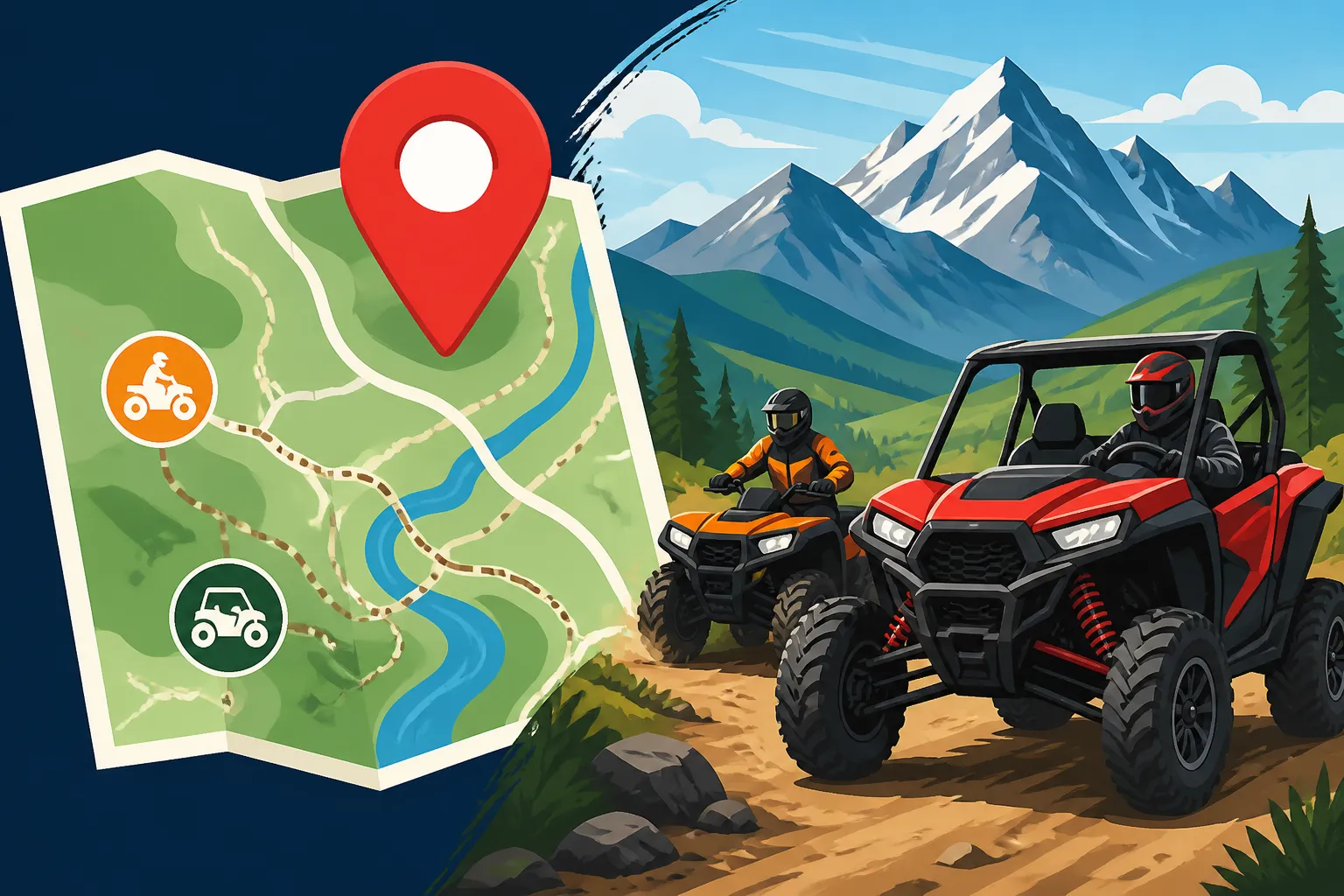
The Hinsdale County OHV Road Map is your holy grail for legal road riding in the area. It’s not just a pretty picture; it’s a crucial regulatory document that outlines which county roads, and often which specific sections of those roads, are legally open to OHV traffic. Without consulting this map, you’re essentially riding blind and risking an encounter with local law enforcement for illegal operation.
Think of it less as a suggestion and more as a legal mandate. The map visually represents the county ordinances that permit or restrict OHV travel. It’s the result of local officials and land managers working to create a cohesive system that serves both residents and visitors. Getting comfortable with reading and interpreting this map is one of the best things you can do to ensure a smooth, enjoyable, and legal riding experience in Hinsdale County.
How the Maps Are Created and Updated
The creation of these maps is a detailed process that involves several stakeholders. Typically, the Hinsdale County Board of County Commissioners, in consultation with the Lake City Town Council, Forest Service, and BLM, develops these ordinances. They consider factors like resident safety, traffic flow, environmental impact, and connectivity to existing trail networks. This isn't a static document; it's a living guide that can be updated as conditions change, new trails are opened or closed, or community needs evolve.
This is why it's so important to always get the most current version of the map. An older map might show a road as open that has since been restricted, or vice versa. Always check the publication date and, if possible, cross-reference with official county or Forest Service websites for any last-minute updates or temporary closures. Staying current is key to avoiding an unexpected fine or inadvertently trespassing.
Key Symbols and Designations to Look For
When you first look at a Hinsdale County OHV Road Map, it might seem like a maze of lines and colors. But once you understand the key, it becomes incredibly intuitive. Here’s what you’ll typically find:
- Designated OHV Routes (Roads Open to OHVs): These are usually highlighted in a distinct color, like green or orange, or marked with a specific line pattern. This is where you can legally ride your OHV on a county road. These routes are often critical for connecting trails, accessing trailheads, or getting into Lake City itself. You'll often see these routes connecting directly to Forest Service or BLM routes.
- Town Limits and Specific Town Routes: Lake City, like many small mountain towns, has its own specific ordinances within its municipal boundaries. The map will often show which streets within Lake City are open to OHVs, usually for direct access to services like gas, food, or lodging, or to connect to the county road system. [Lake City and Hinsdale County Road Access] is a prime example of where these specific rules apply.
- Restricted or Closed Roads: These will typically be unmarked, or sometimes explicitly marked with a "no OHV" symbol or a different color. These are the roads where OHV travel is strictly prohibited, and riding on them will likely result in a citation.
- Federal Land Designations: The map will also show the boundaries of National Forests and BLM lands. While these lands generally have broader OHV access, specific routes within them are also designated as open or closed. It's important to remember that just because you're on federal land doesn't mean all roads are fair game. You still need to stick to designated trails and roads.
Familiarize yourself with the legend or key on the map. It's usually found in a corner and will explain exactly what each color, line, and symbol means. Don’t just glance at it; take a few minutes to really internalize what you’re looking at before you head out.
Physical Maps Versus Digital Resources
In today's world, you have options for accessing these crucial maps. Both physical and digital formats have their pros and cons, and savvy riders often use a combination of the two.
Physical Maps:
- Pros: Don’t rely on battery life or cell service (which is often non-existent in the high country). Easy to unfold and get a broad overview. Great for planning before you leave home. You can make notes directly on them.
- Cons: Can be cumbersome to handle on the trail. Can get wet, torn, or lost. May not be the most current version unless you specifically seek out recent printings.
- Where to Get Them: You can usually purchase physical maps at the Hinsdale County Clerk & Recorder's office, the Lake City Visitor Center, local businesses, or through official county or Forest Service websites.
Digital Resources (Apps, GPS, PDFs):
- Pros: Always current if you update the app/files. Many apps like onX Offroad or Avenza Maps allow you to download maps for offline use, circumventing cell service issues. GPS integration shows your exact location on the map, which is invaluable for navigation. Easy to zoom in on specific areas.
- Cons: Battery dependent – always carry a portable charger! Requires a device (smartphone, tablet, dedicated GPS unit). Can be harder to get a holistic view of a large area compared to a physical map.
- Where to Get Them: Look for downloadable PDF versions on the Hinsdale County website, or check popular OHV navigation apps that integrate public land data and local ordinances. Many riders swear by the convenience of having the map on their phone, especially when navigating complex intersections or ensuring they stay on a legal route when [Riding From Lake City to the Alpine Loop].
My personal recommendation? Carry both. A downloaded digital map on your phone or GPS for real-time navigation, and a physical map as a backup, for broader planning, and for when technology inevitably fails you out in the wilderness.
Practical Application: Riding Legally on Hinsdale County Roads
So, you’ve got your map, you understand the designations, now how do you actually put that knowledge into practice on the ground? Riding legally on Hinsdale County roads isn’t just about knowing where to go, but also how to operate your machine responsibly and within the law. This involves everything from understanding speed limits to having the right equipment.
The goal here is seamless integration: connecting from your campground or lodging to the trail system, or popping into Lake City for gas and a bite to eat, all while respecting the local community and other road users. Hinsdale County has done a fantastic job of providing this access, and it's up to riders to reciprocate with responsible behavior.
Specific Rules for Permitted Road Sections
Just because a road is open to OHVs doesn’t mean it’s a free-for-all. When operating your OHV on any designated county road in Hinsdale County, you are subject to specific rules, often mirroring standard traffic laws, but with some OHV-specific additions:
- Speed Limits: You must observe posted speed limits, which are often lower on county roads than state highways, and especially so within Lake City limits. Many areas might have a 15-25 mph speed limit for OHVs to minimize dust and noise for residents.
- Driver's License Requirement: The operator of an OHV on a public road in Colorado generally needs a valid driver’s license. This is a critical point that many visitors overlook. While trail riding might have different age rules, road riding usually defaults to standard driver's license requirements.
- Colorado OHV Registration: Your machine must have a current Colorado OHV registration sticker displayed. Even if you're from out-of-state, you'll need to purchase a non-resident permit. This funding goes directly back into trail maintenance and management. [Colorado OHV Registration Explained] covers this in detail.
- Insurance: While not always mandated for off-road use, operating on public roads in Colorado often implies a need for liability insurance, just like with a car. Always check with your provider regarding [Insuring an ATV in Colorado] and what your policy covers for road use.
- Lane Position: When operating on a paved or gravel county road, you should typically ride on the far right side of the road, giving way to oncoming vehicle traffic and faster-moving vehicles. Don’t ride two abreast on narrow county roads if it impedes other traffic or creates a safety hazard.
Understanding these nuances is essential. Ignorance of the law is not an excuse, and a ticket for improper operation can quickly sour an otherwise fantastic riding trip.
Connecting Trails to Town: The Lake City Experience
One of the great advantages of the Hinsdale County system is the ability to connect directly from the vast trail networks into Lake City. This means you can ride from high-country passes, descend into town, grab lunch, refuel, or pick up supplies, and then head back out to the trails, all without having to trailer your machine. This convenience is a huge draw for riders.
Lake City has specific streets designated for OHV access, usually leading directly to businesses or to the main county roads that link to the trails. For example, [The Highway 149 OHV Corridor at Lake City] provides a direct route for riders to access the Alpine Loop from town. Pay close attention to signage as you enter town limits, as these signs will direct you to approved streets and indicate any restrictions, like areas where OHVs are prohibited.
When you're in town, remember you're sharing the road with pedestrians, bicycles, and regular vehicle traffic. Drive slowly, be courteous, and minimize noise and dust. The continued privilege of riding in town depends heavily on riders demonstrating responsible behavior. Local businesses, like those selling parts from SuperATV or gear from other brands, rely on riders being respectful members of the community.
Essential Gear and Machine Requirements for Road Riding
Beyond having your registration and a driver's license, your machine itself needs to meet certain requirements to be legal on Hinsdale County roads. These are generally standard safety features that make your OHV more visible and controllable:
- Headlights and Taillights: Your OHV must have functional headlights and taillights, especially if you're riding around dusk, dawn, or in low-visibility conditions. Some ordinances may require them to be on at all times when on a public road.
- Brake Lights: A working brake light is crucial for signaling stops to traffic behind you.
- Turn Signals: While not universally required for all OHVs on county roads in Colorado, they are highly recommended for safety, especially if you’re signaling a turn onto another road or into a business. Some towns may specifically require them.
- Muffler and Spark Arrester: All OHVs operating on public lands and roads in Colorado must have an approved spark arrester and a muffler that keeps noise within legal limits. Aftermarket exhausts that are excessively loud can lead to tickets and create a negative impression of OHV riders. Learn more about [Mufflers and Spark Arresters in Colorado].
- Mirrors: At least one rearview mirror is often required for road use, allowing you to see traffic approaching from behind.
- Horn: A working horn is a basic safety device for signaling other drivers or pedestrians.
- Tires: Ensure your tires are in good condition and suitable for mixed terrain. While mud tires are great on the trail, they can be a bit squirrely on pavement. If you're running a SuperATV lift kit or aftermarket suspension, ensure your vehicle remains stable and safe for road speeds.
Many of these requirements are not just about legality; they're about your safety and the safety of others. Performing a quick pre-ride inspection of your machine, especially when transitioning from trail to road, is always a good idea.
| Feature | Requirement on Hinsdale County OHV Roads | Importance |
|---|---|---|
| Driver's License | Required for operator | Legal operation, safety, accountability |
| OHV Registration | Current CO sticker (or non-resident permit) | Legal access, trail funding support |
| Headlights/Taillights | Functional (often required to be on) | Visibility to others, night riding |
| Brake Light | Functional | Signaling stops, preventing rear-end collisions |
| Muffler | Within legal noise limits | Noise pollution control, community relations |
| Spark Arrester | USFS approved | Fire prevention, especially in dry conditions |
| Rearview Mirror | At least one functional mirror | Situational awareness, safety |
| Horn | Functional | Warning others |
| Insurance | Recommended (often required for road use) | Financial protection in case of accident |
Common Pitfalls and How to Avoid Them in Hinsdale County
Even with the best intentions and a detailed map in hand, it’s easy to make mistakes if you’re not vigilant. Hinsdale County, while welcoming, enforces its rules, and nobody wants a citation to ruin their Colorado adventure. Being aware of common pitfalls can help you steer clear of trouble and ensure a positive experience for everyone.
Remember that responsible riding is a collective effort. One rider's poor decision can have ripple effects, potentially leading to increased restrictions or negative perceptions of the entire OHV community. Let's make sure we're all doing our part to protect the access we cherish.
The Perils of Unmapped Roads and Private Property
One of the biggest mistakes riders make is assuming that any gravel or dirt road is fair game, especially if it looks like a continuation of a legal route. This is where the map is non-negotiable. If a road isn't explicitly marked as open for OHVs on the official Hinsdale County map, then you should consider it closed.
- Unmapped Roads: Many unmapped or unmarked roads are private driveways, utility access roads, or former logging roads that are now closed to public motorized use. You might also encounter roads that are under different jurisdictions (e.g., state highway rights-of-way) that have different, stricter rules.
- Private Property: Colorado has a strong tradition of private land ownership. What might look like a continuous trail or road could suddenly cross into private property. Always be on the lookout for "No Trespassing" signs, fences, or cattle guards, and respect these boundaries immediately. Never assume implied permission. [Getting Written Permission From a Landowner] is the only way to legally ride private land that isn't your own. Going off-map significantly increases your risk of trespassing.
- The "Just Kidding" Factor: Sometimes a map will show a road as open for miles, and then suddenly, for a short segment, it becomes private or restricted before opening up again. These small, often unexpected closures can be frustrating, but they must be respected. This is particularly relevant when [Planning a Colorado Riding Trip] where continuous routes are often desired.
Always err on the side of caution. If you’re unsure about a road, don’t ride it. Turn around and stick to the known, designated routes. A little caution goes a long way in preserving your trip and the access for future riders.
Respecting Town Ordinances and Local Customs
While Lake City is very OHV-friendly, it’s still a small town with residents, businesses, and a certain quality of life they want to maintain. This means riders must be extra mindful when operating within municipal limits.
- Noise: OHV noise can be particularly disruptive in residential areas. Keep your speeds low, avoid revving your engine unnecessarily, and ensure your muffler system is in good repair. Products from companies like SuperATV often offer compliant exhaust options. Excessive noise is a frequent complaint that can lead to increased restrictions.
- Dust: On dry, unpaved streets, OHVs can kick up a lot of dust. Drive slowly to minimize this, especially near homes and businesses.
- Parking: Park your OHV legally and respectfully, just as you would a car. Don’t block driveways, sidewalks, or fire hydrants. Be mindful of parking limits and designated OHV parking areas.
- Yielding and Courtesy: Always yield to pedestrians and bicycles, and be courteous to other motorists. Remember, you’re an ambassador for the entire OHV community.
- Off-Limit Areas: Some areas within town, like certain parks or historical sites, might be explicitly off-limits to motorized vehicles. Pay attention to signage. For detailed information, consult the sections on [Ouray and Telluride OHV Town Restrictions] or [Silverton's Ban on OHVs in Town] if you are planning to travel through other areas in the region.
The vast majority of riders are respectful, but a few bad apples can spoil it for everyone. By adhering to town ordinances and common courtesy, you help ensure Lake City continues to welcome OHV enthusiasts for years to come.
Staying Informed About Changes and Closures
The mountain environment is dynamic, and so too are the regulations governing OHV use. Road and trail conditions can change rapidly due to weather, forest fires, or maintenance projects. Similarly, local ordinances regarding OHV access can be updated, sometimes with little advance notice.
- Weather Closures: Sudden snowstorms, heavy rains, or mudslides can lead to emergency closures of roads and trails, especially high-altitude passes. Always check the weather forecast and local conditions before heading out, particularly for high-elevation areas like those around Lake City.
- Fire Restrictions: During dry periods, fire danger can be extreme, leading to fire restrictions or even full closures of public lands. Always check with the Forest Service or BLM for current fire restrictions before your trip.
- Maintenance and Construction: Roads or sections of trail may be temporarily closed for maintenance, construction, or environmental rehabilitation.
- Ordinance Updates: Keep an eye on the Hinsdale County website or Lake City government portals for any news or updates regarding OHV ordinances. Before any major trip, it’s wise to download the latest map and check for advisories. [Colorado Parks and Wildlife OHV Registration Explained] also provides a wealth of information about state-level rules that can impact local riding.
Being proactive about gathering current information is crucial. A quick call to the local Forest Service office, the Hinsdale County Sheriff’s office, or the Lake City Visitor Center can save you a lot of grief. This ongoing vigilance ensures you're riding safely, legally, and responsibly, contributing to the positive image of OHV recreation in Colorado.
Disclaimer
This article is for general informational purposes only and does not constitute professional advice. Laws, prices and regulations vary by location and change over time. Consult a qualified professional for guidance on your specific situation.