Colorado Towns That Voted Against OHV Access
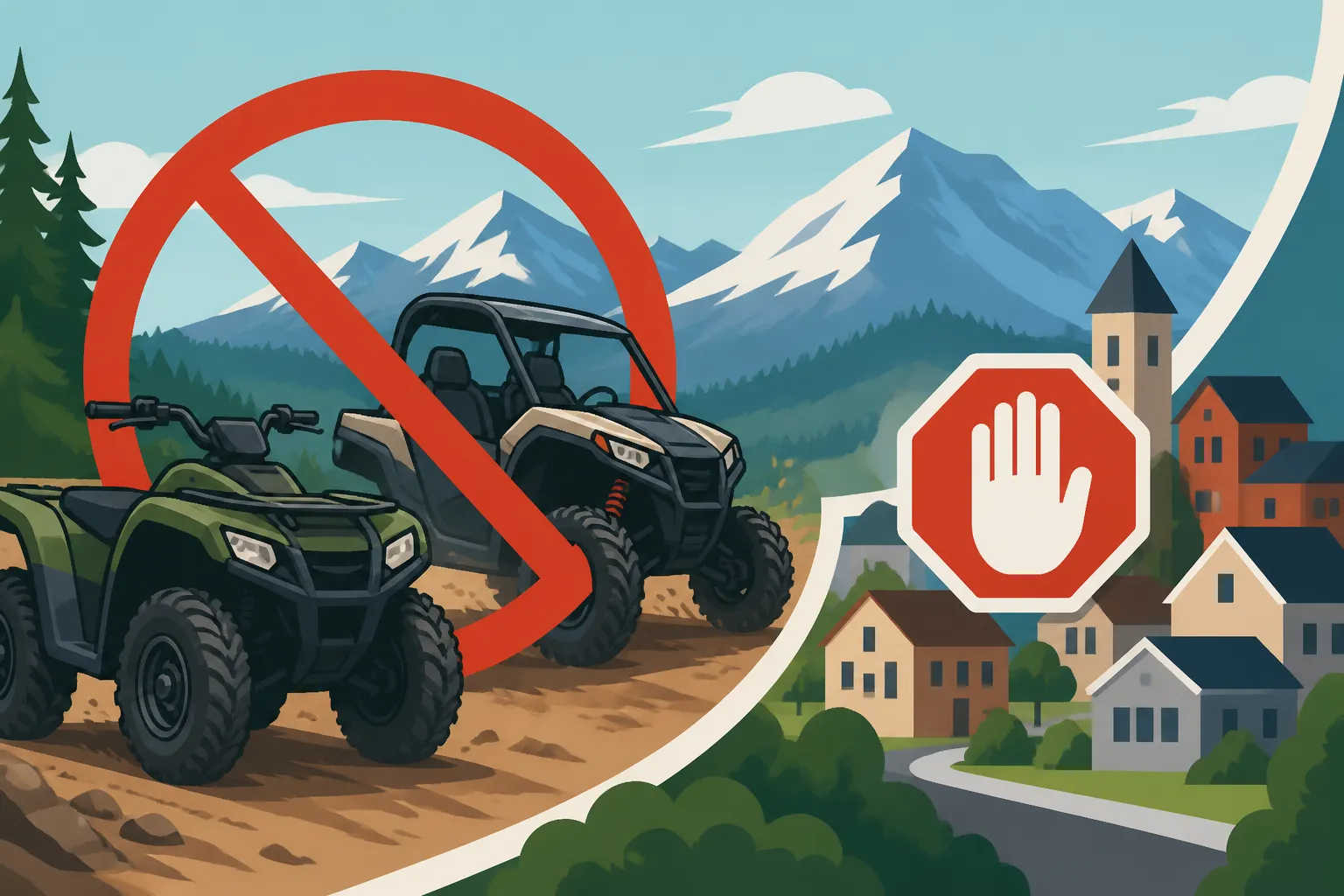
It’s a scenario many of us have faced: you’ve spent weeks planning the perfect Colorado OHV adventure, mapping out incredible trails, imagining those breathtaking mountain views, only to arrive and discover that your chosen basecamp town has a strict "no OHV on streets" policy. This can throw a major wrench in your plans, leading to confusion, frustration, and even fines if you're not careful. This guide is here to shed light on why some Colorado towns have decided to restrict or outright ban off-highway vehicle (OHV) access on their municipal roads and how you can navigate these complex local ordinances to ensure a smooth and enjoyable ride.
Why Some Colorado Towns Resist OHV Road Access
The pushback against OHV road access in certain Colorado mountain towns isn't usually born out of a dislike for the sport itself. Instead, it often stems from genuine community concerns about quality of life, safety, and the preservation of the town's unique character. When OHV enthusiasts are planning their trips, it’s crucial to understand these perspectives, as they dictate the rules you’ll encounter on the ground.
Noise, Dust, and Traffic Concerns
Imagine living in a small, historic mountain town that prides itself on its quiet charm and pristine air quality. Now imagine that same town being crisscrossed daily by dozens, if not hundreds, of OHVs. For many residents, the constant roar of engines, especially those with aftermarket exhausts, becomes an unbearable noise pollution problem. It disrupts the peace, makes outdoor dining less enjoyable, and can even impact the perceived tranquility that draws other types of tourists.
Dust is another huge issue, particularly on unpaved town roads. OHVs can kick up significant amounts of dust, which then settles on homes, businesses, and impacts air quality. This isn’t just an aesthetic nuisance; it can be a health concern for residents, especially those with respiratory issues. The increased traffic from OHVs also raises concerns. Small town streets and parking areas are often not designed for a large influx of these vehicles, leading to congestion, blocked views, and a general feeling of being overwhelmed. While responsible riders might install quality aftermarket mufflers, perhaps even a quieter exhaust system from a brand like SuperATV, that meets noise regulations, the general public often lumps all machines together, and the perception of noise and disturbance can be hard to shake.
Safety and Infrastructure Strain
Another primary driver behind restricted OHV access is public safety. Mixing fast-moving OHVs with pedestrian traffic, bicycles, and traditional passenger vehicles on narrow town streets presents significant challenges. Residents worry about accidents, especially involving children or elderly pedestrians who may not be accustomed to the speed or maneuverability of side-by-sides and ATVs. There's also the concern about young riders. Many towns have a strong family-friendly vibe, and the idea of youth operating OHVs on busy roads can be a major point of contention, even if [Colorado OHV Road Rules for Young Riders] are in place.
Beyond direct accidents, there's the strain on local infrastructure. Small towns often have limited resources for road maintenance. The wear and tear from heavy OHV traffic can accelerate road degradation, leading to potholes and other issues that are expensive to repair. Furthermore, emergency services in these remote areas are often volunteer-based or have limited staffing. An increase in OHV-related incidents, whether crashes or simply machines getting stuck and requiring assistance, can quickly overwhelm these vital services.
Preserving Town Character and Quiet Enjoyment
Many Colorado mountain towns have a distinct identity that they work hard to preserve. Some want to remain quiet havens for hikers, artists, and those seeking a serene escape. For these communities, the presence of numerous OHVs, while bringing a certain type of tourism, might be seen as conflicting with their core identity. They may worry that an influx of motorized recreation changes the very essence of what makes their town special.
This goes beyond just noise or dust; it's about the overall ambiance and the type of visitor a town wishes to attract. If a town is known for its quiet streets, historic architecture, and artisan shops, heavy OHV traffic can detract from that experience for other visitors. Local businesses, particularly those not directly catering to OHV riders, might also voice concerns that the perceived rowdiness or environmental impact of OHVs could deter their primary customer base, impacting their economic viability. This delicate balance between different types of tourism and resident quality of life is at the heart of many local access debates.
Specific Colorado Towns with OHV Access Restrictions
When you're planning your Colorado OHV adventure, knowing which towns have enacted restrictions is crucial. While the general trend in many parts of the state has been toward opening more roads, some communities have firmly decided to limit or prohibit OHV use on their municipal streets, often after extensive local debate and community votes.
Silverton's Stance and Enforcement
One of the most prominent and well-known examples of a town that has voted against widespread OHV access is Silverton. For years, Silverton served as a vital hub for accessing the spectacular Alpine Loop, and OHV traffic was common on its streets. However, after considerable debate and a public vote, the town decided to ban OHVs from most of its municipal roads. This decision, which came into effect after a 2021 vote, reflects a strong desire by the community to reclaim its quiet streets and preserve its historic character.
The restrictions in Silverton are strictly enforced. Riders caught operating their OHVs on unauthorized town streets face significant penalties. Many riders have learned this the hard way, receiving a [The $300 Fine for Riding Into Silverton] for simply trying to drive through town or access a restaurant. It's a clear message: Silverton wants riders to stage outside town and use only specific, designated routes that bypass the main street and residential areas. Riders planning to visit the Alpine Loop through Silverton must be intimately familiar with these rules and have a plan for parking their rigs and either walking or shuttling into town.
Ouray and Telluride: Varied Approaches to OHV Traffic
The towns of Ouray and Telluride, while both popular destinations in the San Juan Mountains, have adopted different strategies regarding OHV access. Ouray, often called "The Switzerland of America," acts as a major gateway to Engineer Pass and the northern section of the Alpine Loop. While Ouray has specific restrictions, it's not a complete ban like Silverton. Ouray has designated routes that OHVs are allowed to use to access trails or specific staging areas, but generally prohibits cruising through town or using residential streets. Riders often stage their machines at designated parking areas on the outskirts and walk or use shuttles to enjoy the town's amenities. The nuances of [Ouray and Telluride OHV Town Restrictions] mean that while you might be able to ride your machine to a specific point, you can't just drive anywhere. For instance, [Riding Into Ouray on a Side-by-Side] is possible on certain routes, but you must know them explicitly.
Telluride, on the other hand, has historically taken a much stricter stance, generally prohibiting OHVs on its municipal streets, reflecting its desire to maintain a pristine, pedestrian-friendly environment focused on high-end tourism and outdoor activities like hiking and skiing. While you can access world-class trails in the surrounding areas, planning to drive your OHV into Telluride itself is not a viable option. These different approaches highlight the importance of checking each town's specific ordinances, as they can vary significantly even within the same region.
Other Local Ordinances and Emerging Trends
While Silverton, Ouray, and Telluride are prominent examples, they are not the only Colorado communities with specific OHV rules. Many smaller towns and even some counties have developed their own ordinances governing where and how OHVs can operate on public roads. These can range from outright bans in town centers to designated routes, specific hours of operation, or requirements for things like turn signals and mirrors even for off-road machines when on pavement.
The trend for towns to consider their own rules continues, often in response to increased OHV tourism. This means that rules can change, and what was allowed last year might be restricted this year. For riders, this underscores the critical need for up-to-date research. Ignoring these local rules can lead to fines, damage to the OHV community's reputation, and even the closure of more access points. Understanding [Colorado Counties With OHV Road Ordinances] is a great starting point, but always double-check the specific town or municipality you plan to visit.
Navigating Restricted Access: Planning Your Colorado OHV Trip
Facing restricted access in certain towns can feel like a headache, but with a bit of foresight and careful planning, it doesn't have to derail your entire Colorado OHV adventure. The key is to be proactive, informed, and respectful of the communities you wish to visit.
Pre-Trip Research and Route Planning
This is the absolute most critical step. Before you even load your rig, you need to thoroughly research the specific town ordinances for any community you plan to enter or pass through. Don't rely on old information or assumptions. The rules can and do change. A great place to start is by looking at Motor Vehicle Use Maps (MVUMs) provided by the Forest Service and BLM, which clearly delineate legal motorized routes. However, these maps typically cover federal lands and don't always detail municipal town rules. You’ll need to check local town or county websites for specific ordinances. Look for direct information from the town's police department or local government. Websites for local tourism boards or chambers of commerce can also be good resources, sometimes offering "OHV-friendly" guides or listing specific restrictions.
When planning your route, identify potential "no-go" zones within towns and plan how to bypass them. This might mean finding alternative trails that completely avoid a town, or identifying designated OHV staging areas on the outskirts where you can park your trailer and unload your machine, then walk or shuttle into town for food and supplies. Having a comprehensive map, like one you might use to read [Reading a Colorado Motor Vehicle Use Map], along with a good GPS, can help ensure you stick to legal routes. Don't leave this to chance; an unexpected fine or confrontation can quickly sour an otherwise fantastic trip.
Respecting Local Rules and Community
Even when you disagree with a town's restrictions, respecting local rules is paramount. Remember, you are a guest in these communities. Ignoring "no OHV" signs or attempting to sneak through restricted areas not only puts you at risk of a citation, but it also creates animosity towards the entire OHV community. This can lead to even stricter regulations in the future.
Good rider etiquette goes a long way. When you are on authorized routes through or near towns, slow down considerably. Observe posted speed limits, which are often lower for OHVs. Be mindful of noise, particularly near residential areas. If you have an aftermarket exhaust, ensure it meets legal sound limits, and try to keep engine revs low. Avoid kicking up dust near homes or businesses. Simple courtesies, like waving to pedestrians or letting cars pass, can help foster a more positive image. Think about how you'd like someone to behave in your neighborhood, and apply that same consideration. It's about demonstrating that OHV enthusiasts are responsible visitors who care about the communities they recreate near. For example, using durable storage solutions, like those from SuperATV, to properly secure and carry out all your trash, ensures you are adhering to 'leave no trace' principles and leaving the trail and town cleaner than you found it.
Alternative Riding Destinations and Base Camps
If a particular town's restrictions make it too difficult or unappealing to use as a base camp, don't despair! Colorado is vast, with countless OHV-friendly destinations. Consider shifting your base to a town or area that actively embraces OHV tourism. Towns like Lake City, although it has its own specific rules for in-town riding, often have much more open access to trails directly from town or very nearby.
Many areas in Gunnison County, for example, are quite welcoming to OHV riders, offering direct trail access from campgrounds or designated staging areas. Taylor Park is another fantastic option, allowing easy access to hundreds of miles of trails. Sometimes, staying just outside a more restrictive town, in a campground or dispersed camping area, and trailering your machine in for specific rides, is the best strategy. This allows you to experience the amazing trails without the headache of navigating complex in-town rules. It also allows you to patronize businesses that are genuinely happy to have OHV visitors.
The Future of OHV Access in Colorado Mountain Towns
The landscape of OHV access in Colorado mountain towns is not static; it's an ongoing dialogue, a balance between recreation, tourism, and local quality of life. Understanding this dynamic helps riders appreciate why rules exist and how their actions can influence future decisions.
The Ongoing Dialogue Between Riders and Residents
The decisions made by towns like Silverton didn't happen overnight; they were the result of years of discussion, debate, and sometimes, heated disagreements between OHV proponents and local residents. On one side, riders and businesses catering to them emphasize the economic benefits of OHV tourism, bringing much-needed revenue to rural areas. They highlight the enjoyment of exploring Colorado's stunning backcountry. On the other side, residents voice concerns about noise, dust, safety, environmental impact, and the potential for a change in their town's character.
This dialogue is complex, with valid points on both sides. Many communities are actively trying to find a middle ground, designating specific routes, creating staging areas, and investing in infrastructure to accommodate riders while minimizing negative impacts. However, some towns, like Silverton, have decided that the impacts outweigh the benefits, leading to more restrictive measures. Riders should be aware that their actions on the trails and in the towns contribute to this ongoing conversation. Responsible behavior helps to build bridges; irresponsible behavior can solidify opposition.
Equipping Your Machine for Diverse Rules
Given the varied rules across Colorado, outfitting your OHV wisely becomes more important than ever. While Colorado doesn't issue "street legal" plates for OHVs in the same way some other states do, many towns that do allow OHVs on designated roads might have specific requirements for those short stretches. This often includes things like working headlights and taillights, brake lights, turn signals, a horn, and mirrors. Even if your primary riding is off-road, having these basic features ensures you're prepared for any permissible road sections.
For example, while you might not be aiming for a fully street-legal machine in Colorado, components like a turn signal kit or a sturdy horn from SuperATV can be invaluable for safety and compliance when you're traversing a short designated road section or even just crossing a highway. Furthermore, investing in quiet exhaust systems that meet spark arrester requirements is critical for responsible riding in all areas, and often a non-negotiable for forest service roads and in towns. Having appropriate tires for mixed terrain can also reduce impact on roads, while a robust SuperATV windshield can significantly reduce dust and debris when navigating areas with mixed use. Thinking ahead about how your machine is equipped can save you headaches and help you stay compliant.
Advocacy and Education for Responsible Riding
Ultimately, the future of OHV access in Colorado relies heavily on advocacy and education. OHV clubs and organizations play a vital role in working with land managers and local governments to maintain and expand access. They often volunteer for trail maintenance, educate riders on responsible practices, and serve as a voice for the OHV community.
For individual riders, participating in or supporting these groups is crucial. Beyond that, personal responsibility is key. Educating yourself on local rules, riding ethically, respecting private property, and practicing "tread lightly" principles can significantly improve the public perception of OHV riding. When riders are seen as responsible stewards of the land and considerate visitors to local towns, it builds trust and makes it more likely that access will be preserved, or even expanded, in the future. Conversely, a few bad apples can lead to widespread restrictions for everyone.
Here's a quick look at how some towns approach OHV access:
| Town/Area | General OHV Road Access Stance | Key Considerations for Riders |
|---|---|---|
| Silverton | Highly Restricted/Banned on most municipal streets (since 2021). | Riders must stage outside town. Fines are strictly enforced for unauthorized use. Plan to walk or shuttle into town for amenities. This is a crucial point of caution for anyone on the Alpine Loop. [Silverton's Ban on OHVs in Town] |
| Ouray | Restricted to Designated Routes. | Specific routes allow access to trails or staging areas, but general cruising through town is not permitted. Check current maps and signage. [Ouray and Telluride OHV Town Restrictions] |
| Telluride | Highly Restricted/Generally Banned on municipal streets. | Plan to access trails from outside town. This is a very pedestrian-focused community. |
| Lake City | More Open with specific in-town routes and rules. | Often considered OHV-friendly, but still requires adherence to posted speed limits and designated routes within town. [Lake City and Hinsdale County Road Access] |
| Kremmling | Specific OHV Routes Allowed within town. | Has worked to integrate OHV access to facilitate trail riding. Look for designated routes and signs. [Kremmling's OHV Street Rules] |
| Other Towns | Varies widely by local ordinance. | ALWAYS check the specific town's website or local signage. Assume restrictions unless explicitly stated otherwise. Be aware of [Colorado Noise Rules in Mountain Towns]. |
Remember, your adventure should be about enjoying Colorado's incredible backcountry responsibly. By doing your homework, respecting local rules, and riding courteously, you can help ensure that access remains open for everyone to enjoy for years to come. Don't forget that compliance with registration is key, as [Fines for an Unregistered OHV in Colorado] can be steep. Furthermore, showing courtesy by [Riding Slowly Past Homes on a Route] can greatly impact local perception.
Disclaimer
This article is for general informational purposes only and does not constitute professional advice. Laws, prices and regulations vary by location and change over time. Consult a qualified professional for guidance on your specific situation.