Colorado OHV Registration Number Format
It can feel like you need a secret decoder ring just to keep track of all the different numbers associated with your off-highway vehicle here in Colorado. Between the VIN, the title number, and the registration number, it’s easy to get them all mixed up. But understanding what your Colorado OHV registration number is, what it looks like, and why it's so important is crucial for smooth riding and staying compliant with state regulations. This guide will walk you through the typical format of these numbers, where to find them, and how they factor into your OHV ownership journey.
Decoding Your Colorado OHV Registration Number
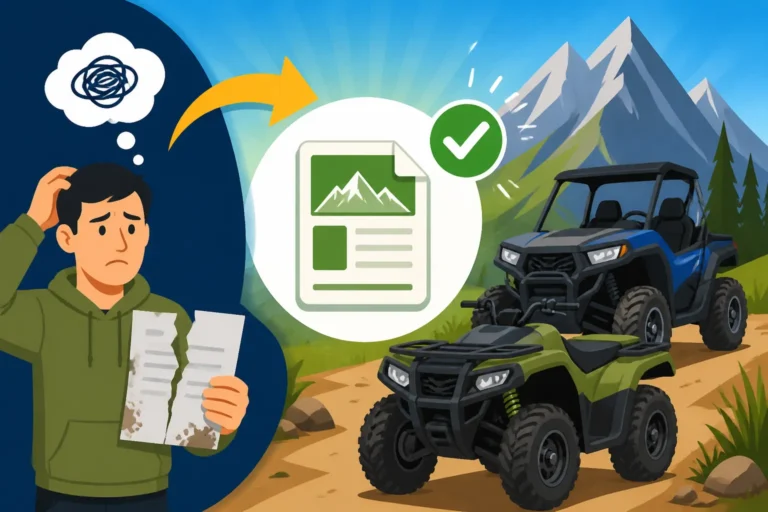
Let's face it, when you get that new registration card or sticker, it's often a jumble of letters and numbers. It's not always immediately clear what each part means or why it's structured the way it is. But once you know the basic layout, it becomes much less intimidating and a whole lot more useful.
The Basic Structure of the Number
Your Colorado OHV registration number is a unique alphanumeric identifier assigned to your specific off-highway vehicle (ATV, UTV, dirt bike, etc.) by Colorado Parks and Wildlife (CPW). It's designed to be distinct and easily traceable back to your machine and its registration. While the exact pattern might shift slightly over the years or for different types of machines, you'll generally see a structure that includes a combination of letters and numbers. Often, this includes an indicator for the registration year, followed by a sequence of characters that makes your machine unique within that year's registrations. Think of it as a serial number for your permission to ride on public lands.
It's vital to remember that this registration number is not your Vehicle Identification Number (VIN). Your VIN is a 17-character global identifier stamped directly on your machine's frame by the manufacturer – a permanent DNA unique to your vehicle worldwide. The registration number, on the other hand, is specific to your Colorado registration and is how CPW tracks who has paid their dues to use the trails. It's how they identify your machine when you're out enjoying the beautiful Colorado backcountry and how they know you're contributing to the trail system's upkeep.
Where to Find Your Registration Number
Knowing what the number looks like is one thing, but actually locating it when you need it can be another adventure in itself, especially if you're out on the trail and a ranger asks for it. Luckily, CPW makes sure it's printed in a few key places for your convenience. The most obvious place is on your official Colorado OHV registration card. This is the paper or digital document you receive after successfully registering your machine. It usually clearly labels the "Registration Number" alongside your name, address, vehicle details, and the validity dates. This card is your primary proof of current registration, so it’s always a good idea to keep a copy of it with you when you ride.
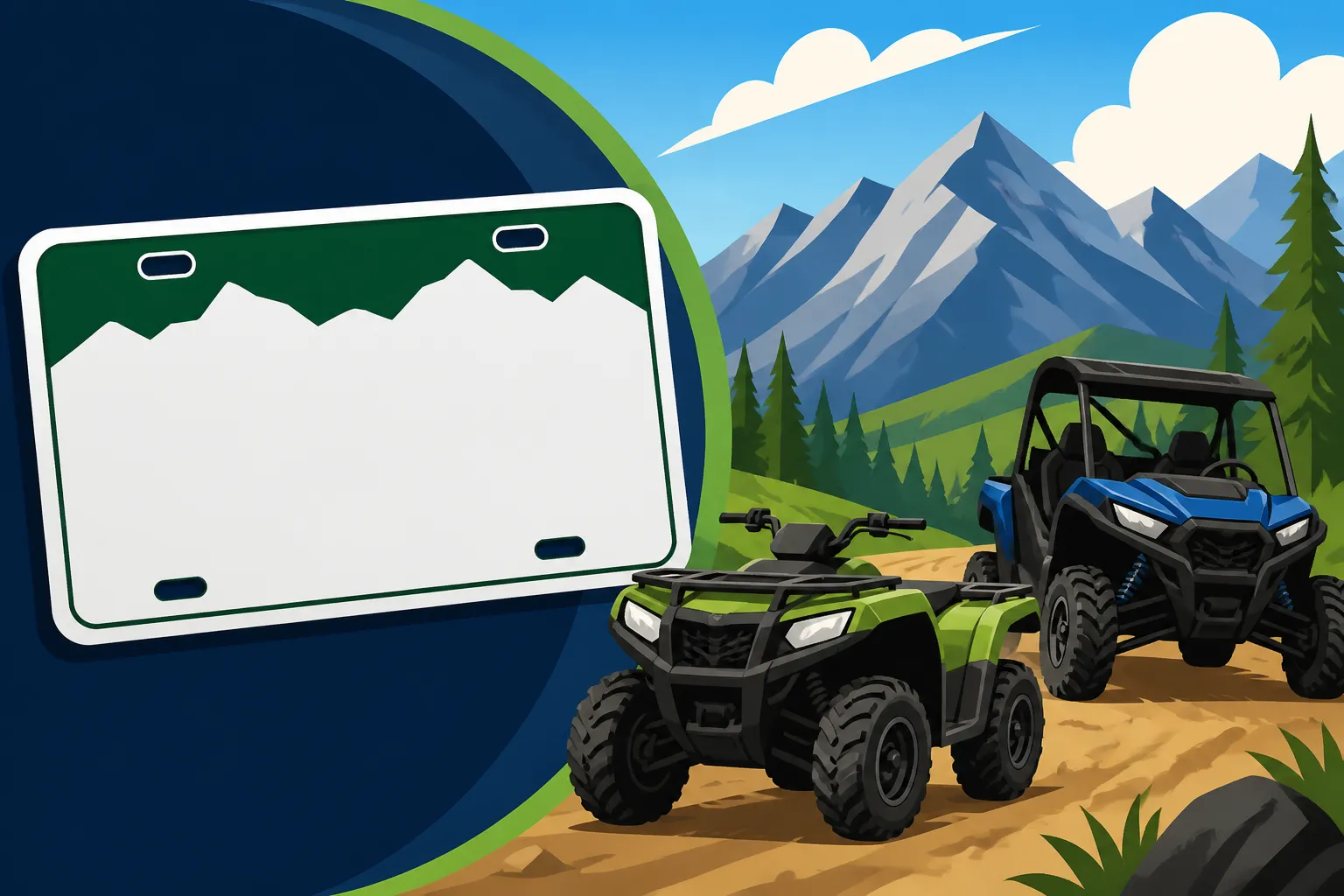
Beyond the card itself, the registration number is also prominently displayed on the actual OHV decal or sticker that you're required to affix to your machine. This sticker, often green with the current registration year, has the registration number printed directly on it. This is incredibly helpful for law enforcement and trail rangers who can quickly verify your registration status just by looking at the decal on your ATV or side-by-side. For specific guidance on placement, you might want to check out articles like [Where the Colorado OHV Sticker Goes] or [OHV Decal Placement on a Side-by-Side]. If you've ever renewed your registration online, you'll also notice this number appears on the confirmation screen or in any digital receipts you receive, making it easy to reference if you're ever doing a quick check.
Why Understanding the Format Matters
It might seem like a small detail, but getting a handle on the nuances of your OHV's various identification numbers can save you a lot of headaches, especially when dealing with legalities, buying or selling, or even just general maintenance.
Distinguishing from Other Identifiers VIN, Title Number
One of the most common points of confusion for OHV owners is mixing up the registration number with the VIN (Vehicle Identification Number) or the title number. Each of these serves a distinct purpose, and confusing them can lead to significant issues. The VIN, as mentioned, is the manufacturer's unique identifier for your specific machine – like its genetic code. It's etched into the frame, usually in a visible spot, and remains with the vehicle its entire life. This is the number you'd use for things like checking a used machine's history (e.g., against theft records using a service like VINCheck) or filing for a title. If you've ever had to correct an error, you know how crucial it is to have this correct, as detailed in [Fixing a Wrong VIN on a Colorado Title].
The title number, issued by the Colorado Department of Revenue (DOR), is a unique identifier for your certificate of title. The title is your ultimate proof of ownership – showing who legally owns the machine. While the title will contain the VIN, the title number itself is a separate identifier for that specific title document. The registration number, on the other hand, is specifically for your annual permission to ride on public trails. It is not proof of ownership, but rather proof of compliance with CPW's operating regulations. Think of it this way: the VIN is who the machine is, the title is who owns the machine, and the registration number is who has permission to ride the machine on public lands for a given year. Understanding these distinctions is paramount for any legal or transactional dealings with your OHV. You can learn more about this distinction in [Colorado OHV Title Versus CPW Registration].
| Identifier Type | Issued By | Purpose | Is it Proof of Ownership? | Stays with Machine Permanently? |
|---|---|---|---|---|
| VIN (Vehicle ID No.) | Manufacturer | Unique global identifier for the vehicle | No | Yes (unless altered illegally) |
| Title Number | Colorado Department of Revenue | Unique identifier for the Certificate of Title document | Yes | No (changes with new title/owner) |
| Registration Number | Colorado Parks and Wildlife | Proof of annual permission to operate on public lands | No | Yes (for that machine's registration history) |
Practical Applications for Owners
Beyond just identifying your machine, the registration number has several practical applications that make your life as an OHV owner easier. First and foremost, it's your key to hassle-free renewals. When it's time to renew your OHV registration each year (the Colorado OHV registration year runs April to March, after all), you'll typically use your existing registration number to access your record online or at a vendor. This streamlines the process, ensuring you're renewing the correct machine and updating your information efficiently. Check out [Colorado OHV Registration Renewal Online] for more details on that process.
Furthermore, if your OHV is ever stolen, that registration number becomes a critical piece of information for law enforcement. Along with your VIN and title details, providing your registration number helps authorities track and identify your machine, increasing the chances of recovery. This is a crucial step in the process described in [Recovering a Stolen ATV in Colorado]. And, of course, when you're out enjoying those incredible Colorado trails, encountering a ranger is part of the experience. They're there to ensure everyone is riding safely and legally. When they ask for your registration, they'll be looking for that number on your decal and possibly your physical card. Having it readily available and understanding what it means can make these interactions smooth and brief, getting you back to the fun faster.
Common Questions and Troubleshooting
It’s completely normal to have questions about your OHV registration number, especially given the various systems and rules. Don’t hesitate to seek clarification if something doesn’t quite add up.
What if My Number Looks Different?
Sometimes, you might look at your registration number and think it doesn't quite match what a friend has, or what you've seen online. It's a common concern, but usually, there's a simple explanation. Colorado Parks and Wildlife, like any large agency, might subtly adjust their numbering conventions over time. So, an older registration from years ago might have a slightly different character combination or length compared to a brand-new one issued today. Similarly, while the core format is consistent, there might be minor internal distinctions for different types of off-highway vehicles, like an ATV versus a dirt bike or a side-by-side, though these differences are typically behind the scenes and not meant to confuse the owner.
If you ever feel like your registration number looks significantly different, or if there's a typo or discrepancy you notice, the best course of action is always to contact Colorado Parks and Wildlife directly. They can quickly look up your record using your VIN or your name and address, verify the correct registration number, and address any potential errors. It's always better to clarify proactively rather than waiting for a potential issue on the trail. They're usually very helpful and can quickly put your mind at ease.
The Registration Number and Proof of Ownership
It’s easy to assume that because the registration card has your name on it and an identifier for your machine, it must be proof of ownership. However, this is a common misconception that can lead to difficulties, particularly during buying or selling scenarios. Your Colorado OHV registration number and the accompanying card are not considered primary proof of ownership. They simply demonstrate that your machine is currently registered and you have permission to operate it on designated public lands in Colorado.
The true proof of ownership for an OHV is typically the certificate of title issued by the Department of Revenue. For machines that are exempt from titling, a properly executed bill of sale is crucial. This is where a resource like LawDepot can be invaluable. If you're buying or selling a machine, using a well-structured bill of sale, perhaps generated through a platform like LawDepot, clearly documenting the transaction, the VIN, and the buyer and seller details, is absolutely essential. This document, alongside the title (if applicable), is what truly transfers legal ownership. Relying solely on a registration card as proof of ownership can leave you vulnerable to disputes or complications down the road, as the registration number identifies the registration, not the owner. Getting this right is a cornerstone of responsible OHV ownership in Colorado. Understanding this distinction is key to navigating the waters of buying and selling, and it’s a question often clarified in resources like [Proof of Ownership for a Colorado OHV].
Checking and Verifying an OHV Registration Number
If you're in the market for a used OHV, being able to check and verify its registration number (among other identifiers) is a smart move. While the registration number alone won't tell you if the machine is stolen (that's the VIN's job, as covered in [Checking a Used Machine Against Theft Records]), it can tell you if the machine has been registered in Colorado, and often, by whom. This helps you confirm that the seller is indeed the person listed on the current registration, adding a layer of transparency to your purchase.
Colorado Parks and Wildlife does provide ways for the public to look up certain OHV registration information, particularly if you have the registration number or VIN. This can be done through their online portals or by contacting them directly. For instance, if a seller provides you with a registration number, you might be able to verify that it's a valid, active registration linked to the machine they're trying to sell. This proactive step helps protect you from potential scams and ensures you're buying a machine with legitimate paperwork. Always prioritize verifying documentation; a quick check can save you from significant headaches later on. If you're buying from a private seller, having all the correct information is vital, as discussed in [Colorado OHV Registration After a Private Sale].
Maintaining Accurate Registration Records
Keeping your OHV registration details up-to-date and understanding how your registration number functions within these records is a foundational aspect of responsible ownership. It’s not just about getting the sticker; it’s about ensuring your legal status is always clear and accurate.
Importance of Keeping Records Up-to-Date
Life happens, and things change. You might move to a new house, or you might decide to sell your trusted side-by-side to another enthusiast. In all these scenarios, keeping your OHV registration records current with Colorado Parks and Wildlife is paramount. If you move, for instance, neglecting to update your address could mean you miss crucial renewal reminders, leading to a lapse in registration. Imagine getting pulled over on a trail only to find out your registration expired because the renewal notice went to your old address! This is why promptly updating your details, such as changing your address on a Colorado registration, is not just a suggestion but a necessity.
Furthermore, if you transfer ownership of your OHV, it’s not just about handing over the keys. The new owner will need to register the machine in their name, and while the registration number on the machine remains the same, the owner details associated with that number need to be updated with CPW. Failing to do so can create confusion and potential liability issues for both the buyer and the seller. Ensuring all records reflect the current reality prevents a host of future complications, from tax implications to disputes over who is responsible for the machine. This diligence makes for a smoother experience for everyone involved and demonstrates you’re a responsible member of the Colorado OHV community.
When the Registration Number Changes or Stays the Same
This is where it can get a little nuanced, but once you understand it, it makes perfect sense. For the most part, the unique registration number assigned to your OHV by Colorado Parks and Wildlife tends to stick with the machine throughout its registered life in Colorado. When you renew your registration each year, you're not typically getting a new registration number; rather, you're extending the validity of the existing number for another season, and receiving a new annual sticker to reflect the current year. The number itself is tied to that specific vehicle's entry in the CPW database.
However, there are specific circumstances where a "new" registration number might effectively come into play, even if the underlying machine is the same. For example, if a machine is heavily damaged, rebuilt, and issued a new VIN or a rebuilt title, CPW might treat it as a "new" registration for administrative purposes. More commonly, when you sell your OHV, the buyer will take the title and a bill of sale (perhaps one drafted using LawDepot) to register it in their name. While the physical decal on the machine still displays the existing registration number (until the new owner gets their fresh decal), the associated owner information in the CPW database will be updated to reflect the new owner. So, the number on the machine generally remains constant, but the details of the person responsible for that registered number change. It's an important distinction to grasp when buying, selling, or simply understanding the lifecycle of your OHV's paperwork here in the beautiful state of Colorado.
Disclaimer
This article is for general informational purposes only and does not constitute professional advice. Laws, prices and regulations vary by location and change over time. Consult a qualified professional for guidance on your specific situation.