Youth Machine Engine Sizes Colorado Families Choose
It can be incredibly exciting to introduce your kids to the world of off-highway vehicle (OHV) riding here in Colorado. There’s nothing quite like seeing their faces light up as they experience the thrill of the trails. But let's be honest, figuring out the right machine for them – especially when it comes to engine size – can feel like navigating a complex maze. Parents often worry about safety, legality, and making the right investment, all while trying to decipher rules that sometimes feel unclear. This guide is here to walk you through the specifics of youth machine engine sizes in Colorado, helping you make informed decisions that prioritize safety and fun for your entire family.
Understanding Colorado's Engine Size Regulations for Youth
When it comes to getting a youth rider onto an ATV or UTV in Colorado, the first thing many parents grapple with are the rules. It’s not just about what feels right; there are specific guidelines that influence what size machine your child can legally and safely operate on public lands. These regulations are designed to minimize risks and ensure that young riders are on machines appropriate for their developmental stage, both physically and mentally. Ignoring these rules isn't just a risk; it can lead to penalties and, more importantly, put your child in a dangerous situation.
Colorado's Age-Based Guidelines
Colorado Parks and Wildlife (CPW), the agency overseeing OHV recreation, sets forth guidelines primarily based on age and engine displacement. It’s not a hard-and-fast law that says "no 10-year-old on a 100cc," but rather a framework of recommended practices and some specific restrictions, especially concerning public roads. The general idea is to prevent a child from operating a machine that's too heavy, too fast, or too powerful for them to control effectively. Think of it this way: you wouldn't hand a new driver the keys to a semi-truck, right? The same logic applies to OHVs. For instance, while there isn't a strict statewide ban on a 12-year-old riding a 150cc ATV, public land agencies and safety organizations strongly recommend adhering to the manufacturer's age recommendations, which often align with these engine size tiers. Many manufacturers clearly label their youth models with age ranges, and these are often what rangers and safety instructors will reference. It’s crucial to understand that these guidelines are built on years of accident data and child development research.
Why Engine Size Matters for Safety
The horsepower and torque generated by a larger engine can quickly overpower a younger, less experienced rider. A 250cc engine, for example, is a completely different beast than a 90cc. It accelerates faster, reaches higher top speeds, and is significantly heavier, making it much harder to handle, especially in unexpected situations like hitting a rut or needing to make an emergency stop. Imagine a small child trying to wrestle a full-grown German Shepherd versus a puppy—the strength differential is huge. This difference directly impacts a child's ability to maintain control, react appropriately to changing terrain, and avoid collisions. A machine that's too big also impacts their ability to properly shift their weight for balance, reach controls comfortably, and even touch the ground with their feet, all critical for safe operation. Beyond the raw power, the physical size and weight of a larger machine pose a greater risk of injury in the event of a rollover or tip-over, simply due to the sheer mass involved.
Matching Engine Size to Rider Age and Experience
Choosing the right size OHV isn't just about sticking to the rules; it's about fostering a love for riding safely. The progression from smaller machines to larger ones should be gradual, allowing your child to build skills, confidence, and muscle memory at each stage. There’s a natural curve to learning to ride, and rushing it can lead to frustration or, worse, accidents. We want those first experiences to be positive, right?
Starter Machines: The 50cc to 90cc Range
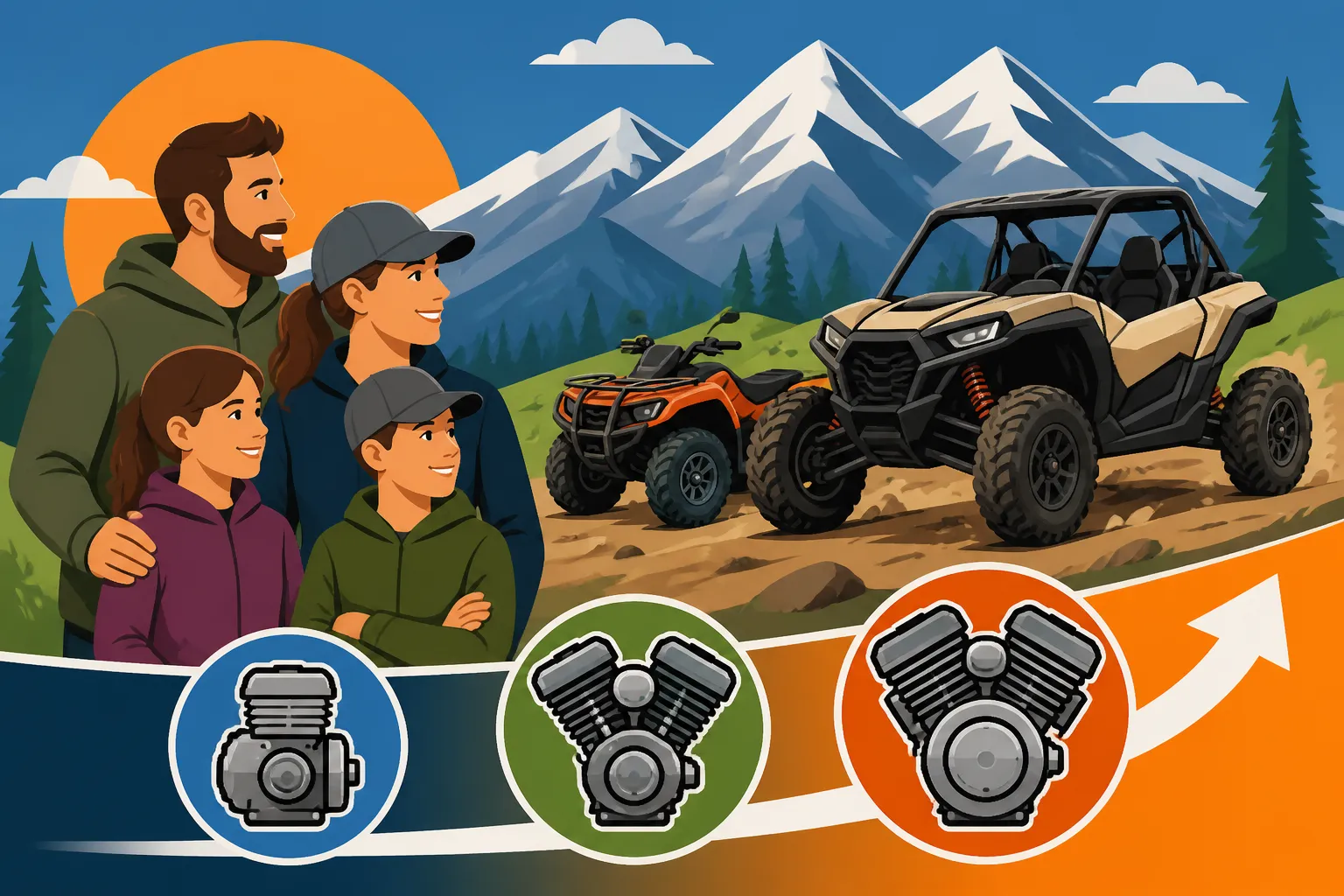
For the youngest riders, typically those between 6 and 11 years old, machines in the 50cc to 90cc range are the go-to. These are often single-cylinder, air-cooled engines, designed for reliability and ease of use rather than outright speed. Many come with features specifically for beginners, like throttle limiters that allow you to cap the top speed, and sometimes even remote shut-off switches for parental control. Think of models like the Polaris Outlaw 70 or the Yamaha Raptor 90. They are lightweight, have low seat heights, and offer predictable power delivery, making them ideal for learning the basics of throttle control, braking, and steering. This is where a child develops the foundational skills, understanding how the machine responds to their input without being overwhelmed by excessive power. They're perfect for supervised riding in open fields or on very gentle trails, away from more challenging terrain. Youth Machine Engine Sizes Colorado Families Choose are designed to build confidence first.
Stepping Up: The 90cc to 125cc Category
As your child grows in skill and size, usually around ages 10 to 14, they might be ready for the next step up to the 90cc to 125cc range. These machines offer a bit more power and speed, but are still manageable for riders with a solid grasp of fundamental riding techniques. You'll start to see models here that might introduce manual shifting, which is a great skill to develop before moving to larger, more complex machines. They're still relatively lightweight but can handle slightly more varied terrain and longer rides. Examples might include certain models of the Honda TRX90X or Suzuki Ozark 250 (though the 250cc is often recommended for 16+ years of age, there can be exceptions for highly skilled, larger young riders on private land). The key here is not just age, but demonstrated proficiency. Has your child mastered braking, turning, and obstacle avoidance on their smaller machine? Do they show good judgment and respect for the machine's power? These are the questions to ask before moving them up.
Approaching Adult Sizes: 150cc and Beyond
By the time a rider is around 14 to 16 years old, and has extensive experience, they may start looking at machines in the 150cc to 250cc range, or even some entry-level adult models. These OHVs have significantly more power, often full-size chassis, and features found on adult machines like more advanced suspension and disc brakes. At this stage, the lines between youth and adult machines can blur, but the emphasis remains on the rider's skill level and maturity. On public lands, [Colorado's Minimum Age to Ride an Opened Road] often applies to riders of any machine, regardless of size, if they are to use certain county roads. It’s critical that they are not just physically capable, but also possess the judgment to handle the increased speed and weight responsibly. Moving to a machine like a Polaris Sportsman 200 or a Honda Recon 250 means they are operating something that requires a higher degree of respect for its capabilities and the terrain. These machines are robust enough for more challenging trails, but require a rider who understands their limits and the machine's.
| Engine Size Range | Typical Age Group | Key Characteristics | Common Use Cases |
|---|---|---|---|
| 50cc – 90cc | 6-11 years old | Low power, lightweight, small chassis, often with throttle limiters and electric start. | Learning basics in open areas, very gentle trails, supervised private land riding. |
| 90cc – 125cc | 10-14 years old | Moderate power, slightly larger chassis, often manual or semi-automatic transmission. | Developing skills on varied terrain, longer rides, supervised trail riding. |
| 150cc – 250cc | 14-16+ years old | Significant power, full-size chassis, advanced features, higher top speeds. | Experienced riders, challenging trails, potentially some utility use on private land. |
The Evolution of a Young Rider's Machine: Growing into OHVs
Just like kids outgrow their clothes and bicycles, they will eventually outgrow their first OHVs. This natural progression is a part of their development as riders. Understanding when and how to transition them to a larger machine, and what to do with the old one, is a common part of the OHV parenting journey. It's not just about a growth spurt; it's about skill development and the kind of adventures they're ready to tackle.
Outgrowing a Starter Machine
You’ll know your child is outgrowing their starter machine when a few things become apparent. Physically, they might look cramped on the machine, with knees hitting the handlebars or their feet struggling to find comfortable purchase. More importantly, their riding skills will likely have surpassed the machine's capabilities. They might be pushing the throttle limiter to its maximum constantly, seeking more speed, or finding the machine’s suspension inadequate for the bumps and jumps they're now comfortable tackling. They might even be getting bored with the limited terrain their smaller machine can handle. This isn't a bad thing; it means they've learned and are ready for new challenges. It’s a sign that their confidence and coordination have matured to the point where a more powerful or physically larger machine will actually enhance their safety, not detract from it, because they can handle it.
When to Consider an Upgrade
The decision to upgrade should be a thoughtful one, combining observation of your child's physical growth and their riding proficiency. Don't rush into it just because their friends have bigger machines. Instead, observe their control: do they handle their current machine with ease and precision in various conditions? Are they comfortable with emergency braking, shifting their weight, and navigating obstacles? Another factor is the terrain you plan to ride. If your family is moving from wide-open fields to more technical mountain trails, a more capable machine might be necessary for their safety and enjoyment. When you do upgrade, consider a modest step up, not a huge leap. Going from a 50cc to a 250cc machine in one go is rarely a good idea. Instead, consider a 90cc or 125cc as the next logical step. And remember, [Youth Machines at Colorado Altitude] might perform differently than at sea level, so factor that into your power considerations.
Resale Value of Youth OHVs
One of the great things about quality youth OHVs is their often-strong resale value. Parents frequently look for used youth machines because kids grow out of them quickly, making the used market robust. When you’re ready to upgrade, you can often recoup a significant portion of your initial investment, especially if the machine has been well-maintained. Keeping good records of maintenance, having clear title or proof of ownership, and even using a standardized bill of sale template can make the selling process much smoother. Companies like LawDepot offer customizable bill of sale templates that can simplify the process, ensuring you have all the necessary details documented. A clean machine with minimal cosmetic damage and a clear history will always fetch a better price, allowing you to put that money towards the next machine in your child's riding journey.
Safety Considerations Beyond Engine Size
While engine size is a critical factor, it's just one piece of the safety puzzle. A responsible approach to youth OHV riding in Colorado involves a holistic view of protective gear, proper supervision, and understanding trail etiquette. You can put your child on the smallest machine, but without these other elements, they're still at risk.
Helmets and Protective Gear Requirements
Colorado, thankfully, takes rider safety seriously, especially for youth. While there isn't a statewide helmet law for all OHV riders, [Colorado Helmet and Eye Protection: What Is Actually Required] explicitly states that all riders under 18 years of age must wear a DOT-approved helmet when riding an OHV on public lands. This is non-negotiable. Beyond the helmet, proper protective gear is crucial. This includes eye protection (goggles), over-the-ankle boots, long pants, a long-sleeved shirt, and gloves. This gear isn't just for show; it protects against scrapes, impacts, and debris, which are all part of the off-road experience. Investing in good quality gear means less worry about minor tumbles and more focus on fun. Think of it as their suit of armor for the trail – it's an essential part of the ride.
Supervision and Training in Colorado
Colorado law also emphasizes the importance of supervision for young riders. On public roads where OHVs are permitted, [Colorado Supervision Rules on a County Road] mandate that riders under a certain age (often 16, depending on the specific ordinance) must be under the direct supervision of an adult. This means the adult should be in a position to constantly monitor and intervene if necessary. Furthermore, while Colorado doesn't require an OHV safety certificate for all riders, it's highly recommended, especially for youth. These courses teach critical skills like hazard avoidance, proper braking, hill climbing and descending techniques, and responsible riding practices. Many courses are specifically designed for youth, making learning engaging and effective. Think of it as a driver's education class, but for the trail. These courses build not just skill, but also a crucial understanding of safety principles and trail ethics that will serve them their entire riding life.
Trail Etiquette and Responsible Riding
Teaching proper trail etiquette from a young age is just as important as teaching them how to ride. Colorado's trails are shared spaces, and respecting other users and the environment is paramount. This includes staying on designated trails, yielding to uphill traffic, keeping speeds appropriate for conditions, and minimizing dust when passing homes or other riders. It's about being a good steward of our incredible public lands. Kids learn by example, so demonstrating responsible riding yourself is the best lesson. Explain why we stay on the trail (to protect fragile ecosystems), why we slow down around hikers or horses (to avoid startling them), and why we pack out everything we pack in (Leave No Trace principles). These lessons are not just about avoiding fines for an [Unregistered OHV in Colorado] or other infractions; they're about preserving the future of OHV riding for everyone, including their own generation.
Navigating Purchase and Ownership for Youth Machines
Bringing a youth OHV into your family involves more than just picking out the right size. There's a whole layer of practicalities, from where you buy it to the essential paperwork that makes you the legal owner. This part often feels intimidating for new buyers, but understanding the steps can save you headaches down the line.
Buying New Versus Used
When considering a youth machine, you generally have two main routes: buying new from a dealership or purchasing used from a private seller. Each has its pros and cons. Buying new offers peace of mind with a warranty, the latest safety features, and often financing options. However, it comes with a higher price tag and depreciation. Dealers also handle much of the sales tax and registration paperwork, making it a smoother process. On the other hand, buying used can be much more cost-effective, especially given how quickly kids can grow. But it requires more vigilance. You'll need to thoroughly inspect the machine for wear and tear, check maintenance history, and verify ownership documents carefully. Always ask for clear proof of ownership and a detailed bill of sale. For this, resources like LawDepot can provide excellent templates for an [ATV Bill of Sale Wording That Holds Up], protecting both buyer and seller.
Essential Paperwork for Youth OHVs
Even for youth machines, the paperwork can be critical. If you plan to ride on public land, your machine will need a Colorado OHV registration sticker. This is an annual permit managed by Colorado Parks and Wildlife. It's separate from a title, which is handled by the Colorado Department of Revenue, and applies to all machines, including those for youth. Understanding the distinction between [Colorado OHV Title Versus CPW Registration] is crucial. While smaller, older youth machines might not have a formal title (some states didn't title smaller ATVs in the past), having a clear bill of sale and [Proof of Ownership for a Colorado OHV] is always essential. This documentation proves you legally own the machine and is vital if it's ever stolen or if you decide to sell it. Don't skip these steps, no matter how small or inexpensive the machine might seem.
LawDepot for Documentation Peace of Mind
Navigating the legalities of buying and selling, especially with youth machines that might have less formal history, can be daunting. This is where reliable legal document services can be incredibly helpful. LawDepot, for instance, offers a range of customizable legal templates, including bills of sale, promissory notes, and even powers of attorney, which can be invaluable when dealing with OHV transactions. Using a professionally crafted template ensures that all the necessary information—such as buyer and seller details, machine description, VIN, sale price, and transfer of ownership statements—is properly included. This minimizes potential disputes and provides clear documentation should any issues arise in the future. It’s an easy way to ensure that your purchase or sale of a youth OHV is legally sound and stress-free.
Resources and Next Steps for Colorado Families
Embarking on the OHV journey with your children is an ongoing adventure. Beyond the initial purchase and legalities, there are many opportunities to enhance their skills, connect with the riding community, and ensure they become lifelong responsible riders. Colorado offers a wealth of resources to support this growth.
Colorado OHV Safety Courses
One of the best investments you can make for your young rider is enrolling them in an OHV safety course. While not always mandatory, these courses provide invaluable hands-on training and theoretical knowledge that can prevent accidents and build confidence. Many organizations, including the ATV Safety Institute (ASI) and local Colorado OHV clubs, offer certified courses specifically for youth. These programs cover everything from pre-ride inspections and basic maintenance to advanced riding techniques and risk awareness. Completing a course not only makes them a safer rider but also often qualifies them for insurance discounts. It's truly a win-win, fostering a deeper understanding and respect for the machine and the environment.
Local Riding Clubs and Mentorship
Colorado boasts a vibrant OHV community with numerous local clubs spread across the state. Joining a club can be an incredible way for your family, and especially your young rider, to connect with experienced enthusiasts. Clubs often organize group rides, educational events, and trail maintenance days. For a young rider, being mentored by seasoned riders can provide practical insights and encourage responsible riding habits that they might not pick up on their own. It’s also a fantastic way to discover new trails, learn about local regulations, and make lasting friendships. Imagine your child finding a passion for maintaining trails as well as riding them – that's the kind of stewardship that grows from community involvement. Check out resources like [Colorado OHV Clubs and Trail Adoption] to find groups near you.
Continued Learning and Trail Preparation
The learning doesn't stop after a safety course. Every ride is an opportunity to learn something new. Encourage your child to constantly evaluate terrain, adapt their riding style, and anticipate potential hazards. Before any ride, especially in Colorado's high country, proper preparation is key. This includes checking the weather, having a map, carrying essential tools, a first-aid kit, and enough water and snacks. Teaching your child how to read a [Motor Vehicle Use Map] (MVUM) and understand trail difficulty ratings will empower them to make informed decisions on the trail. Regular machine maintenance is also a lesson best learned young; understanding how to check tire pressure, oil levels, and chain tension can prevent breakdowns and instill a sense of responsibility for their equipment. Building these habits early ensures a lifetime of safe and enjoyable OHV adventures in our beautiful state.
Disclaimer
This article is for general informational purposes only and does not constitute professional advice. Laws, prices and regulations vary by location and change over time. Consult a qualified professional for guidance on your specific situation.