Replacing a Damaged Colorado OHV Decal
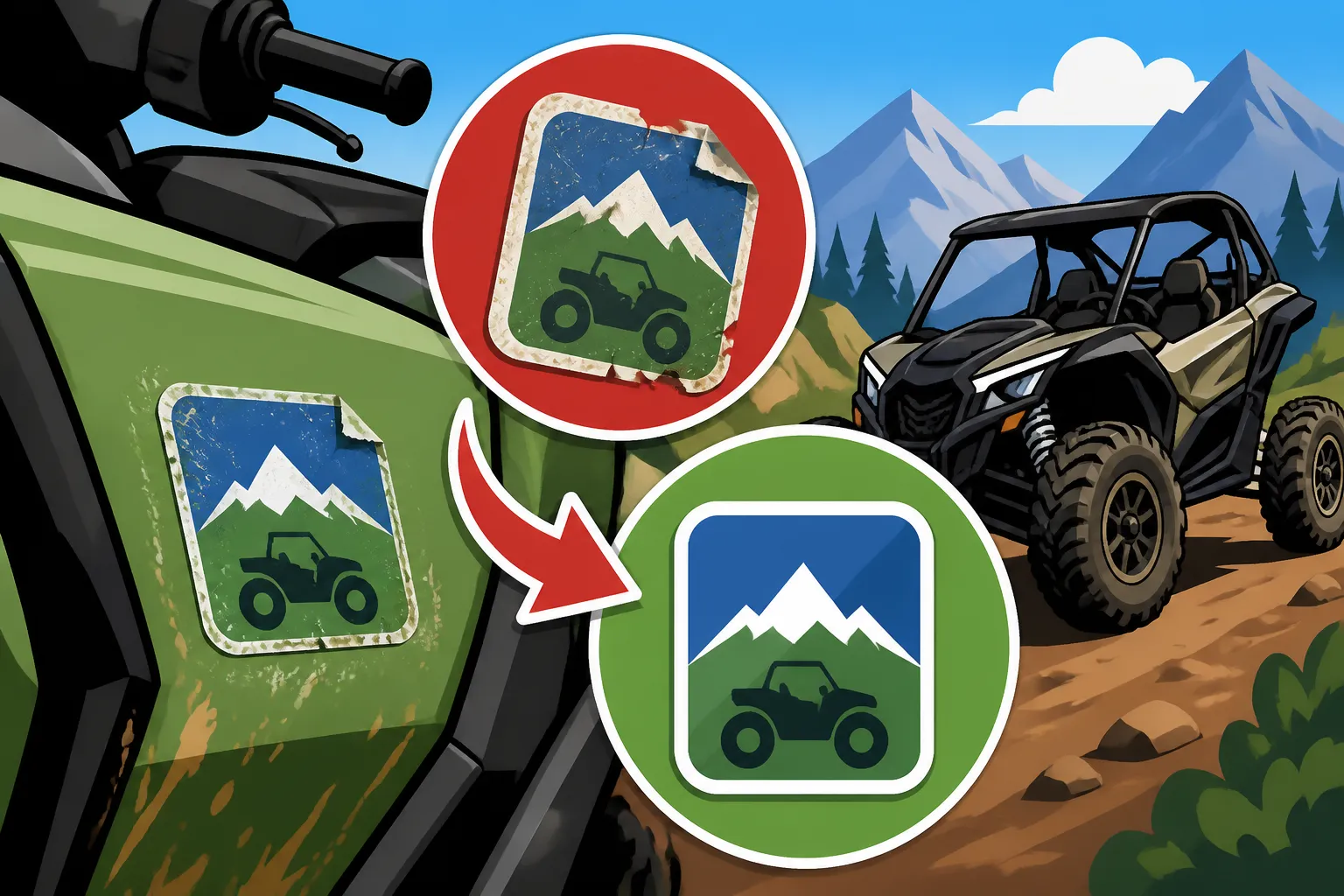
There's nothing quite as frustrating as looking at your trusty ATV or UTV, all geared up for a Colorado adventure, only to spot that your official OHV decal is looking rough. Maybe it's peeling at the edges, faded into oblivion by the relentless Colorado sun, or worse, torn in a scramble through some dense brush. You know you paid for it, but if it's not clearly visible, is it really valid? This can lead to a knot of anxiety about getting questioned by a ranger or, honestly, just making your machine look neglected. Don't worry, you're not alone, and getting a replacement isn't as daunting as it might seem. This guide will walk you through the simple steps to replace a damaged Colorado OHV decal, ensuring your machine stays compliant and ready for the trails.
Why Your OHV Decal Might Get Damaged
Let's be real, our OHVs are built for adventure, which often means they face some pretty harsh conditions. It's not always your fault if that little sticker starts to look less than pristine. Understanding common culprits can sometimes help prevent future issues, but for now, let's acknowledge why your decal might be giving you grief.
Sun Exposure and Wear and Tear
Colorado's sun is glorious, especially when you're out riding the high country. But that intense UV radiation is no friend to decals. Over time, even the most durable stickers can fade, losing their vibrant colors and crisp details. A faded decal can be hard to read, making it difficult for enforcement officials to verify your registration status at a glance. Then there's the constant exposure to dust, grit, and varying temperatures – from scorching summer days to freezing mountain nights – all contributing to the breakdown of the adhesive and the decal material itself. It's just the nature of putting something sticky on a machine that lives a tough life.
Accidental Damage During Riding or Washing
Picture this: You're navigating a tight, brushy trail on the Grand Mesa, and a rogue branch whips past, leaving a nasty scratch or tear across your shiny green decal. Or maybe you're giving your side-by-side a much-needed wash after a muddy day in Taylor Park, and a high-pressure spray accidentally lifts an edge of the sticker. These things happen! From minor scrapes against rocks or trees to being snagged by equipment or even just the repeated friction of loading and unloading, everyday use can easily compromise your decal's integrity. It's a small piece of plastic, after all, and our machines are meant to be used, not babied. For tips on where exactly the decal goes to minimize this, check out [OHV Decal Placement on a Side-by-Side] or [Where the Colorado OHV Sticker Goes].
Issues with Initial Application or Material
Sometimes, the problem isn't even about what you did, but how the decal was applied in the first place, or even the quality of the decal itself. If the surface wasn't perfectly clean and dry during the initial application, air bubbles or poor adhesion can lead to premature peeling. Extreme temperature fluctuations right after application can also affect how well the adhesive cures. While Colorado Parks and Wildlife strives to provide quality decals, manufacturing variations can occasionally lead to a sticker that simply doesn't hold up as well as it should, regardless of your best efforts.
The Process for Replacing a Colorado OHV Decal
Okay, so your decal is looking worse for wear. The good news is that Colorado Parks and Wildlife (CPW) has a straightforward process for getting a replacement. You don't need to re-register your entire machine, just get a fresh sticker.
Gathering Your Information
Before you reach out to CPW, make sure you have all your ducks in a row. The most important piece of information you'll need is your current OHV registration number. This is typically a unique sequence of numbers and letters found on your existing decal, as well as on your registration card. You'll also need the name and address associated with the registration, and possibly the VIN of your machine, just to confirm everything. Having this information handy will make the process much smoother and quicker when you contact CPW. This is crucial for them to look up your existing record and ensure they're sending the correct replacement to the rightful owner. If you've recently moved, make sure your address is updated with CPW, which you can often do by referring to guides like [Changing Your Address on a Colorado Registration].
Contacting Colorado Parks and Wildlife
CPW is the agency that handles all OHV registrations and decals in Colorado. You have a few main ways to request a replacement:
- Online: This is often the quickest and most convenient method. Head to the CPW website and look for the OHV registration section. There should be an option to request a duplicate decal or replacement for a damaged one. You'll likely need to log into an existing account or create one if you haven't already registered online. The system will guide you through entering your registration information and paying the necessary fee.
- By Phone: If you prefer to speak with a person, you can call CPW's customer service line. Have your registration details ready, explain that you need a replacement for a damaged decal, and they will walk you through the steps. They can process the request and payment over the phone. For more on this, you might look into [Buying a Colorado OHV Registration by Phone].
- In Person: While less common for just a decal replacement, you can visit a CPW office or one of their authorized vendors. However, many vendors are primarily set up for new registrations or renewals, so calling ahead to confirm they can handle a decal replacement is a good idea. This is often the best route if you have other registration questions or need immediate assistance, but for a simple decal, online or phone is usually faster. Check out [Colorado OHV Registration Vendors Across the State] for potential locations.
Understanding the Replacement Fee
There is typically a nominal fee associated with replacing a damaged OHV decal. This fee covers the administrative costs and the production and mailing of your new sticker. While I can't give you an exact current price, expect it to be a relatively small amount compared to the full registration cost. The exact fee will be clearly stated when you process your request online or over the phone with CPW. Always check the official CPW website or ask directly when you call for the most up-to-date figures. It's a small price to pay for peace of mind and compliance on the trails. This fee ensures the program can continue to provide essential services, much like the general cost outlined in [What Colorado OHV Registration Costs].
What to Do While Waiting for Your New Decal
Once you've submitted your request for a replacement decal, there's usually a short waiting period for it to be processed and mailed to you. This can sometimes feel a bit nerve-wracking, especially if you have a riding trip planned soon.
Carrying Proof of Application
CPW understands that things take time. After you've applied for your replacement decal, you should receive some form of confirmation. This might be an email confirmation if you applied online, a transaction number, or a receipt if you applied in person or by phone. It is highly recommended that you carry this proof with you whenever you ride until your new decal arrives and is properly affixed. While a ranger certainly prefers to see a valid decal, having proof that you've initiated the replacement process can often clear up any questions if you're stopped. It demonstrates your good faith effort to comply. Think of it like a temporary permit; it’s not the official decal, but it shows you’re on the right track. For further context, [Riding While You Wait for Your Colorado Sticker] can offer more insights.
Avoiding Penalties for a Missing Decal
Riding with an expired, unreadable, or completely missing OHV decal can potentially lead to citations and penalties. While carrying proof of your replacement application helps, it's not a guaranteed "get out of jail free" card. The best practice is to ensure your machine is clearly registered and identifiable. If your current decal is so damaged that it's unreadable, you might be at higher risk. The goal is always to present clear evidence of current registration. By actively replacing a damaged decal, you are taking the necessary steps to remain compliant. For details on potential repercussions, you can review [Penalties for an Unregistered OHV in Colorado].
Proper Placement Once It Arrives
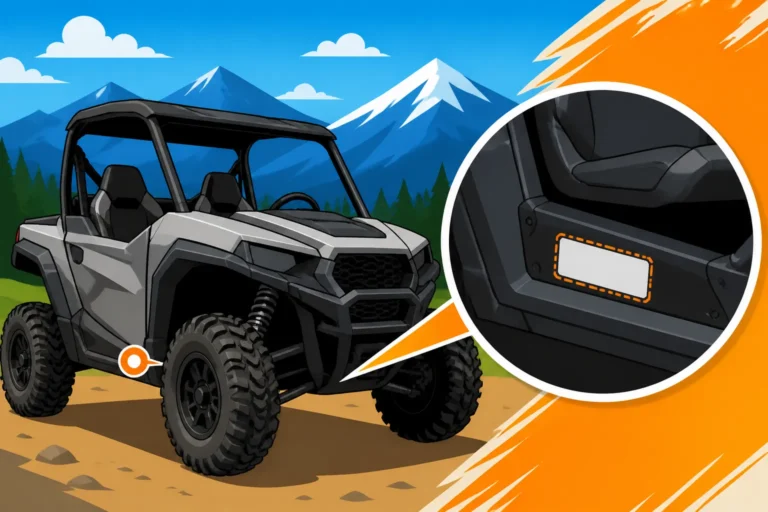
Once your brand-new, crisp green decal arrives in the mail, resist the urge to just slap it on anywhere. Proper placement is key for visibility and longevity. The decal must be visibly displayed on the exterior of the machine, typically on the left side of the machine, in a prominent location where it won't be easily obstructed or damaged. For ATVs, this is often the left front fender or side panel. For UTVs and dirt bikes, there are specific spots designed for this. Make sure the surface is clean, dry, and free of any old adhesive residue or dirt before applying. Press firmly and smooth out any air bubbles to ensure maximum adhesion. You definitely don't want to go through this process again sooner than necessary! More details on this can be found in [Where to Stick an OHV Decal on a Four-Wheel ATV] or [Colorado Sticker Placement on a Dirt Bike].
Preventing Future Decal Damage
While some damage is inevitable given the nature of OHV riding, there are steps you can take to give your replacement decal the best chance at a long, legible life.
Choosing the Right Placement Spot
As mentioned, CPW specifies the general area for decal placement, but within that area, you might have a little flexibility. When applying your new decal, consider these points:
- Visibility vs. Exposure: Choose a spot that is clearly visible but also somewhat protected from direct impacts from brush or debris. For example, a flat section of a fender might be better than a curved edge that's more prone to snagging.
- Sun Exposure: If possible, consider a spot that gets slightly less direct, prolonged sunlight exposure, though this is often difficult on an open-air machine.
- Heat Sources: Avoid placing the decal directly over or too close to engine components that get very hot, as extreme heat can degrade the adhesive and material over time.
- Cleaning Routine: Think about how you typically wash your machine. Placing the decal in a spot that isn't constantly hit by high-pressure sprays will help it adhere longer.
Care and Maintenance Tips
A little proactive care can go a long way in preserving your decal.
- Gentle Cleaning: When washing your OHV, be mindful around the decal. Use a softer stream of water and a gentle brush or cloth, rather than harsh chemicals or abrasive scrubbing, directly on the decal. [Stickers That Peel Off After a Wash] highlights why this is important.
- Protective Waxes/Sealants: Some riders apply a clear protective wax or ceramic coating over their decals, similar to how they protect paint. This can offer an extra layer of UV protection and make the decal easier to clean. Just be sure the product is safe for decals and won't interact negatively with the adhesive.
- Storage: If you store your OHV outdoors, consider using a cover. This not only protects the entire machine from the elements but also significantly reduces the decal's exposure to UV rays, rain, and hail.
Considering Decal Protection
For those who are really committed to preserving their decals, there are aftermarket solutions available. You can find clear protective films or vinyl overlays designed to be placed over your decal. These act as a sacrificial layer, taking the brunt of UV radiation, minor abrasions, and cleaning efforts. While not strictly necessary, if you find yourself frequently replacing decals due to rapid fading or minor damage, this might be a worthwhile investment. It's about deciding how much effort and expense you want to put into prolonging the life of that little green sticker.
| Aspect | Damaged Decal Replacement | New OHV Registration |
|---|---|---|
| Purpose | Replace a worn/torn decal | Register a new machine |
| Required Info | Existing Reg #, Owner Info | Proof of Ownership, VIN |
| Cost | Nominal fee | Full registration fee |
| Decal Included? | Yes, a new one sent | Yes, a new one sent |
| Validity Period | Continues original period | Starts a new period |
| Agency | CO Parks & Wildlife (CPW) | CPW |
| Common Scenario | Fading, peeling, accidental tear | New purchase, moving to CO |
Remember, keeping your OHV decal in good condition isn't just about avoiding a ticket; it's about being a responsible rider and contributing to the trails we all love. Colorado's OHV registration fees, including those for replacement decals, directly support the maintenance and development of our incredible trail system. The [Colorado OHV Grant Program and Trail Funding] relies on these fees to keep our riding areas open and enjoyable.
Disclaimer
This article is for general informational purposes only and does not constitute professional advice. Laws, prices and regulations vary by location and change over time. Consult a qualified professional for guidance on your specific situation.