What to Do After an OHV Crash in Colorado
Colorado off-highway vehicle crash procedures explain how to assess injuries, secure accident scenes, and handle recovery paperwork.
Legal here, illegal one county over.
What each state allows, the mirrors, horn and signals a conversion requires, and the county and city overrides that quietly change the answer.
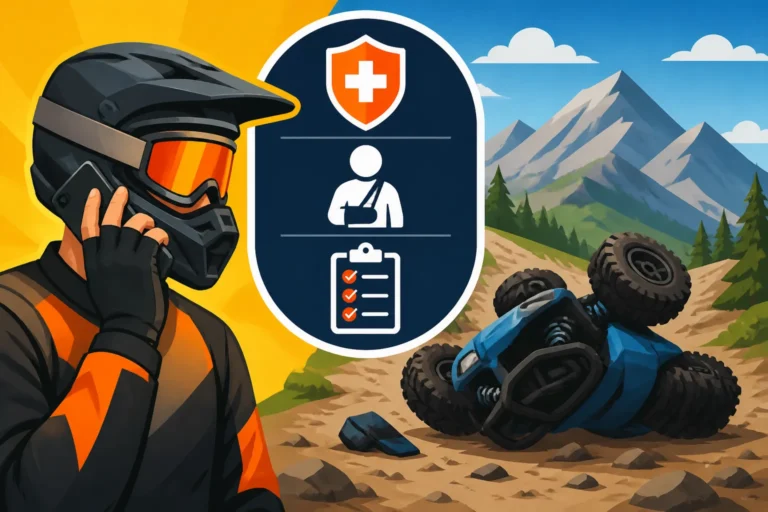
Colorado off-highway vehicle crash procedures explain how to assess injuries, secure accident scenes, and handle recovery paperwork.
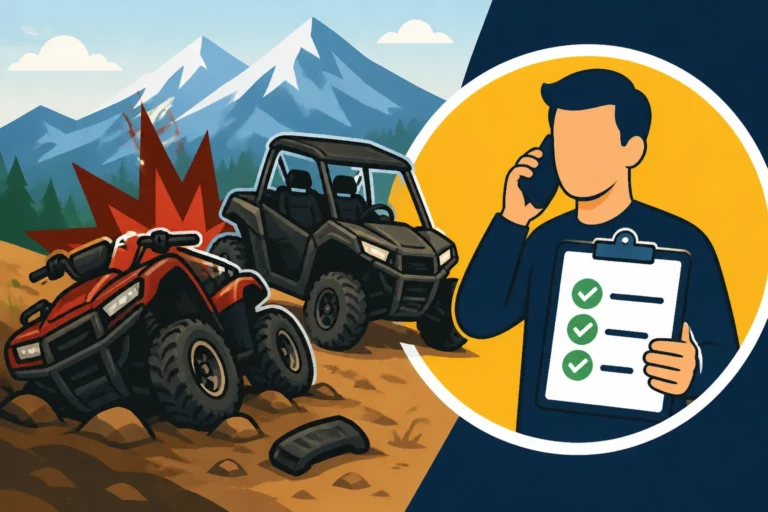
Colorado off-highway vehicle crash reporting rules require filing incident reports for serious injuries, fatalities, or significant property damage.
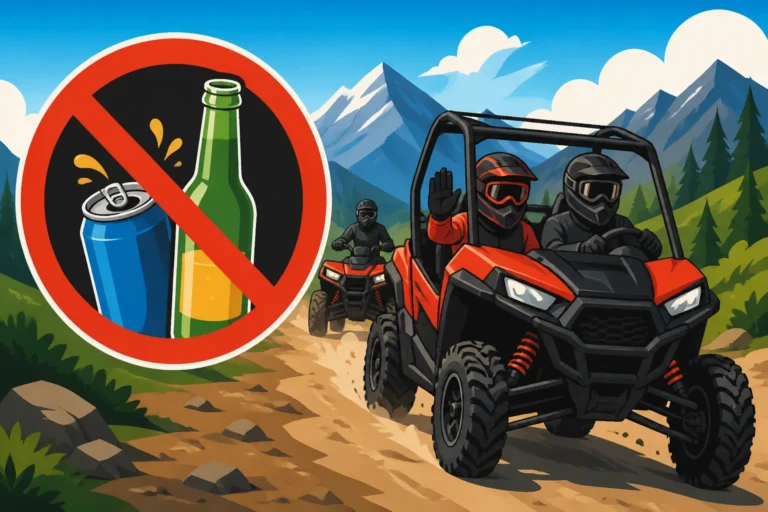
Colorado open container laws apply to ATVs and UTVs on public roads and trails, explaining how to avoid fines.
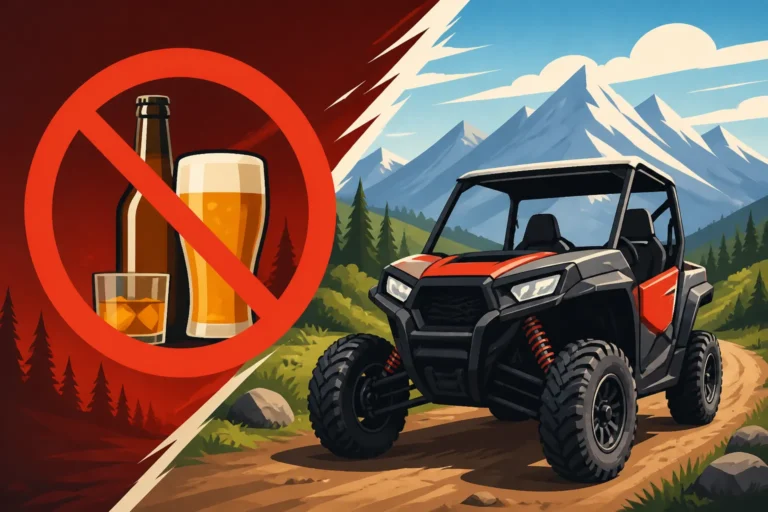
Colorado laws enforce a 0.08 percent blood alcohol limit and severe penalties for operating an OHV under the influence.
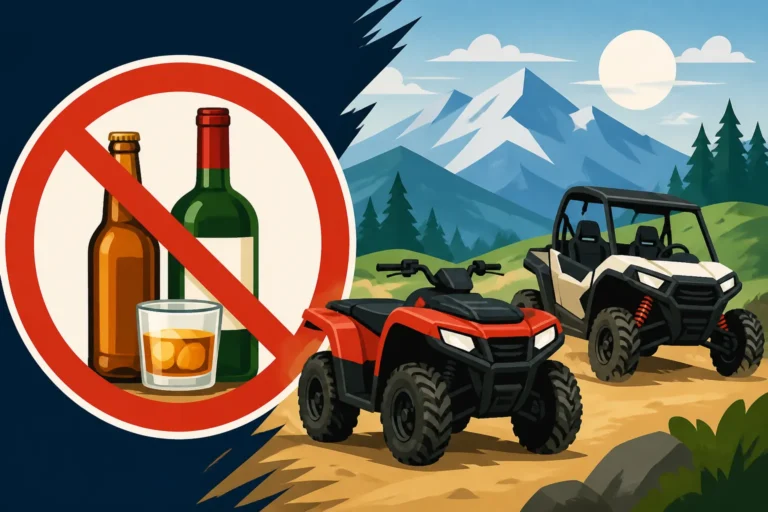
Colorado alcohol limit laws for operating an off-highway vehicle set the legal blood alcohol content threshold at 0.08 percent.
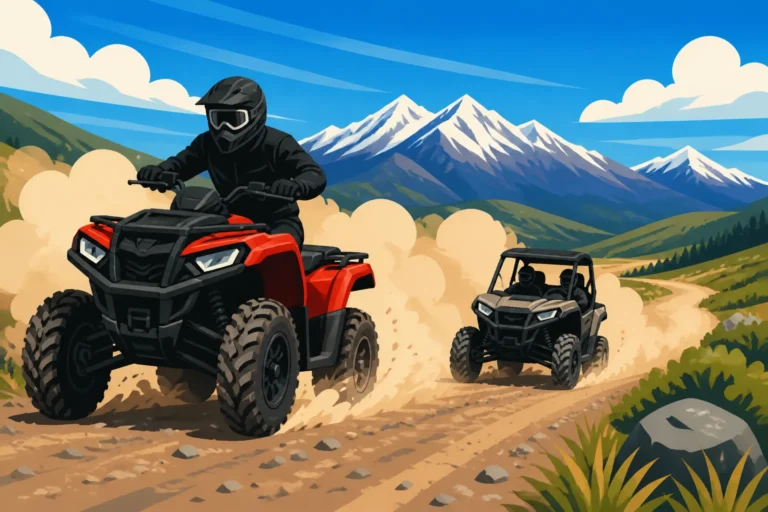
Gravel road dust from Colorado off-highway vehicles creates safety hazards, engine damage, and conflicts with local residents.
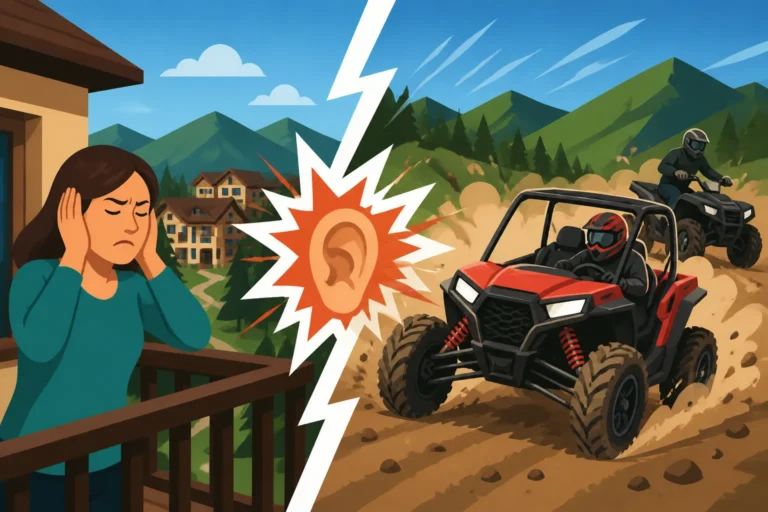
Colorado off-highway vehicle noise regulations and local municipal ordinances help riders prevent complaints in mountain resort towns.
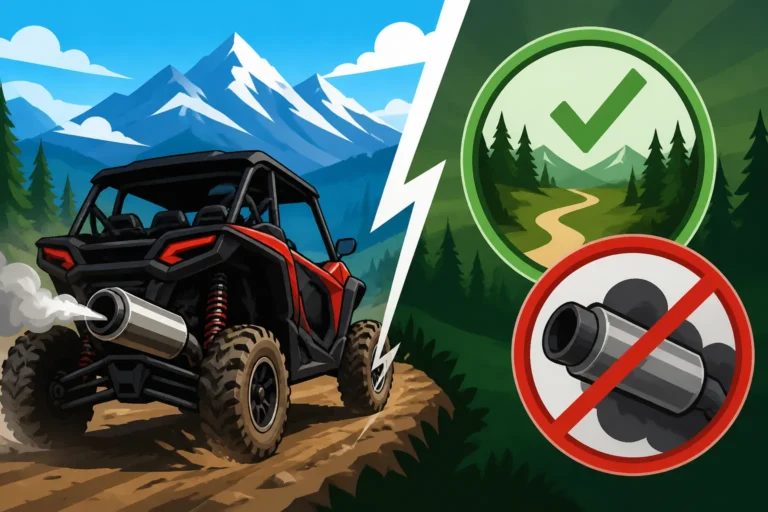
Colorado off-highway vehicle exhaust rules explain spark arrester mandates and noise limits for public trail riding.
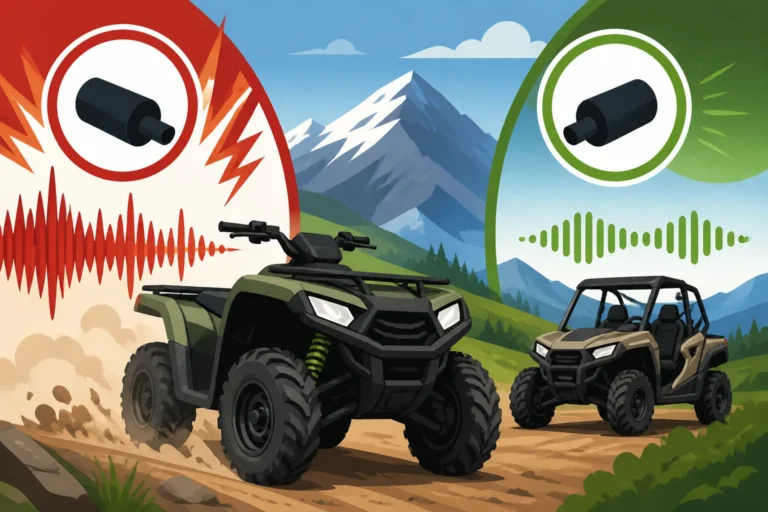
Colorado muffler noise limits for off-highway vehicles explain legal decibel levels and stationary tests to prevent trail closures.
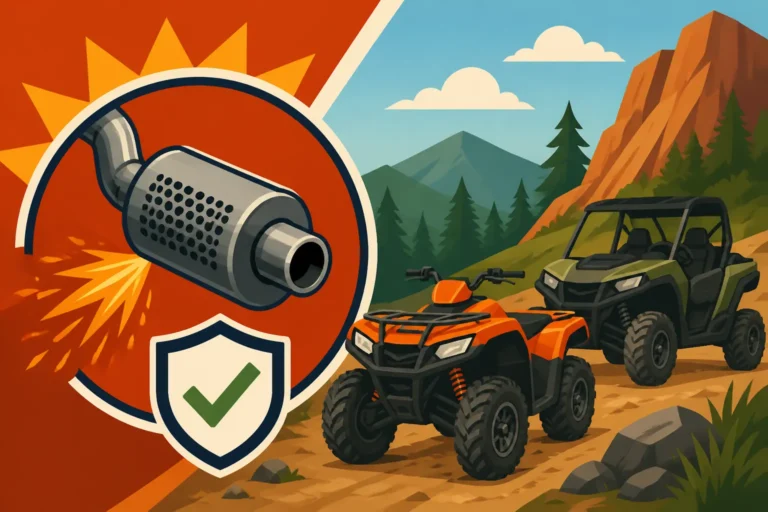
Spark arrester rules on Colorado public land explain legal requirements, fines, and equipment standards for OHVs.