What to Do After an OHV Crash in Colorado
Nobody ever plans for an off-highway vehicle (OHV) crash, but the reality is, accidents can happen quickly, often when you least expect them. When you're out enjoying Colorado's incredible trails, the last thing you want to think about is a collision or rollover, but knowing what to do in that stressful moment can make all the difference for your safety, your machine, and your peace of mind. This guide will walk you through the essential steps to take immediately after an OHV crash in Colorado, from securing the scene to navigating the paperwork and recovery process, so you're prepared for whatever the trail throws your way.
Immediate Actions After an OHV Crash
When an OHV crash occurs, whether it's a minor tip-over or a more serious collision, the immediate aftermath can be chaotic and disorienting. Your first priority should always be the safety and well-being of yourself and anyone else involved. Panicking is a natural response, but taking a few deep breaths and focusing on these critical steps can help you manage the situation effectively.
Prioritizing Safety and Assessing Injuries
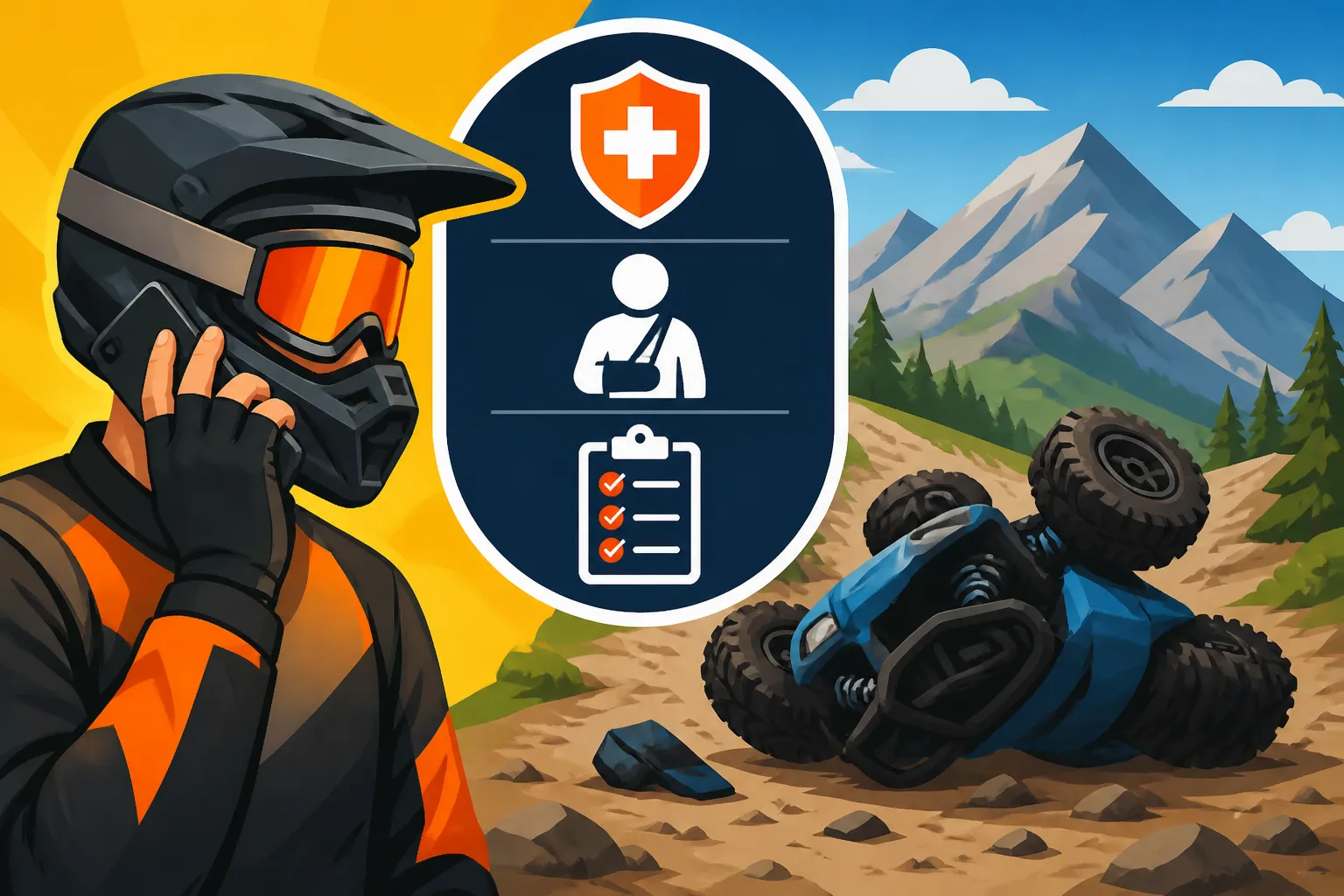
The very first thing you need to do is ensure everyone is safe. This means assessing for injuries, both visible and hidden. Even if someone insists they're fine, adrenaline can mask pain, so encourage a thorough check. Look for cuts, broken bones, head trauma, or any signs of internal injury. If anyone is seriously injured, has difficulty breathing, or is unconscious, do not move them unless they are in immediate danger (like from fire or further impact). Call 911 immediately and provide as much detail as possible about your location and the nature of the injuries. Remember, you might be in a remote area, so clear and concise communication is crucial.
Once you've addressed immediate medical needs, consider your surroundings. Is there a risk of fire from spilled fuel? Are you in a precarious position, like on a steep slope or blocking a narrow trail where other riders might come through unexpectedly? Take steps to mitigate these dangers. Turn off your machine's engine, and if possible, move injured individuals to a safer, more stable spot. If your machine is blocking the trail and can be moved safely, try to get it out of the main path to prevent further incidents.
Securing the Scene and Preventing Further Accidents
After tending to any injuries, your next step is to secure the crash scene to prevent additional accidents and preserve evidence. If you're on a public trail or road, other riders or vehicles might not expect to find an obstruction. Use any available resources – bright clothing, flags, even your OHV's headlights or taillights if they're still working – to warn oncoming traffic. If you're riding with a group, have someone go ahead and behind to signal to others.
This is also the time to make sure nothing crucial is disturbed. If there are objects scattered from the crash, like parts of your machine, personal belongings, or even tire marks, try to leave them as they are, especially if law enforcement or an insurance adjuster will be investigating. It's often tempting to clean up the mess right away, but resist that urge unless it's absolutely necessary for safety. If you must move something, make a mental note or take a quick photo of its original position if possible.
Documenting the Crash Scene and Gathering Information
Once the immediate danger has passed and any injured parties are being attended to, it's time to shift your focus to documentation. This phase is critical for any potential insurance claims, accident reports, or legal proceedings that might follow. The more thorough you are at the scene, the smoother the process will likely be later on.
Taking Photos and Videos of the Scene
In today's world, almost everyone has a smartphone, and it's your best friend for documenting an accident scene. Take as many photos and videos as you can, from various angles. Don't just focus on the damage to your machine; get wide shots of the overall scene to show the trail conditions, weather, and surroundings. Capture any skid marks, debris, obstacles, and the final resting positions of all vehicles involved. Zoom in on specific points of impact or damage.
If there are any visible injuries, document those too, with the permission of the injured party. Photos and videos provide objective evidence that can be invaluable when recounting what happened. Make sure the timestamps on your phone are accurate. It's also a good idea to record a short video narrating what you see, describing the conditions, and noting anything you think is important, like the time of day, visibility, and specific landmarks.
Collecting Information from Involved Parties and Witnesses
If other vehicles or individuals were involved in the crash, it's crucial to exchange information calmly and thoroughly. Get their full name, contact information (phone number, email), and insurance details. Also, make sure to get the make, model, year, and VIN (Vehicle Identification Number) of their OHV. You can usually find the VIN stamped on the frame or a permanent part of the machine.
Don't forget to gather information from any witnesses who saw the crash happen. Their unbiased account can be extremely helpful. Ask for their name, phone number, and email address. If they're willing, you might even ask them to briefly describe what they saw on camera. Remember, emotions can run high after an accident, so try to remain calm and factual when interacting with others. If someone seems aggressive or uncooperative, document that behavior without escalating the situation.
Here's a handy table of information to collect:
| Category | Details to Collect |
|---|---|
| Your Information | Full Name, Contact Info, Insurance Provider, Policy # |
| Other Parties | Full Name, Contact Info, Insurance Provider, Policy # |
| OHV Make, Model, Year, VIN, [Colorado OHV Registration Number Format] | |
| Witnesses | Full Name, Contact Info, Brief Statement of What They Saw |
| Location | Trail Name/Number, Nearest Landmark, GPS Coordinates, County, [Where to Ride an OHV in Colorado] |
| Date & Time | Exact Date, Exact Time of Crash |
| Conditions | Weather (clear, rainy, snowy), Trail Condition (muddy, rocky, dusty), Visibility |
| Damage | Photos/Videos of All Damage, Description of Impact Points |
| Injuries | Description of All Injuries, Photos if Permitted, Names of Injured Parties |
| Law Enforcement | Officer Name, Badge #, Department, Report # |
Notifying Authorities and Filing a Report
Even if the crash seems minor, it's almost always a good idea to notify local authorities, especially if there are injuries, significant property damage, or if the crash occurred on public lands. In Colorado, this could mean calling the County Sheriff, Colorado Parks and Wildlife (CPW) rangers, or the U.S. Forest Service or BLM. They can help with accident investigation, provide medical assistance, and ensure the scene is safe. They will also generate an official accident report, which is crucial for your insurance company. Remember that there are specific [Colorado OHV Crash Reporting Rules] you might need to follow depending on the severity and location.
When the authorities arrive, cooperate fully, but stick to the facts. Provide your information, and share your photos and videos if requested. Avoid speculating or admitting fault; simply describe what happened to the best of your ability. Get the reporting officer's name, badge number, and the report number for your records. This official report will be a cornerstone of any insurance claim you file.
Reporting the Crash and Next Steps
Once the immediate scene is secured and documented, your focus shifts to the formal reporting process and addressing the aftermath. This includes contacting your insurance provider, arranging for machine recovery, and understanding the potential financial implications.
Contacting Your Insurance Provider
As soon as you are safely able to, contact your OHV insurance provider. Even if you're not sure you want to file a claim, it's best to inform them of the incident. Many policies have specific timeframes within which you must report an accident. Provide them with all the information you collected at the scene, including photos, witness statements, and the police report number. Your insurer will guide you through their specific claims process. They will likely send an adjuster to assess the damage to your machine. Be prepared to answer detailed questions about how the accident happened, the conditions, and any injuries sustained. This is where your thorough documentation really pays off.
You might be wondering about [Colorado ATV Insurance and When It Is Required]. While liability insurance is not universally mandated for OHVs on all Colorado lands, if you have it, now is the time to leverage it. If another party was at fault and they have insurance, you'll also be dealing with their carrier. Be patient, as the claims process can sometimes take a while, especially if fault is disputed or if there are extensive damages or injuries involved. For significant damage, you might need to explore options like replacing expensive components. Companies like SuperATV offer a wide range of aftermarket and replacement parts that can be an alternative to OEM parts, which might be important if your machine requires extensive repairs.
Arranging for Machine Recovery and Transport
After a crash, your OHV might not be in a condition to ride away. Arranging for its recovery and transport is a critical next step. If you're in a remote area, this can be particularly challenging and potentially expensive. If law enforcement was involved, they might be able to recommend local towing services that specialize in off-road vehicle recovery. Sometimes, local OHV clubs or fellow riders might even offer assistance if you're stuck in a difficult spot.
Before your machine is moved, ensure that any necessary photos for insurance purposes have been taken. Discuss with the tow company where your OHV will be taken – perhaps to your home, a trusted mechanic, or an insurance-approved facility. Understand the costs involved, as recovery fees can add up, especially from deep in the backcountry. If your OHV is severely damaged, you might face tough decisions about repairs versus writing it off. Knowing how to secure [Recovery Gear for a Shelf Road] or [Towing Off a Mountain Trail] beforehand can save a lot of headaches in an emergency.
Understanding Penalties and Citations
Depending on the circumstances of the crash, you or other parties could face citations or penalties. This might include fines for operating an unregistered OHV, careless driving, or other violations of [Colorado OHV Rules] if the crash was due to negligence or breaking the law. If alcohol or drugs were a factor, the penalties could be severe, including DUI charges.
It's important to understand your rights and responsibilities if you are cited. Consult with a legal professional if you believe a citation is unjust or if the crash involves serious injuries or fatalities. Remember that penalties can impact your driving record and potentially your insurance rates. Avoiding these situations through responsible riding and adherence to all rules is always the best approach.
Navigating the Aftermath: Repairs, Claims, and Recovery
The immediate crisis may be over, but the period following an OHV crash involves a series of practical and sometimes emotional challenges. From getting your machine fixed to dealing with financial implications and getting back on the trail, it's a journey that requires patience and diligence.
Dealing with Machine Damage and Repair Options
Once your OHV is recovered, you'll need to determine the extent of the damage. For minor cosmetic issues, you might handle repairs yourself. However, if there's structural damage, engine problems, or complex electrical issues, it's best to consult a certified mechanic specializing in OHVs. Get multiple repair estimates if possible, and compare them with what your insurance company is willing to cover. Sometimes, the cost of repairs can exceed the actual value of the machine, leading to it being declared a "total loss." In such cases, your insurance company would offer a payout for its depreciated value.
If you're a DIY enthusiast or looking to save some money, you might consider sourcing aftermarket parts. Brands like SuperATV offer a vast inventory of parts, from axles and control arms to winches and windshields, that can often be more budget-friendly than original equipment manufacturer (OEM) parts. Just ensure any parts you choose are compatible and suitable for your machine's make and model. If the damage is extensive, you might even consider getting a [Colorado Rules for a Rebuilt or Salvage Machine] title if you decide to rebuild it yourself.
Understanding Who Pays After an OHV Crash
This is often the most contentious part of any accident: determining who is financially responsible. In Colorado, as with most places, fault generally dictates who pays. If you were at fault, your insurance (if you have comprehensive/collision coverage) would cover your damages, and your liability coverage would kick in for damages or injuries to others. If another party was at fault, their liability insurance would be responsible for your damages and injuries. This is why thorough documentation and an official accident report are so important.
If there's a dispute over fault, or if the other party is uninsured, things can get complicated. You might need to involve legal counsel to pursue compensation. For injuries, [OHV Injury Claims After a Crash] can be complex, involving medical bills, lost wages, and pain and suffering. Keeping meticulous records of all expenses related to the crash, including medical treatments, repair estimates, and transportation costs, will be vital for any claim.
Getting Back on the Trail After a Crash
Beyond the physical and financial recovery, there's often a mental aspect to overcome after an OHV crash. It's completely normal to feel shaken, anxious, or even fearful about getting back on the trails. Take the time you need to heal and process the experience. Ensure your machine is thoroughly repaired and safe to operate before you venture out again. You might even consider a refresher course on safe riding practices or starting with easier trails to rebuild your confidence.
Many riders find comfort in riding with a trusted group or sticking to familiar routes initially. Double-check your machine before every ride, and make sure your safety gear, like helmets, is in top condition – it might be time for an upgrade if your old helmet took an impact. Remember that the goal is to enjoy Colorado's beautiful backcountry safely. Learning from the experience, even a negative one, can make you a more prepared and confident rider in the long run.
Disclaimer
This article is for general informational purposes only and does not constitute professional advice. Laws, prices and regulations vary by location and change over time. Consult a qualified professional for guidance on your specific situation.