Whip Flags in an Open Riding Area
Whip flags serve as crucial safety equipment in Colorado open riding areas to prevent collisions and improve visibility.
Legal here, illegal one county over.
What each state allows, the mirrors, horn and signals a conversion requires, and the county and city overrides that quietly change the answer.
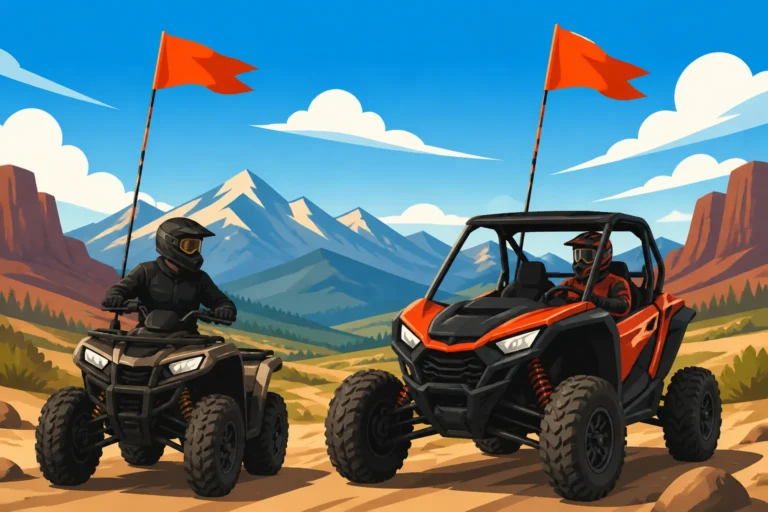
Whip flags serve as crucial safety equipment in Colorado open riding areas to prevent collisions and improve visibility.
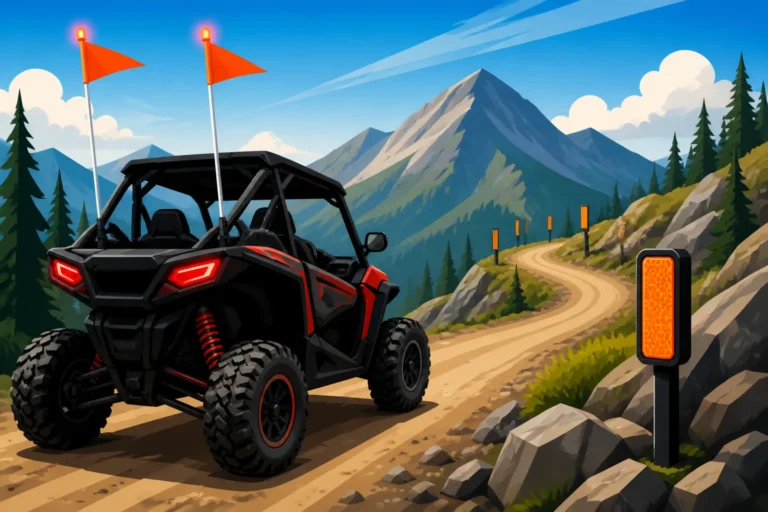
Reflectors and flags on Colorado mountain roads provide crucial visibility aids that prevent accidents for ATV and UTV riders.
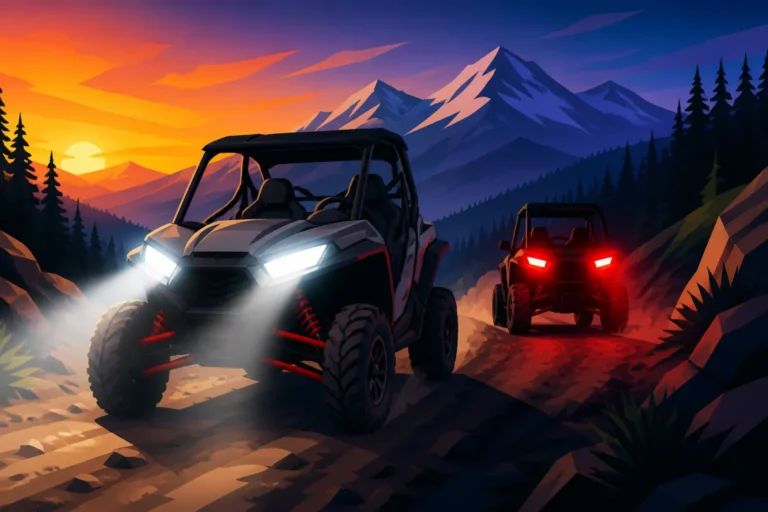
Colorado headlights and taillights rules for off-highway vehicles on public county roads ensure visibility and legal compliance.
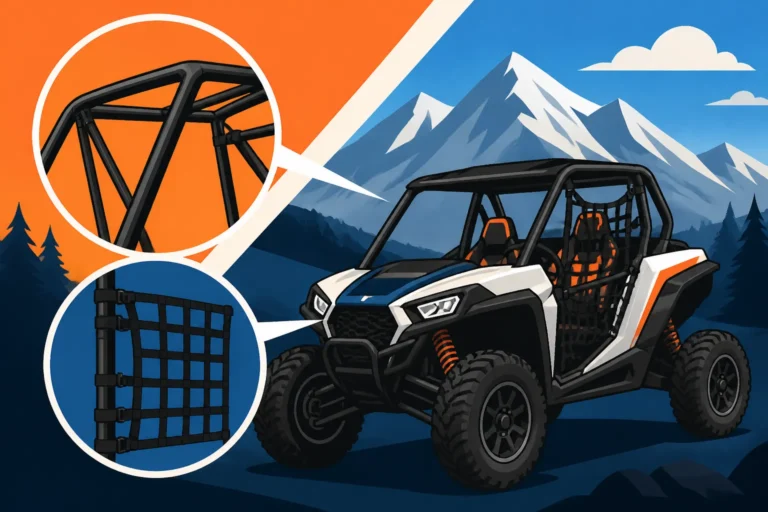
Colorado OHV roll cage and net requirements explain factory safety standards, local ordinances, and public land regulations.
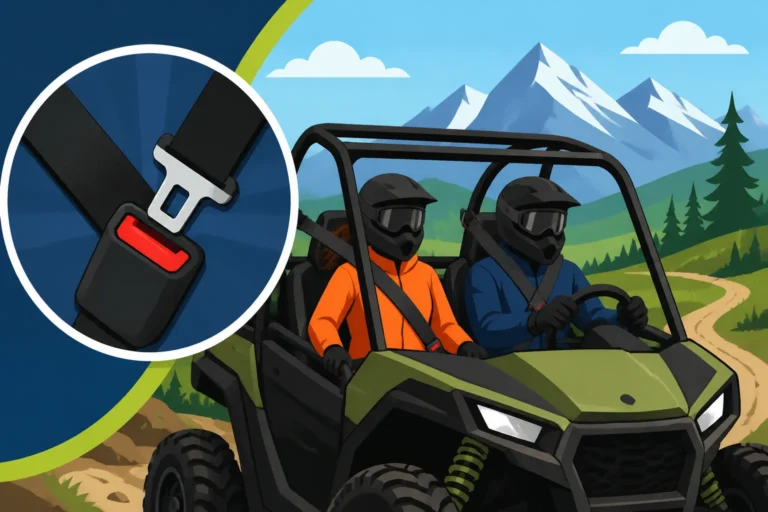
Colorado side-by-side seat belt regulations and legal requirements for designated trails, county roads, and town streets.
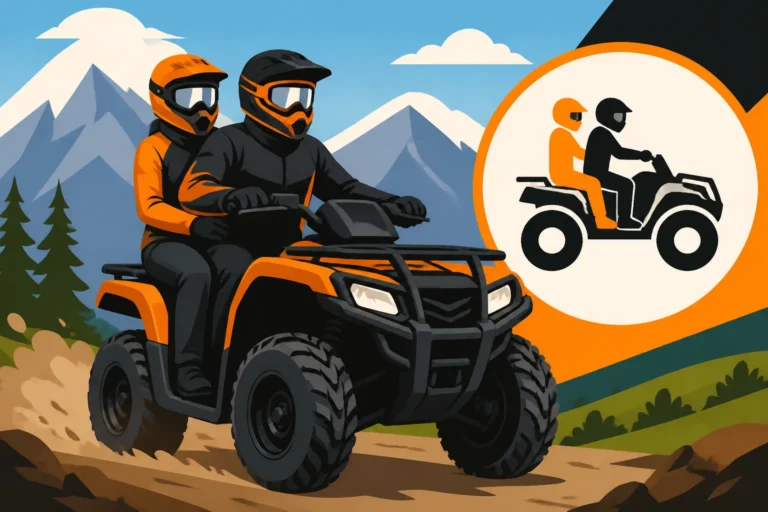
Colorado passenger rules for quads and side-by-sides explain when carrying riders on public lands is legal and safe.
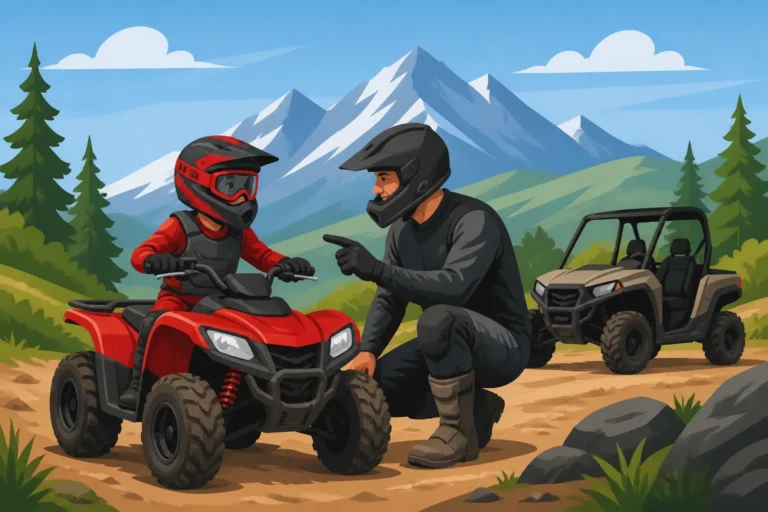
Colorado youth machine size rules, safety gear requirements, and vehicle selection help parents teach children off-road riding.

Colorado age restrictions and local ordinances for riders under 10 operating off-highway vehicles on public roads.
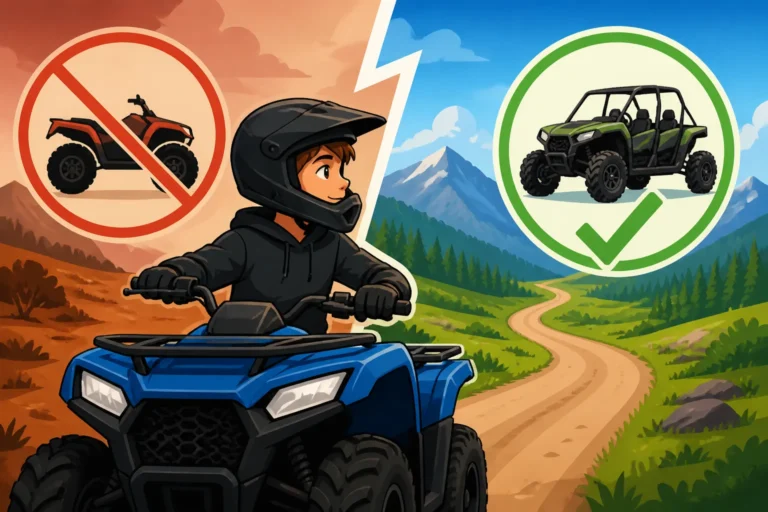
Colorado OHV laws allow a 12-year-old on designated county roads when supervised by an adult with a valid driver license.
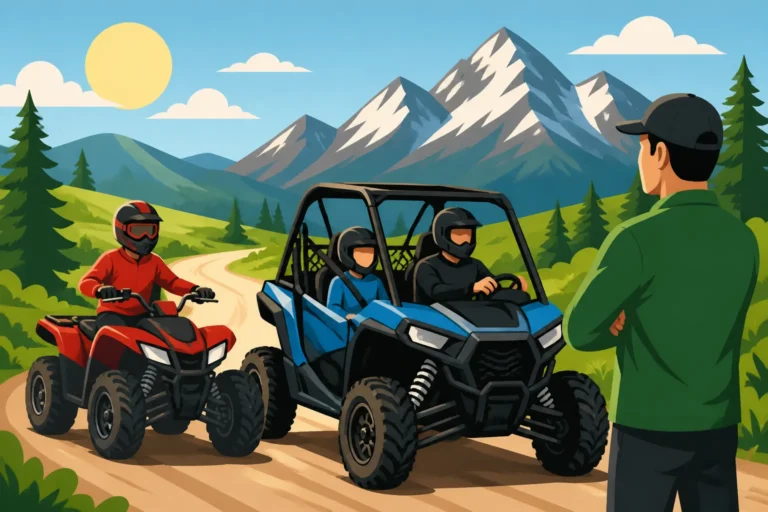
Colorado off-highway vehicle supervision rules explain how riders aged ten to sixteen operate safely on designated county roads.