Winter OHV Riding in Colorado
When the deep snows blanket the Colorado high country, many off-highway vehicle (OHV) enthusiasts reluctantly put their machines away, waiting for spring thaw. But for those of us with a real passion for the trails, winter isn't an ending—it's an invitation to a different kind of adventure. However, embracing Colorado's winter OHV riding season means understanding its unique demands, preparing meticulously, and knowing the rules to ensure both safety and enjoyment. This guide will help you gear up for those incredible frosty excursions.
The Unique Appeal and Realities of Winter Riding in Colorado
There’s something truly magical about seeing Colorado’s rugged landscapes transformed by a fresh blanket of snow. The mountains become hushed, the air crisp, and the trails offer a solitude that’s hard to find in the bustling summer months. But while the beauty is undeniable, winter riding is a beast of its own, demanding respect, preparation, and a healthy dose of realism.
Why Winter Riding is a Game Changer and Not for Everyone
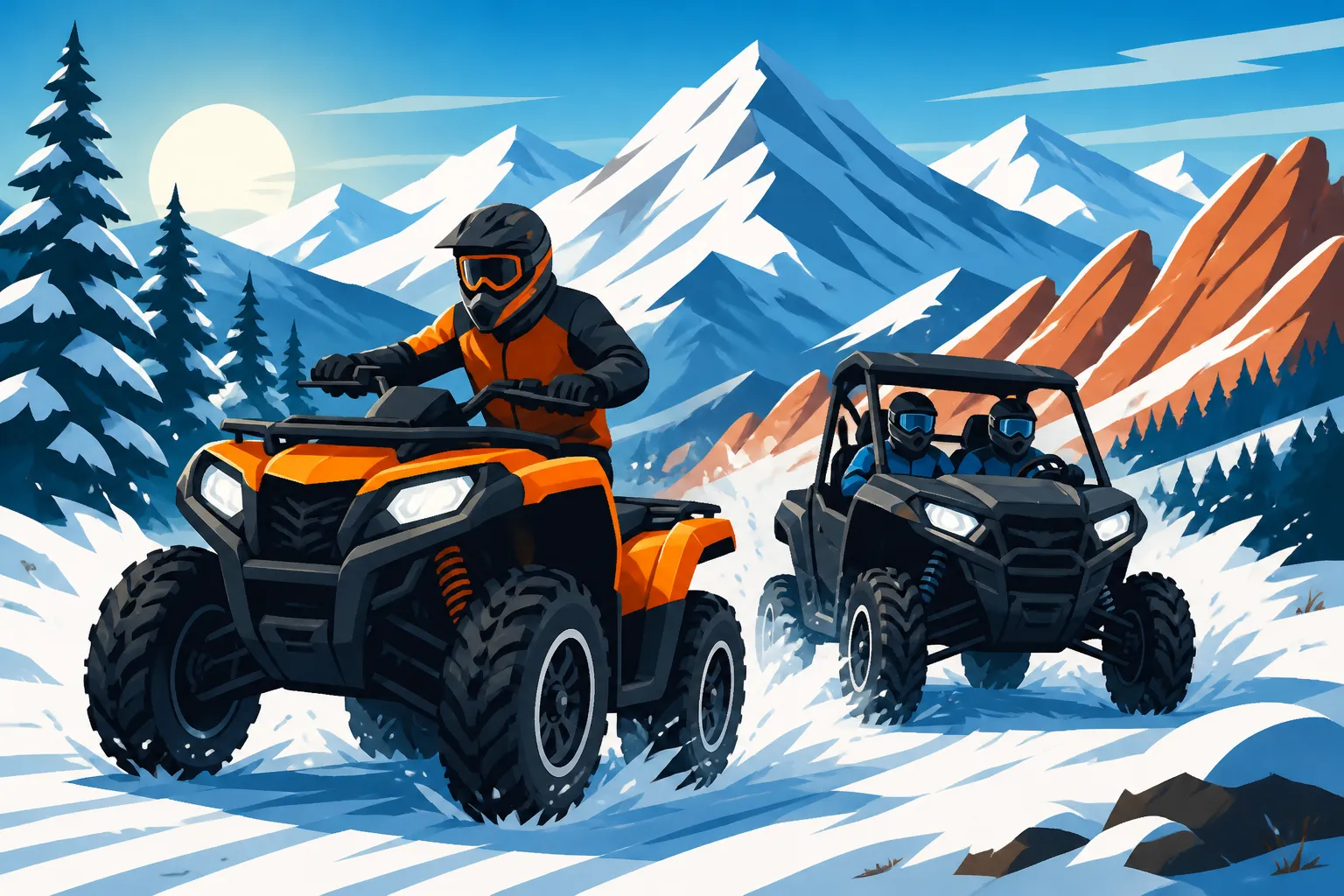
Imagine winding through a forest where every pine needle is dusted with white, sunlight glinting off pristine snow, and the only sound is the gentle hum of your engine and the crunch beneath your tires. That’s the allure of winter OHV riding. It's an opportunity to experience familiar trails in a completely new light, offering unparalleled peace and stunning photographic opportunities. You'll encounter fewer people, often making for a more introspective and challenging ride. For many, it truly breathes new life into their riding season, extending it far beyond the typical summer months.
However, this isn't a casual joyride. Winter riding adds layers of complexity and risk that simply aren't present in warmer weather. Temperatures can plummet, making frostbite a serious concern. Daylight hours are significantly shorter, meaning your window for safe riding is tighter. And the snow itself, while beautiful, can be incredibly deceptive, hiding obstacles or turning a straightforward path into a treacherous slog. This demanding environment requires a higher level of skill, physical endurance, and a robust understanding of your machine's capabilities. It's definitely not for the faint of heart or the unprepared.
Understanding Seasonal Closures and Access
One of the biggest frustrations for winter riders in Colorado is figuring out where you can actually ride. Unlike summer, when most trails are open, winter often brings widespread seasonal closures. Many Forest Service and BLM roads that are popular in summer are gated shut to protect wildlife, prevent resource damage during freeze-thaw cycles, or simply because they become impassable. It's not uncommon to pull up to a trailhead only to find a locked gate and a sign indicating it's closed until late spring.
It’s crucial to understand that "winter" isn't a single season for trail access. Early winter might see lighter snow cover, allowing access to lower-elevation trails, but as the snow deepens, more areas will close. Then there’s what locals call "mud season" in early spring, when melting snow makes trails extremely vulnerable to damage, leading to further closures. You absolutely need to check current conditions and maps from the U.S. Forest Service or Bureau of Land Management for the specific area you plan to visit. Resources like [Colorado Passes That Open Latest] can give you an idea of when high-elevation routes begin to open, but winter means the opposite: when they close. Always consult the MVUM (Motor Vehicle Use Map) for your intended riding area; they clearly mark seasonal access restrictions. These restrictions are put in place for good reasons, primarily to protect delicate ecosystems and ensure rider safety. Respecting them is not just about avoiding a ticket, but about preserving these precious landscapes for everyone. Keeping an eye on signs for [Forest Service Seasonal Gates in Colorado] is also key.
Essential Gear and Machine Prep for Cold Weather Adventures
Riding in the snow and ice puts entirely different demands on your OHV and your body. What works for a sunny August afternoon won't cut it when the mercury drops below freezing. Proper preparation isn't just a suggestion; it's a non-negotiable part of winter OHV riding.
Equipping Your Machine for Snow and Ice
Your OHV needs to be winterized, and that goes beyond just adding a bit of antifreeze. Traction is paramount. Standard all-terrain tires will struggle significantly on ice and deep snow. Many serious winter riders opt for [Studded Tires for Icy Forest Roads], which can dramatically improve grip on frozen surfaces. For side-by-sides, tracks from companies like SuperATV are an incredible upgrade, converting your wheeled machine into a true snow beast, capable of floating over deep powder that would swallow tires whole. While they're a significant investment, they open up an entirely new realm of winter exploration. Don't forget tire chains for milder snow conditions if tracks aren't in your budget; they can provide surprisingly good traction.
Beyond traction, consider accessories that enhance comfort and utility. Heated grips and thumb warmers are a game-changer, preventing your hands from freezing even with heavy gloves. A plow attachment, easily mounted to your UTV, can be invaluable for clearing access roads to your cabin or even helping out a fellow rider who's stuck in a snowdrift. And speaking of getting stuck, a reliable winch is an absolute must-have. Even with tracks, you can find yourself bogged down in unexpected deep snow, and a winch combined with adequate [Recovery Gear for a Shelf Road] can be your ticket out of a tricky situation. Always ensure your winch is in good working order and you know how to use it safely, especially in freezing conditions.
Dressing for Success: Rider Comfort and Safety
Cold weather can turn a fun outing into a hypothermic nightmare if you're not dressed properly. Layering is the golden rule. Start with a moisture-wicking base layer to draw sweat away from your body, preventing that chilling dampness. Next, add an insulating mid-layer, like fleece or down, to trap warmth. Finally, your outer layer needs to be completely waterproof and windproof to protect against snow, icy wind, and anything else Mother Nature throws at you. Think about high-quality snowmobile suits or specialized cold-weather riding gear.
Don't skimp on extremities. Your hands and feet are often the first to get cold. Invest in insulated, waterproof boots that offer good grip. For gloves, multiple pairs are a good idea: a thinner pair for dexterity and a heavy, insulated, waterproof pair for riding. A good quality helmet, possibly with a heated visor or a balaclava, is essential to prevent frostbite on your face. Beyond clothing, always pack an emergency kit. This should include extra dry layers, high-energy food, plenty of water (kept in an insulated container to prevent freezing), a fire starter, a first aid kit, a headlamp, and a reliable communication device like a satellite messenger, as cell service is often nonexistent in the backcountry. Reviewing lists for [Cold Weather Gear for a High Pass] will give you an excellent starting point for what to pack.
Navigating Winter Trails and Staying Safe
Winter trails are inherently more challenging and dangerous than their summer counterparts. The serene beauty can quickly become unforgiving, and understanding how to read the terrain and manage your machine in freezing conditions is vital for a safe return.
Reading the Terrain and Snow Conditions
The biggest challenge in winter is often the snow itself. Its depth, consistency, and stability can vary dramatically within a short distance. What looks like a shallow, firm snowfield can hide deep drifts or a layer of treacherous slush. Always be vigilant for hidden obstacles like rocks, logs, or stumps that are just barely covered by snow; hitting one can cause serious damage or injury. Ice is another major hazard, especially in shaded areas or near water crossings. A thin layer of black ice can send your machine sliding uncontrollably. Slow down, anticipate, and always assume there might be ice.
One of the most critical aspects of winter backcountry travel, especially in Colorado, is avalanche awareness. While OHVs are typically not allowed in designated avalanche terrain, you need to understand where that terrain is and how to avoid it. Never venture into areas you're unfamiliar with or where avalanche risk is high without proper training and equipment (beacon, shovel, probe). Even seemingly benign slopes can slide under the right conditions. Crossing frozen rivers or deep creeks also presents a significant risk; ice thickness can be inconsistent, and falling through could be life-threatening. If in doubt, turn around. There’s no shame in choosing safety over pushing through questionable conditions.
Cold Weather Operation and Machine Maintenance on the Trail
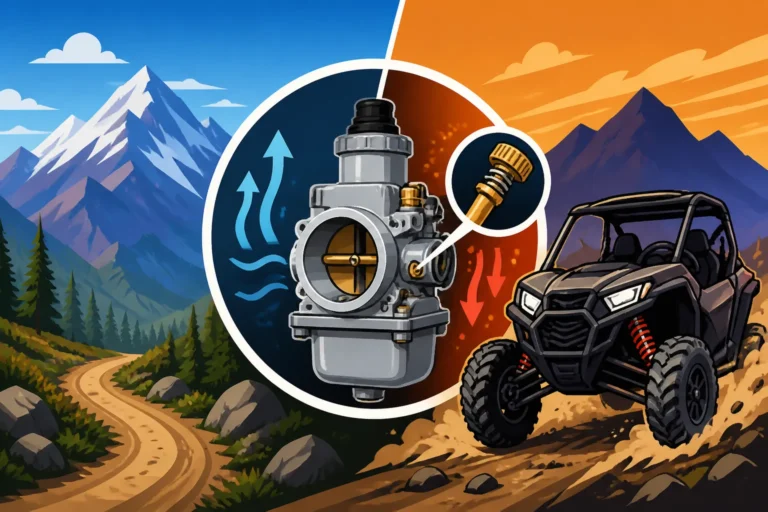
Cold weather affects your machine's performance. Engines will take longer to warm up, and fuel systems can become sluggish. Always allow your engine to warm up thoroughly before heading out, especially on older carbureted machines. Consider adding a fuel stabilizer or cold-weather additive to prevent fuel lines from freezing. Batteries lose efficiency in the cold, so ensure yours is fully charged and in good condition before each ride. It's a smart move to carry a portable jump starter pack for emergencies.
Getting stuck is almost inevitable when riding in deep snow. Knowing your machine's limits and practicing self-recovery techniques are key. This is where your winch, recovery straps, and a good shovel come into play. If you do get stuck, assess the situation calmly. Don't just blindly spin your tires, as this will only dig you in deeper. Clear snow from around your tires or tracks, use traction aids if available, and winch out carefully. Remember that mechanical issues can be magnified in the cold. A small leak might freeze and become a major problem. Keep an eye on your gauges, check fluids regularly, and be prepared for potential breakdowns. Knowing [Altitude and Carburetor Tuning] can also be crucial, as cold dense air affects engine performance, which is compounded by high elevations. While [Overheating on a Colorado Climb] might seem like a summer issue, getting stuck and working your engine hard in deep snow can also cause it to run hot. Always carry basic tools and know how to perform minor field repairs. If a major incident occurs, being familiar with [Colorado OHV Crash Reporting Rules] will be essential.
Rules, Permits, and Etiquette for Winter Riding
Just because the trails are covered in snow doesn't mean the rules go away. In fact, winter riding often introduces additional regulations and considerations, especially when it comes to sharing the frozen landscape with other users.
OHV Permits and Public Land Rules in Winter
The good news is that if you're already riding your OHV on public lands in Colorado, you're likely familiar with the permit requirements. Your standard [Colorado OHV Permit Rules on Public Land] remain in effect during the winter. This means your current Colorado Parks and Wildlife (CPW) registration sticker is still necessary, whether you're a resident or out-of-state visitor. If you don't have one, you can often buy a [Colorado Non-Resident OHV Permit Explained] online or at many vendors across the state. It's vital to ensure your permit is current and displayed correctly. Don't assume that because there's snow on the ground, enforcement relaxes; rangers are still out there, especially in popular winter recreation areas.
Beyond the general permit, be aware that some areas have specific winter use designations. Trails that are open to OHVs in summer might become exclusively for snowmobiles, cross-country skiing, or snowshoeing once significant snow accumulates. Always check the Motor Vehicle Use Map (MVUM) for your specific destination, as it will clearly delineate which trails are open to what types of motorized use in winter. [Colorado Permit Rules in Open Riding Areas] apply here as well; even in vast open spaces, certain zones might have seasonal restrictions or closures for wildlife protection. Never assume access based on past summer experiences. If you're running a tracked side-by-side, it still counts as an OHV and needs proper registration; be sure to review [Colorado Rules for a Tracked Side-by-Side].
Sharing the Winter Wonderland Responsibly
Winter brings out a diverse crowd in the backcountry, and sharing the space respectfully is paramount. You'll often encounter snowmobilers, cross-country skiers, and even fat-tire cyclists. Everyone is out there to enjoy nature, and courtesy goes a long way. If you see a skier or snowshoer, slow down and give them a wide berth. Remember that OHVs can be louder than other winter recreation equipment, so be mindful of your noise, especially around developed areas or quiet trail sections. Following [Colorado Noise Rules in Mountain Towns] is just as important in winter as it is in summer.
Stick to designated trails, even if they're covered in snow and tempting to cut across. Riding off-trail can damage fragile winter ecosystems, disturb wildlife, and is often illegal. If you're riding a tracked machine, be particularly aware of the impression you leave; avoid sensitive areas. Wildlife is under significant stress in winter, conserving energy to survive. Give animals plenty of space and avoid disturbing them. Pack out everything you pack in, and leave no trace of your visit other than tire or track marks. Being a responsible winter rider ensures these incredible landscapes remain accessible and beautiful for future generations and minimizes conflicts with other users. If you're riding while waiting for your permit sticker to arrive, remember that [Riding While You Wait for Your Colorado Sticker] is often permitted as long as you have proof of purchase. Knowing [Where Colorado OHV Permit Money Goes] can also help reinforce the importance of buying that permit, as it directly supports trail maintenance and management.
Here's a quick comparison of summer versus winter OHV riding considerations:
| Feature/Aspect | Summer OHV Riding | Winter OHV Riding |
|---|---|---|
| Trail Conditions | Dry, dusty, rocky, exposed | Snow, ice, frozen mud, hidden obstacles, potential slush |
| Traction | All-terrain tires generally sufficient | Studded tires, chains, or tracks often essential |
| Visibility | Good, long daylight hours | Shorter daylight, potential whiteouts, glare |
| Temperature | Warm to hot, dehydration risk | Freezing to sub-zero, hypothermia/frostbite risk |
| Gear | Helmet, goggles, light layers, water, sunscreen | Layers, waterproof/windproof outer, insulated boots/gloves, heated gear, emergency supplies |
| Closures | Primarily for fire danger or environmental protection | Seasonal gates, wildlife protection, deep snow, avalanche risk |
| Wildlife | Active, generally more visible | Stressed, less visible, more easily disturbed |
| Preparation | Machine check, basic tools, map | Machine winterization, extensive recovery gear, comprehensive emergency kit, avalanche awareness |
| Atmosphere | Often busy, social, vibrant | Solitude, quiet, serene, more challenging |
Disclaimer
This article is for general informational purposes only and does not constitute professional advice. Laws, prices and regulations vary by location and change over time. Consult a qualified professional for guidance on your specific situation.