The Highway 149 OHV Corridor at Lake City
There's nothing quite like the freedom of exploring Colorado's breathtaking backcountry on your ATV or UTV. But let's be honest, one of the biggest headaches can be the constant need to trailer your machine from your lodging to the trailhead, or from one incredible trail system to another, especially when you're trying to access services like gas, food, or even just a quick ice cream cone in a charming mountain town. This guide is all about one specific, incredibly useful solution to that problem: the Highway 149 OHV Corridor at Lake City. We're going to dive deep into what this corridor is, how it works, and how you can use it to make your Lake City OHV adventures smoother, more convenient, and even more fun.
The Highway 149 OHV Corridor: A Gateway to Adventure
Imagine being able to roll right out of town, grab gas, or even hit a restaurant, and then seamlessly connect to some of the most iconic trails in the state without ever having to load your side-by-side back onto the trailer. That's the magic of designated OHV corridors, and the Highway 149 corridor near Lake City is a prime example of how local communities and the state are working together to enhance the rider experience.
What Makes This Stretch Special
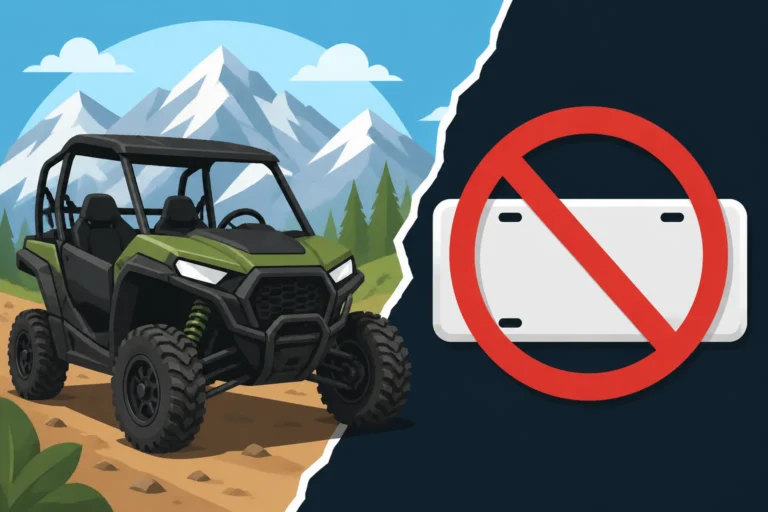
This isn't just any piece of state highway; it's a specific, approved segment where Colorado state law allows off-highway vehicles to operate. Normally, you absolutely cannot ride your ATV or UTV on state highways in Colorado. It's a big no-no, and the fines for [Penalties for an Unregistered OHV in Colorado] or riding on restricted roads can really put a damper on your trip. However, certain counties and towns, in cooperation with the Colorado Department of Transportation (CDOT) and Colorado Parks and Wildlife (CPW), have secured special designations for short segments of state highways to facilitate OHV access. The Highway 149 corridor in Hinsdale County, connecting Lake City, is one of those precious exceptions. It’s a testament to the local community's understanding of the importance of OHV tourism and their dedication to making it accessible.
The core idea here is connectivity. Lake City sits right at the edge of some phenomenal riding areas, including the famous Alpine Loop. For years, getting from a hotel or campground in town to these trailheads meant a cumbersome loading and unloading process. This corridor eliminates much of that hassle, creating a much more fluid and enjoyable experience for visitors. It’s about more than just convenience; it’s about integrating the OHV experience with the local community in a responsible way.
Why It Was Established and Who Benefits
The establishment of such corridors is typically a collaborative effort driven by a few key factors. First, local businesses thrive on tourism, and OHV riders are a significant part of that economy in places like Lake City. By making it easier for riders to access town services, they encourage longer stays and more spending in local shops, restaurants, and lodging establishments. Second, it reduces traffic congestion on local roads that might otherwise be filled with trucks hauling trailers to and from trailheads. Third, and perhaps most importantly for riders, it enhances the overall riding experience, making it less about logistical challenges and more about the sheer joy of the ride.
Think about it: after a long day exploring Engineer Pass or Cinnamon Pass, the last thing you want to do is navigate winding mountain roads with a heavy trailer to get back to your campsite or cabin. The corridor allows you to simply ride your machine back, grab dinner, and then put your feet up. This initiative benefits everyone: the riders who get a smoother experience, the businesses that see increased patronage, and the local community that values responsible outdoor recreation. It’s a win-win when implemented thoughtfully and respected by riders.
Navigating the Specifics: The Highway 149 Corridor in Detail
Understanding the exact parameters of the Highway 149 OHV Corridor is crucial for a smooth and legal ride. It's not a blanket permission to ride on any state highway, but a precisely defined route with specific rules. You don't want to accidentally wander off the permitted section and find yourself facing a ranger.
The Exact Stretch of Highway 149
The Highway 149 OHV Corridor at Lake City typically refers to a specific, roughly 3.26-mile segment of State Highway 149 that runs through Lake City itself and connects directly to county roads that lead to the Alpine Loop and other major trail networks. While exact signage and boundaries can change, the common understanding is that this corridor allows OHV travel from a point just south of Lake City (often near the Lake San Cristobal turn-off, or where the pavement changes), through town, and then connecting to the county road that heads towards Engineer Pass, such as County Road 20. This critical link allows riders to transition seamlessly from the unpaved trail systems to the paved sections within and immediately surrounding Lake City.
Always look for clear signage indicating where the OHV corridor begins and ends. Local ordinances and maps, often provided by the Hinsdale County Sheriff's office or the Lake City Chamber of Commerce, are your best friends here. These local resources will usually detail the specific boundaries and any time-of-day restrictions that might be in place for quieter residential areas. Remember, while it's a state highway, local rules often supplement the state's allowance. This corridor is specifically designed for integration with [Lake City and Hinsdale County Road Access], so you'll find it leads directly to the primary routes out of town into the backcountry.
Seasonal Access and Operational Dates
Like many high-country passes and trails in Colorado, the Highway 149 OHV Corridor at Lake City is typically seasonal. It's designed to facilitate summer recreation, aligning with the opening of high-altitude passes like Engineer and Cinnamon. Generally, the corridor is open from late May or early June, once the snow has melted and the roads are clear, through late September or early October, before significant snowfall makes high-country travel impractical. The specific opening and closing dates will mirror those of the major passes it serves, ensuring that when the trails are open, this vital connection is also available.
It's absolutely essential to check current conditions and official opening dates before planning your trip. CPW, the Forest Service, and the Hinsdale County Sheriff's Office are excellent resources for this information. A simple online search or a call to the local visitor center can save you a lot of grief. Riding a closed corridor or trail can result in hefty fines and potential resource damage. For specific dates, always check official sources or look for information on [The 3.26-Mile Highway 149 OHV Stretch] as well as [Highway 149 OHV Dates Each Summer] to ensure your timing is perfect.
What Machines Are Permitted and Essential Gear
The beauty of this corridor is that it generally accommodates most common OHV types that are allowed on Colorado's public land trail systems. This includes ATVs (all-terrain vehicles), UTVs (utility task vehicles) or side-by-sides, and dirt bikes. The rules regarding OHV registration apply universally; if you're riding on public land or designated corridors, your machine absolutely needs a current Colorado OHV registration sticker, regardless of whether you're a resident or visitor. You can learn more about this through resources like [Colorado Parks and Wildlife OHV Registration Explained].
Beyond the registration, there are essential equipment requirements for riding on any road, even a designated OHV corridor:
- Headlights and Taillights: Must be on, especially during dusk, dawn, or bad weather.
- Brakes: Fully functional front and rear brakes.
- Muffler and Spark Arrester: Required to meet noise and fire prevention standards. If you've upgraded your exhaust, ensure it's still compliant. [Mufflers and Spark Arresters in Colorado] provides more detail on this.
- Rearview Mirror: At least one rearview mirror is typically required for road use.
- Horn: A working horn or warning device.
- Eye Protection: All riders and passengers should wear appropriate eye protection.
- Helmets: While Colorado does not have a statewide helmet law for adults on OHV trails, children under 18 operating or riding as passengers on an OHV on public land or designated routes must wear a DOT-approved helmet. Always prioritize safety and consider wearing a helmet regardless of age.
Many riders, myself included, will often add aftermarket accessories to enhance their machine's road-worthiness. Things like turn signals, extra lighting, or a full windshield can significantly improve safety and comfort on paved sections. Companies like SuperATV offer a wide range of accessories that can help you get your machine ready for both technical trails and these connecting road sections, ensuring you're safe and compliant.
| Feature | Highway 149 OHV Corridor | Typical County OHV Road | Designated Off-Highway Trail |
|---|---|---|---|
| Paved Surface | Yes (State Highway) | Often Gravel/Dirt | Dirt/Rock/Natural |
| Speed Limit | Posted Highway Limits | Posted County Limits | Variable, Often Lower |
| OHV Permit | Required | Required | Required |
| Registration | Required | Required | Required |
| Street Legal Req. | Headlights, Taillights, Mirror, Horn, Spark Arrestor | Varies by County Ordinance | Spark Arrester, Helmets for Minors |
| Share with Cars | Yes | Yes | Limited to No |
| Purpose | Connect town & trails | Local access, links | Recreation & Challenge |
Riding the Corridor: Rules, Safety, and Connections
Riding on the Highway 149 corridor isn't the same as tearing down a dirt trail. You're sharing the road with regular vehicle traffic, and that means adhering to different rules and a higher level of caution. The convenience is fantastic, but safety should always be your top priority.
Road Rules and Responsible Operation
When you're on the Highway 149 corridor, you are essentially operating a vehicle on a public road. This means all standard traffic laws apply, just as they would for a car or truck.
- Speed Limits: Observe the posted speed limits. These can be significantly lower in town, often 25 mph, and may increase slightly outside the core town area. Do not treat it like a racetrack.
- Stay Right: Keep to the right side of the lane, allowing faster traffic to pass safely.
- Traffic Signals and Stop Signs: Obey all traffic signs, signals, and pavement markings. A rolling stop is still a violation.
- Signals: Use hand signals or, if equipped, turn signals, to indicate your intentions (turning, changing lanes).
- Lane Discipline: Ride in a single file, never two abreast, and maintain a safe following distance from other vehicles.
- Alcohol and Drugs: Just like operating any motor vehicle, operating an OHV on a public road while under the influence of alcohol or drugs is illegal and extremely dangerous. [Colorado Alcohol Limits for OHV Operators] applies here fully.
- Passengers: Ensure all passengers are seated safely and properly, especially in a side-by-side with seatbelts. If you have a youth machine, be aware of [Youth Machine Size Rules Colorado Parents Ask About].
Riding respectfully is key to maintaining access to these valuable corridors. Any incidents caused by reckless or unlawful behavior could jeopardize this privilege for everyone. Remember, you are an ambassador for the OHV community every time you ride through town.
Connecting to the Alpine Loop and Beyond
The true beauty of the Highway 149 corridor lies in its ability to connect Lake City directly to the heart of the Alpine Loop. Instead of having to trailer your rig a few miles out of town to a specific trailhead, you can now simply ride your machine from your hotel or rental house directly onto County Road 20, which is your gateway to Engineer Pass. This makes [Riding From Lake City to the Alpine Loop] incredibly accessible.
From the Alpine Loop, the possibilities are endless. You can head west over Engineer Pass towards Ouray, or east over Cinnamon Pass towards Silverton. You can explore countless side trails, historic mining sites like Animas Forks, and some of the most stunning mountain scenery Colorado has to offer. The corridor really transforms Lake City into a true basecamp, allowing you to focus on the riding experience rather than the logistics of getting to the trails. For riders with extended trips in mind, this means more time on the trail and less time managing a trailer. It also means you can easily pop back into town for lunch, gas, or to grab a forgotten item, rather than making it an all-day commitment out in the wilderness.
Lake City's Welcoming Attitude and Local Ordinances
Lake City is known for being incredibly OHV-friendly, and the Highway 149 corridor is a clear reflection of that ethos. However, even in the most welcoming towns, there are specific local rules and expectations that riders need to understand and respect to ensure a harmonious experience for everyone.
OHV Use Within Town Limits
While the Highway 149 corridor provides direct access through town, Lake City, like many other mountain communities, will have additional ordinances governing OHV use on other town streets. Often, there will be designated "OHV Friendly" streets that allow access to specific businesses or parking areas, while others may be restricted, especially in quieter residential zones.
- Maps: Always grab a local map from the visitor center or download one online. These maps clearly show which town streets are open to OHVs and which are not.
- Parking: Pay attention to parking signs. While you might be able to ride your OHV to a restaurant, you'll need to park it legally, just like any other vehicle. Some towns have designated OHV parking areas.
- Noise: Be mindful of noise, especially during early morning or late evening hours. Aftermarket exhausts, while fun on the trail, can be disruptive in a residential area. Keeping your engine noise to a minimum helps maintain good relations with locals.
- Dust Control: On unpaved town roads, minimize dust by driving slowly. No one appreciates a cloud of dust covering their front porch.
The collaborative approach of Lake City and Hinsdale County has done a great job of integrating OHVs into the town's fabric. But this integration depends heavily on riders' responsible behavior. We want to be welcomed back year after year, and that means adhering to the spirit of the rules, not just the letter.
Local Businesses and the Rider Community
Lake City's economy benefits immensely from OHV tourism, and most businesses are incredibly supportive and welcoming to riders. You'll find gas stations, restaurants, gear shops, and lodging establishments that cater specifically to the OHV crowd. Many even have special parking or wash-down areas. This symbiotic relationship is why initiatives like the Highway 149 corridor exist.
Support these businesses! When you fuel up, grab a meal, or pick up a souvenir in town, you're directly contributing to the community that makes your riding possible. Don't forget that many of these establishments are run by fellow outdoor enthusiasts who understand your passion for the trails. This local support is a cornerstone of Colorado's vibrant OHV culture, often funded in part by [Colorado OHV Grant Program and Trail Funding] dollars that come from your registration fees.
Common Misconceptions and Crucial Reminders
Even with clear rules and designated corridors, there are always questions and misunderstandings that pop up. Let's tackle some of the most common ones to ensure you're fully prepared for your Lake City adventure.
"Can I Ride My OHV on Any Colorado Highway Now?"
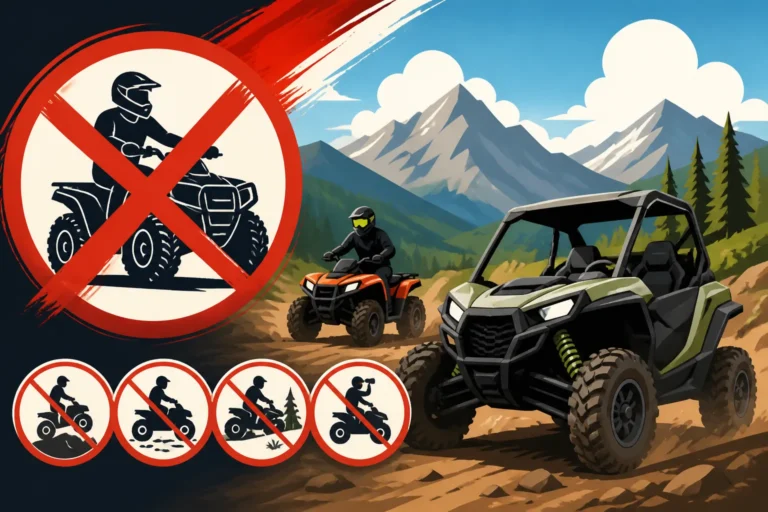
Absolutely not. This is perhaps the biggest and most dangerous misconception. The Highway 149 OHV Corridor at Lake City is a very specific exception to a general rule. In Colorado, OHVs are generally prohibited from operating on state highways unless explicitly designated by a local ordinance and approved by CDOT and CPW. Do not assume that because one segment of Highway 149 is open, other segments or other state highways are fair game. They are not. If you want to understand the larger context, check out [Colorado OHV Rules on State Highways]. Always look for clear signage indicating an OHV-approved route; if you don't see one, assume it's not allowed. The [Colorado Fines for Illegal Road Riding] are substantial, and nobody wants that kind of souvenir from their trip.
Colorado OHV Permit: Still a Must-Have
Yes, even when you're riding on a designated OHV corridor like Highway 149, your machine must have a current Colorado OHV registration sticker. This applies to both residents and non-residents. That sticker is your ticket to legally access public lands and designated routes in Colorado. It helps fund trail maintenance, education, and enforcement efforts that directly benefit all riders. Whether you bought your machine new, used, or are just visiting from out of state, get your sticker! Information on where to buy one can be found at [Buying a Colorado OHV Permit Where Fishing Licenses Are Sold] or [Colorado OHV Registration Vendors Across the State]. Don't skip this step; rangers do check, especially at popular trailheads and access points.
Insurance: Protect Yourself and Your Investment
While Colorado doesn't have a universal mandatory OHV insurance law for private land use, if you're riding on public roads or designated corridors like Highway 149, liability insurance is strongly advised. In the event of an accident involving another vehicle, property, or person, liability coverage can protect you from significant financial loss. Many vehicle insurance providers offer specific OHV policies. Given that you're sharing the road with full-size vehicles, the risks increase. It's simply good practice and peace of mind. Check out [Insuring an ATV in Colorado] for more details on this important topic. Also, if you’re considering any upgrades for road use like new tires or a lift kit, a brand like SuperATV can provide the parts, but remember to consider how these modifications might impact your insurance coverage or handling on pavement.
Respecting the Environment and Other Users
Beyond the legalities, there's the ethical side of riding. The Alpine Loop and surrounding areas are pristine natural environments that we all cherish.
- Stay on Designated Routes: This is paramount. Do not create new trails or ride off-trail. This causes erosion, damages fragile ecosystems, and leads to trail closures.
- Pack It In, Pack It Out: Leave no trace. Take all your trash with you.
- Yield to Others: Be courteous to hikers, mountain bikers, and horseback riders. On shared trails or roads, motorized vehicles generally yield to non-motorized users.
- Wildlife: Give wildlife plenty of space. You're a visitor in their home.
The privilege of using these incredible areas, including the Highway 149 corridor, is dependent on our collective responsibility. Let's make sure we preserve it for future generations of riders.
Disclaimer
This article is for general informational purposes only and does not constitute professional advice. Laws, prices and regulations vary by location and change over time. Consult a qualified professional for guidance on your specific situation.