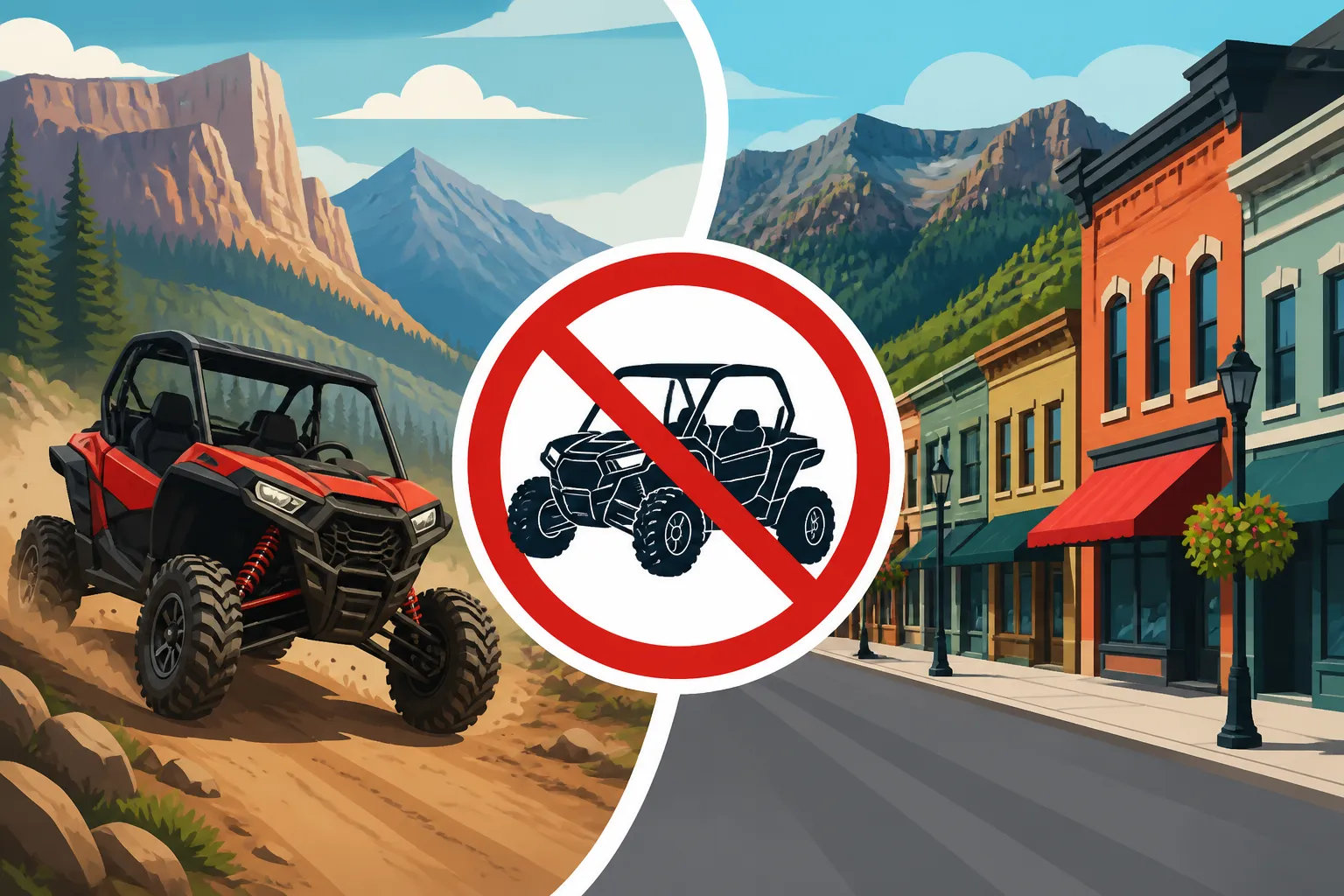
Ouray and Telluride OHV Town Restrictions
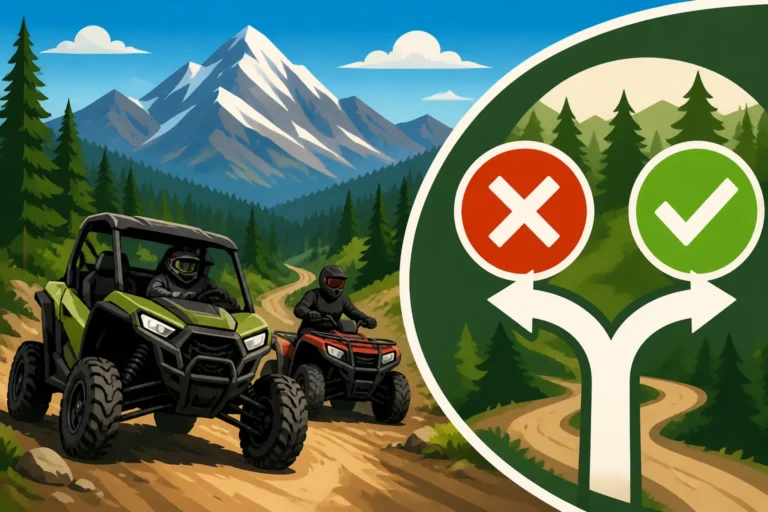
Ah, the majestic San Juan Mountains! There's nothing quite like planning a trip to one of Colorado's stunning mountain towns, imagining cruising right into town on your side-by-side after a long day on the trails, ready for a burger and a cold drink. But then you hear whispers, rumors, or maybe even direct warnings about town restrictions on off-highway vehicles (OHVs), and suddenly that dream gets a little cloudy. It's incredibly frustrating when you're trying to explore these beautiful areas, and the rules seem to change block by block, or town by town. This guide is here to untangle the specific OHV town restrictions in Ouray and Telluride, helping you understand where you can and cannot ride, and what to expect when you visit these iconic Colorado destinations.
The Allure and the Rules: Why Colorado Mountain Towns Have OHV Ordinances
Colorado's mountain towns are truly special places, blending rich mining history with breathtaking natural beauty. For many of us, that beauty is best experienced from the seat of an ATV or UTV, exploring the vast network of trails that crisscross the high country. However, these towns are also home to year-round residents, and they host a diverse array of visitors with different expectations for noise levels, traffic, and overall ambiance. This mix of uses often leads to specific local ordinances that can feel confusing or even contradictory to riders eager to experience everything the region has to offer. It's not about being anti-OHV; it's about trying to maintain a balance that respects everyone, from the local shop owner to the family enjoying a quiet meal on a patio.
Balancing Tourism with Local Life: The Origins of Restrictions
Think about a busy summer weekend in a small mountain town. The streets are packed with tourists, hikers, mountain bikers, fly fishers, and, yes, off-highway vehicle enthusiasts. While the economic boost from OHV tourism is undeniable and often crucial for these communities, the sheer volume of machines, along with factors like noise, dust, and congestion, can become a real point of contention for residents. Imagine living on a quiet residential street that suddenly becomes a thoroughfare for dozens of machines throughout the day. Towns like Ouray and Telluride have grappled with these issues, and their ordinances are often a direct result of community discussions, resident feedback, and a desire to preserve the unique character of their towns while still welcoming visitors. It's a delicate tightrope walk, and sometimes, strict rules are the only way they feel they can manage the impact.
The Statewide Context: Colorado's Approach to OHV Road Access
Colorado generally takes a county-by-county or town-by-town approach to allowing OHVs on public roads. Unlike some states that might have broad, statewide allowances, Colorado gives local jurisdictions a lot of power to decide what's best for their specific communities. This means that while you might be able to legally ride your OHV on certain county roads in one area, crossing into the next county or entering an incorporated town can instantly change the rules. [Colorado County Roads Open to OHVs] often have specific signage indicating if OHV use is permitted, but the absence of a sign doesn't automatically mean "go for it." It's critical for riders to do their homework and understand the local regulations before they even load up their machines. This patchwork of rules is precisely why places like Ouray and Telluride have such distinct policies, and why simply having a valid Colorado OHV registration isn't enough to guarantee free passage everywhere.
Ouray: The "Switzerland of America" and Its OHV Approach
Ouray, often affectionately called the "Switzerland of America," is a jewel nestled deep in the San Juan Mountains. It's a hugely popular staging point for adventurers heading out onto the [The Alpine Loop's 65 Miles of Motorized Road] and other iconic trails like Engineer Pass and Yankee Boy Basin. Recognizing its role as an OHV hub, Ouray has taken a more accommodating, yet still structured, approach to OHV access within its town limits. This isn't a free-for-all, but it does allow riders to transition directly from town to trail, or vice versa, under specific conditions. It's a system designed to funnel OHV traffic in a way that minimizes impact on the town's core while facilitating access to the surrounding wilderness.
Permitted Access: Riding Through Ouray to Reach the Trails
The good news for riders hoping to experience Ouray is that the town does permit OHV access on certain designated streets. The primary purpose of this access is for riders to legally get from their lodging, campgrounds, or staging areas to the unpaved county and forest roads that lead to the high country trails. This means you can typically ride your side-by-side or ATV on specific routes through town, directly connecting you to the epic adventures beyond. However, these aren't general "cruise around town" routes. They are intended as arteries to and from the trail system. It's not uncommon to see a line of machines, perhaps fitted with robust accessories from a brand like SuperATV, carefully making their way through town on these designated routes, heading out for a day of exploration. Always look for clear signage indicating permitted routes, as straying off these paths can quickly lead to trouble. [Riding Into Ouray on a Side-by-Side] can be a great experience, but only if you stick to the plan.
Navigating Ouray's Specific Street Designations
Ouray's permitted OHV routes are very specific and are often clearly marked with signs indicating "OHV Route" or similar designations. These routes typically stick to main thoroughfares or designated access roads, avoiding residential side streets and pedestrian-heavy areas. When you're driving through Ouray, pay close attention to street signs and pavement markings. The town often publishes maps online or makes them available at local businesses, highlighting the exact streets where OHVs are allowed. If a street isn't explicitly marked as an OHV route, assume it's off-limits. This might mean taking a slightly longer or less direct path to reach your destination, but it's essential for staying compliant with local laws. Remember, the goal is to get to the trails safely and legally, not to explore every corner of downtown on your machine.
Understanding Parking and Fueling in Ouray
Even with permitted access, parking an OHV directly in the bustling downtown area of Ouray is often restricted or heavily regulated, especially in prime spots. Many riders choose to park their trucks and trailers at designated staging areas on the outskirts of town or at their lodging, then ride their OHVs from there onto the trails. When it comes to fueling up, Ouray has gas stations that are accessible to OHVs on their designated routes. This is incredibly convenient for a quick top-off before heading up a high pass. However, be mindful of how you approach and depart the pumps; treat it like any other vehicle, and avoid any behavior that might draw negative attention. The ability to fuel up and access trails directly from town is a privilege that Ouray has extended, and it's one that riders should always respect to ensure it continues.
Telluride: The Mountain Gem with Stricter OHV Prohibitions
Just a short, incredibly scenic drive from Ouray, Telluride presents a very different picture for OHV enthusiasts. Telluride is renowned for its world-class skiing, vibrant arts scene, and dramatic box canyon setting. While the surrounding San Juan National Forest offers incredible OHV opportunities, the town of Telluride itself maintains a much stricter stance on off-highway vehicles within its corporate limits. This can be a bit of a shock for riders coming from areas with more permissive rules, or even from Ouray, where limited access is allowed.
The Blanket Ban: Why Telluride Says No to OHVs
In Telluride, the message is clear: OHVs are generally not permitted on any town streets or public property within the corporate limits. This isn't a partial restriction; it's a nearly blanket prohibition. [Telluride OHV Street Restrictions] are designed to maintain the town's unique, upscale pedestrian-friendly atmosphere and to minimize noise, dust, and traffic congestion. Unlike Ouray, which acts as a staging ground, Telluride's focus is on preserving its core environment for other types of tourism and local living. This means you won't be able to ride your ATV or UTV into town to grab lunch, shop, or even pass through on your way to trails beyond. The only exceptions are usually for official municipal or emergency vehicles, or specific events with prior approval, which are extremely rare for general OHV use.
Consequences of Riding an OHV Within Telluride Town Limits
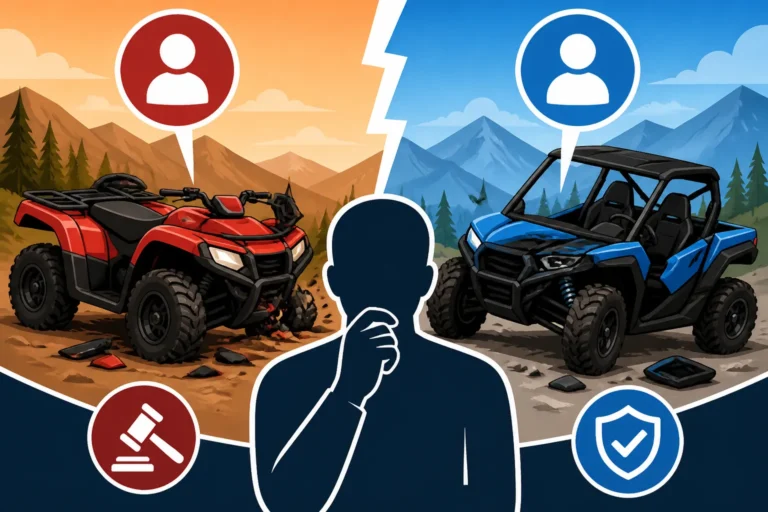
Ignoring Telluride's strict OHV ban can lead to immediate and costly consequences. Local law enforcement, including the San Miguel County Sheriff's Office, actively patrols the town. If you're caught riding an OHV on a public street in Telluride, you can expect a citation, which often comes with a significant fine. [Colorado Fines for Illegal Road Riding] can quickly add up, and beyond the financial penalty, you'll be asked to remove your machine from town immediately. This could mean calling for a tow, or having to walk back to where you legally staged your vehicle, loading it up, and driving it around the restricted area. It's a quick way to ruin a riding day and incur unnecessary expenses. The message from Telluride is firm: keep your OHV out of town.
Alternative Access to Telluride Area Trails
So, does this mean you can't enjoy the trails near Telluride? Absolutely not! It just means your approach needs to be different. Many fantastic trails are accessible in the region, including parts of the Ophir Pass road and routes leading toward Imogene Pass. The key is to stage your OHV outside Telluride's town limits. There are designated staging areas on county or Forest Service roads that are outside the jurisdiction of Telluride's municipal ordinances. You'll need to trailer your OHV to these staging points, unload there, and then begin your ride on the trails. This requires a bit more planning but ensures you stay compliant with the rules and avoid any unpleasant encounters with law enforcement. You'll find many riders doing just this, responsibly parking their rigs and setting off into the incredible backcountry that Telluride is famous for.
Practical Guidance for Riders: Making the Most of Your Trip
Navigating the varied OHV rules across Colorado's mountain towns requires a proactive approach and a commitment to responsible riding. It might seem like a hassle to research every town's ordinance, but a little preparation goes a long way in ensuring a smooth and enjoyable trip. Remember, we all want to keep these beautiful areas accessible for motorized recreation, and respecting local rules is paramount to that goal.
Planning Your Route: Staging Outside Town Limits
The golden rule for visiting areas with mixed OHV access is to always plan your route in advance. Don't assume you can ride anywhere. For towns like Telluride, this means identifying designated OHV staging areas on public lands outside the town limits. For Ouray, it means understanding the specific OHV-friendly streets and planning your entry and exit points carefully. Websites for Colorado Parks and Wildlife (CPW), local county sheriff's offices, and town visitor centers often provide valuable information and maps. Even better, consult a detailed MVUM (Motor Vehicle Use Map) for the surrounding Forest Service or BLM lands. [Riding From a Colorado Campground to the Trail] is a common strategy, ensuring you're legally positioned before you even start your engine. Having a clear plan minimizes confusion and reduces the risk of accidentally entering a restricted zone.
Essential Gear and Vehicle Prep for Road Sections
When you are riding on designated county roads or permitted town streets (like in Ouray), your OHV needs to meet specific requirements to be road-legal for those sections. This typically includes proper lighting (headlights, taillights, brake lights), a horn, mirrors, and sometimes turn signals. Many riders choose to equip their machines with aftermarket kits from reputable brands like SuperATV to ensure they meet these requirements, making their UTV or ATV more versatile. You should also be familiar with [What Colorado Requires on an OHV Road Ride], which often includes a valid Colorado OHV registration sticker and carrying your registration card. Always ensure your machine is in good working order, with properly inflated tires and functioning brakes, especially when sharing the road with other vehicles.
Respecting the Rules: The Rider's Responsibility
Ultimately, the responsibility for knowing and following the rules falls squarely on the rider. This isn't just about avoiding tickets; it's about being a good steward of the sport and a respectful visitor. Local communities are more likely to maintain or even expand OHV access if riders demonstrate a consistent commitment to safety, quiet operation, and adherence to regulations. This means:
- Controlling Noise: Keep exhaust systems in good working order and avoid excessive revving, especially in or near populated areas.
- Managing Dust: Slow down on gravel roads, particularly when passing homes or other vehicles, to minimize dust clouds.
- Operating Safely: Obey posted speed limits, yield to pedestrians and bicycles, and avoid reckless driving.
- No Alcohol: Absolutely no [Colorado Alcohol Limits for OHV Operators] violations, as this can have severe legal consequences and endanger others.
- Carrying Documentation: Always have your OHV registration and any necessary permits on hand.
By actively demonstrating respect for the local rules and residents, we help foster a positive image for OHV recreation in these cherished mountain towns.
Comparing Ouray and Telluride OHV Rules
To help clarify the differences, let's put the rules for Ouray and Telluride side-by-side. It's a stark contrast that highlights the diverse approaches Colorado towns take to managing OHV traffic.
A Quick Reference Table for Town Access
| Feature | Ouray, Colorado | Telluride, Colorado |
|---|---|---|
| General OHV Access | Permitted on designated routes for ingress/egress to trails. | Generally prohibited on all public streets within town limits. |
| Purpose of Access | To connect lodging/staging to surrounding trail systems. | No direct OHV access for general recreation or transit. |
| Signage | Look for "OHV Route" signs, often accompanied by maps. | Signs indicate OHV prohibition or simply no designation for use. |
| Parking in Town | Restricted/regulated in downtown. Staging outside town advised. | Not applicable, as OHVs are not permitted in town to park. |
| Fueling in Town | Gas stations accessible via designated OHV routes. | Not applicable, as OHVs are not permitted in town. |
| Consequences for Violations | Citation, fine, possible impoundment if repeated or egregious. | Immediate citation, significant fine, removal of vehicle. |
| Recommended Strategy | Stick to marked routes, use staging areas, be respectful. | Trailer to designated staging areas outside town limits. |
This table really underscores the importance of understanding the specific rules for each town you plan to visit. What works in Ouray definitely won't work in Telluride.
Local Enforcement and Penalties
You might be wondering, "How strictly are these rules enforced?" The answer is: very strictly. Local law enforcement, including the Ouray Police Department, the Telluride Marshal's Department, and the San Miguel County Sheriff's Office, are well aware of their town's ordinances and are vigilant about enforcing them. They understand the impact OHVs can have on their communities and act to uphold the rules that have been established. [Sheriff Enforcement in Colorado Mountain Towns] is a common sight, particularly during peak riding seasons.
Penalties for non-compliance are not trivial. A citation for illegal OHV operation in a restricted zone can easily range into hundreds of dollars, and repeated violations or more serious infractions (like reckless driving or alcohol-related offenses) can lead to impoundment of your machine, suspension of driving privileges, or even more severe legal consequences. It's simply not worth the risk. Ouray relies on responsible rider behavior to maintain its current level of access, and Telluride is very clear that no access means no access. By understanding and respecting these boundaries, we all contribute to a more harmonious environment for residents and visitors alike, ensuring that the incredible riding opportunities in the San Juan Mountains remain available for years to come.
Disclaimer
This article is for general informational purposes only and does not constitute professional advice. Laws, prices and regulations vary by location and change over time. Consult a qualified professional for guidance on your specific situation.