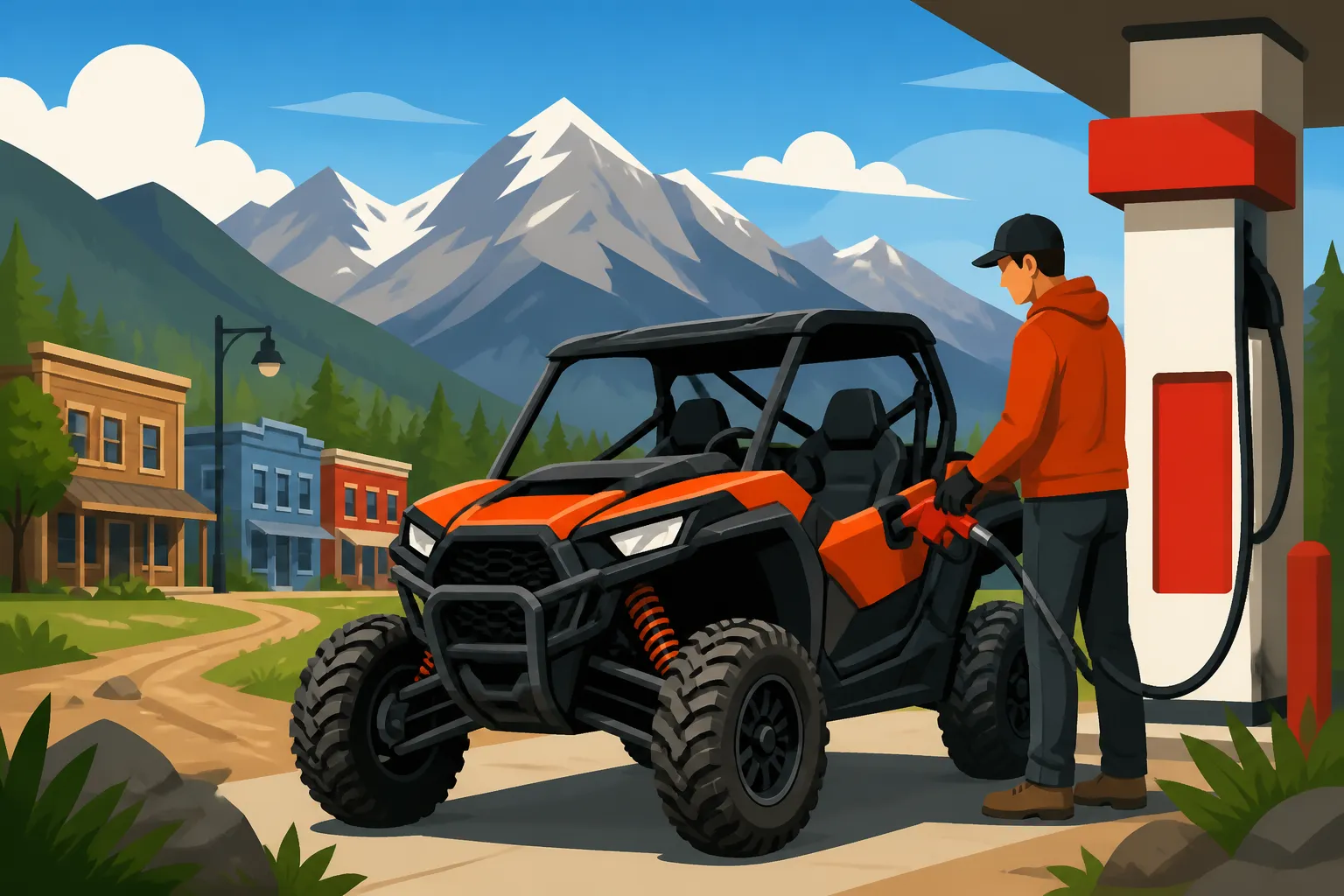
Fueling an OHV in a Colorado Trail Town
There's nothing quite like the freedom of exploring Colorado's breathtaking backcountry on your ATV or UTV, but that exhilaration can quickly turn to anxiety when your fuel gauge starts dipping towards empty, miles from civilization. Pulling into a quaint mountain trail town, you might think salvation is at hand, but actually getting your off-highway vehicle to a gas station can be surprisingly complex and frustrating. This guide will unravel the mysteries of fueling your OHV in Colorado's trail towns, helping you confidently navigate local rules and keep your adventure rolling.
The High-Altitude Reality of Fueling in Colorado Trail Towns
Riding through Colorado's majestic mountains offers unparalleled views and thrilling experiences, but it also presents unique challenges when it comes to keeping your machine fed. Unlike urban areas with gas stations on every corner, trail towns often have limited options, and the very environment you're enjoying can impact your fuel consumption. It’s a common frustration to pull into a small town, engine sputtering, only to find the single gas station closed, out of premium, or worse, completely unreachable due to local ordinances.
Why Mountain Fuel Stops Are Different
First off, let's acknowledge that mountain towns are simply different beasts. They’re often smaller, more remote, and their services cater to a diverse crowd of outdoor enthusiasts, not just OHV riders. This can mean fewer gas stations, shorter operating hours, and sometimes, a limited selection of fuel grades. Imagine rolling into a tiny town like Ophir or Marble, expecting a full-service station, and finding only a single pump at the general store, or nothing at all. It's a rude awakening for many riders who haven't planned meticulously.
Then there's the altitude itself. As you climb higher, the air becomes thinner. While modern fuel-injected machines adjust fairly well, older carbureted ATVs might run a bit richer to compensate, potentially burning more fuel than you'd expect at sea level. This isn't usually a massive difference for a single tank, but over a long day of high-elevation riding, it can shave miles off your expected range. Always factor in a slightly increased fuel burn when planning extensive high-country trips.
The "Can I Even Get There?" Dilemma
Perhaps the biggest hurdle for riders isn't finding fuel, but legally getting their OHV to the pump. Colorado has made strides in opening up certain county roads and town streets to OHV use, but these rules are far from universal. Many riders assume that if they can ride on the county road to get to the town, they can then ride through the town to the gas station. This is a huge assumption that can lead to fines and a very unpleasant encounter with local law enforcement.
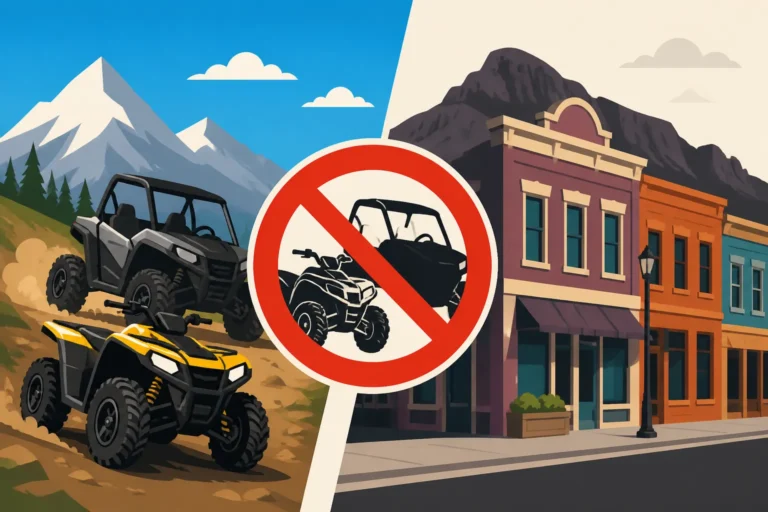
Each town and county has its own specific ordinances regarding OHV street access. What's perfectly fine in Lake City might be strictly forbidden in Ouray or Silverton. The dilemma is real: you see the gas station across town, but a "No OHV Travel" sign bars your direct path. This forces riders to either find an alternative, legal route (which might be miles out of the way), or consider walking with a fuel can – hardly ideal after a long day on the trails. It's a situation that often catches out-of-state visitors and even seasoned Colorado riders by surprise.
Navigating Town Streets to the Pump: Knowing the Rules
The question of whether you can ride your OHV on the street to get to a gas station in a Colorado trail town is probably one of the most frequently asked, and most confusing, questions. There's no blanket "yes" or "no" for the entire state, which is precisely why it's such a source of frustration for riders. Understanding the local laws is paramount to avoid fines or unwelcome attention from the sheriff.
Decoding Local OHV Ordinances
Colorado law permits counties and municipalities to open their roads to OHVs, but they are not required to do so. This means you'll find a patchwork of regulations across the state. Towns like Lake City and Creede are widely known for being very OHV-friendly, with many streets open to allow direct access to services, including gas stations. You can often see people riding their side-by-sides right up to the pump, filling up before heading back out to the trails.
However, other popular destinations have much stricter rules. Silverton, for example, has famously banned OHV street use within its town limits, meaning you cannot ride your machine directly to a gas station there. Ouray allows OHV access on certain designated streets for ingress and egress but has specific routes and restrictions. It’s critical to remember that [Colorado Towns That Let OHVs Use Their Streets] usually have maps or signs clearly indicating approved routes. If you don't see specific signage, assume it's prohibited. This isn't just about avoiding a ticket; it's about respecting the local community and ensuring continued access for everyone.
Essential Gear and Etiquette for Town Travel
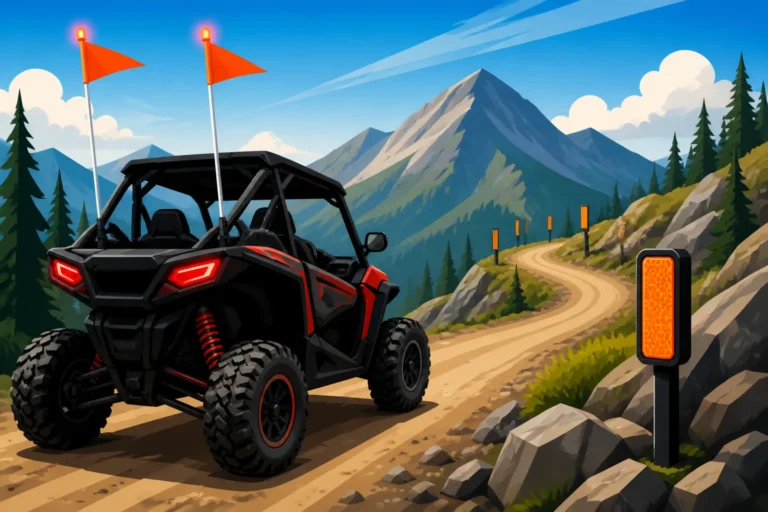
Even in towns where OHV street access is permitted, you're usually required to meet certain equipment standards that might not be necessary for trail-only riding. When operating on public streets, your OHV is generally considered a motor vehicle and must comply with safety requirements. This typically includes working headlights and taillights, brake lights, mirrors, and a horn. Some ordinances might also require a whip flag, especially if you're riding in an area with mixed traffic. Before venturing onto town roads, perform a quick check to ensure all your lights are functional and that you have the required safety gear. It's a simple step that can save you a headache.
Beyond the physical gear, etiquette plays a massive role. When you're riding through a town, you're not on the trail. Keep your speed down – well below the posted limit if conditions warrant – and be mindful of pedestrians, cyclists, and other vehicles. Avoid dusty starts or excessive noise; aftermarket exhausts that sound great on the trail can be quite offensive in a residential area. Pulling up to the pump, treat it like any other vehicle. Don't block access, be patient, and make sure your machine is turned off. A little courtesy goes a long way in ensuring these town access privileges remain for all OHV riders. Respectful behavior helps maintain good relationships with the communities that welcome us. [Speed Limits for OHVs on Colorado County Roads] generally apply, but always defer to town-specific posted limits.
Strategic Fuel Planning for Your Colorado OHV Adventure
One of the biggest lessons you'll learn as an OHV rider in Colorado is that proactive fuel planning isn't just a good idea; it's absolutely essential. The last thing you want is to be stranded far from a gas station, especially on a high mountain pass. A little preparation can save you from a major headache and ensure your adventure remains fun and uninterrupted.
Mapping Out Your Fuel Stops
Before you even load your machine onto the trailer, take some time to study your intended route. Look at the maps, identify towns or staging areas along your loop, and specifically pinpoint where gas stations are located. Don't just assume a town will have fuel; verify it. Many riders use apps or GPS devices that show points of interest, including gas stations, and some even provide details on whether they can accommodate larger trailers or have specific fuel grades. For long rides, like exploring the Alpine Loop, you need to know exactly where your next fuel opportunity is, whether it's Lake City, Ouray, or another designated stop.
Consider the total mileage of your planned route and compare it to your OHV's typical fuel range. Remember to factor in terrain difficulty, altitude, and your riding style, all of which can affect fuel consumption. For instance, extended climbs or fast, aggressive riding will burn fuel faster. It's always a good idea to aim to refuel when your tank is still about a quarter full, giving you a buffer in case a planned stop is unavailable or you encounter an unexpected detour. Think of it as your adventure insurance. [Fuel Planning for a Colorado Trail Day] is a crucial part of preparation.
Carrying Extra Fuel Safely
For those longer, more remote rides where fuel stops are few and far between, carrying extra fuel is often a necessity. This isn't just about throwing a gas can in the bed of your side-by-side; it's about doing it safely and securely. You want a robust, leak-proof container designed for fuel, not just a generic plastic jug. Brands like SuperATV offer excellent mounting solutions and specialized fuel containers that are built to withstand the rigors of off-road travel, securing them tightly to your machine so they don't bounce around or become a hazard.
When securing extra fuel, ensure it's in an area where it won't be exposed to extreme heat or potential impacts. Many side-by-sides have dedicated cargo areas or racks that are perfect for this. Quads might require a sturdy rear rack with proper strapping. Always check the fuel can for any signs of damage before each trip. Also, be mindful of the weight distribution on your machine when adding extra fuel, especially if you're also [Packing for a Guided Mountain Tour] with other gear. An unbalanced machine can affect handling and safety on challenging trails. Carrying a small funnel can also be a lifesaver, as some fuel filler necks are awkwardly placed or have baffles.
| Fuel Carrying Method | Pros | Cons | Best Use Case |
|---|---|---|---|
| Standard Plastic Can | Readily available, affordable | Can leak, not designed for off-road jostling | Short trips, emergency backup, careful transport |
| RotoPax / Fuel Cells | Durable, leak-proof, purpose-built | Higher cost, requires specific mounting | Long, remote rides, multi-day trips |
| Auxiliary Fuel Tank | Integrated, large capacity, secure | Expensive, permanent modification, professional installation | Serious overlanding, extended expeditions |
| Small Emergency Bottle | Compact, light, easy to stash | Very limited capacity, only for emergencies | "Just in case" for short rides or getting to next pump |
Beyond the Pump: Altitude, Performance, and Fuel Efficiency
Understanding how your OHV performs at altitude and how to maximize its fuel efficiency goes hand-in-hand with smart fuel planning. It's not just about how much gas you carry, but how effectively your machine uses it. Colorado's diverse elevations mean you'll rarely be riding at sea level, and this has tangible effects on your engine.
How Elevation Affects Your OHV's Thirst
We've touched on this briefly, but it's worth diving deeper. At higher altitudes, there's less oxygen in the air. Engines need oxygen to burn fuel efficiently. Older, carbureted machines, without automatic air-fuel mixture adjustments, will typically run "richer" – meaning they're getting too much fuel for the available air – at higher elevations unless they've been specifically jetted for altitude. This can lead to reduced power, spark plug fouling, and yes, increased fuel consumption. If you're riding a carbureted ATV, consider having it jetted for Colorado's common riding elevations, especially if you spend a lot of time above 7,000 feet.
Modern fuel-injected OHVs are far better at compensating for altitude changes. Their Electronic Control Units (ECUs) automatically adjust the air-fuel mixture based on sensor readings, including air pressure. However, even with fuel injection, you might notice a slight drop in power and, in some cases, a minor decrease in fuel economy simply because the engine is working harder with less available oxygen. This isn't usually a major concern for short rides, but on long, strenuous climbs up passes like Engineer or Cinnamon, every bit of efficiency helps. Understanding [Altitude and Carburetor Tuning] is important for older machines.
Tips for Maximizing Your Range
Beyond carrying extra fuel, there are several things you can do while riding to make your tank last longer. First and foremost, a smooth, consistent riding style is key. Avoid aggressive acceleration and braking whenever possible. Rapid changes in speed burn more fuel than maintaining a steady pace. Think of it like driving a car efficiently on the highway – gentle throttle inputs save gas.
Machine maintenance also plays a crucial role. A properly tuned engine, clean air filter, and correctly inflated tires all contribute to better fuel economy. Underinflated tires create more rolling resistance, making your engine work harder. Regularly check your tire pressure before each ride. Additionally, removing any unnecessary weight from your machine can slightly improve efficiency. While a full cargo box might be necessary for certain trips, consider if you truly need every tool, spare part, or accessory every time you ride. Finally, route planning to avoid unnecessary detours or overly difficult obstacles can also conserve fuel. Sometimes the longer, smoother route uses less fuel than the shorter, more technical one.
What to Do When the Tank Runs Dry: Contingency Plans
Despite all the best planning and careful riding, sometimes things go wrong. A miscalculation, an unexpected trail closure, or simply getting a bit too enthusiastic can lead to the dreaded moment when your engine sputters and dies, signaling an empty fuel tank. Being prepared for this scenario, rather than panicking, can make all the difference.
The Unwelcome Reality of Running Out
Running out of gas on a trail in the Colorado backcountry is more than just an inconvenience; it can quickly become a serious situation, especially if you're alone, far from civilization, or if weather conditions change rapidly. The frustration is immense, but the immediate priority shifts to safety and recovery. Your first thought might be to flag down another rider, which is often a viable option on popular trails. Most experienced riders carry some emergency supplies, and many are happy to share a bit of fuel to get you to the next stop.
However, relying on others isn't a plan. If you're in a very remote area, or if trail traffic is light, you might be looking at a long walk back to a trailhead or a phone call to a recovery service (assuming you have cell service, which is often spotty in the mountains). This is why it's crucial to always tell someone your route and expected return time. A personal locator beacon (PLB) or satellite messenger can be invaluable tools for communicating your predicament if you're truly in a bind. [Cell Service on Colorado Mountain Trails] is never guaranteed.
Emergency Fuel Options and Trailside Repairs
Beyond carrying a dedicated fuel can, there are smaller, more compact emergency fuel solutions available. Small, self-contained fuel bottles, often used by backpackers for stoves, can carry just enough gas to get you a few extra miles or to the nearest pump. They're lightweight and easy to stash in a storage compartment or backpack. A simple siphon hose, while less elegant, can also allow you to transfer fuel from a friend's tank if needed.
Having a basic tool kit on your machine can also be helpful for quick trailside checks, like ensuring your fuel line hasn't kinked or come loose, which can mimic running out of gas. Knowing how to troubleshoot simple issues can prevent unnecessary worry. Companies like SuperATV offer compact tool kits and emergency repair items that are designed for off-road use, making them a smart addition to your gear. These simple items, combined with a level head, can often get you out of a tough spot without having to call for an expensive tow or, worse, spending a cold night on the trail. [What to Carry Over a High Pass] should always include emergency fuel.
Disclaimer
This article is for general informational purposes only and does not constitute professional advice. Laws, prices and regulations vary by location and change over time. Consult a qualified professional for guidance on your specific situation.