Busy Colorado Trails on a Holiday Weekend
A holiday weekend can turn a favorite Colorado OHV trailhead into a line of trailers, slow-moving machines, and last-minute route changes. You can still have a rewarding ride, but the day goes better when you choose an area that suits your machine, check access before leaving, and plan around peak arrival and departure times.
Why Colorado OHV trails get crowded on holiday weekends
The busiest times are often predictable
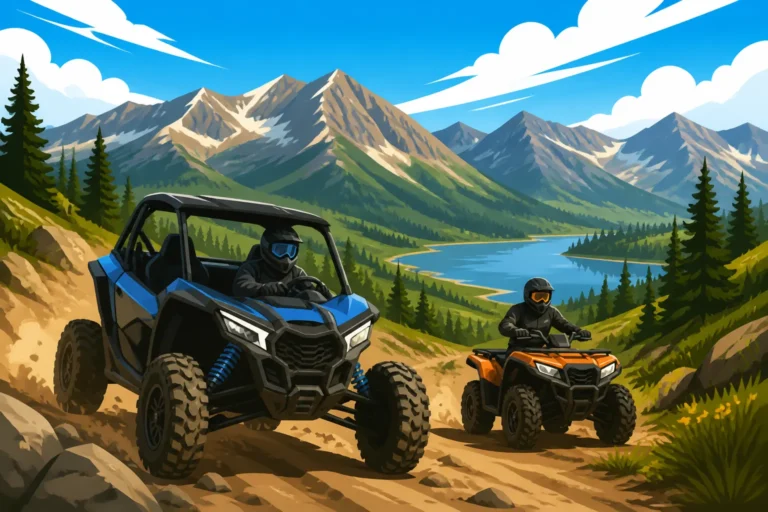
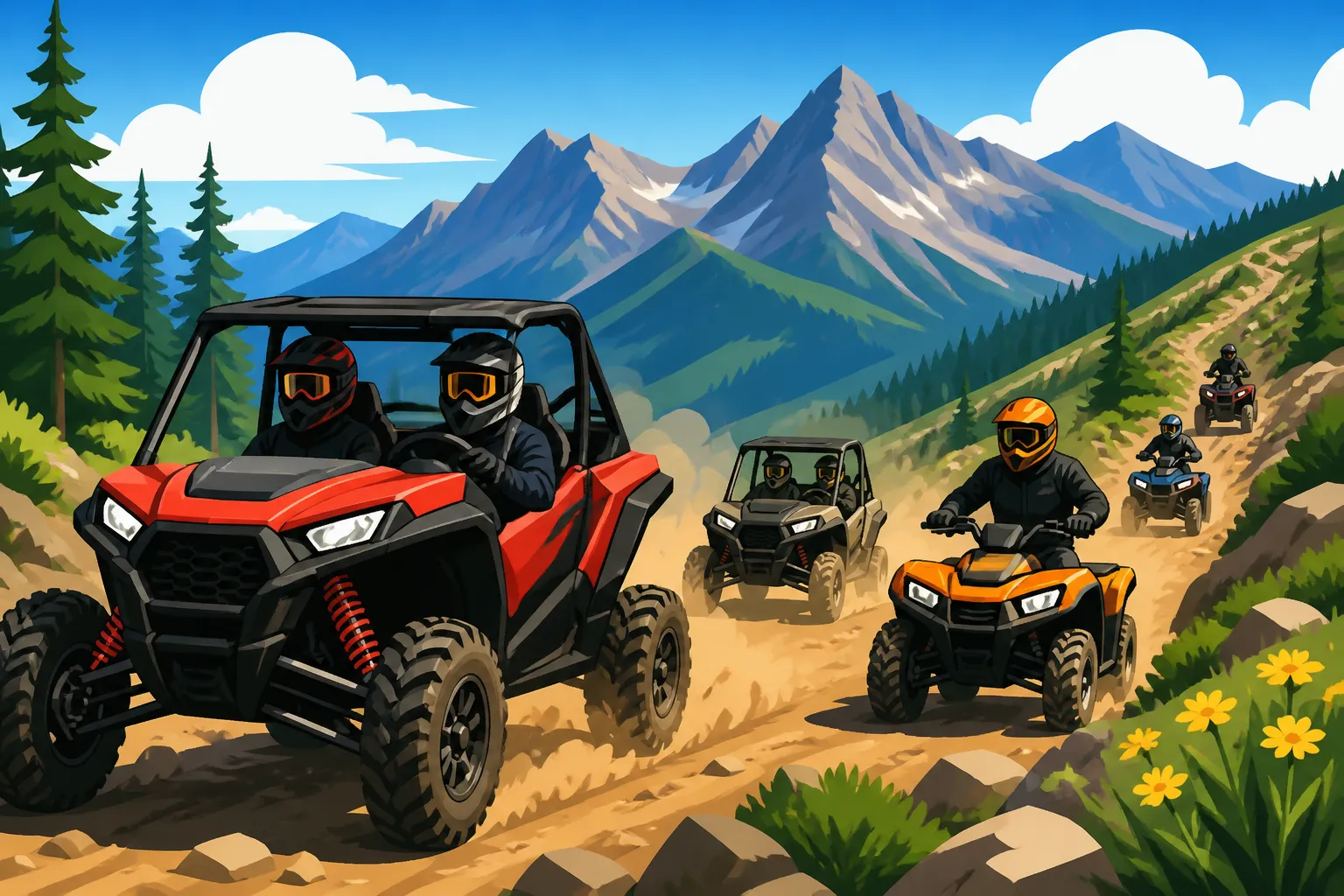
On Memorial Day, Independence Day, and Labor Day weekends, many riders aim for the same limited number of open trails, campgrounds, and staging areas. Crowds often build from midmorning onward, especially near popular trailheads, scenic passes, and small mountain towns. A parking lot that looks manageable early can fill while you unload, check tire pressure, and get everyone geared up.
The busiest moment is not always when you expect. Riders who camp nearby may start early, while visitors towing from farther away can arrive later in the morning. At the end of the day, machines and trailers funnel back toward a small number of access roads. That can mean slow traffic, dusty conditions, and a longer wait to load up.
If your schedule allows, aim to unload early and ride before the busiest part of the day. Starting early also gives you more flexibility if a route is slower than expected or weather changes. If your group prefers a relaxed morning, consider a shorter ride or a less popular staging area rather than trying to fit a full-day itinerary into the busiest hours.
For a broader look at how trail traffic varies by location and season, see Colorado’s High-Altitude Riding Season and Busy Colorado Trails on a Holiday Weekend. If the trip is centered on a famous pass, learn about the route’s difficulty and access before choosing your departure time. A scenic road that is manageable in quiet conditions may feel stressful when you meet a steady stream of Jeeps, side-by-sides, and other trail users.
Popularity and accessibility shape the crowd
Some areas attract large holiday crowds because they connect to recognizable destinations or offer several routes from one staging area. The Alpine Loop, for example, draws riders and other travelers interested in the San Juan Mountains, historic mining sites, and high passes. Taylor Park offers a network of riding opportunities, while Rampart Range is a familiar choice for many Front Range riders. These are not interchangeable experiences: terrain, access, machine suitability, and seasonal conditions differ.
Crowds can also concentrate at bottlenecks. A narrow shelf road, a trail junction, a popular overlook, or a small parking area may slow everyone down even if the wider riding area does not seem packed. When choosing where to go, think beyond trail mileage. Ask whether there are alternate loops, room to stage a trailer, and options to turn back if the route feels too busy or difficult.
Use a current official map and closure information to confirm where motorized travel is allowed. A digital tool such as onX Offroad can help you compare routes and keep your group oriented, but it should not replace official land-manager information. Check Reading a Colorado Motor Vehicle Use Map before treating a line on any map as an open, legal route.
Choosing a riding area that fits your group
Match the destination to your machine and experience
A trail that looks appealing online may be a poor fit for a wide side-by-side, a new rider, or a group that wants a quiet half-day outing. Before committing, check route width, surface, steepness, elevation, and whether the route includes exposed sections or tight turns. A machine’s advertised capability does not guarantee that every passenger will be comfortable on a narrow or uneven trail.
For example, a group with a full-size UTV may be happier on routes with adequate width and room to meet oncoming traffic than on a narrow trail designed for smaller machines. A family with children might prefer a short loop with straightforward access and an easy exit rather than a remote, high-elevation route. If riders have different experience levels, plan around the least comfortable person, not the most confident driver.
A useful comparison is to consider the kind of day you want, not just the name of the destination:
| Riding plan | What to look for | Holiday-weekend tradeoff |
|---|---|---|
| Scenic pass or historic route | Route length, exposure, elevation, and turnouts | Memorable views, but popular sections can bottleneck |
| Network with multiple loops | Alternate routes and clear junctions | More options to spread out, though main access points may still fill |
| Short family ride | Easy staging, modest distance, and a clear turnaround point | Less time on the trail, but easier to adapt to crowds |
| Remote or less familiar area | Reliable maps, access details, and a backup plan | Potentially quieter, but fewer services and less room for mistakes |
For destination ideas, review Where to Ride an OHV in Colorado, Family-Friendly Colorado OHV Trails, and Colorado Trails Suited to Beginners. These topics can help you narrow the search before you commit to a long tow or book a campsite.
Have a backup that is genuinely practical
A backup destination should be more than a pin saved on your phone. Check that it is open to your machine, reachable with your trailer, and realistic given your group’s location and remaining daylight. A nearby area may have a different access road, land manager, or seasonal closure. Confirm those details before you leave home, then check again before unloading.
Think through the changeover in advance. If your first choice has a full staging lot, will you have enough fuel to drive to the alternate area? Is there a safe place to turn around with a trailer? Will the group be willing to ride a shorter loop if the alternate destination takes longer to reach? Discussing those questions before the trip prevents an already crowded morning from turning into a stressful parking-lot debate.
When using onX Offroad or another mapping app, save the route and relevant map areas before heading into places with weak service. Add the official map or closure information to your planning, and make sure at least one other person in the group understands the route. For a deeper planning checklist, see Planning a Colorado Riding Trip and Colorado Trailhead Parking and Staging.
Planning a smoother holiday ride
Check access, weather, and trail conditions
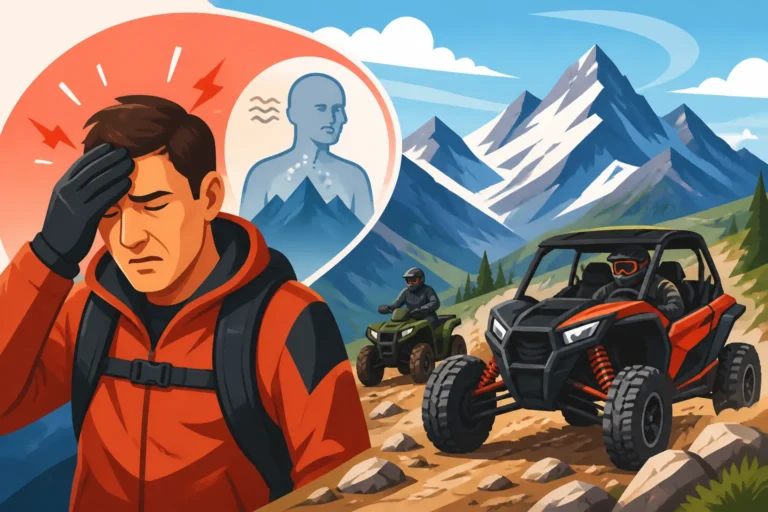
Colorado riding conditions can change quickly with elevation and weather. A route that is dry and comfortable at one elevation may still have snow, mud, or a seasonal gate farther up. A clear forecast in town does not guarantee calm conditions above treeline, where storms can develop and temperatures can drop. Before the trip, check current notices from the agency responsible for the route and review weather for the elevations you expect to reach.
Do not assume that a trail is open simply because it appears on a map, was open on a previous trip, or has recent social-media photos. Closure dates and restrictions can vary by road, trail, and land manager. If a route is closed or conditions are unsuitable, respect the restriction and use your backup rather than trying to ride around a gate or closure sign. Colorado Trail Closures and Where They Are Posted and Checking Snowpack Before a Colorado Trip offer useful background for this kind of planning.
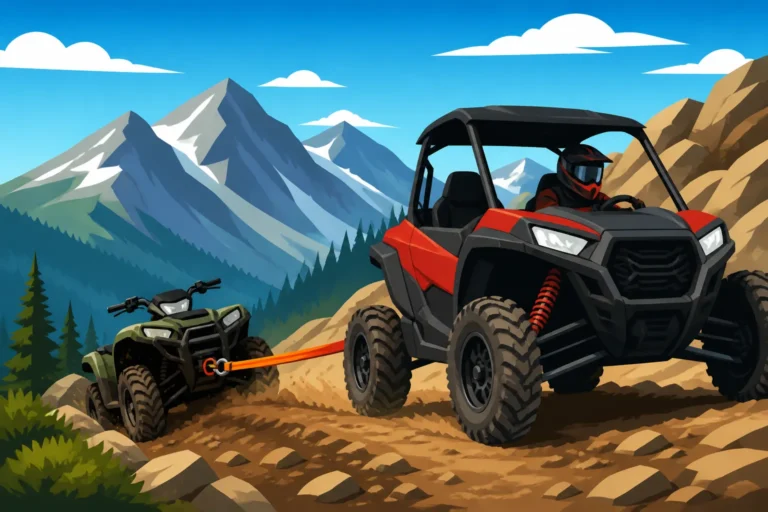
Build in extra time for slow travel and unexpected stops. A group may need to wait for oncoming traffic, help someone with a minor mechanical issue, or turn around when the route becomes uncomfortable. Set a turnaround time before you begin, especially if you are planning to cross a high pass or ride far from the trailhead. That gives you a clear point for heading back before afternoon weather or fading light becomes a problem.
Make parking, communication, and group decisions easier
Holiday logistics start before you reach the trail. Confirm that the staging area can accommodate your trailer, and avoid blocking gates, access roads, or other vehicles while unloading. If your group is arriving in separate vehicles, choose a clear meeting location and agree on what to do if one party is delayed. A crowded trailhead is a poor place to make a complicated plan while other riders are trying to maneuver around you.
At the trailhead, set expectations about pace, spacing, and regrouping. The lead rider should stop at safe junctions and confirm that everyone is accounted for before moving on. Avoid stopping in blind corners or narrow sections where approaching traffic may not see your group. If someone wants to take photos or examine a viewpoint, pick a pullout that leaves the route clear.
Communication can be difficult when the group becomes spread out or loses cell service. Agree on simple check-in points and a plan for a rider who gets separated. Keep a paper map or offline navigation available as a backup, and share the route with someone who is not riding. For practical navigation preparation, see Cell Service on Colorado Mountain Trails and What to Carry Over a High Pass.
Riding responsibly when the trails are busy
Give other users room and keep a flexible pace
A crowded trail rewards patience more than speed. Leave enough space to stop without forcing the rider ahead to hurry, and slow down when visibility is limited by dust, vegetation, or a blind corner. If you meet another group on a narrow section, use a safe, visible place to pass or wait rather than squeezing through. On a steep or exposed route, a calm pause can be safer than trying to solve a passing problem in a hurry.
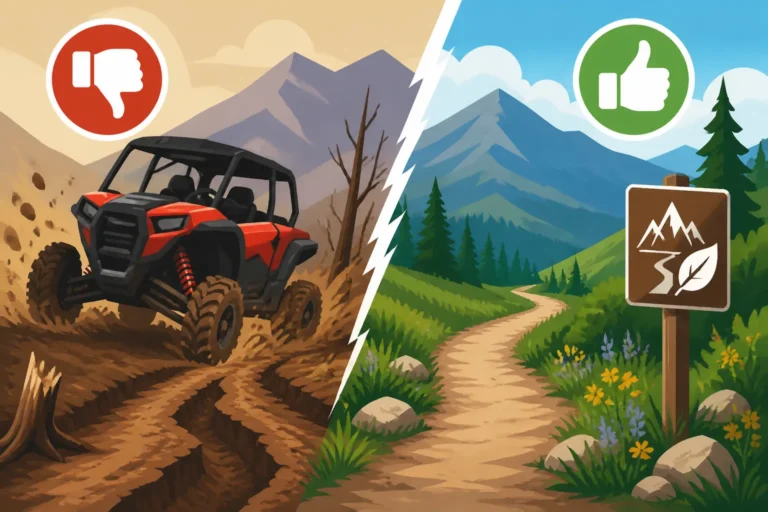
Be especially considerate near homes, campgrounds, trailheads, and small towns. Dust and noise carry, and a large group riding quickly can affect people who live or camp nearby. Keep to marked routes, avoid creating new tracks around mud or obstacles, and do not treat an open-looking area as permission to ride off route. Stay The Trail Ethics in Colorado explains why staying on designated routes matters for continued access and resource protection.
If the group is getting tired, frustrated, or uncomfortable, shorten the ride. A good holiday outing does not have to include every pass, overlook, or connecting route on the map. A shorter loop with an easy return is often a better choice than pushing onward because the group already traveled a long way to get there.
Leave room for the trip home
The ride is only part of the day. Leave enough time to return before conditions worsen, reload without rushing, and drive out of the area safely. If several groups are heading toward the same trailhead near closing time, traffic can slow down on both the trail and the access road. Waiting until late afternoon to start back can leave little margin for a flat tire, a stuck machine, or a weather delay.
Before leaving the staging area, check that everyone and every machine is accounted for. Secure equipment and cargo carefully, and make sure the trailer is ready for the road before pulling into traffic. On mountain routes, a long descent can also be demanding for both the tow vehicle and trailer. Plan the drive as carefully as the ride, particularly if you are unfamiliar with the road or traveling after a full day outdoors.
The most reliable way to enjoy a busy Colorado holiday ride is to make fewer assumptions: choose an area that fits your group, verify current access, arrive with a real backup plan, and leave enough time to turn around. Crowds may still mean a slower day, but preparation makes it much easier to respond calmly when the trailhead is full or the route is busier than expected.
Disclaimer
This article is for general informational purposes only and does not constitute professional advice. Laws, prices and regulations vary by location and change over time. Consult a qualified professional for guidance on your specific situation.