Where a Colorado Trail Meets a Public Road
It’s a scenario we’ve all faced: you’re deep in the Colorado backcountry, enjoying miles of pristine trail, when suddenly, the dirt under your tires gives way to pavement. That abrupt transition from a rugged OHV trail to a public road can be jarring, confusing, and, if not handled correctly, even illegal. This guide is here to unravel the complexities of these intersections, ensuring you know exactly how to navigate them safely and legally when your Colorado adventure takes you from the wild path to the paved road.
The Transition Zone: Understanding Trail-to-Road Intersections
Riding off-highway vehicles in Colorado is an incredible experience, but it often involves a delicate dance between designated trails and public roads. These transition points are where many riders, especially those new to the state or the sport, can get a bit lost – not physically, but legally. It’s not always obvious where the trail ends and the road rules begin, and misunderstanding can lead to frustrating tickets or even dangerous situations.
Why These Intersections Are Tricky
The main reason these junctions are so tricky is the fundamental difference in regulations. On a designated OHV trail, you're governed by specific off-highway vehicle rules set by agencies like the Forest Service or BLM, along with Colorado Parks and Wildlife (CPW) regulations. But the moment your tires hit a public road, you enter a different legal landscape altogether, subject to traffic laws, county ordinances, and state statutes that might not apply to your OHV elsewhere. The state of Colorado generally does not permit OHVs on paved state highways, but many counties and towns do allow them on certain county roads or within town limits. The problem is, these rules are not uniform. What’s allowed in Hinsdale County might be strictly forbidden in San Juan County, even if the roads are just a few miles apart. It's enough to make your head spin!
The Legal Status of Public Roads
When we talk about "public roads" in Colorado, we're encompassing a pretty wide array of routes. At its core, a public road is any road maintained by a government entity – be it federal, state, county, or municipal – and open to public travel. The key distinction for OHV riders is whether that particular public road has been designated for OHV use.
- State Highways (CDOT): Generally speaking, OHVs are not allowed on paved state highways in Colorado. These are the main arteries, often identified by route numbers (e.g., Highway 550, Highway 149), and they're strictly for street-legal, plated vehicles. There are very few, specific exceptions, like the [The 3.26-Mile Highway 149 OHV Stretch] near Lake City, which is a rare, specifically designated OHV corridor.
- County Roads: These are the most common public roads OHV riders will encounter. Many Colorado counties have adopted ordinances to allow OHV travel on specific county roads, often to connect trail segments or allow access to trailheads from town. This is why you'll see riders on machines like yours driving through places like Lake City or Silverton (though Silverton has specific town restrictions). These roads are typically gravel or dirt, but some might be paved near populated areas.
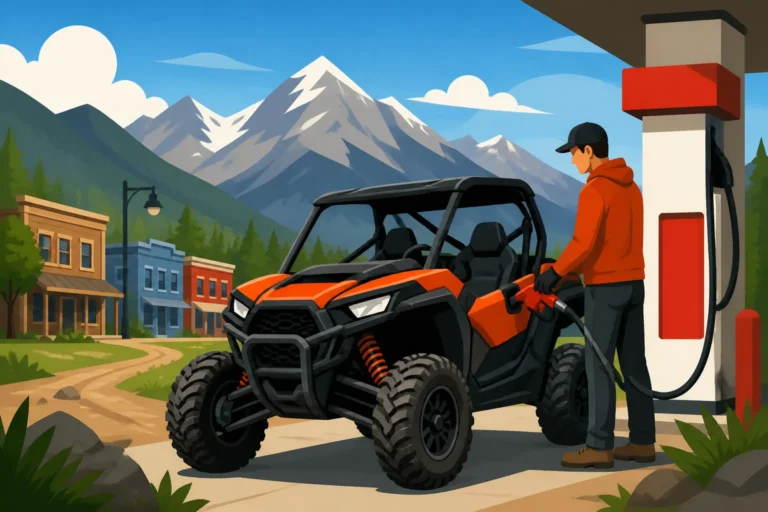
- Town Streets: Similar to county roads, individual municipalities can pass ordinances allowing OHV access on certain streets within their town limits. This is how riders can often fuel up, grab a meal, or access lodging in towns like Lake City, Ouray, or Kremmling. However, this is never a given, and rules can be very strict, such as [Silverton's Ban on OHVs in Town].
- Forest Service and BLM Roads: While often unpaved and deep in the backcountry, these are indeed public roads. They are typically open to OHV use unless otherwise restricted. You’ll usually find these on a [Reading a Colorado Motor Vehicle Use Map] (MVUM), which will clearly indicate where OHVs are permitted. These are the lifeblood of many riding areas, but even here, speed limits and right-of-way rules apply just as they would on any other road.
Different Types of "Public Roads" You Might Encounter
Understanding the type of road you're transitioning onto is crucial. Imagine you're riding a gnarly trail, your suspension working hard over rocks and roots, and suddenly you pop out onto:
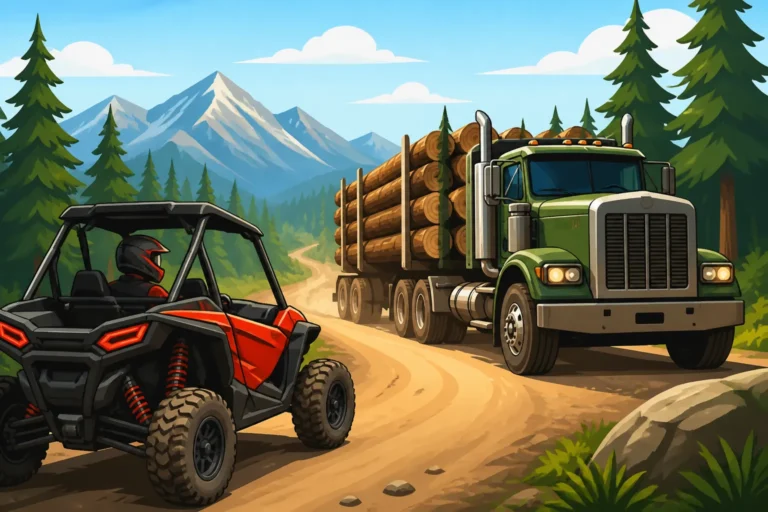
- A maintained gravel county road: This is perhaps the most common and often the easiest transition. You’ll likely slow down, look for signs, and proceed if allowed. These roads are frequently part of designated OHV routes, connecting various trails. You’ll share these with passenger cars, trucks, and often ranchers moving livestock.
- A paved mountain pass road: You might find yourself finishing a high-altitude trail and suddenly meeting a paved highway winding over a pass. Unless it's explicitly marked as an OHV route (which is rare for paved state highways), this is where you need to be extremely cautious and likely turn around or seek an alternative.
- A residential street in a small town: Picture yourself coming down a winding forest road and, boom, you're on Main Street in a quaint mountain town. This is where local ordinances are paramount. You might be allowed to ride directly through town to get to another trail, or you might be limited to specific access points. You absolutely need to know the local rules here, as enforcement can be strict to maintain peace for residents and other visitors.
Knowing the local rules for [Colorado County Roads Open to OHVs] is key to a hassle-free trip.
Navigating the Pavement: Rules and Maneuvers
So, you’ve reached the edge of the trail and a public road stretches before you. Now what? The rules change instantly, and how you proceed can make all the difference in staying safe and legal. It’s not just about not getting a ticket; it’s about sharing the road responsibly with other vehicles and pedestrians.
Stopping and Yielding at the Road
Just like a car, when your OHV approaches a public road from a trail, you are generally expected to stop and yield to through traffic. This isn't just a courtesy; it's a legal requirement designed for safety.
- Stop Completely: Even if there isn't a "STOP" sign, treat any trail intersecting a public road as a stop sign. Come to a complete halt before entering the roadway. This gives you time to assess traffic conditions, look for pedestrians, and ensure you're not pulling out in front of someone.
- Look Both Ways, Twice: We all learned this as kids, and it applies even more so when you're on an OHV that might be less visible than a full-size vehicle. Look left, right, and then left again. Check your mirrors if you have them. Remember, other road users might not be expecting an OHV to emerge from a trail, so be proactive in your vigilance.
- Yield to All Traffic: This means cars, trucks, motorcycles, bicycles, and even pedestrians. They have the right-of-way on the public road. Only proceed when the path is clear and you can do so safely without impeding their flow. Pulling out too quickly can easily cause an accident, especially on winding mountain roads where visibility might be limited.
Crossing a Paved Highway on an OHV
Sometimes, a trail will simply cross a paved road, continuing on the other side. This is one of the most hazardous maneuvers for OHV riders. Colorado law generally allows for [Crossing a Paved Highway on an OHV] if it's the most direct route to another legal riding area and done safely.
- Plan Your Crossing: Don't just blast across. If possible, pick a crossing point with good visibility in both directions. Avoid blind curves or hilltops.
- Signal Your Intent: If your OHV has turn signals, use them. If not, use clear hand signals if safe to do so. This communicates your intentions to other drivers.
- Cross at a Right Angle: Don't try to drive diagonally across the road. Cross as perpendicularly as possible to minimize your time in the travel lanes. This also makes your crossing more predictable for other drivers.
- Be Quick and Decisive: Once you've determined it's safe to cross, do so efficiently. Don't hesitate in the middle of the road. But remember, "quick" doesn't mean "reckless." Maintain control of your machine.
- No Parallel Travel: You generally cannot ride along a paved highway for any distance, even the shoulder, just to reach a crossing point further down the road. The intent is to cross directly. If you need to travel along a road for any distance, it must be a designated OHV route.
For those quick dashes across asphalt, having well-maintained tires, like the ones you might find from SuperATV, can give you better grip and confidence.
Brief Periods of Road Travel for Access
This is where county and municipal ordinances become critical. Many towns and counties allow OHVs to use certain public roads for short distances to connect to another trail, access services (like gas stations or restaurants), or get to lodging. This is a privilege, not a right, and it comes with strict conditions.
- Designated Routes Only: You can only use roads that have been explicitly opened to OHVs by local ordinance. These are often marked with specific signs. Don’t assume all county roads are fair game just because one is.
- Street-Legal Requirements: While your OHV might not be street-legal in the traditional sense, Colorado law does impose specific equipment requirements for any OHV operating on a public road, even if briefly. This includes:
- Headlights and Taillights: These must be on, day or night, if you’re on the road. Check out [Lighting Requirements for a Colorado Road Ride].
- Brakes: Effective brakes are non-negotiable.
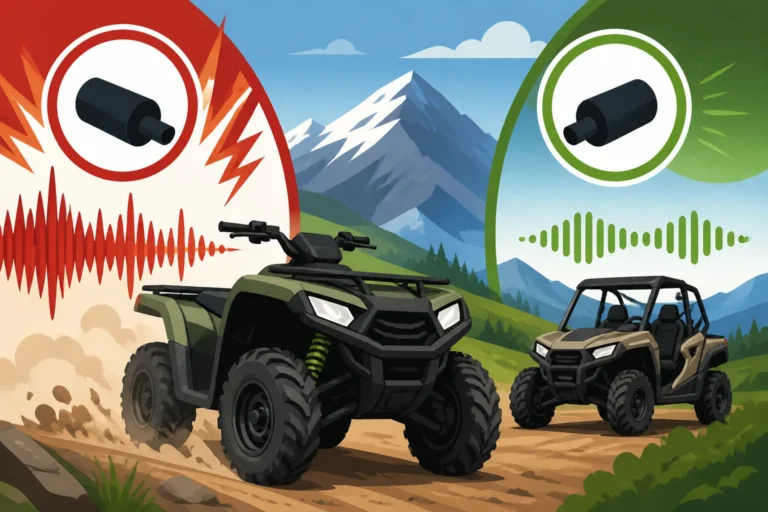
- Muffler and Spark Arrester: Your machine must have a functional muffler and a U.S. Forest Service-approved spark arrester. Noise limits are important, especially in residential areas; excessive noise will draw unwanted attention from residents and law enforcement. [Mufflers and Spark Arresters in Colorado] details these requirements.
- Rearview Mirror: At least one functioning rearview mirror is required.
- Horn: A working horn is a must.
- Eye Protection: For riders and passengers, eye protection is required.
- Whip Flag (sometimes): Some areas, particularly open riding parks or sand dunes, require a whip flag for visibility. While not always mandated on county roads, it’s a good safety measure to consider.
- Speed Limits: On public roads, OHVs are subject to posted speed limits. Even if a limit isn't posted, assume a reasonable, cautious speed, especially in residential or congested areas. Often, towns will have a blanket, lower speed limit for OHVs on their streets.
- Operator Requirements: The driver must hold a valid driver's license. For younger riders, [Colorado OHV Road Rules for Young Riders] are very specific about age, machine size, and adult supervision. Passengers must be in a designated seat.
- OHV Registration/Permit: Your OHV must be properly registered with Colorado Parks and Wildlife (or have a valid non-resident permit). This is fundamental for any public land or road use. Without it, you're looking at [Fines for an Unregistered OHV in Colorado].
Using quality accessories from a brand like SuperATV, such as their robust turn signal kits or mirrors, can help ensure your machine meets these road requirements and keeps you visible.
Staying Legal and Safe: Signage, Enforcement, and Best Practices
Navigating the nuances of Colorado's OHV road rules isn't just about knowing the law; it's about being observant, prepared, and respectful. Ignoring signs or local customs can quickly lead to citations, lost privileges, or even accidents. Enforcement is real, and the consequences can be more than just a ruined ride.
Recognizing Colorado's OHV Road Signs
Colorado takes its OHV management seriously, and that includes clear signage. When you're approaching or traveling on a public road where OHV use is allowed, you'll often see specific signs:
- "OHV Route" or "Shared Use Road" Signs: These are your green light. They indicate that OHVs are permitted on that section of road. Sometimes, they might also specify restrictions, like "OHVs Allowed Next 3 Miles" or "OHVs Permitted for Through Travel Only."
- "No OHV" or "OHV Prohibited" Signs: These are critical. If you see one, it means OHV travel is not allowed beyond that point or on that particular road. Ignoring these signs is a direct violation.
- Town or County Specific Signs: Many towns and counties that allow OHVs will have their own signage, often at their town limits, detailing specific rules such as speed limits for OHVs, hours of operation, or designated routes. Pay close attention to these, as they represent local ordinances.
- Motor Vehicle Use Maps (MVUMs): While not physical signs on the road, these maps (available online from the Forest Service and BLM, or as hard copies) are the definitive guide for where you can and cannot ride, including forest roads and specific county road connections. Always check an MVUM for your riding area before heading out.
Ignoring a "No OHV" sign, even if you’re just trying to get a quick snack, can result in a [Colorado Citations for Road Riding].
Gear Requirements for Road Sections
Beyond the basic machine requirements, consider the gear you and your passengers wear. While Colorado doesn't have a statewide helmet law for adults on OHV trails (unless you're under 18), it's highly recommended, especially when mixing with road traffic.
- Helmets: A DOT-approved helmet significantly reduces the risk of serious injury. When you're sharing a road with cars, the speeds are higher and the impacts can be more severe. It's just smart.
- Eye Protection: Goggles or a helmet with a face shield are required for road travel. Dust, bugs, and debris are real hazards that can impair your vision, especially at speed.
- Appropriate Clothing: Long pants, long-sleeved shirts, and sturdy over-the-ankle boots protect you from abrasions, scrapes, and flying debris. Brightly colored clothing can also increase your visibility to other drivers, which is crucial on public roads.
- Safety Belts/Restraints: If your machine (like a side-by-side) is equipped with seat belts or other restraints, use them. They are there for your safety in case of sudden stops or collisions.
- Whip Flags: In dusty conditions or areas with limited visibility (like dunes or open riding areas), a tall whip flag can make your OHV much more noticeable to other drivers and riders. While not universally required on county roads, it’s a wise addition, especially if you’ve got tall SuperATV lift kits that might make your machine a little less visible otherwise.
Common Mistakes and How to Avoid Fines
Riding your OHV on public roads can be fantastic for connecting trails, but it's also where many riders get into trouble. Knowing these common pitfalls can save you a lot of headache.
- Assuming All County Roads Are Open: This is a huge mistake. Only specifically designated county roads are open. A general rule of thumb is that if you don't see signage indicating OHV use is allowed, assume it's not. Always check local ordinances or an MVUM.
- Not Having Proper Registration/Permit: Every OHV operating on public land or a designated public road in Colorado needs a current [Colorado OHV Permit Rules on Public Land] or non-resident permit. It’s the law. No permit means a fine.
- Lack of Street-Legal Equipment: For even brief road travel, your OHV needs the required lights, mirror, horn, and spark arrester. Getting pulled over for missing a mirror is a frustrating way to end your ride. [What Colorado Requires on an OHV Road Ride] has the full list.
- Excessive Speed or Reckless Driving: Treat your OHV like any other vehicle on a public road. Speed limits apply. Don't drift into other lanes, do donuts, or create excessive dust. This behavior not only invites law enforcement attention but also erodes public support for OHV access.
- Drinking and Riding: Just like driving a car, operating an OHV under the influence of alcohol or drugs is illegal and extremely dangerous. [Colorado Alcohol Limits for OHV Operators] apply to OHVs on public roads, and the penalties are severe.
- Not Yielding or Stopping: Failing to stop at intersections or yield to other traffic is not only illegal but can lead to serious accidents.
- Riding on Prohibited State Highways: While some towns have specific agreements, generally, you cannot ride your OHV on paved state highways. This is a common mistake for out-of-state riders or those unfamiliar with the subtle nuances of Colorado's road classifications.
Preparing for the Pavement: What to Know Before You Go
A great OHV trip isn't just about the machine; it's about preparation. When your ride involves transitions between trails and public roads, that preparation becomes even more critical. A little homework before you leave home can prevent a lot of stress on the trail.
Checking Local Ordinances in Advance
The single most important piece of advice for navigating trail-to-road intersections is to do your research beforehand. Colorado's approach to OHV road access is highly localized, meaning rules can vary drastically from one county or town to the next.
- Visit County and Town Websites: Many counties and municipalities with significant OHV tourism will have dedicated pages on their government websites detailing their OHV ordinances, maps of approved routes, and contact information for local law enforcement (sheriff's office or town marshal). For example, if you're planning to ride the Alpine Loop, you'll want to check the rules for Hinsdale, San Juan, and Ouray counties, as well as the towns of Lake City, Silverton, and Ouray.
- Consult MVUMs: Download and study the Motor Vehicle Use Maps for the specific National Forest or BLM land you plan to visit. These maps are the definitive source for legal routes, including forest roads that might connect to county roads.
- Call Ahead: If you're unsure, don't hesitate to call the local sheriff's office, the ranger district for the Forest Service, or the local BLM field office. They can provide clarification on specific road access.
- Check with Local Businesses: Powersports dealers, rental shops, and lodging providers in OHV-friendly towns often have up-to-date information on local regulations, as it directly impacts their customers.
Imagine arriving in a town like Silverton, ready to explore, only to find you can't ride your UTV through the main street because you didn't check [Silverton's Ban on OHVs in Town] beforehand. A simple check saves you disappointment and potential fines.
Essential Paperwork and Safety Gear
Beyond researching the routes, make sure you have everything you need physically on your person and on your machine.
- Current Colorado OHV Registration/Permit: This sticker and your paper registration card are non-negotiable for public land or road use. Keep your registration card with you, perhaps laminated or in a waterproof bag. It shows [Where Colorado OHV Registration Money Goes] to support trails.
- Driver's License: The operator of the OHV on a public road must have a valid driver's license.
- Proof of Insurance: While not always mandatory for trail use, if you're riding on public roads, having proof of insurance is a good idea, and some local ordinances might require it. Check with your insurer for [Colorado ATV Insurance and When It Is Required].
- Maps and GPS: Carry both paper maps (like an MVUM) and a GPS device (or a reliable app on your phone with downloaded offline maps). Cell service is often nonexistent in the Colorado high country, so don't rely solely on your phone. Mark your planned route, including any road sections.
- Emergency Kit: Include a first-aid kit, water, snacks, a fully charged cell phone (for emergencies in areas with service), and basic tools for minor repairs.
- Appropriate Machine Equipment: Double-check that all your required road-legal equipment (lights, horn, mirror, spark arrester) is in working order before you leave. A pre-ride inspection can prevent a roadside issue. This is where investing in quality parts, perhaps from SuperATV, really pays off.
Respecting Residents and Other Road Users
When you transition from trail to road, you're entering a shared space with other forms of traffic and residents who live along those roads. Your behavior here reflects on the entire OHV community.
- Minimize Dust and Noise: On gravel county roads, slow down to minimize dust, especially when passing homes or other vehicles. Excessive noise from aftermarket exhausts can be a major source of complaint for residents. Be mindful of [Colorado Noise Rules in Mountain Towns].
- Yield to Horses and Bicycles: On many forest and county roads, you'll encounter equestrians and cyclists. Always slow down, give them a wide berth, and be prepared to stop. Don't startle horses.
- Stay on the Designated Path: Don't venture off the road onto private property or into areas not designated for OHVs. Trespassing and resource damage are serious offenses that jeopardize future access for everyone.
- Be a Good Ambassador: A friendly wave, a respectful attitude, and adherence to all rules go a long way in fostering positive relationships between the OHV community and other users and residents. We want to preserve access, and that means being responsible stewards of the land and courteous road users.
By understanding these complexities and approaching road transitions with preparation and respect, you can ensure your Colorado OHV adventures are not only thrilling but also safe and fully compliant with the law.
Disclaimer
This article is for general informational purposes only and does not constitute professional advice. Laws, prices and regulations vary by location and change over time. Consult a qualified professional for guidance on your specific situation.