Sharing a Mountain Road With Cyclists
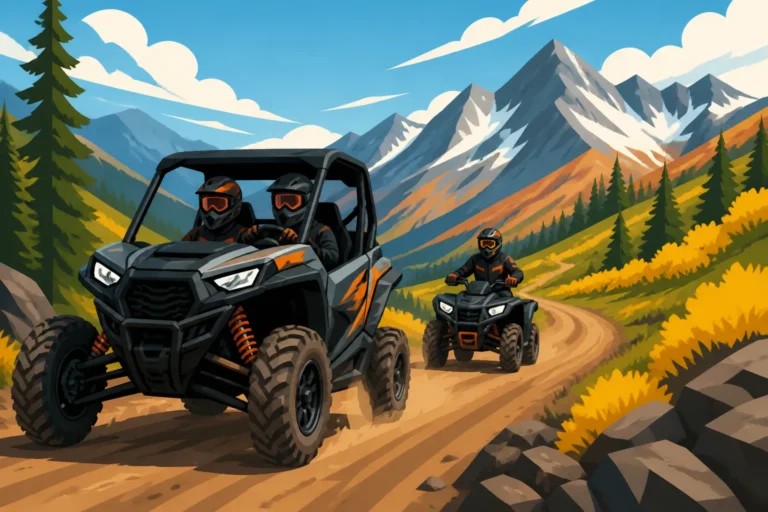
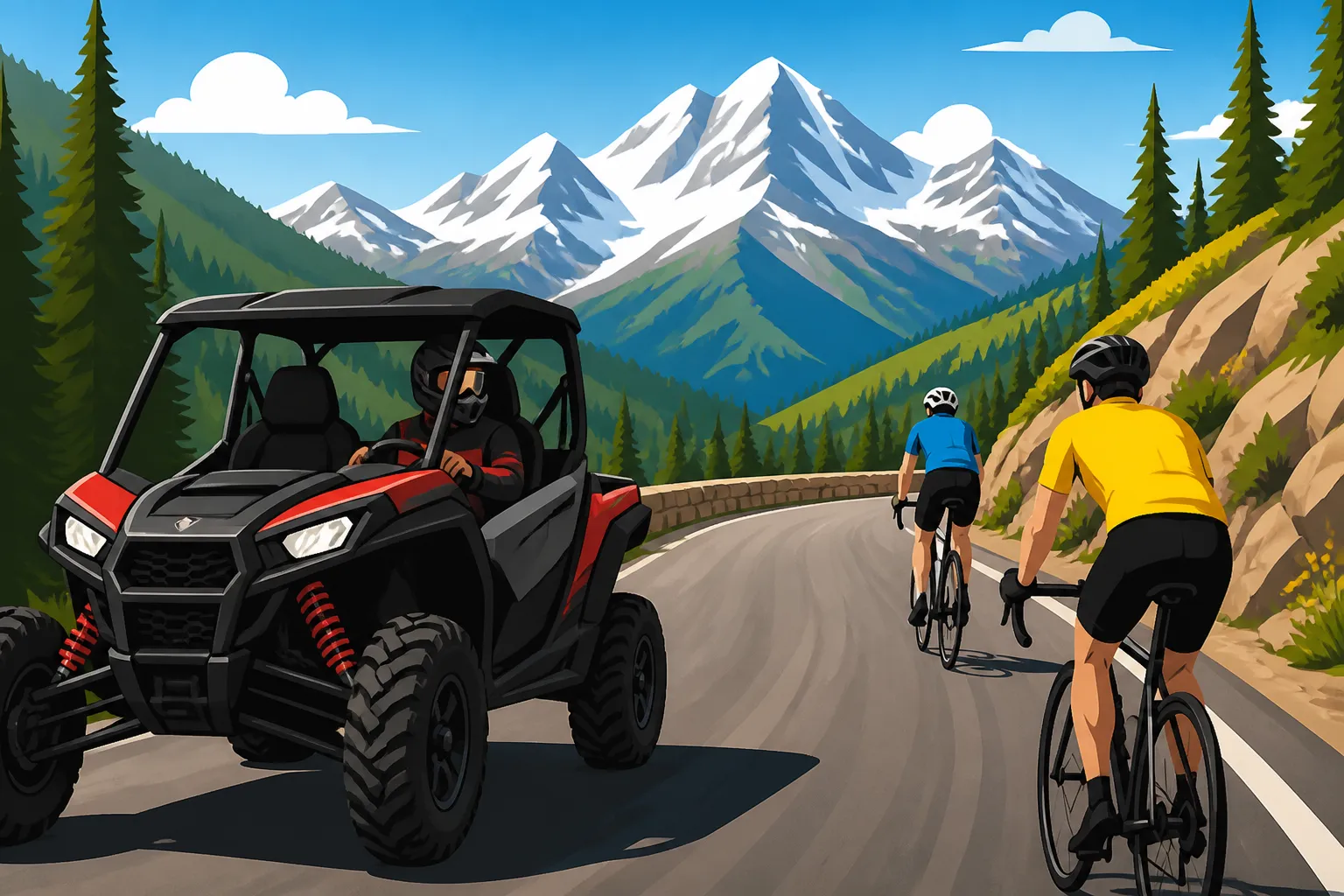
There’s nothing quite like the thrill of exploring Colorado’s backcountry roads on your ATV or UTV, but sometimes that incredible experience comes with a side of unexpected encounters. Picture this: you’re cresting a blind rise on a dusty, narrow mountain road, engine purring, and suddenly, there they are – a group of spandex-clad cyclists pedaling uphill, seemingly out of nowhere. This guide is all about navigating those shared spaces safely, respectfully, and without any unnecessary drama, ensuring everyone can enjoy Colorado's beautiful trails.
Understanding the Shared Road Environment in Colorado
Colorado’s vast network of mountain roads and trails is a beautiful mosaic of different landscapes, and just as diverse are the people who enjoy them. It’s easy to get caught up in the pure joy of riding your off-highway vehicle (OHV), but we’ve got to remember that these aren't just our roads. Many of these routes are multi-use, meaning you’ll encounter hikers, horseback riders, and, yes, plenty of cyclists. It’s a fact of life in our incredible state, and understanding the environment is the first step to a harmonious ride.
Who Has the Right-of-Way on Mountain Roads?
This is where things can get a little murky, and honestly, relying solely on a strict "right-of-way" rule might not always be the safest or most courteous approach. On many designated OHV routes and even some county roads in Colorado, the concept of yielding to uphill traffic is common practice, especially for larger, faster vehicles. However, when you introduce the dynamic of a quiet, human-powered bicycle versus a motorized ATV or UTV, things shift.
From a legal standpoint, many mountain roads you might be on are considered "county roads open to OHVs" or Forest Service roads, and the general rules of the road apply. But practically speaking, the vulnerability of a cyclist often dictates that the motorized vehicle should take extra precautions. Think of it this way: a cyclist simply cannot stop or maneuver as quickly or powerfully as your side-by-side can, especially on a steep incline or descent. Always assume the burden of caution falls more heavily on the OHV operator. We talk more about this in [Colorado County Roads Open to OHVs] and [Uphill Right-of-Way on a Colorado Pass].
The Unique Challenges of Blind Corners and Narrow Passes
Colorado’s mountain roads are renowned for their breathtaking views, but those sharp turns, steep grades, and sheer drop-offs also present significant hazards. These aren’t highway interstates; they’re often single-lane tracks carved into the mountainside. On a blind corner, you simply don’t know what’s coming around the bend. It could be another OHV, a full-size Jeep, a horse, or, indeed, a cyclist. The limited visibility means that sudden encounters are almost guaranteed if you’re not actively anticipating them.
The difference in speed and maneuverability between an ATV/UTV and a bicycle exacerbates these challenges. You might be cruising at a comfortable pace, while a cyclist could be grinding slowly uphill or hurtling down a steep grade with surprising speed. Your engine noise, while a familiar comfort to you, can be startling or even frightening to a cyclist who might not hear you until you’re right on top of them. Conversely, a cyclist can be almost silent, making them incredibly difficult to detect until the last second. These are the moments where vigilance and courtesy truly shine. Understanding these dynamics is crucial for safe passage, especially on routes with tight turns and limited passing zones. It's truly a test of your trail etiquette and quick thinking, as we often discuss when talking about [Blind Corners on a Colorado Mountain Road].
Best Practices for ATV/UTV Riders Around Cyclists
When you're out on the trails, every interaction with another user is an opportunity to be an ambassador for the OHV community. There's nothing more frustrating than having a great ride spoiled by a negative encounter, especially when a few simple practices can make all the difference. Think of it less as a chore and more as enhancing everyone's outdoor experience – including your own.
Slow Down, Scan, and Be Prepared to Stop
This might sound like basic common sense, but it’s the absolute cornerstone of safe shared-road riding. Your speed is your biggest variable when it comes to safety. The moment you enter a section of trail or road where you know or suspect other users might be present – particularly on blind turns, crests, or narrow sections – slow down significantly. This isn't just about reducing your stopping distance; it's about reducing the severity of any potential impact and giving both you and the other party more time to react.
Actively scan the environment, not just directly in front of your machine. Look ahead, check side trails, and listen for subtle sounds. Cyclists are often focused on their own rhythm and the path directly in front of their wheels, so they might not be looking for you. Be prepared to stop completely. Sometimes, the safest maneuver is simply to stop your machine, pull over as far as safely possible, and let the cyclists pass. This small gesture goes a long way in showing respect and preventing any close calls. You'd be surprised how much better everyone's day is when you take a moment to be thoughtful. We have more tips on this in [Speed Limits for OHVs on Colorado County Roads].
Communicating and Signaling Your Presence
Silence can be deadly on a shared mountain road. While your engine provides some audible warning, it's not always enough, especially for cyclists wearing headphones or deeply focused on a climb. A quick, polite "hello!" or "on your left!" as you approach from behind can be invaluable. If you have a horn on your machine, a brief, friendly tap (not a blaring, aggressive blast) can alert others to your presence without startling them too much. Think of it as a courtesy tap, not an impatient honk.
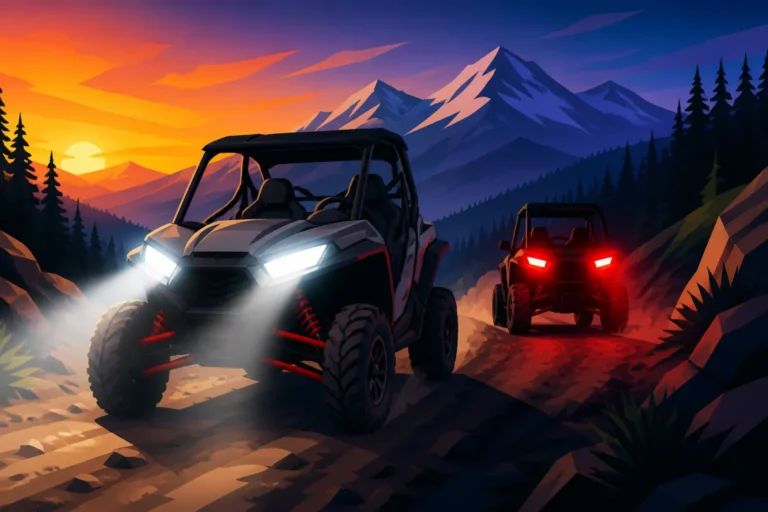
Consider using hand signals to indicate your intentions, especially if you're approaching a group. A simple wave or a pointing gesture can clarify whether you're planning to pass, stop, or simply acknowledge them. And let's be realistic, dust is a major factor on these roads. If you're kicking up a plume, it can significantly obscure vision for anyone behind you or approaching. Try to reduce your speed further to minimize dust when passing or encountering others. Having good mirrors on your side-by-side, maybe an upgraded set from SuperATV, can give you a better view of who's behind you and help you time your passes more safely. Similarly, a bright set of auxiliary lights or a light bar from SuperATV can make you more visible to oncoming traffic, even in broad daylight, in shaded canyons or during dusk.
Passing Safely and Courteously
When it comes time to pass a cyclist, your primary goal should be to do so with ample space and minimal disruption. This means giving a wide berth – as much as a car would on a paved road, if not more, given the uneven terrain and potential for gravel. Sometimes, this means waiting for a wider section of the road or a pull-off where you can safely move around them. Don’t ever feel pressured to squeeze by in a dangerous spot. A minute or two of waiting is always better than a mishap.
Once you’re in a position to pass, maintain a slow speed. This isn't just for safety; it's also about courtesy. Passing at speed can kick up significant dust and gravel, which is not only unpleasant for the cyclist but can also be dangerous if debris hits them. Think about how you’d feel if a large truck sped past you and showered you with rocks. Minimizing your impact on their experience is key. Products like wider fender flares, which SuperATV offers for many models, can help contain thrown debris from your tires, making you a much better neighbor on the trail. A nod, a wave, or a friendly "thanks!" as you pass can make a huge positive impression. It goes a long way towards fostering good relationships between different user groups. We cover the related issue of [Dust Control on a Gravel County Road] in another post.
Cyclist Perspectives and Why They Matter to OHV Riders
It's easy to stay in our own bubble when we're out riding, focused on the trail ahead and the rumble of our machines. But to truly share the trails effectively and preserve access for everyone, it’s vital to consider the experience from another point of view. Cyclists and OHV riders might seem like two different worlds, but we often share the same love for the mountains and the same desire for an enjoyable, safe outdoor experience.
Noise, Dust, and Perceived Aggression
Imagine you’ve been pedaling uphill for an hour, pushing your limits, with nothing but the sound of your own breathing and the crunch of gravel under your tires. Suddenly, a motorized vehicle comes roaring up behind you, spewing dust, and the roar of the engine shatters the quiet. For a cyclist, this can be jarring, even frightening. The noise alone can be unsettling, and a cloud of dust in the face is not only unpleasant but can obscure vision and get into their eyes, potentially causing a dangerous situation.
Sometimes, without malicious intent, our actions can be perceived as aggressive. Speeding past, kicking up dust, or approaching too closely can make a cyclist feel vulnerable, disrespected, and like their enjoyment of the trail is being trampled. This isn't about blaming anyone; it's about acknowledging the different impacts we have on the shared environment. Every time an OHV rider is inconsiderate, it can unfortunately paint a negative picture of all OHV users in the eyes of other trail users. We talk about how to be a good ambassador for the OHV community in [Muffler Noise Limits in Colorado].
Trail Advocacy and Shared Responsibilities
Many of Colorado’s incredible mountain roads and trails are multi-use routes that have been painstakingly maintained, often by volunteer groups and through funding that comes from various sources, including OHV registration fees. It’s a collective effort, and when different user groups have negative interactions, it can lead to friction, complaints, and even calls for restricted access – which none of us want.
By being mindful and respectful, OHV riders become advocates for continued trail access. When cyclists, hikers, and horseback riders have positive experiences with us, they are more likely to support shared access and view OHV users as responsible partners in recreation. Conversely, a few bad apples can make it harder for everyone to enjoy these beautiful places. We all have a shared responsibility to protect these resources and maintain a good relationship with other trail users. It's truly about embracing the spirit of [Stay The Trail Ethics in Colorado] and being a good neighbor out there, whether you're on two wheels or four. You can find more information on general OHV road rules in [Riding an OHV on the Road in Colorado].
Equipment and Mindset for Safe Sharing
Beyond the rules and etiquette, your equipment choices and, perhaps most importantly, your personal mindset play massive roles in ensuring safe and enjoyable shared-road experiences. It’s about being prepared for anything and approaching every encounter with a spirit of cooperation.
Essential Gear for Enhanced Visibility
Being seen is just as important as seeing others. Many OHVs come equipped with basic lighting, but for mountain roads, especially those with shaded canyons or varying light conditions, enhancing your visibility can be a game-changer. Consider adding brighter headlights or auxiliary lights. Even during the day, these can help cyclists spot you sooner. A whip flag, especially in open riding areas or where hills obscure views, can also make your machine more visible from a distance.
Beyond your machine, think about your own gear. Brightly colored jackets, helmets, or other riding apparel can make you stand out. While Colorado doesn't have a statewide helmet law for adults on OHV trails, wearing one is always a smart move for your safety, and a brightly colored one just adds to your visibility. Remember, the goal is to reduce surprises for everyone on the trail. Check out [What Colorado Requires on an OHV Road Ride] for more details on necessary equipment.
The Importance of a Patient and Respectful Mindset
Ultimately, the most crucial piece of "gear" you can bring on any shared-road adventure is a patient and respectful mindset. Colorado’s mountains are for everyone to enjoy, and sometimes that means sharing the road with people moving at a different pace or with different equipment. It’s easy to get frustrated if you feel held up, but rushing or reacting negatively only increases the risk of an incident and sours the experience for everyone.
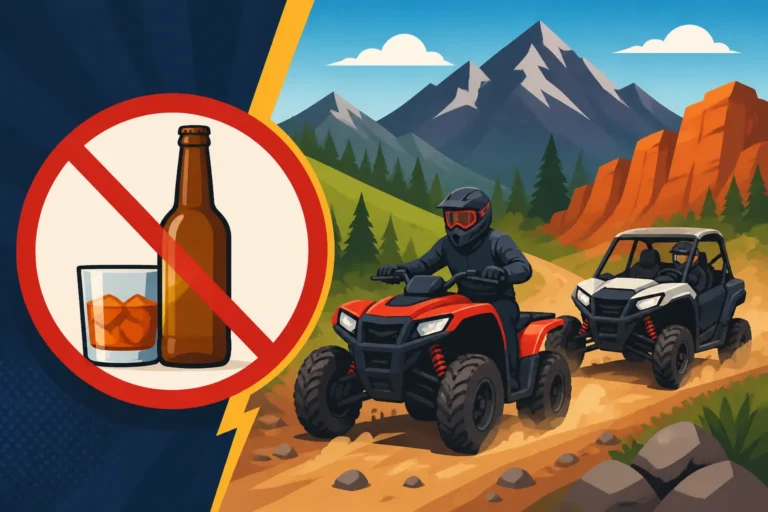
Plan your trips with potential delays in mind. If you’re in a hurry, maybe a busy multi-use road isn’t the best choice for that particular ride. Approach every encounter with other users as an opportunity to demonstrate responsible OHV use. A friendly wave, a patient stop, and a wide, slow pass speak volumes. We're all out there to enjoy the stunning scenery and fresh air. A little bit of grace and understanding goes a long way in ensuring that every trip is safe, enjoyable, and harmonious for all who share Colorado’s incredible outdoor spaces. And always remember the importance of knowing [Colorado Alcohol Limits for OHV Operators] to ensure your judgment is sound on the trails.
Here's a quick comparison of key considerations when sharing mountain roads:
| Feature | OHV Rider's Perspective | Cyclist's Perspective | Best Practice for OHVs |
|---|---|---|---|
| Speed | Capable of higher speeds, quicker climbs | Slower, human-powered, varying speeds | Slow down significantly around others. |
| Visibility | Good, but often limited on blind turns | Often focused on immediate path, vulnerable | Actively scan, use lights/flags. |
| Sound | Engine noise is normal | Engine noise can be startling/loud | Use brief, friendly horn taps; announce presence verbally. |
| Dust/Debris | May kick up significant dust/gravel | Unpleasant, reduces visibility, potential hazard | Minimize dust when passing, use fender flares. |
| Maneuverability | Powerful, quick acceleration/braking | Slower to accelerate/brake, less stable | Give wide berth, be prepared to stop and yield space. |
| Perception | Enthusiast enjoying the outdoors | Can perceive OHVs as aggressive/loud | Be courteous, wave, act as an ambassador for OHV community. |
When navigating the intricate network of shared routes, remember that whether you're on a trail leading to a remote campsite or a [Forest Service Permits Colorado Riders Need] area, these common-sense rules apply. Keep an eye out for larger vehicles too; sometimes you'll be sharing with them, and it's helpful to remember advice like [Sharing a Mountain Road With Log Trucks].
Disclaimer
This article is for general informational purposes only and does not constitute professional advice. Laws, prices and regulations vary by location and change over time. Consult a qualified professional for guidance on your specific situation.