Riding a Gravel Road After a Rainstorm
There’s nothing quite like heading out for a fantastic day of Colorado riding, only to find that the skies have opened up the night before or even just hours ago. That pristine gravel road you were looking forward to navigating suddenly looks like a muddy river, full of potential pitfalls and challenges. It’s a common frustration for us riders, but this guide is here to help you understand the unique difficulties of riding a gravel road after a rainstorm in the Rockies and equip you with the knowledge to tackle those slick, mucky conditions safely and confidently.
The Unique Challenges of Wet Gravel Roads in Colorado
Riding a gravel road is one thing; riding a wet, gravel road after a good Colorado downpour is an entirely different beast. What was once a relatively predictable surface can quickly become a minefield of hidden hazards. It’s not just about getting a little dirty – though you definitely will! – it’s about understanding how the rain fundamentally changes the terrain and the demands it places on both your machine and your skills.
Understanding Mud and Ruts
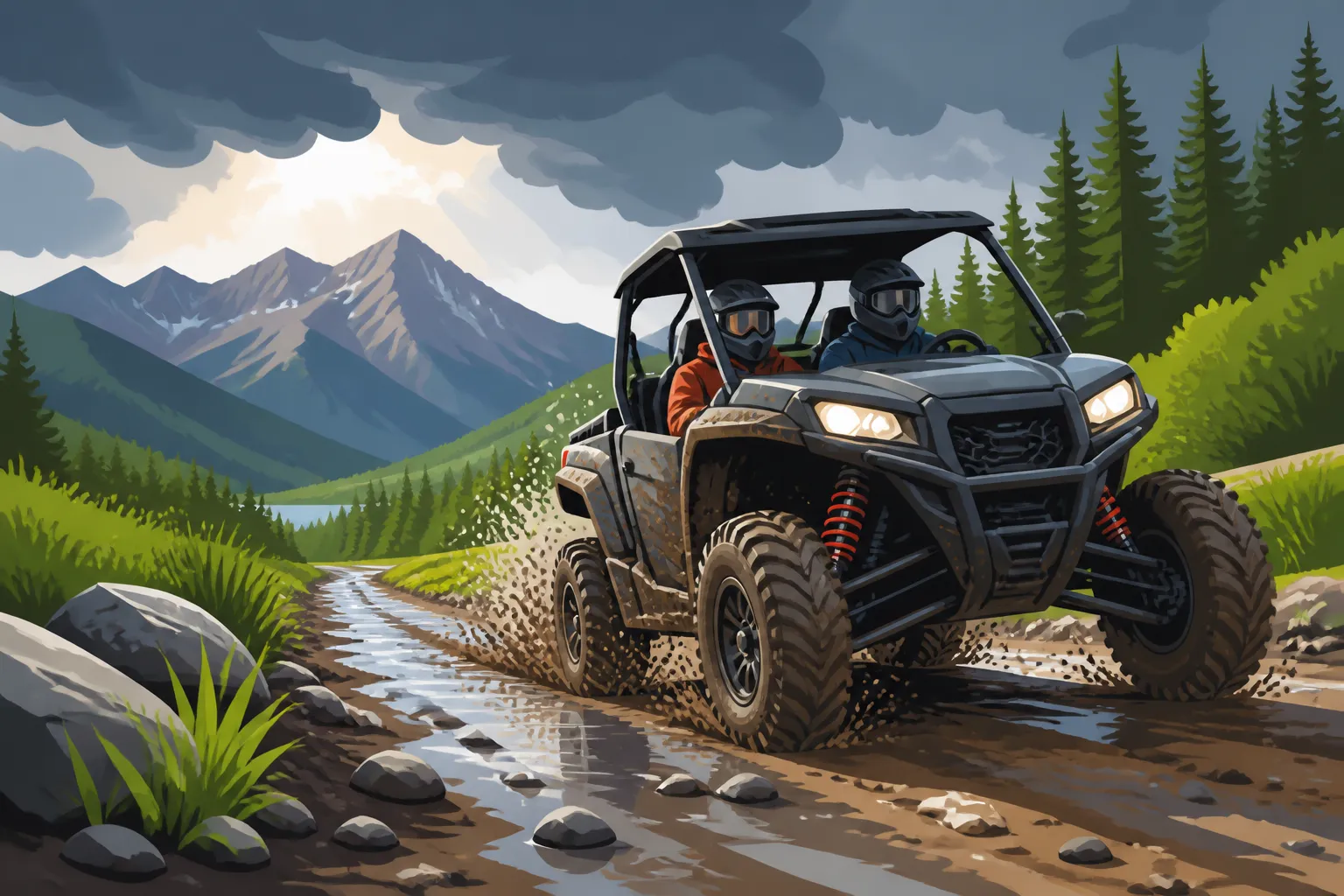
When rain hits loose gravel and dirt, it doesn't just make it wet; it transforms it into a thick, soupy concoction we affectionately call mud. This mud can vary wildly in consistency, from a relatively shallow, slick layer to deep, tire-sucking goo that feels like quicksand. The problem is, you often can't tell how deep it is until you're right in it. This unpredictability is one of the biggest challenges.
Beyond just the mud itself, the interaction of water, gravel, and passing vehicles or machines quickly carves out ruts. These aren't just minor indentations; deep ruts can become channels, often hidden under opaque puddles, that can grab your tires and steer your machine in directions you didn't intend. For ATVs, a rut can throw you off balance and even lead to a rollover if a wheel catches incorrectly. For UTVs, a deep rut can high-center your machine, leaving you stuck, or violently jerk the steering wheel, potentially injuring your hands or losing control. Colorado's varied terrain, from high-alpine passes with rocky, decomposed granite to lower elevations with silty soil, means the mud and ruts you encounter can be incredibly diverse and equally challenging. Being able to read the terrain and anticipate where ruts might form, especially on corners or climbs, is a skill honed over many muddy miles.
Reduced Traction and Braking Performance
Imagine trying to walk on ice, and you're getting close to the feeling of your tires trying to find purchase on wet gravel and mud. The water acts as a lubricant, dramatically reducing the friction your tires need to grip the surface. This means everything changes: acceleration, steering, and especially braking.
On a dry gravel road, you can often brake fairly aggressively, letting your tires dig in. But on a wet one, hitting the brakes hard is an express ticket to a skid. Your wheels will lock up, and you'll lose directional control, often sliding sideways or even heading straight for whatever obstacle you were trying to avoid. Your stopping distances will increase significantly, sometimes by double or even triple, depending on the mud's depth and consistency. This demands a much smoother, more controlled approach to every input. You'll need to feather the throttle to prevent wheel spin when accelerating and apply brakes with extreme gentleness, using both front and rear brakes (on an ATV) in conjunction to maximize the limited traction available. For UTVs, progressive braking is key, gently squeezing the pedal and letting the machine slow itself rather than stomping on it. You can also utilize [Engine Braking on a Steep Pass] to help control your speed without relying solely on friction brakes.
Visibility Issues and Debris
Riding in the rain itself is a visibility challenge, but riding on a muddy gravel road after a rainstorm adds another layer of complexity: mud spray. Your tires, and those of anyone riding ahead of you, become efficient mud-flinging machines. If you're riding in a group, this can mean a constant shower of brown goo coating your goggles, windshield, or even your helmet visor, severely impairing your ability to see the trail ahead. This is where wearing appropriate [Eye Protection Rules for Young Colorado Riders] and for adults, [Helmets for Adults on Mountain Trails], becomes absolutely paramount.
Beyond the spray, rainstorms often bring down debris. What was a clear section of road yesterday might now have fresh rocks, small washouts, fallen branches, or even entire sections of the road eroded away. Water can also swell culverts or small stream crossings, turning what was a trickle into a rushing torrent that could be deep enough to stall your machine or sweep it downstream. You also need to be vigilant for washed-out shoulders, which can collapse under the weight of an OHV. A simple puddle might hide a significant drop-off or a deeply embedded rock. Always approach standing water with caution, and if you can't see the bottom, it's often best to find another route or proceed extremely slowly, sending a spotter ahead if possible.
Essential Riding Techniques for Muddy Gravel
Conquering a muddy Colorado gravel road isn't about brute force; it's about finesse, anticipation, and employing the right techniques. It's a dance between momentum and control, and mastering it makes you a much more capable and safer rider.
Master Your Speed and Throttle Control
The first and most critical rule for riding muddy gravel is to reduce your speed. Period. Everything else flows from this. A slower speed gives you more time to react to unexpected hazards, allows your tires more opportunity to find traction, and makes it easier to recover from a minor slide. Trying to maintain a fast pace will only lead to loss of control, potential trail damage, and a very bad day.
When it comes to the throttle, think "smooth and steady." Avoid abrupt jabs or sudden changes in power. On an ATV, you want just enough throttle to maintain momentum and keep your wheels turning, but not so much that they spin out wildly, digging you deeper into the mud. For UTVs, a consistent, gentle throttle input will help your tires bite without losing grip. If you do start to spin, ease off the throttle slightly rather than cutting it completely, and try to find traction again. Often, a lower gear is your best friend in these conditions. It provides more torque to keep the wheels turning consistently and offers better engine braking, giving you more control over your descent and less reliance on your friction brakes. Remember, it's about controlled forward motion, not speed.
Strategic Steering and Body English
Navigating ruts is a tricky business. Generally, if ruts are shallow, you might be able to straddle them or keep your wheels on the higher ground between them. If they are deep, you might need to commit to riding in one of the ruts. The key is to pick your line carefully and stick to it. Swerving erratically in deep mud can lead to disaster. For ATVs, "body English" – shifting your weight on the machine – is crucial. Lean into turns, counter-steer gently, and use your weight to help the machine find balance and traction. If one wheel starts to slip, a subtle shift of weight can often bring it back into line.
For UTVs, while you can't use body English in the same way, smooth and deliberate steering inputs are vital. Avoid jerking the wheel. Let the machine track through the mud, making small corrections as needed. If you find yourself in a deep rut, sometimes a slight turn into the side of the rut can help climb out, but this requires practice and a feel for your machine. Remember, the goal is to keep your momentum going in a controlled manner. It's often better to go slow and steady through a challenging section than to try to power through and risk getting stuck or losing control.
Braking Safely and Anticipating Conditions
As mentioned, braking on wet gravel and mud is a delicate art. The general rule is to start braking much earlier than you would on dry ground. This gives you more distance to slow down gently. For ATVs, always use both front and rear brakes, applying them progressively and smoothly. Avoid grabbing a handful of one brake, as this will almost certainly lock up a wheel and send you skidding. For UTVs, a gentle, progressive application of the foot brake is best. Avoid sudden, hard braking unless it's an absolute emergency.
Anticipation is your superpower in these conditions. Look far ahead – not just at the immediate puddle, but 20-30 feet down the road. Scan for changes in surface texture, potential washouts, deeper ruts, or debris. If you see a particularly nasty section of mud or a deep puddle, slow down even more before you enter it. Coast into it if possible, using minimal throttle to maintain forward movement. If you're approaching a downhill section, use your machine's engine braking system to help manage your speed. This reduces reliance on your friction brakes, preventing them from overheating or locking up prematurely. Thinking several steps ahead about how the terrain will change and how you'll respond is what separates a prepared rider from one who's constantly reacting in a panic. [Colorado Trail Conditions Reports] can also give you a heads-up on what to expect, especially after recent heavy rains or [Afternoon Thunderstorms on a Pass].
Preparing Your Machine and Yourself
Riding wet gravel roads isn't just about technique; it's also about preparation. Having the right gear, both for your machine and for yourself, can make a significant difference in safety, enjoyment, and your ability to tackle challenging conditions.
Equipment and Machine Upgrades for Muddy Conditions
The right tires are your first line of defense against mud. While all-terrain tires are versatile, if you know you'll be hitting a lot of mud, consider tires with more aggressive, open tread patterns designed to shed mud and find traction. Proper tire pressure is also critical; slightly lowering your pressure can increase your tire's contact patch, providing more grip, but don't go too low or you risk bead separation or rim damage.
Beyond tires, consider investing in recovery gear. A winch is invaluable for getting yourself (or a buddy) unstuck. High-quality recovery straps and shackles are also essential. If you frequently ride in deep mud, accessories like snorkel kits can protect your engine from water ingestion, and a good set of fender flares can help reduce the amount of mud flung onto you and your passengers. For serious mudding, some riders opt for heavy-duty upgrades like portal gear lifts which not only provide significant ground clearance but also gear reduction at the wheels, making it easier to crawl through deep mud. Brands like SuperATV offer a wide range of these types of accessories, from lift kits to specialized axles, designed to enhance your machine's capability in extreme terrain. Having a good, solid skid plate is also a wise investment, as rocks and hidden debris can easily damage your undercarriage when traversing muddy, uneven terrain. Remember, getting stuck happens, but having the tools to get unstuck is what makes the difference between a minor inconvenience and a serious problem, especially if you're out on a long ride through [Colorado Trails That Link Two Mountain Towns]. Knowing how to perform a proper [Winching on a Narrow Shelf Trail] is also a crucial skill.
Personal Gear and Visibility
Your personal gear needs to be up to the task of keeping you warm, dry, and visible. Waterproof and breathable outerwear is a must. Getting soaked early in a ride can lead to hypothermia, especially at Colorado's higher elevations. Good gloves are also essential for grip and warmth. For visibility, a good set of goggles or a helmet with a clear, fog-resistant visor is non-negotiable. Some riders even use goggle roll-offs or tear-offs for rapid mud-clearing. Consider a hydration pack to stay hydrated, as physical exertion in these conditions can be high.
If you're riding in a group, consider two-way radios for communication. Mud and engine noise can make shouting ineffective. Lastly, never underestimate the power of layers. Colorado weather can change in an instant, and being able to adjust your clothing will keep you comfortable. You might start in cool, wet conditions, but if the sun breaks out, you’ll want to shed a layer to avoid [Overheating on a Colorado Climb]. Always be prepared for anything when you're out on the trails.
Post-Ride Maintenance
The ride isn't truly over until your machine is properly cleaned and inspected. Mud, especially gritty Colorado dirt, is corrosive and abrasive. Leaving it on your machine can lead to premature wear on brakes, bearings, chains, and suspension components. A thorough wash immediately after a muddy ride is crucial. Pay special attention to the undercarriage, suspension joints, and brake calipers.
After washing, take the time to inspect your machine. Check for any new damage – bent tie rods, torn CV boots, or loose connections. Grease all zerks, lubricate your chain (if applicable), and check fluid levels. Pay close attention to your air filter, as mud and dust can quickly clog it, impacting engine performance. A few minutes of post-ride maintenance can save you hours of repairs and hundreds of dollars down the line. It's not just about keeping your machine looking good; it's about extending its life and ensuring it's ready for your next adventure.
Respecting the Trail and Other Riders
Riding in muddy conditions isn't just about your safety and your machine; it's also about how your actions impact the environment and other trail users. As responsible riders, we have a duty to minimize our footprint and ensure the trails remain enjoyable for everyone.
Minimizing Environmental Impact
Muddy conditions are ripe for trail damage. When tires spin excessively, they deepen ruts, contribute to erosion, and widen trails, especially in soft, wet areas. This is where the "Stay The Trail" ethic really comes into play. Resist the urge to go around muddy sections, as this widens the trail and damages surrounding vegetation. Instead, try to pick the least impactful line through the mud. If a section is truly impassable without causing significant damage or getting hopelessly stuck, it’s sometimes better to turn back or find an alternative route.
Riding responsibly in these conditions means a lighter touch on the throttle, avoiding unnecessary wheel spin, and being mindful of where your tires are going. We are stewards of these incredible Colorado landscapes, and preserving them for future generations of riders is part of the privilege of exploring them. [Stay The Trail Ethics in Colorado] are not just suggestions; they are vital guidelines for responsible recreation.
Group Riding and Courtesy
When riding in a group on muddy gravel roads, courtesy becomes even more important. The mud spray from a lead machine can be blinding and unpleasant for riders following close behind. Increase your following distance significantly – much more than you would on a dry trail. This allows the mud to settle and gives the trailing riders better visibility.
If you're the lead rider and notice a lot of spray, consider your speed and whether you can reduce it slightly. If you're passing other trail users, such as hikers or mountain bikers, slow to a crawl to avoid covering them in mud. A friendly wave and a cautious pace go a long way in fostering good relationships between different user groups. Also, be mindful of homes or cabins near county roads. Kicking up excessive mud and dust (especially as the road dries out) can be a nuisance. Just as with [Dust and Neighbors on a County Road], common courtesy dictates we ride respectfully. Communication within your group is also key. If someone gets stuck, everyone needs to work together safely to get them free. If a [Colorado Ranger Checks at a Trailhead] for permits or safety equipment, being prepared and courteous reflects well on the entire OHV community.
Remember, a little mud doesn't have to ruin your ride. With the right preparation, techniques, and respect for the environment and others, riding a gravel road after a rainstorm can be a challenging yet rewarding part of your Colorado off-highway experience.
Here’s a quick comparison of wet versus dry gravel road riding:
| Feature | Dry Gravel Road | Wet Gravel Road After Rainstorm |
|---|---|---|
| Traction | Good; tires bite into loose aggregate. | Poor; water and mud act as lubricant, causing slippage. |
| Braking | Fairly responsive; good stopping power. | Significantly reduced; increased stopping distances, high skid risk. |
| Speed | Moderate to fast, depending on road conditions. | Slow, controlled pace is essential for safety. |
| Ruts | Typically minor, or well-defined and predictable. | Often deep, hidden under water, can grab tires. |
| Visibility | Good, occasional dust. | Reduced by mud spray, fogged goggles/windshields. |
| Debris | Less common, generally stable. | Higher chance of new rocks, washouts, fallen branches. |
| Technique | More aggressive inputs possible. | Smooth, gentle throttle and brake inputs, careful steering. |
| Recovery Gear | Less critical for general riding. | Essential (winch, straps) due to higher risk of getting stuck. |
| Environmental Impact | Generally lower if riding responsibly. | Higher risk of trail erosion and widening if not careful. |
Disclaimer
This article is for general informational purposes only and does not constitute professional advice. Laws, prices and regulations vary by location and change over time. Consult a qualified professional for guidance on your specific situation.