Cold Weather Gear for a High Pass
You know that feeling. You wake up to a crisp, clear Colorado morning, sun shining, and you think, "Today's going to be perfect for hitting Engineer Pass!" You pack your snacks, check your fuel, and head out, maybe in a T-shirt because the sun feels so good. But anyone who’s spent time riding Colorado’s high country knows how quickly that perfect morning can turn into a teeth-chattering, finger-numbing experience when you reach 12,000 feet. This guide is all about equipping you with the right cold weather gear so you can enjoy those breathtaking views without freezing your tail off, even when the mountain weather pulls a fast one.
Why Colorado Mountain Weather is So Unpredictable
Riding Colorado's high passes is an experience like no other – the views are epic, the air is clean, and the trails are incredible. But those same high altitudes that offer such grandeur also create a climate that is notoriously fickle. What starts as a balmy morning in Lake City or Ouray can become an entirely different beast when you climb above treeline. It's not just a little cooler; it can be downright freezing, even in the middle of summer. You might be basking in sunshine one minute and huddling against a sudden squall the next. This rapid change is something every Colorado rider learns to respect, often the hard way.
The Sudden Drop in Temperature
Altitude is a game-changer when it comes to temperature. For every 1,000 feet you climb, the air temperature generally drops by about 3.5 to 5.5 degrees Fahrenheit. So, if it's a pleasant 70 degrees at your base camp in Buena Vista at 8,000 feet, you can expect it to be a chilly 50 degrees or less when you crest a pass like Cottonwood or Tincup at 12,000 feet. That's a 20-degree swing just from elevation gain, and that's before you factor in other weather elements. This rapid cooling can shock your system if you're not dressed for it, making it tough to focus on the trail or even enjoy the scenery. [Altitude and Carburetor Tuning] is something we often think about for our machines, but our bodies need similar consideration.
Even a brief stop for a photo op or to help a fellow rider can lead to your core temperature dropping significantly. The sun might be out, but the air itself holds less heat. Imagine pulling over on the side of a shelf road, enjoying the quiet beauty, and then realizing your hands are starting to ache with cold because you only have thin gloves. It's a common scenario that can quickly turn uncomfortable, and even dangerous if you're far from warmth.
Wind Chill and Exposure
The biting wind is perhaps the most deceptive element of high-altitude riding. You might look at your weather app and see a comfortable temperature, but that number doesn't tell the whole story. As you move, or even when you're stationary in an exposed area, the wind strips away your body heat at an accelerated rate. This is the dreaded wind chill factor, and it can make a 40-degree day feel like 20 degrees or colder, especially when you're cruising along on your ATV or UTV. If your machine doesn't have a windshield or full enclosure, you're getting the full brunt of that wind all day long.
Exposure to these elements without proper protection can lead to more than just discomfort. It can sap your energy, reduce your dexterity, and even impair your judgment, which is the last thing you want when navigating technical terrain. Think about those long descents where the wind seems to funnel right at you, or traversing an open ridge where there’s no shelter at all. It’s in these moments that good gear makes all the difference, allowing you to stay focused and enjoy the adventure rather than just enduring it.
Unexpected Snow and Rain Showers
Another hallmark of Colorado mountain weather is its sheer unpredictability, especially when it comes to precipitation. You can start your day under a clear blue sky, but by early afternoon, [Afternoon Thunderstorms on a Pass] can roll in with startling speed. These storms often bring not just rain, but hail, and even snow, even in July or August. I've personally been caught in a summer snow flurry on the Alpine Loop that turned the trail white in minutes. Without rain gear and insulating layers, you're not just wet; you're dangerously cold.
Even if you're not hit by a full-blown storm, a brief drizzle or a few minutes of hail can soak through inadequate clothing. Once your clothes are wet, they lose their insulating properties, and that rapid temperature drop we talked about becomes even more pronounced. This is why having gear that can handle both wetness and cold is non-negotiable for anyone venturing into the Colorado high country. You simply can't trust the forecast entirely up there; you have to be prepared for anything. [Snow Drifts on an Early Season Pass] aren't just a late spring problem; they can appear unexpectedly any time of year above treeline.
Essential Layers for High-Altitude Riding
The secret to staying warm and comfortable in Colorado's unpredictable mountain environment isn't about one super-thick jacket. It's all about layering. This strategy allows you to adapt to changing conditions by adding or removing clothing as needed, maintaining a consistent core body temperature. Each layer serves a specific purpose, working together to wick moisture, insulate, and protect you from the elements.
The Base Layer: Wicking Away Moisture
Your base layer is the first line of defense, sitting directly against your skin. Its primary job is to wick sweat away from your body. Even when it's cold, physical exertion from riding, climbing on and off your machine, or even just dealing with tough trails can make you sweat. If that sweat stays on your skin, it cools rapidly and chills you, making you feel much colder than the air temperature suggests. This is why cotton is a big no-no for base layers; it absorbs moisture and holds it, essentially turning into a cold, wet rag against your skin.
Instead, opt for synthetic materials like polyester or polypropylene, or natural fibers like merino wool. Merino wool is a fantastic choice because it's soft, incredibly warm for its weight, and retains much of its insulating properties even when damp, plus it's naturally odor-resistant. Synthetics are often more budget-friendly and dry quickly. A good base layer shirt and pants will make a world of difference in your comfort, ensuring that moisture moves away from your body so your other layers can do their job effectively.
The Mid-Layer: Insulation is Key
The mid-layer is your primary source of warmth. This layer is designed to trap air, creating an insulating barrier against the cold. The thickness of your mid-layer will depend on how cold you expect it to be, but it’s always better to have options. Fleece jackets and vests are popular choices for mid-layers because they are lightweight, breathable, and provide excellent warmth. Depending on the conditions, you might wear one medium-weight fleece, or a vest over a lighter fleece for more flexibility.
Another excellent option for insulation is a puffy jacket or vest filled with down or synthetic insulation. These provide a lot of warmth for their compressed size, making them easy to pack. They're perfect for throwing on during a break, or for that extra boost of warmth when the sun dips behind the clouds. When we talk about [Riding in Colorado Above 12,000 Feet], having a robust mid-layer is critical. It’s what stands between you and the biting cold, allowing you to relax a bit when you stop for lunch or to admire a vista.
The Outer Layer: Wind and Water Protection
Your outer layer, also known as your shell, is your shield against the external environment. Its main functions are to block wind and repel water. Without a good outer layer, even the best base and mid-layers won't keep you warm when the wind is howling or the rain starts to fall. Look for jackets and pants that are both windproof and waterproof or at least highly water-resistant. Materials like Gore-Tex or similar proprietary waterproof-breathable fabrics are ideal, as they allow sweat vapor to escape while keeping rain and wind out.
The fit of your outer layer is also important. It should be roomy enough to accommodate your base and mid-layers comfortably without restricting movement, but not so baggy that it flaps in the wind. Many dedicated riding jackets and pants have features like reinforced elbows and knees, adjustable cuffs, and ventilation zippers, which can be invaluable. A quality outer layer not only keeps you dry and warm but also protects you from abrasions in case of a tumble. Companies like SuperATV offer cab enclosures and full windshields for UTVs, which can act as a crucial 'outer layer' for your machine, significantly reducing wind chill for you and your passengers.
Protecting Your Extremities and Head
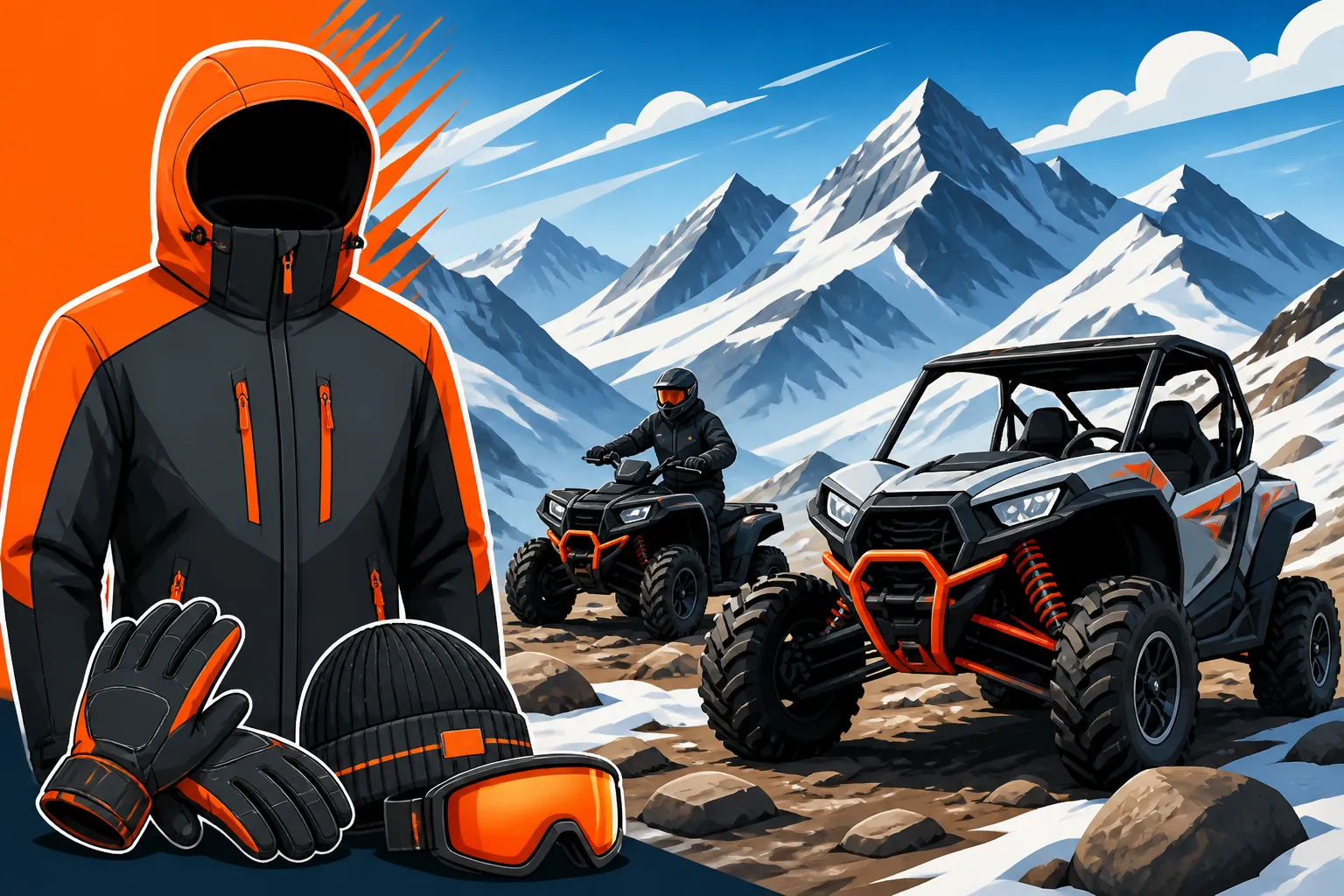
While layering your torso is crucial, your hands, feet, and head are often the first parts of your body to feel the cold. They are also vital for safe riding – cold hands can’t operate controls effectively, and a freezing head leads to overall discomfort and can contribute to hypothermia. Paying special attention to these areas with dedicated cold weather gear is paramount.
Hands, Feet, and Head: Critical Warmth Zones
Your hands are constantly exposed to wind and require dexterity for operating your ATV or UTV. A good pair of insulated, waterproof gloves is a must. Many riders opt for two pairs: a thinner pair for milder conditions or short bursts of warmth, and a heavy-duty, gauntlet-style pair for truly cold or wet weather. Look for gloves with grip patches on the palms and fingers, and perhaps even some pre-curved shaping for comfort. For those who really struggle with cold hands, heated grips or glove liners can be a game-changer. These additions can make a huge difference in comfort and control on a chilly descent.
For your feet, insulated, waterproof boots are essential. They need to be comfortable enough for walking a bit but rugged enough to handle wet, muddy, or snowy conditions. Wool socks, ideally merino, are far superior to cotton for warmth and moisture wicking, and carrying an extra pair can be a lifesaver if your feet get wet. As for your head, a significant amount of body heat can be lost through an uncovered head. A warm beanie under your helmet, or a balaclava that covers your face and neck, will make a world of difference. [What to Carry Over a High Pass] should absolutely include these items.
Eye Protection Beyond Just Sun
While we often think of sunglasses for bright Colorado days, eye protection in cold weather involves more than just UV filtering. Wind, snow, and even freezing rain can assault your eyes, impairing your vision and causing discomfort. Goggles, particularly those designed for snow sports, offer superior protection against these elements. Look for models with anti-fog coatings and good ventilation to prevent them from steaming up, especially when you're exerting yourself. Different lens tints can also help with varying light conditions, from bright sun on snow to flat, overcast skies.
A good seal around your face is key to keeping the wind and cold out. Some goggles are designed to integrate well with helmets, minimizing gaps. The combination of a balaclava and goggles provides almost complete protection for your face from biting winds, which is something you’ll truly appreciate when traversing an exposed ridge line. Don't underestimate the power of wind and cold to dry out and irritate your eyes, turning a beautiful ride into a constant struggle to see.
Specialty Gear for Serious Cold
For riders who frequent the high country in shoulder seasons or who simply run cold, there's a range of specialty gear that can provide extra comfort and safety. This might include heated vests, socks, or glove liners that plug into your machine's 12V system or run on portable batteries. These can be a significant investment but are invaluable for extending your comfortable riding season or tackling particularly brutal conditions.
Another piece of specialized gear is a full-face helmet or one with a good cold-weather visor. While [Colorado's 2021 Law and Out-of-State Registered OHVs] may not require a helmet for adults, many choose to wear one for safety, and in cold weather, it's also a great way to stay warm. For UTVs, a full cab enclosure, sometimes enhanced with a heater, transforms the riding experience in cold weather, shielding you almost entirely from the elements. Companies like SuperATV offer a variety of UTV enclosures and windshields that can drastically improve comfort on cold weather rides, allowing you to venture out when others are staying home. Don't forget a neck gaiter or scarf, which can seal off any gaps between your helmet and jacket, preventing cold air from chilling your core.
Packing Smart for the Unexpected
Knowing what gear to bring is one thing; knowing how to pack it and what to do if things go awry is another. Colorado's high country demands a proactive approach to packing. You need to be ready for anything, from a sudden drop in temperature to an unexpected overnight stay. Being prepared not only keeps you comfortable but can genuinely keep you safe.
The "Emergency Kit" of Warmth
Beyond your primary riding layers, always pack an "emergency kit" of warmth. This should include an extra mid-layer, a pair of dry socks, and a compact, lightweight emergency blanket. These items don't take up much space but can be critical if you get stuck, your machine breaks down, or you're out longer than expected. An extra pair of gloves is also a smart move; nothing saps your morale faster than cold, wet hands. Consider adding chemical hand warmers and foot warmers to this kit – they're small, light, and provide instant, long-lasting heat when you really need it.
Also, don't forget high-energy snacks like nuts, energy bars, or chocolate. Your body burns more calories to stay warm in cold conditions, and having readily available fuel can help maintain your core temperature. A thermos of hot tea or coffee can also be a huge comfort if you're feeling chilled. Think about what you would need to survive for a few hours if you couldn't move and had to wait for help. [First Aid Far From a Trailhead] should also be part of this preparedness mindset, as cold can exacerbate minor injuries.
How to Store Your Gear on the Machine
Keeping your cold weather gear accessible yet protected from the elements is key. Waterproof dry bags or a sturdy, waterproof storage box are essential for storing spare layers, emergency supplies, and any electronics. These can be strapped securely to your ATV rack or tucked into your UTV's bed or cargo area. Make sure everything is tied down tightly so it doesn't bounce off on rough trails. If you're using a UTV, a cargo box or even a soft storage bag from brands like SuperATV that fit into your bed can keep your gear dry and organized.
Think about how quickly you can access specific items. The layers you expect to put on or take off frequently should be on top or in an easily reached compartment. Items you hope you won't need, like the emergency blanket, can be tucked away a bit deeper. [Packing for a Guided Mountain Tour] often includes advice on efficient storage, but even on self-guided trips, the principles are the same: prepare for convenience and worst-case scenarios.
What to Do If You Get Caught Unprepared
Even with the best planning, sometimes the mountains throw you a curveball. If you find yourself unexpectedly cold and unprepared, the first thing to do is assess the situation calmly. Are you just chilly, or are you starting to shiver uncontrollably? Find shelter from the wind immediately, even if it's just behind your machine or a large rock. Put on any extra layers you have, even if they're not ideal. If you have an emergency blanket, deploy it.
If you're with others, huddle together for warmth. Get moving if you can safely, as physical activity generates body heat, but don't overexert yourself to the point of sweating. Consume any high-energy food you have. If you have cell service (which is often spotty in the high country), call for help. If you don't, and you're far from civilization, you'll need to rely on your emergency supplies and knowledge. Remember that [Altitude Sickness on a Riding Trip] can be made worse by exposure to cold, so be aware of those symptoms as well. The goal is to conserve body heat and make yourself as comfortable as possible while you work on a solution or wait for conditions to improve. Staying hydrated is also important for maintaining core temperature, so keep drinking water or warm liquids if you have them, even if you don't feel thirsty.
Disclaimer
This article is for general informational purposes only and does not constitute professional advice. Laws, prices and regulations vary by location and change over time. Consult a qualified professional for guidance on your specific situation.