Why an Out-of-State Plate Does Not Help in Colorado
It’s a common scenario: you’ve invested in a fantastic side-by-side or ATV, and maybe you even went through the process in your home state to get it legally plated for street use. You arrive in the beautiful mountains of Colorado, ready to hit the trails and perhaps even cruise through a charming mountain town, thinking your out-of-state "street legal" plate means you're good to go. The frustrating reality is that an out-of-state plate, no matter how official it looks, doesn’t give you the universal street access you might expect here in Colorado. This guide will clarify why that is and what rules actually apply when you bring your machine to the Centennial State.
The Core Misconception: Colorado's Definition of "Street Legal"
Many riders from other states arrive in Colorado with a perfectly legitimate "street legal" registration and license plate from their home state, fully expecting to enjoy the same freedoms on Colorado’s roads. It's a natural assumption, especially when you see other states actively promoting such conversions. However, Colorado operates under a distinct legal framework when it comes to off-highway vehicles (OHVs) and public roads. This difference often catches visitors by surprise and can lead to confusion, frustration, and even citations.
What "Street Legal" Means Elsewhere Versus Colorado's Stance
In states like Arizona, Utah, and even parts of Idaho, you can indeed title and register an ATV or UTV as a "street-legal" vehicle, allowing it to be driven on most public roads, sometimes even highways, much like a conventional car or truck. These states have specific statutes that define the equipment required (turn signals, horn, mirrors, DOT tires, etc.) and then issue a standard motor vehicle license plate. For residents of those states, this offers incredible convenience, bridging the gap between trailheads and making entire regions accessible from a single machine.
Colorado, however, takes a different approach. The state does not have a pathway to register or title an OHV (which includes ATVs, UTVs, and dirt bikes) as a "street-legal" vehicle in the same way a car or truck is registered. While Colorado does issue a title for OHVs to establish ownership, this title doesn't come with a license plate that grants general road access. Instead, Colorado's laws are much more restrictive, classifying OHVs primarily as off-road machines with very limited on-road privileges, regardless of any street-legal designation from another state. This means your out-of-state plate, while valid in your home state, essentially defaults to Colorado's stricter OHV road access rules once you cross the border.
Why a Car Plate is Different from an OHV Plate
The key distinction lies in how Colorado differentiates between a "motor vehicle" designed for highway use and an "off-highway vehicle." A standard car, truck, or motorcycle registered in Colorado receives a license plate that permits it to travel on virtually all public roads, including state highways and interstates, provided it meets safety and emissions standards. This is the traditional definition of "street legal" here.
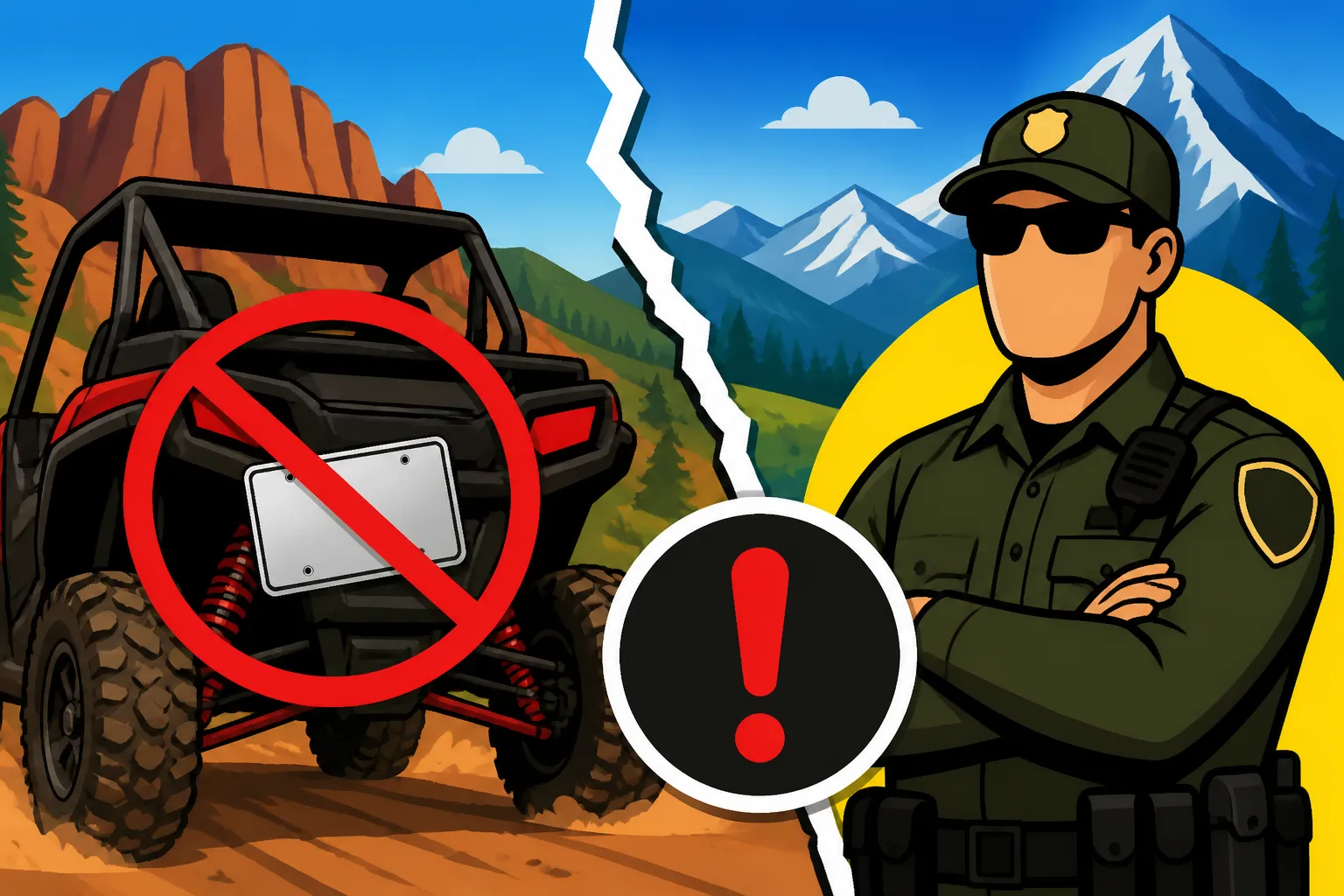
An OHV, even if modified with lights, mirrors, and a horn, is still legally an OHV in Colorado's eyes. The state issues a certificate of title for OHVs through the Department of Revenue, much like a car title, establishing ownership for purposes of sales tax and liens. However, it does not issue a conventional license plate for an OHV. Instead, Colorado Parks and Wildlife (CPW) manages OHV registrations, issuing a small, green sticker that is placed directly on the machine. This sticker indicates that the machine is registered for use on designated OHV trails and public lands, not that it is permitted for general street use. You might think, "But my state does issue a real plate!" And while that's true for your home state, Colorado's legal framework doesn't recognize that plate as granting general street-legal status within its borders. Your machine's classification doesn't change just because it has a plate from elsewhere; it's still considered an OHV under Colorado law. [Colorado OHV Title Versus CPW Registration] goes into more detail about these different forms of paperwork.
Navigating Colorado's Specific OHV Road Laws
The allure of riding your OHV directly from your campsite to a picturesque mountain town for lunch, or connecting different trail systems via a short road section, is undeniable. Many other states have embraced this convenience, but Colorado’s approach is a mosaic of state-level restrictions and highly localized permissions. Understanding this complex web is crucial, as relying solely on an out-of-state plate can lead to fines and frustration.
State Highways and Interstates: Absolute No-Go Zones
Let's get this one crystal clear: in Colorado, Off-Highway Vehicles are absolutely, unequivocally prohibited from operating on state highways, U.S. highways, or interstate highways. This applies whether your machine has an out-of-state "street legal" plate, a Colorado OHV registration sticker, or no registration at all. These major thoroughfares are designated for conventional motor vehicles, and OHVs simply don't fit the legal definition for travel on them.
Imagine you're driving your plated UTV from Arizona and you see a short stretch of U.S. Highway 550 that seems like a convenient bypass to get to a different county road. Don't do it. Colorado State Patrol and county sheriffs actively enforce these restrictions. The reasoning is rooted in safety; OHVs typically have lower top speeds, different handling characteristics, and less visibility than highway-designed vehicles, making them a hazard on high-speed roads. There are very, very limited exceptions for crossing a highway at a designated intersection, but continuous travel along these roads is strictly forbidden. This is a statewide rule that overrides any out-of-state street-legal designation your machine might carry. [Colorado Rules for Agricultural Road Use] and [Colorado OHV Rules for Official and Utility Use] cover the narrow exceptions.
County Roads and Municipal Ordinances: The Patchwork of Access
This is where the real complexity lies. While state highways are a universal no-go, access to county roads and within town limits is decided at the local level. Colorado has empowered its counties and municipalities to create their own ordinances regarding OHV use on public roads within their jurisdiction. This has resulted in a fascinating, albeit sometimes confusing, patchwork of rules across the state.
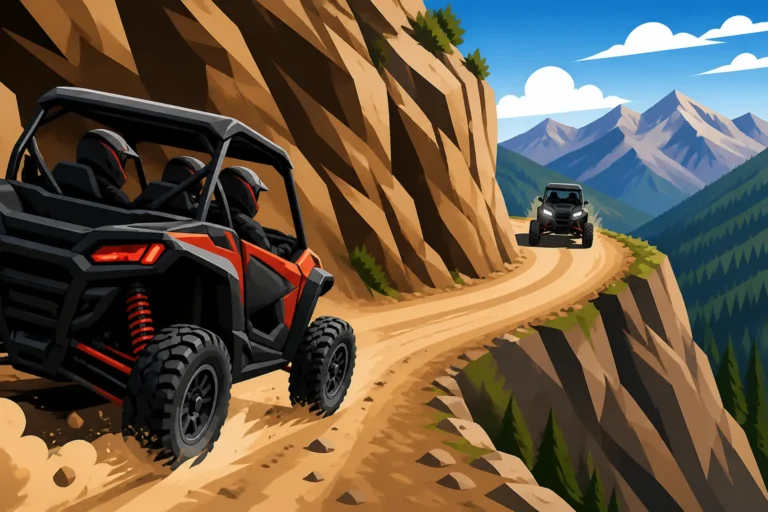
For example, a county like Hinsdale (home to Lake City) is generally very welcoming to OHVs on most of its county roads, explicitly allowing them to traverse town streets to access trails. You might find yourself riding your side-by-side right down the main drag in Lake City, waving at pedestrians, before heading up to the [Alpine Loop Over Engineer and Cinnamon]. Conversely, a nearby town like Silverton, while surrounded by incredible OHV trails, has voted to restrict OHV use on most of its town streets. [Silverton's Ban on OHVs in Town] is a prime example of this local control. This means an out-of-state plated UTV would be treated the same way as any other OHV – subject to Silverton’s specific local ban. You absolutely need to know the specific rules of the county and town you plan to visit, as they are the ultimate authority for road access, regardless of your vehicle's out-of-state plate. It's not about if your machine is street legal elsewhere, but where in Colorado you are trying to ride it on a road. [Colorado County Roads Open to OHVs] offers further insights.
Crossing Roads and Short Connections: Limited Exceptions
Even with the strict rules, there are some very limited circumstances where OHVs can interact with public roads, often to connect trail segments or access services. These exceptions are typically defined by state statute or local ordinance and are quite specific.
- Crossing a Paved Highway: In many areas, OHVs are permitted to cross a state highway or county road at a designated intersection. This isn't about driving on the highway, but rather crossing it perpendicularly to get from one trail segment to another. You must yield to all traffic, come to a complete stop, and proceed directly across. Think of it like crossing a busy street on foot – you're allowed to traverse, but not walk down the middle. [Crossing a Colorado Highway on an OHV] details these rules.
- Short Road Connections: Some counties or municipalities may designate very short segments of certain roads, often county roads or less-trafficked routes, as legal connectors between trails. These are typically signed explicitly for OHV use and are meant for brief transit, not extended cruising. The intent is to facilitate trail access, not to create a general road network for OHVs. You’ll find these kinds of allowances in areas around Ouray or Lake City, where specific ordinances allow OHVs to navigate certain streets to reach trailheads. It's crucial to look for signage and consult local maps or ordinances before assuming any road is open for these short connections. Even then, your out-of-state plate doesn't grant you extra leeway; you're still bound by the local designation.
The Role of the Colorado OHV Registration Sticker
When you bring your OHV to Colorado, one of the first things you'll want to address, beyond understanding road rules, is obtaining a Colorado OHV registration sticker. This sticker is fundamental to legal riding on public lands within the state, and it’s a requirement regardless of whether your machine has an out-of-state plate or not. Many visitors mistakenly believe their home-state street-legal plate covers all bases, but the Colorado Parks and Wildlife (CPW) sticker serves a completely different, yet equally vital, purpose.
It's About Public Land Access, Not Street Legality
The green, non-stick Colorado OHV registration decal issued by CPW is specifically designed to grant you legal access to designated OHV trails and open riding areas on public lands throughout Colorado. This includes trails managed by the U.S. Forest Service (USFS), the Bureau of Land Management (BLM), and some State Parks. The fees collected from these registrations directly fund trail maintenance, signage, and enforcement, supporting the very trail systems you've come to enjoy.
It’s crucial to understand that this sticker has absolutely no bearing on your machine's "street legal" status in Colorado, nor does it override any local road access ordinances. It's a permit for the dirt, not the asphalt. Even if your side-by-side has a valid Utah street plate, if you want to ride it on the trails of the Grand Mesa or Taylor Park, you will still need that Colorado OHV registration sticker affixed to your machine. Rangers and local law enforcement will be looking for it at trailheads and along forest service roads. [Colorado Parks and Wildlife OHV Registration Explained] provides a deep dive into how this system works.
Penalties for Riding Without the Colorado Sticker
Ignoring the requirement for a Colorado OHV registration sticker can lead to a less-than-ideal experience on your trip. While your out-of-state plate might make you feel fully compliant, a ranger on a USFS road or BLM land will be checking for the Colorado green sticker.
The penalties for operating an unregistered OHV on public land in Colorado can include fines. Beyond the monetary cost, it can be a significant hassle, potentially cutting your ride short and leaving you feeling frustrated. The wardens and deputies patrolling these areas are well-versed in the regulations, and arguing that your out-of-state street plate should suffice won't fly. They'll explain that the Colorado registration is specific to trail access and conservation efforts within the state. It's a small fee to pay for peace of mind and to contribute to the maintenance of the trails you're enjoying. You can purchase these stickers online, by phone, or from numerous vendors across the state, including many sporting goods stores and powersports dealers. [Fines for an Unregistered OHV in Colorado] details the consequences of non-compliance.
Equipment Requirements: More Than Just a Plate
Beyond the complexities of registration and road access, bringing an OHV to Colorado, especially one you hope to use on any road sections, means ensuring it meets specific equipment standards. Just like the out-of-state plate doesn’t grant blanket road access, a basic machine (even if it passed street-legal requirements elsewhere) might not meet Colorado's specific gear mandates if you're operating in an area where road use is permitted. It's another layer of consideration that riders often overlook.
The Mandatory Gear for Road Use (If Permitted)
Even in the limited instances where an OHV is legally allowed on a Colorado county road or within certain town limits, it must be equipped with specific safety features. These are separate from your out-of-state street-legal modifications and must meet Colorado's standards. These typically include:
- Headlights and Taillights: Operational headlights and taillights are usually required, especially when operating from dusk to dawn or in low visibility conditions.
- Brake Lights: A functional brake light that illuminates when the brakes are applied is essential for safety and required for road use.
- Horn: A working horn is a common requirement to alert other drivers or pedestrians.
- Muffler and Spark Arrester: All OHVs must be equipped with a muffler that prevents excessive noise and a U.S. Forest Service-approved spark arrester to prevent wildfires, regardless of where you're riding. These are critical for environmental protection and fire safety, especially in dry Colorado summers.
- Mirrors: Rearview mirrors are often required, providing visibility of traffic behind you.
- Brakes: Fully functional brakes on all wheels.
Many riders choose to upgrade their machines with aftermarket accessories to meet these requirements. Companies like SuperATV offer a range of products, including street legal kits that bundle many of these necessary items – lights, horns, mirrors – making it easier to ensure your machine is compliant if you plan to ride it on legally designated county roads. Even if your UTV came from Texas with a "street-legal" plate, a ranger or local sheriff will still verify that these fundamental safety items are present and functional according to Colorado's interpretation. [Lighting Requirements for a Colorado Road Ride] and [Mufflers and Spark Arresters in Colorado] provide more detail on these specific requirements.
Helmets, Eye Protection, and Supervision Rules
Beyond the machine itself, Colorado has specific regulations regarding rider safety gear and the supervision of younger riders when on roads, even those where OHV use is locally permitted. These rules apply universally, regardless of your machine's plating or origin.
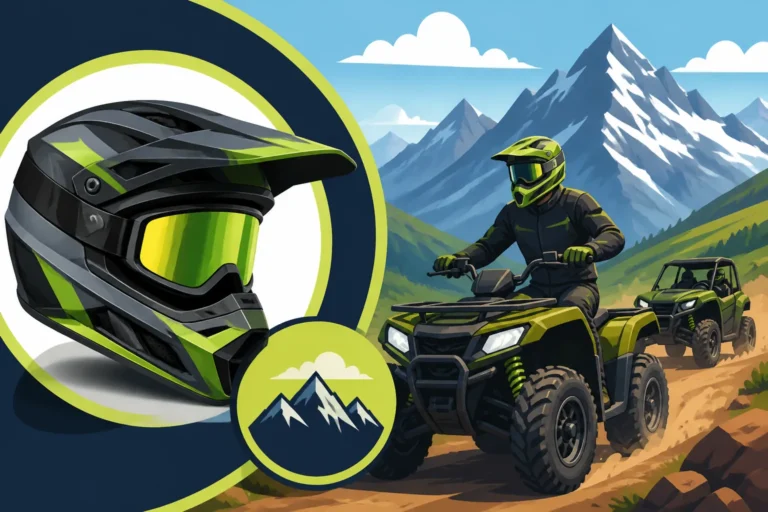
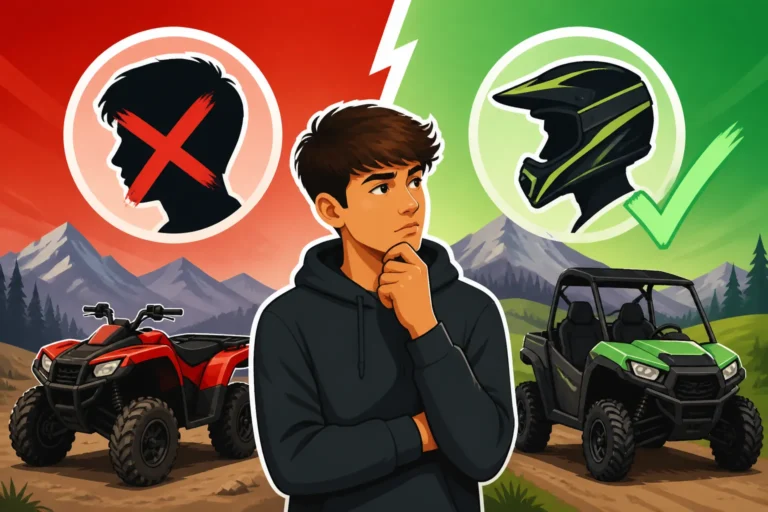
- Helmets: While Colorado does not have a universal helmet law for adults on OHV trails, it does have specific requirements for younger riders and in certain road-use scenarios. For instance, riders under 18 years of age are generally required to wear a DOT-approved helmet when operating an OHV on public lands or public roads. Even if you're an adult and your home state doesn't require a helmet for your street-legal UTV, if you're riding on a Colorado county road that permits OHVs, and you're under 18, you'll need that helmet. [Adults and Helmets on Colorado OHV Trails] clarifies these nuanced rules.
- Eye Protection: All OHV riders, regardless of age, are typically required to wear eye protection (goggles, face shield) when operating on public lands or roads in Colorado. This is a common-sense safety measure to protect against dust, debris, and insects.
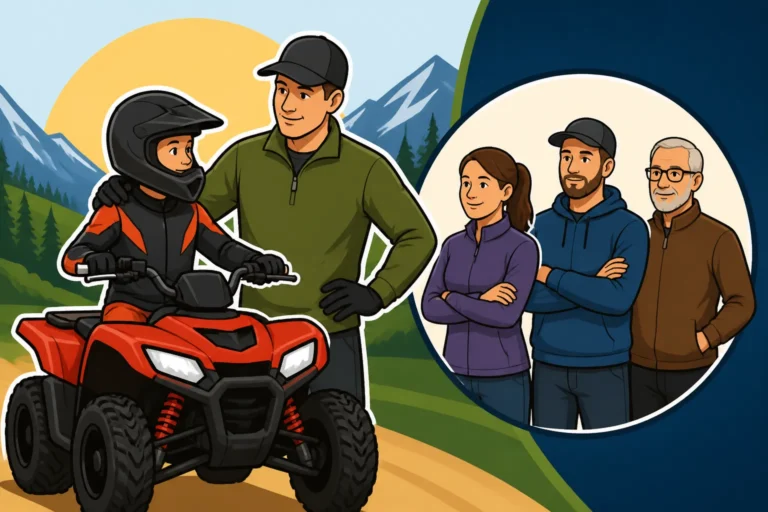
- Supervision Rules: Colorado has age and supervision requirements for young OHV operators. Riders aged 10-16 must be under the immediate supervision of an adult (18+) when operating on public lands or designated roads. Riders under 10 are generally restricted to private land. Your machine's out-of-state plate does not exempt you from these crucial safety and supervision rules. A family from California with a fully street-legal UTV for their 14-year-old will still need to ensure that young rider is properly supervised and wearing a helmet on a Colorado county road. [Colorado Supervision Rules on a County Road] is a must-read for families.
Practical Implications for Out-of-State Visitors
For those planning to visit Colorado with their OHV, particularly if it's plated for street use in another state, a little preparation goes a long way. Understanding these nuances before you arrive can save you from potential fines, frustration, and a ruined trip. Colorado's unique blend of breathtaking scenery and complex regulations means you need to do your homework.
Researching Local Ordinances Before You Go
The single most important piece of advice for out-of-state visitors is to research the specific local ordinances for the counties and towns you plan to visit before you even load your machine onto the trailer. As we've discussed, road access for OHVs in Colorado is not a blanket state rule but a hyper-local decision.
Imagine you're planning a trip to the San Juan Mountains. You might look up "Ouray OHV access," "Lake City OHV roads," or "Silverton OHV rules" online. Many counties and towns now have dedicated sections on their official websites detailing their OHV ordinances, including maps that show which roads are open, which are closed, and any specific time-of-day restrictions. Don't assume that because one town is friendly to OHVs, all towns in the area will be. Lake City is largely open, but Silverton has strict limits. Even within a single county, rules can vary. Websites like [Finding Your Colorado County's OHV Ordinance] can be a great starting point, but always verify with the specific municipality. This due diligence ensures you're riding legally and respecting the local community's decisions.
What to Expect from Law Enforcement
When you’re out on the trails or (legally) on a county road in Colorado, you might encounter various law enforcement officials: Colorado Parks and Wildlife rangers, Forest Service rangers, BLM rangers, or county sheriffs. These officers are highly familiar with Colorado's OHV laws. They know that many visitors come from states with different "street legal" rules, and they are trained to enforce Colorado's regulations.
If you are stopped, politely explain where you're from and where you believe you're permitted to ride. However, be prepared for them to explain Colorado's specific laws, which prioritize local ordinances and state highway prohibitions over any out-of-state street-legal plate. They will look for your Colorado OHV registration sticker (if you're on public land) and verify that your machine meets necessary equipment requirements for the specific area you are in. Trying to argue the validity of your home state’s plate will likely not be productive. Instead, view it as an opportunity to learn the local rules. Being respectful and cooperative will always lead to a better interaction. [Colorado Ranger Checks at a Trailhead] provides insight into common interactions.
Avoiding Fines and Trail Closures
The consequences of not adhering to Colorado's OHV regulations, even if you arrive with a street-legal plate from elsewhere, can range from a simple warning to significant fines. Fines for riding an unregistered OHV on public land or riding on a prohibited road can quickly add up, turning a fun day into an expensive headache. For example, [The $300 Fine for Riding Into Silverton] is a real consequence for those who don't respect local ordinances.
Beyond personal fines, widespread non-compliance by OHV users can lead to more stringent rules or even trail closures. Local communities and land managers are constantly evaluating OHV impacts. When riders disregard local laws, it can fuel negative perceptions and lead to reduced access for everyone. By understanding and respecting Colorado's specific legal framework, you not only protect yourself from penalties but also contribute to the long-term health and accessibility of Colorado's incredible OHV opportunities for all riders. Enjoy the trails, but always ride responsibly and legally!
| Feature/Aspect | Out-of-State "Street Legal" Plate | Colorado's OHV Rules (with out-of-state plate) |
|---|---|---|
| General Road Access | Often permits use on most public roads in home state, possibly highways. | Does NOT grant general road access. State highways/interstates strictly prohibited. Local county/town ordinances determine road access. |
| Colorado OHV Sticker | Not required in home state for street use. | REQUIRED for riding on designated public OHV trails in Colorado, regardless of out-of-state plate. |
| Proof of Ownership | Vehicle title in home state. | Colorado DMV may require titling in CO if you become a resident. [Titling an Off-Highway Vehicle in Colorado] |
| Equipment Compliance | Meets home state's "street legal" kit requirements (e.g., SuperATV kit). | Must meet Colorado's local equipment requirements if operating on a legally permitted road (e.g., specific lights, mirrors, horn, spark arrester). |
| Rider Safety Gear | Varies by home state (e.g., helmet laws). | Colorado's age-specific helmet and eye protection rules apply when on public roads/trails. [Colorado Helmet and Eye Protection What Is Actually Required] |
| Enforcement | Enforced by home state law enforcement. | Colorado Parks & Wildlife, Forest Service, BLM, and County Sheriffs enforce CO laws, overriding out-of-state plate. |
| Purpose of Plate | General motor vehicle road use. | Only indicates compliance in home state; in CO, it's just proof of ownership from another jurisdiction. |
| Primary Focus | Road transit. | Public land trail access; limited, localized road access. |
Disclaimer
This article is for general informational purposes only and does not constitute professional advice. Laws, prices and regulations vary by location and change over time. Consult a qualified professional for guidance on your specific situation.