Trade-In Credit at a Colorado Powersports Dealer
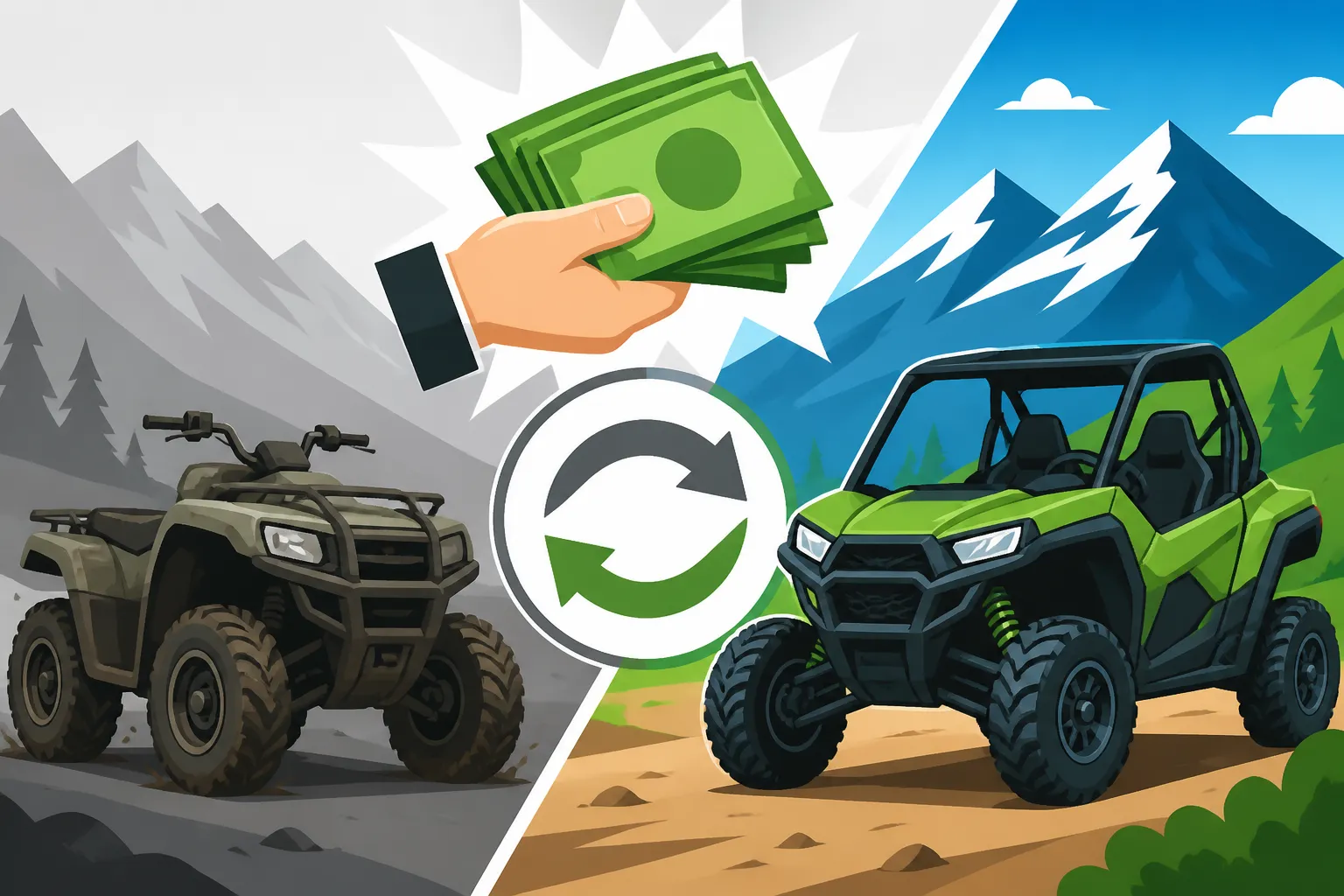
Thinking about upgrading your ATV or UTV in Colorado can bring a mix of excitement for new adventures and a heavy sigh when you consider what to do with your current machine. Many riders dread the hassle of selling their trusty rig privately, wondering if they'll ever get a fair price or deal with strangers. This guide is all about simplifying one popular option: understanding and maximizing your trade-in credit at a Colorado powersports dealer, helping you smoothly transition to your next great ride.
Understanding Trade-In Value at a Colorado Powersports Dealer
When you walk into a powersports dealer here in Colorado with the idea of trading in your ATV or UTV, it’s easy to feel like you're entering a black box. What exactly are they looking for? How do they decide what your machine is worth? The truth is, dealers assess a variety of factors to determine a fair trade-in value, and it's almost always a different number than what you might see advertised in a private sale, and for good reason. They need to account for their own costs in reconditioning the machine, holding it on their lot, and then reselling it.
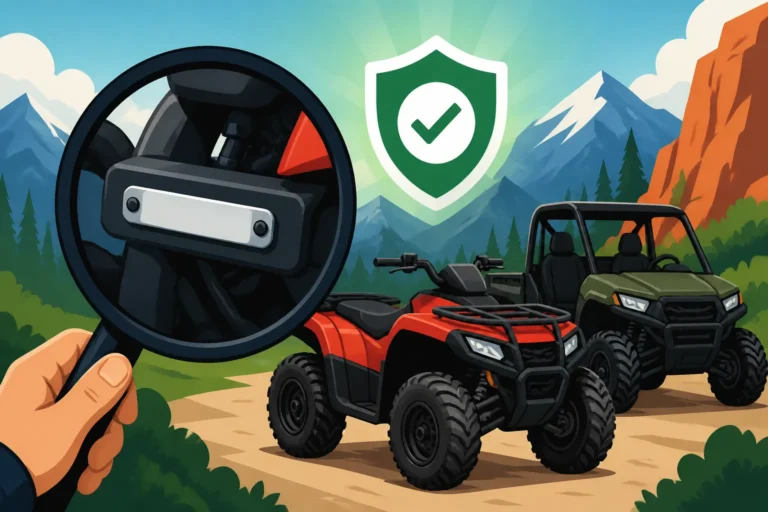
One of the biggest factors is the condition of your machine. This isn't just about how clean it looks – though presentation definitely helps! Dealers will perform a thorough inspection, looking at the mechanical health (engine, transmission, suspension, brakes), tire wear, any aftermarket modifications, and the overall cosmetic appeal. Are there significant dents, scratches, or tears in the seat? Does it start easily? Are there any warning lights? A dealer often has to invest in fluids, filters, belts, and possibly more significant repairs before they can confidently put the machine on their showroom floor. If your ATV has been meticulously maintained, with service records to prove it, that certainly works in your favor. They'll also check things like [Where the VIN Sits on a Side-by-Side] to verify its identity.
Next up is the year, make, and model, along with its mileage or hours. Certain brands and models hold their value better than others, and a machine with low hours or mileage for its age will naturally command more interest. Dealers also consider the current market demand for your specific machine. Is it a popular model that sells quickly in Colorado? Or is it an older, less common unit that might sit on their lot for a while? Demand can fluctuate with seasons too; for instance, many people are looking for new machines in spring and early summer. Finally, the dealer will factor in the cost of [Colorado Sales Tax on an ATV Purchase] for the incoming machine. When you trade in, the value of your trade-in is often deducted before sales tax is calculated on the new purchase, which can lead to significant savings right off the bat – a major benefit often overlooked.
The Process of Trading In Your OHV
Trading in your off-highway vehicle (OHV) at a Colorado powersports dealer is generally a more streamlined process than trying to sell it yourself, which is a huge relief for many riders. When you first approach a dealer, you'll typically start by expressing interest in a new machine and letting them know you have an OHV you'd like to trade in. Be prepared to provide details about your current machine, including its year, make, model, mileage/hours, and any significant features or modifications. They'll want to see your [Proof of Ownership for a Colorado OHV] to ensure everything is above board.
The dealer will then want to inspect your OHV. This is where their service department usually gets involved, giving it a once-over to assess its mechanical condition, tires, brakes, and overall integrity. They're looking for anything that might need repair or replacement before they can resell it. While they inspect, you can begin discussing the new machine you're interested in. Once their assessment is complete, they'll come back with a trade-in offer. This offer is usually presented as part of the total deal for your new purchase, showing the price of the new machine, your trade-in credit, and the resulting balance. Don't be afraid to ask questions about how they arrived at their figure. Sometimes, understanding their costs for reconditioning can help you see their perspective.
If you accept their trade-in offer, the paperwork process begins. This will involve signing documents for the sale of your trade-in to the dealer and the purchase of your new machine. You’ll need to provide your clear title for the trade-in, ensuring there are no liens. If you still have a loan on your current machine, the dealer will often handle the payoff as part of the transaction, though it's always wise to confirm this and ensure you have a [Lien Release After Paying Off a UTV] from your lender. This all-in-one transaction can save you a lot of running around, making it a truly convenient option for many riders in Colorado. The dealer will also take care of filing all the necessary paperwork, including transferring the title and registration, saving you a trip to the DMV or Colorado Parks and Wildlife.
Pros and Cons of Trading In Versus Private Sale
Deciding whether to trade in your ATV or UTV at a Colorado powersports dealer or sell it yourself can be a tough call. Both options have distinct advantages and disadvantages, and what's "best" really depends on your priorities – whether you value convenience, speed, or getting the absolute highest dollar amount.
Trading in at a dealer is, without a doubt, the most convenient option. You avoid the endless cycle of advertising, responding to inquiries, scheduling showings with strangers, and haggling over price. There's also no worry about payment scams or dealing with potential buyers who might damage your machine during a test ride. The entire process is usually completed in a single transaction, from dropping off your old machine to driving away with your new one. Plus, as mentioned, the tax benefit of reducing the taxable amount of your new purchase can be significant, sometimes making the dealer's lower trade-in offer competitive with a private sale when you factor in the tax savings. Dealers also handle all the [Titling an Off-Highway Vehicle in Colorado] paperwork for both your old and new machines, taking a huge administrative burden off your shoulders.
However, the primary downside of trading in is usually the cash value. A dealer needs to make a profit, so they will offer you less than what you might be able to get in a private sale. They have overhead costs, reconditioning expenses, and the risk of the machine sitting on their lot. If your machine needs significant repairs or is a less popular model, their offer might be substantially lower. It’s important to remember that this lower cash value is the price you pay for the convenience, speed, and tax savings.
| Feature | Dealer Trade-In | Private Sale |
|---|---|---|
| Convenience | Very High (one-stop shop) | Low (requires advertising, showing, negotiation) |
| Speed | Fast (often same day) | Varies widely (weeks to months) |
| Cash Value | Generally Lower (dealer profit margin) | Potentially Higher (if you find the right buyer) |
| Tax Benefit | Yes (reduces taxable amount of new purchase) | No (sales tax on new purchase is full amount) |
| Paperwork | Dealer handles everything | You handle all transfer of [Titling an Off-Highway Vehicle in Colorado] and [Colorado OHV Registration After a Private Sale] |
| Safety/Security | High (reputable business transaction) | Varies (risk of scams, unsafe meetings) |
| Machine Condition | Any condition (dealer can recondition) | Better condition machines sell faster |
| Negotiation | Part of overall new machine deal | Direct negotiation with individual buyers |
On the other hand, selling your OHV privately gives you the potential to get more money for your machine. You cut out the middleman and can set your asking price closer to what you believe its market value is. However, this comes with a lot more effort and time investment. You'll need to clean and possibly repair your machine, take good photos, write a compelling advertisement, and list it on various platforms. Then comes the screening of potential buyers, dealing with no-shows, and negotiating prices. You'll also be responsible for drawing up a solid bill of sale (resources like LawDepot can offer helpful templates for [ATV Bill of Sale Wording That Holds Up]) and ensuring all the title transfer and registration paperwork is correctly completed. While potentially more lucrative, private sales require patience, effort, and a willingness to handle all aspects of the transaction yourself.
Maximizing Your Trade-In Value
While a dealer will always need to offer less than a private sale price to make a profit, there are definite steps you can take to make your ATV or UTV as appealing as possible and get the best possible trade-in offer at a Colorado powersports dealer. Think of it as putting your best foot forward.
First and foremost, clean your machine thoroughly. This might seem obvious, but a sparkling clean ATV or UTV suggests to the dealer that you’ve cared for it. Wash off all the mud, clean the plastics, wipe down the seats, and get rid of any trail dust and debris. A clean machine makes a better first impression and implies that the previous owner was diligent about maintenance, even if it's just superficial. It also helps the dealer perform their inspection more efficiently, as dirt can hide issues.
Next, address any minor maintenance issues. This doesn't mean doing a full engine rebuild, but small things can make a big difference. Check the oil and other fluid levels. Make sure the tires are properly inflated and that the brakes feel good. Replace any burned-out bulbs. If there's a simple fix for a rattling noise or a loose part, take care of it. These small investments can prevent the dealer from flagging them as larger repair needs, which would reduce your offer. If you have service records, gather them. Documentation of routine maintenance, oil changes, and any repairs proves you've taken care of the machine and can build trust with the dealer. Even a simple logbook of your own can help.
Consider gathering all relevant paperwork. This includes your clear title (or knowing how to get a [Lien Release After Paying Off a UTV] if you still have a loan), current registration, and any service records or manuals. Having everything organized shows you are a responsible owner and speeds up the transaction. A dealer won't be able to give you a final offer without verifying ownership. Finally, be realistic but ready to negotiate. Do some research beforehand to understand the general market value of your specific year, make, and model in Colorado, both for private sales and what similar machines are selling for at dealers. This knowledge empowers you during negotiations. While you might not get your ideal private sale price, knowing what others are paying can help you negotiate a fair trade-in value that makes sense for you and the dealer. Remember, the dealer is also trying to sell you a new machine, so your trade-in is part of a larger negotiation.
Disclaimer
This article is for general informational purposes only and does not constitute professional advice. Laws, prices and regulations vary by location and change over time. Consult a qualified professional for guidance on your specific situation.