Running a Serial Number Before You Buy
Buying a used ATV or UTV in Colorado can feel like stepping into a minefield. You're excited about the machine, but there’s always that nagging fear: "Am I buying someone else's problem?" One of the most critical steps you can take to protect yourself is to properly vet the machine's identity, and that starts with understanding and running its serial number or VIN. This guide will walk you through exactly how to do that, what information you're looking for, and how to use that intel to make a smart, safe purchase.
Why That Serial Number Is Your Best Friend (And Defense) When Buying Used
When you're looking at a shiny (or sometimes not-so-shiny) used off-highway vehicle (OHV), it's easy to get caught up in the excitement of the potential adventures ahead. You might focus on the engine sound, the tire tread, or how comfortable the seat feels. But I'm here to tell you, before you fall too deep in love, the most important part of that machine might just be a little string of letters and numbers stamped onto its frame. That serial number, or Vehicle Identification Number (VIN), is your first and best line of defense against a bad deal. It's the machine's unique fingerprint, and it holds a wealth of information that could save you a lot of heartache and money down the road.
More Than Just a String of Digits: What a VIN or Serial Number Tells You
For off-highway vehicles, the VIN is typically a 17-character code that tells a story about the machine's origin and identity. Unlike a simple serial number often found on older equipment, a modern VIN follows an international standard, encoding specifics like the manufacturer, brand, engine type, model year, and even the manufacturing plant. It's designed to be unique to that specific vehicle, preventing duplicates and making it a powerful tool for tracking.
Knowing how to locate and decode this number is fundamental. For example, if you're eyeing a Polaris General, you'd want to know [Where to Find the VIN on a Polaris General]. The location can vary by manufacturer and machine type – sometimes it's on the frame near the steering head, other times on the engine casing or under a seat. Once you find it, you can often use an online VIN decoder to get a preliminary breakdown of the vehicle's basic information. This step is crucial because it allows you to verify that the year, make, and model the seller is claiming actually matches what the VIN indicates. You can even learn [Reading the Model Year Digit in an ATV VIN] to quickly check if the seller's stated age of the machine aligns with the factory records. If these basic facts don't line up, that's your first major red flag, and it's time to dig deeper or consider walking away.
The Hidden Dangers of Buying a Machine Without Proper Vetting
I've seen it happen countless times. Someone gets a "screaming deal" on an ATV or UTV, only to find out months later that it was stolen, or that there's a lien on it they knew nothing about. Colorado trails are no place to discover your new pride and joy has a shady past. Without properly vetting the machine through its serial number, you could inadvertently become the owner of a stolen vehicle, which means you could lose both the machine and the money you paid for it. The police will simply confiscate it and return it to its rightful owner, leaving you empty-handed and out of luck.
Beyond outright theft, there's the risk of buying a machine with an undisclosed lien. Imagine saving up for that dream side-by-side, only to have a bank or finance company come knocking, demanding payment on a loan the previous owner never satisfied. You'd be stuck with the choice of paying someone else's debt or losing your machine. Then there are salvaged or rebuilt titles, which indicate a vehicle has been declared a total loss by an insurance company, often due to significant damage from an accident, flood, or fire. While not always a deal-breaker, a salvage title significantly impacts the machine's value and can signal hidden problems, making it much harder to insure or resell. The frustration of dealing with these issues after the fact is immense, and it’s why pre-purchase due diligence is non-negotiable.
Where and How to Run That Serial Number (The Nitty-Gritty Steps)
Alright, you've found the VIN, you know why it's important – now what? The next step is to actually put that string of characters to work. While it might seem intimidating at first, there are several avenues you can explore to check the history of an OHV. Not all are perfect or comprehensive, but combining a few methods will give you the best chance of uncovering any hidden issues before you hand over your hard-earned cash. This isn't just about protecting your wallet; it's about protecting your peace of mind and ensuring your new machine is truly yours to enjoy on Colorado's incredible trails.
Utilizing Online Databases and Reporting Services
The internet has made it significantly easier to access vehicle history information, even for ATVs and UTVs. While some of the more well-known automotive services might not have extensive databases for OHVs, there are specialized services that focus specifically on powersports vehicles. These platforms often compile data from various sources, including insurance companies, salvage yards, and police records. They can sometimes reveal if a machine has been reported stolen, declared a total loss, or if it has an accident history.
When using these services, you typically input the VIN, and they provide a report for a fee. Be aware that the depth of information can vary. For example, some might primarily focus on theft records, while others might offer more extensive historical data. It's always a good idea to cross-reference information if possible and remember that no database is 100% foolproof – some incidents might simply not have been reported or recorded universally. Also, for things like valuation, organizations like NADA (National Automobile Dealers Association) provide guides, but these typically don't include theft checks.
The Role of Law Enforcement and DMV (and Their Limitations)
You might think your local sheriff's office or the Colorado Division of Motor Vehicles (DMV) would be your go-to for running a VIN check for a private sale, and in some ways, you'd be right, but there are important limitations to understand. Local law enforcement agencies can run a VIN through the National Crime Information Center (NCIC) database, which will tell you if the vehicle has been reported stolen anywhere in the country. However, police typically require a reasonable suspicion of theft to run a VIN for a private citizen. They are often reluctant to do a "pre-purchase check" as a routine service because it's not their primary function. If you approach them with the VIN and express concern based on something specific the seller said or did, they might be more willing to help.
The Colorado DMV, on the other hand, is primarily concerned with titling and registration. When you go to title a machine, they will verify the VIN, but they generally won't perform a pre-purchase history check for you. Their process is more about confirming the VIN on the machine matches the paperwork you present and ensuring the machine isn't already titled in a way that conflicts with your transaction. Understanding [Documents the Colorado DMV Wants for an OHV Title] is crucial for the titling process, but it's separate from your pre-purchase research into theft or lien history. Essentially, while these official channels are vital for the legal transfer of ownership, they aren't typically a consumer-friendly service for historical checks before you commit to buying.
What to Do With the Information You Uncover
So, you've done your due diligence, you've run the serial number, and now you have some information. This is where you put on your critical thinking hat and decide whether to move forward with the purchase or protect yourself by walking away. Understanding what constitutes a "red flag" and how to interpret the data you've found is just as important as the act of checking the VIN itself. Your goal is to eliminate as many unknowns as possible and ensure you're making a fully informed decision.
Red Flags and Deal Breakers: When to Walk Away
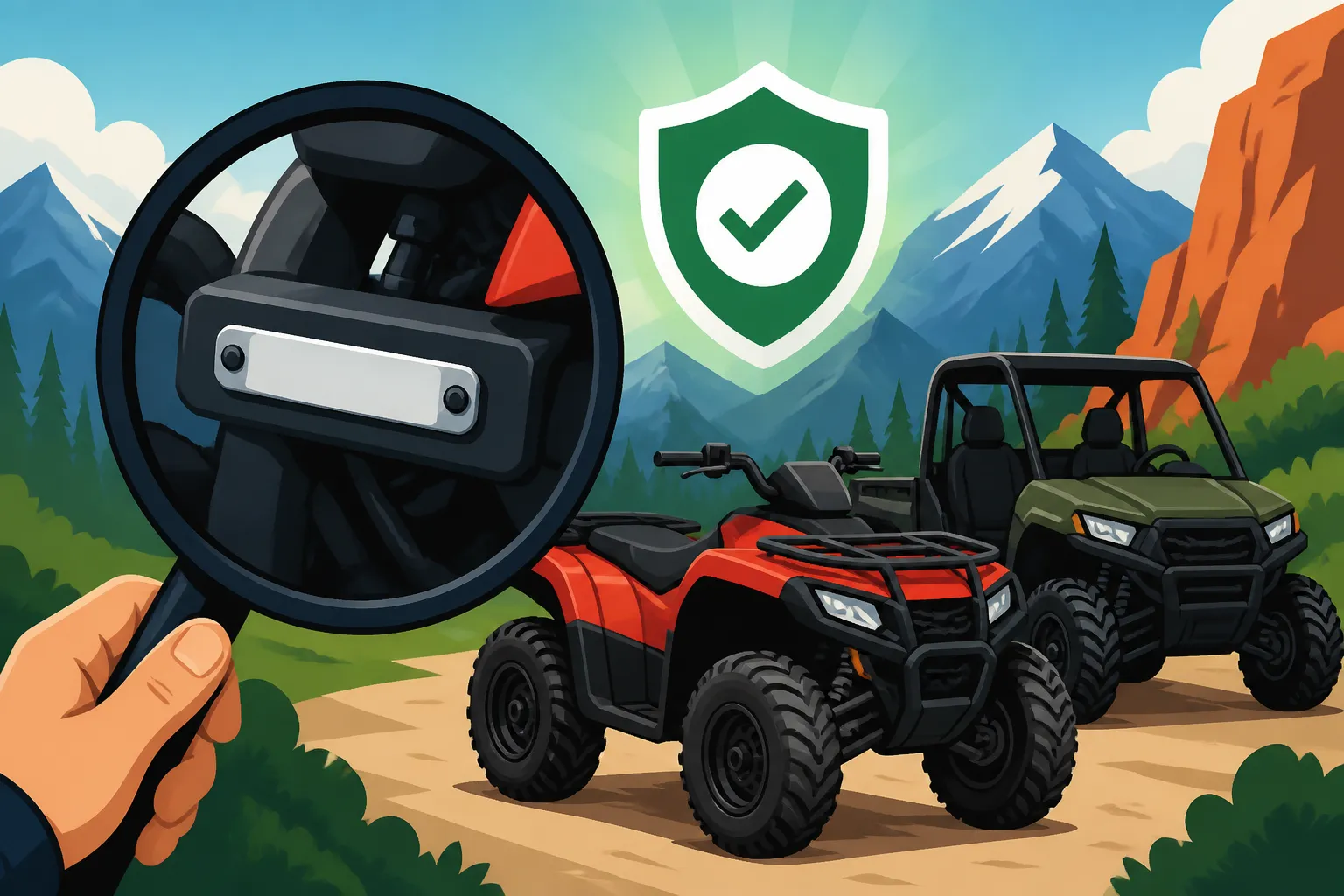
When you compare the VIN on the machine to the paperwork (title, registration, bill of sale), they absolutely must match. Any discrepancy, even a single digit, is an immediate and major red flag. Also, carefully inspect the VIN plate or stamping on the machine itself. Look for signs of tampering, like scratches, grind marks, or plates that look like they've been pried off and reattached. If the VIN looks altered, it's a huge warning sign that the machine could be stolen or have a very problematic history.
An active theft report linked to the VIN is, of course, a definite deal-breaker. If you find this, immediately contact law enforcement and provide them with the seller's information. Do not proceed with the purchase. Another serious issue is an outstanding lien. If your VIN check reveals that a bank or financial institution has a claim on the machine, the seller doesn't truly own it free and clear. You can verify [Liens on a Colorado OHV Title] at the County Clerk's office. You absolutely cannot buy a machine with an active lien without ensuring it is paid off and released at the time of sale. If the seller is reluctant to provide the VIN early in the process, or tries to discourage you from checking it, consider that a giant red flag. Transparency is key in these transactions. Finally, if you discover the machine has a salvage or rebuilt title, understand [What a Rebuilt Title Means for a Buyer]. While not always a "walk away" scenario, it requires extreme caution, a significantly lower price, and a thorough inspection by a trusted mechanic to assess potential hidden damage.
Protecting Your Purchase: Documentation and Due Diligence
If everything checks out after your VIN investigation, great! But your due diligence doesn't stop there. The next critical step is ensuring you have robust documentation for the sale. A comprehensive bill of sale is non-negotiable. This document should include the full names and addresses of both buyer and seller, the date of sale, the purchase price, a detailed description of the ATV/UTV (make, model, year, color, and most importantly, the VIN), and a clear statement that the machine is sold "as is." Using a reputable template, such as those found on platforms like LawDepot, can help ensure you don't miss any critical details in your [Colorado ATV Bill of Sale Template]. It’s also wise to get [Proof of Ownership for a Colorado OHV] like a title from the seller, which lists their name as the legal owner.
Always compare the seller's government-issued ID (like a driver's license) to the name on the title or previous registration to confirm they are the legal owner. This prevents you from buying from someone who doesn't have the right to sell the machine. While not always legally required in Colorado for an ATV/UTV bill of sale, asking [Does a Colorado Bill of Sale Need Notarizing?] and opting for it can add an extra layer of legal protection by verifying signatures. Finally, even after your VIN check, a pre-purchase inspection by a qualified mechanic can uncover mechanical issues that aren't apparent to the untrained eye, ensuring the machine is safe and sound for the trails. This complete package of documentation and verification is your best defense against future problems.
Avoiding Common Pitfalls and Ensuring a Smooth Transaction
Even after doing your homework on the serial number, there are still a few common traps that buyers can fall into when purchasing a used ATV or UTV in Colorado. These often revolve around misunderstandings about titling, transaction logistics, and legal requirements. Being proactive and informed on these fronts can save you immense stress and prevent what should be an exciting purchase from turning into a bureaucratic nightmare or a risky endeavor.
The "No Title, No Problem" Myth
One of the biggest misconceptions in the used OHV market, especially in private sales, is the idea that a missing title or registration isn't a big deal. Let me be absolutely clear: in Colorado, buying an ATV or UTV without a title, or at least verifiable proof of ownership and a clear chain of custody, is a massive risk. While Colorado Parks and Wildlife (CPW) handles OHV registration for trail use, the Colorado Department of Revenue (DOR) is responsible for ATV/UTV titling, which establishes legal ownership. Without a title in hand from the seller, you face an uphill battle to prove you're the rightful owner.
You'll encounter significant hurdles when trying to register the machine with CPW and especially when trying to get a new title issued in your name. You might have to jump through hoops like applying for a [Bonded Title for an ATV in Colorado], which is a lengthy, complicated, and often costly process designed to protect previous owners and lienholders when a title is lost or unavailable. Trying to title a machine when the seller has no previous owner documentation on hand, or the previous owner is deceased, can be a major challenge. Read [Titling a Machine With No Previous Owner on Hand] for specific steps on how to approach this. If a seller insists that a title isn't needed, or that it's "just too much hassle," consider it a huge red flag. A legitimate seller should have a clear title or registration in their name, ready for transfer. If you're unsure about the exact wording for a bill of sale to cover specific scenarios, legal resources like LawDepot can provide customizable templates to ensure your agreement holds up.
Meeting Safely and Verifying Seller Identity
When it comes time to meet the seller, safety should be your top priority. Always arrange to meet in a well-lit, public place, especially if you're going to a neutral location. If you're going to their home, bring a friend or family member along. This not only provides an extra set of eyes for inspecting the machine but also offers personal security. Before the exchange of money, ensure you see the seller's government-issued photo ID. The name on their ID should match the name on the vehicle's title or current registration. This simple step helps verify their identity and confirms they are the legal owner and have the authority to sell the machine.
Beyond identity, ensure all the paperwork is completed correctly and signed by both parties at the time of sale. This includes the transfer of the title and a well-detailed bill of sale. As mentioned, utilizing a structured document from a service like LawDepot can streamline this process and ensure all necessary details are captured, including the full description of the machine and the purchase price. Don't forget to account for [Colorado Sales Tax on an ATV Purchase] in your budget; you'll typically pay this at the time of titling, not directly to the seller in a private sale. A secure transaction involves much more than just the money; it's about making sure all legal bases are covered. For more advice on how to handle the logistics of a private sale, including [Meeting a Colorado Seller Somewhere Safe], always prioritize your safety and due diligence throughout the entire process.
| Red Flag | What It Means | Your Best Action |
|---|---|---|
| VIN does not match paperwork | Vehicle identity is compromised or misrepresented. | Walk Away Immediately. |
| Signs of VIN tampering | VIN plate altered, scratched, or reattached. | Walk Away Immediately; Report to Police. |
| Active theft report on VIN | The machine is stolen. | Walk Away Immediately; Report to Police. |
| Undisclosed active lien | Seller doesn't own the machine free and clear. | Demand lien release or Walk Away. |
| Seller reluctant to provide VIN | Seller is hiding something. | Insist on VIN or Walk Away. |
| No title/registration available | Difficult or impossible to prove ownership. | Proceed with extreme caution, or Walk Away. |
| Seller's ID doesn't match title | Seller may not be the legal owner. | Do not proceed with the sale. |
| Machine has a "Salvage" title | Vehicle was declared a total loss. | Thorough inspection, lower price, understand risks. |
Disclaimer
This article is for general informational purposes only and does not constitute professional advice. Laws, prices and regulations vary by location and change over time. Consult a qualified professional for guidance on your specific situation.