Where Colorado OHV Registration Money Goes
It’s a question many of us have pondered when we hand over our hard-earned cash for that annual OHV registration sticker: where exactly does this money go? You’re buying into the system, contributing to the sport, and you naturally want to know that your funds are being put to good use, directly benefiting the trails and riding areas we all love. It can feel a bit like a black box sometimes, especially when you don't immediately see tangible results on your favorite routes. This guide aims to pull back the curtain and show you how Colorado Parks and Wildlife (CPW) manages and allocates these crucial funds to maintain and enhance our incredible off-highway vehicle opportunities.
The Colorado Parks and Wildlife OHV Program
When you purchase your annual off-highway vehicle registration from Colorado Parks and Wildlife, whether it's for your ATV, UTV, dirt bike, or even a plated street-legal machine that will hit the dirt, that money doesn't just disappear into a general state fund. Instead, it's deposited into a dedicated program, often referred to as the Off-Highway Vehicle Recreation Fund. This fund is specifically earmarked for the planning, administration, development, and maintenance of Colorado's motorized recreation opportunities. It’s designed to be a self-sustaining program, meaning the fees collected from riders are reinvested directly back into the OHV community. Think of it as a direct contribution to the future of our sport in the state.
The vision behind this dedicated fund is to ensure that as more riders enjoy Colorado's diverse landscapes, there are resources available to keep those experiences safe, sustainable, and enjoyable. It's a testament to the understanding that motorized recreation requires specific infrastructure and management that often isn't covered by general park fees or other state revenue streams. So, every time you see that little green sticker on your machine, you can know you’re playing a direct part in supporting the network of trails and riding areas that define Colorado’s backcountry adventures. For a deeper dive into the overall process, check out [Colorado Parks and Wildlife OHV Registration Explained].
Funding the Program’s Operations
A portion of the registration fees is, of course, allocated to the essential administrative functions that keep the entire OHV program running smoothly. This includes the staff who process registrations, handle inquiries, and manage the extensive grant program that distributes funds to various projects across the state. It also covers the costs associated with producing and distributing the physical registration stickers and informational materials. While no one likes to think about "overhead," these operational costs are absolutely vital to ensure that the larger, more visible projects can even happen. Without a well-managed administrative backbone, the whole system would grind to a halt.
Think about the effort involved in tracking thousands of registrations, answering phone calls about [Colorado OHV Registration Phone Number], and coordinating with vendors across the state to make sure permits are available. These tasks require dedicated personnel and resources. This administrative slice ensures that the permit system is efficient, accessible, and responsive to the needs of Colorado’s OHV community.
Supporting Law Enforcement and Safety Education
Another crucial component funded by your registration dollars is the support for law enforcement and safety education initiatives. This includes funding for Colorado Parks and Wildlife rangers and local sheriff's departments who patrol OHV areas, ensuring compliance with rules and regulations, promoting safe riding practices, and responding to incidents. Nobody wants to get a ticket, but these patrols are vital for maintaining order, protecting natural resources, and, most importantly, ensuring rider safety on the trails. They're often the first responders when things go wrong, and their presence helps deter irresponsible behavior that could jeopardize trail access for everyone.
Furthermore, these funds support educational efforts designed to promote responsible riding. This can include anything from online resources and informational brochures to direct funding for voluntary OHV safety courses. While Colorado doesn't mandate an OHV safety certificate for adults, encouraging safe riding through education is a proactive way to reduce accidents and preserve our riding areas. These programs teach riders about trail etiquette, environmental stewardship, and basic machine operation, all of which contribute to a better, safer experience for everyone. If you’re curious about specific rules, you might find [Colorado's Minimum Age to Ride an Opened Road] helpful.
Investing in Trail Infrastructure and Access
Perhaps the most tangible benefit of your OHV registration dollars is the direct investment in trail infrastructure and access. This is where you really see your money at work: new trails being developed, existing ones being repaired, and staging areas improved. The Colorado OHV Grant Program is a primary mechanism for this, allowing local governments, land managers (like the US Forest Service and BLM), and even non-profit OHV clubs to apply for funding for specific projects. It's a competitive process, ensuring that the most impactful and well-planned projects receive the necessary resources.
Imagine a heavily used trail that gets battered by erosion every spring runoff, making it difficult and even dangerous to navigate. Or a popular trailhead that desperately needs more parking, clearer signage, and perhaps a vault toilet to handle the crowds responsibly. These are the kinds of projects that your registration fees help bring to life. Without this dedicated funding, many of Colorado's incredible motorized trails would fall into disrepair, leading to closures and a diminished riding experience for all. This investment not only preserves our current riding opportunities but also looks to the future, ensuring that Colorado remains a premier destination for off-highway vehicle enthusiasts.
Trail Maintenance and Development Projects
Trail maintenance is a continuous, often unseen, effort that keeps our riding areas open and enjoyable. Your registration money directly supports activities such as:
- Erosion Control: Building water bars, culverts, and drainage ditches to manage water flow and prevent washouts.
- Surface Repair: Grading trails, adding gravel, and filling ruts to ensure a smoother, safer ride.
- Bridge and Culvert Repair/Replacement: Maintaining essential crossings over streams and ravines.
- Signage and Kiosk Upgrades: Installing clear route markers, interpretive signs, and informational kiosks at trailheads, which helps everyone stay on designated routes and know the rules of the area. [Reading a Colorado Motor Vehicle Use Map] often details these designated routes.
- Trail Reroutes and Construction: Sometimes, heavily damaged sections need to be rerouted, or new sustainable trails are designed and built to expand the network or reduce impact on sensitive areas. This is a huge undertaking that requires significant planning and resources.
These projects are often carried out by trail crews, sometimes professional, sometimes volunteer, utilizing equipment purchased or maintained with grant funds. It's a continuous cycle of damage and repair, especially in Colorado's challenging mountain environment, and your registration fees are the lifeblood of this work. To get a better understanding of how these projects are funded, look into [Colorado OHV Grant Program and Trail Funding].
Improving Trailheads and Staging Areas
It’s not just about the trails themselves; it's also about the facilities that support your riding experience. Think about where you unload your machine, park your truck and trailer, and prepare for your day on the dirt. Staging areas and trailheads are critical entry points to our public lands, and they need to be well-maintained and adequately equipped. Your OHV registration funds contribute to improvements like:
- Expanded Parking: Creating more space for trucks and trailers, especially for popular routes that can quickly fill up.
- Restroom Facilities: Installing and maintaining vault toilets at key trailheads, which is not only a matter of convenience but also crucial for environmental sanitation.
- Information Kiosks: Providing maps, rules, and safety information to riders before they head out.
- Loading Ramps: Making it easier and safer to load and unload machines, particularly for those riding alone.
- Trash Receptacles: Ensuring that waste can be properly disposed of, helping to keep our trails clean and pristine.
These often-overlooked amenities significantly enhance the overall experience for riders, making it more convenient, safer, and environmentally responsible to access our state's incredible OHV opportunities.
Environmental Stewardship and Resource Protection
Colorado is renowned for its breathtaking natural beauty, and motorized recreation, like any outdoor activity, has an impact on the environment. A significant portion of your OHV registration money is dedicated to environmental stewardship and resource protection efforts, ensuring that our riding areas remain healthy and vibrant for generations to come. This isn't just about repairing visible damage; it's about proactive management to prevent harm and educate users on how to minimize their footprint.
Many riders are passionate about protecting the lands they ride on, and these funds allow land managers to implement strategies that balance recreation with conservation. This includes studying the impact of OHVs on wildlife, water quality, and vegetation, and then developing management plans to mitigate those impacts. It's about finding that delicate balance so we can continue to enjoy these landscapes without loving them to death.
Preventing Resource Damage and Educating Riders
One of the key uses of these funds is for projects directly aimed at preventing environmental damage. This includes:
- Rehabilitation of Damaged Areas: Restoring areas that have been scarred by unauthorized riding or natural events. This could involve reseeding, planting native vegetation, and stabilizing soils.
- Protecting Sensitive Habitats: Identifying and safeguarding critical wildlife habitats, wetlands, or fragile ecosystems by sometimes rerouting trails or implementing seasonal closures.
- Waste Management: Funding for trash collection and disposal in remote areas, and promoting Leave No Trace principles among riders.
- Education on Responsible Riding: Through signs, brochures, and online content, educating riders about staying on designated trails, avoiding sensitive areas, and adhering to noise regulations. This proactive education is crucial in fostering a culture of respect for the land.
When you see signs reminding you to [Stay The Trail Ethics in Colorado] or informing you about seasonal closures, remember that these efforts are often supported by the very fees you pay. It’s an investment in the long-term sustainability of our sport.
Funding Research and Planning for Sustainable Recreation
Beyond immediate maintenance and damage control, your registration fees also support the critical, long-term work of research and planning. This involves:
- Inventory and Mapping: Continually updating maps of OHV trails and routes, often using advanced GIS technology, to ensure accurate information is available to riders and land managers.
- Ecological Assessments: Conducting studies to understand the effects of OHV use on various ecosystems, helping to inform future trail planning and management decisions.
- Visitor Use Monitoring: Collecting data on how and where OHVs are used, which helps in identifying areas of high impact, potential conflicts, and opportunities for new trail development.
- Developing Management Plans: Creating comprehensive plans for entire recreation areas or forests that integrate OHV use with other recreational activities, conservation goals, and local community needs. This ensures that decisions about trail access are informed by data and a holistic understanding of the landscape.
This long-term planning is essential for ensuring that Colorado can offer sustainable, high-quality OHV experiences far into the future. It’s about being proactive rather than reactive, using data to make smart decisions that benefit both riders and the environment.
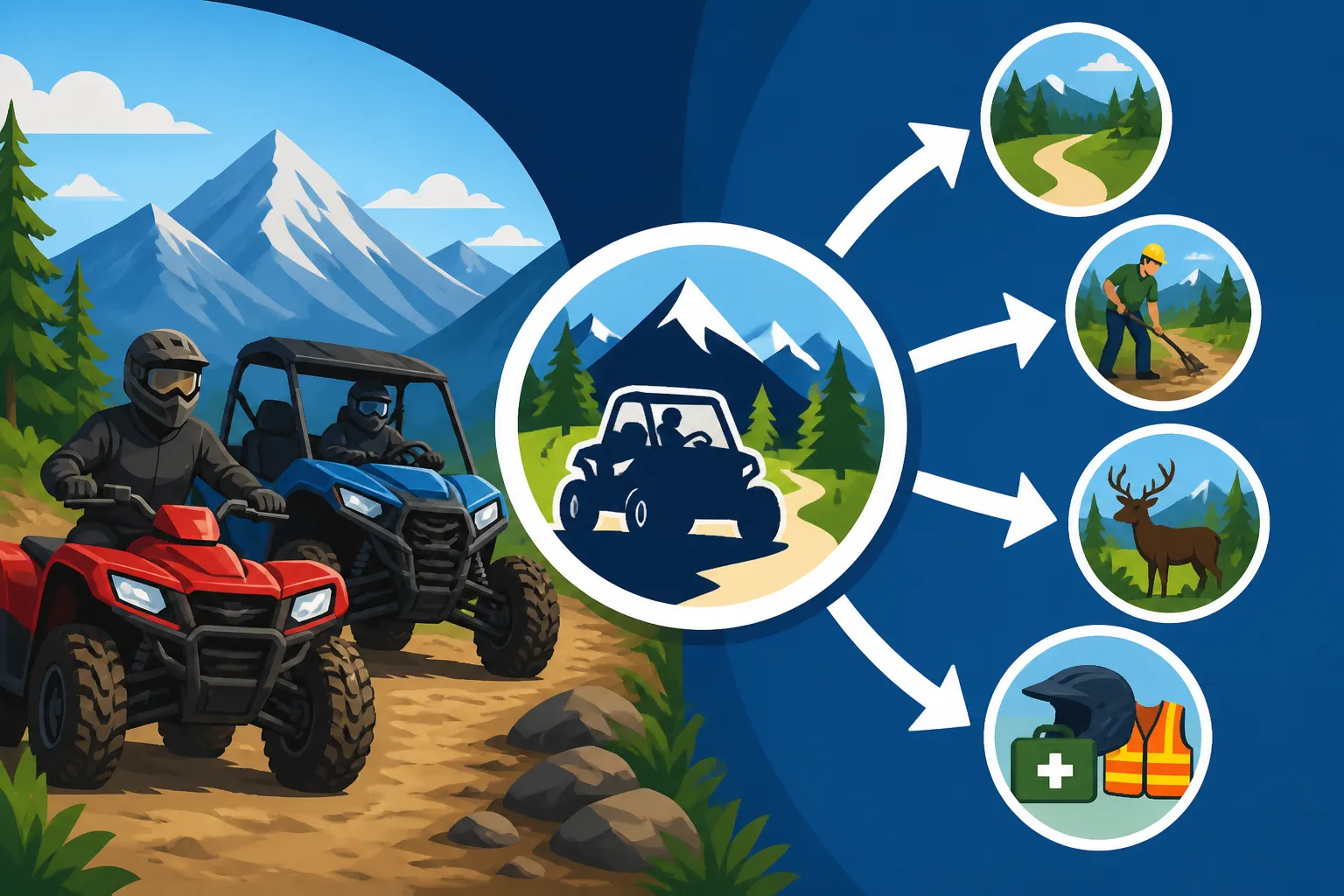
Here’s a simplified breakdown of where your Colorado OHV registration money generally goes:
| Category | Approximate Allocation (Conceptual) | Key Activities |
|---|---|---|
| Trail Maintenance & Development | 50-60% | Erosion control, surface repair, bridge/culvert work, new trail construction, staging area improvements. |
| Program Administration | 15-20% | Staffing, registration processing, grant program management, printing materials. |
| Enforcement & Safety Education | 10-15% | Ranger patrols, accident response, youth safety programs, educational materials, signage. |
| Environmental Stewardship | 5-10% | Habitat protection, rehabilitation of damaged areas, waste management, impact studies, long-term planning. |
| Other (e.g., equipment) | 5% | Purchasing and maintaining equipment for trail work, emergency response, and program operations. |
Please note: These percentages are conceptual and can fluctuate based on annual budgets, grant cycles, and specific project needs. They are illustrative of the general distribution.
Disclaimer
This article is for general informational purposes only and does not constitute professional advice. Laws, prices and regulations vary by location and change over time. Consult a qualified professional for guidance on your specific situation.