Scrapping a Machine That Will Not Run
So, you've got an ATV or UTV sitting in the corner of your garage, gathering dust, and it just won't fire up anymore. Maybe the engine seized, the frame's bent beyond repair, or it's just plain given up the ghost, and you're left wondering what on earth to do with this hulking metal paperweight taking up valuable space in your Colorado home. It’s a common frustration many off-highway vehicle (OHV) owners face when a beloved machine reaches the end of its functional life. You’re not alone in feeling a bit overwhelmed by a dead machine that seems to have no value, yet you know you can’t just toss it in the trash. This guide is here to walk you through the realistic, responsible, and often surprisingly beneficial options for disposing of a non-running off-highway vehicle, from proper scrapping to finding it a second life through parts, right here in the Centennial State.
What "Scrapping" an OHV Actually Means (Beyond the Junk Yard)
When we talk about "scrapping" an ATV or UTV, many people immediately picture hauling it to the nearest junkyard for a few bucks based on its weight. While that's certainly one form of scrapping, the reality for off-highway vehicles, especially in a state like Colorado with a thriving outdoor recreation culture, can be much more nuanced and potentially more rewarding. It's not always about just crushing the entire thing.
The True Definition of Scrapping for Powersports
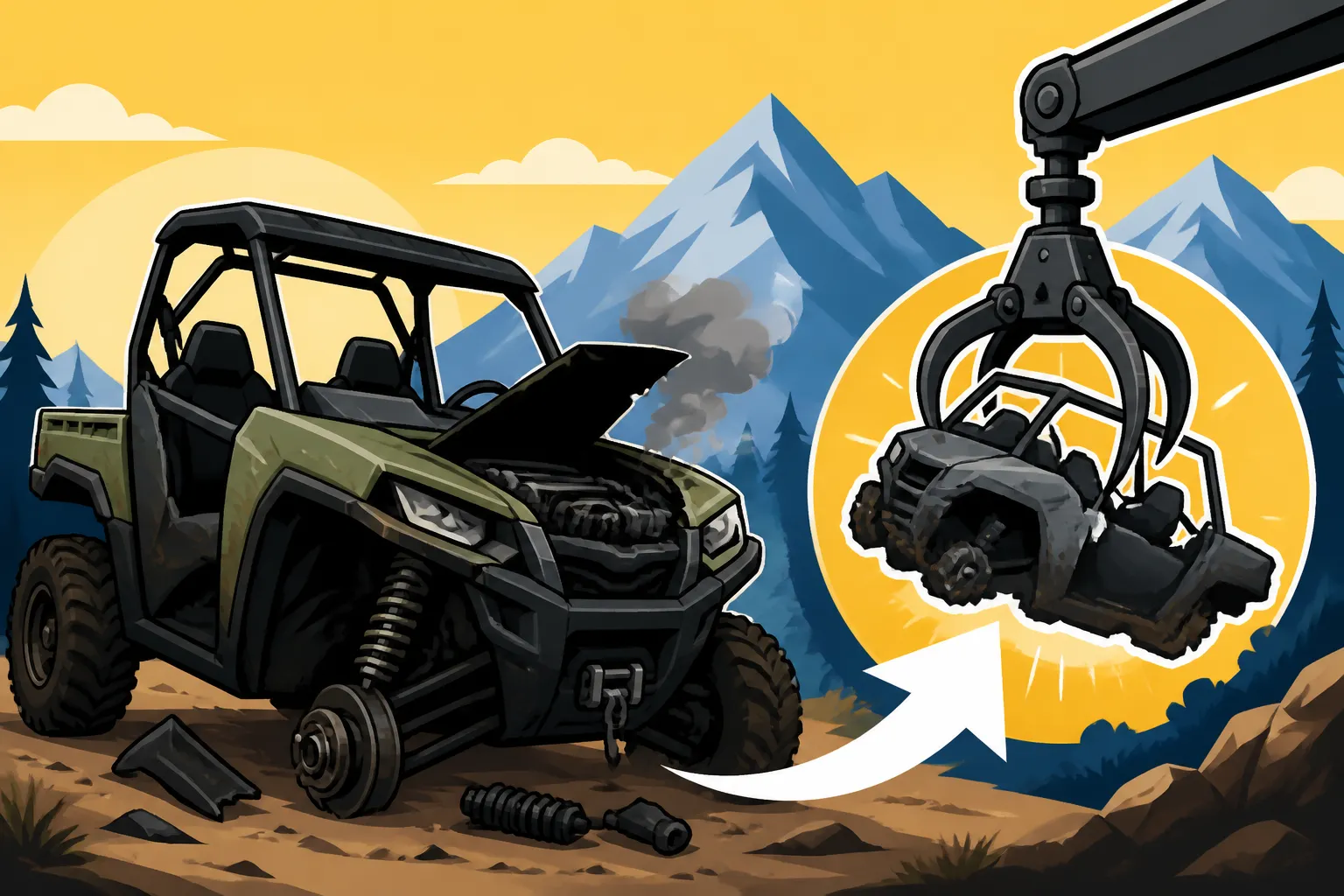
In the context of a non-running ATV or UTV, scrapping can encompass several pathways. The most direct approach is indeed taking the entire machine, or what’s left of it, to a metal recycler. These facilities are set up to process various metals, separate them, and prepare them for reuse. The value you get here is typically based on the current market price for scrap metal, which fluctuates, and the weight of your machine. It’s often not a huge payout, but it clears the space and ensures responsible metal recycling. This is usually the route taken when the machine is truly beyond repair, has little to no salvageable parts, or is just too much hassle to dismantle yourself.
However, "scrapping" can also mean strategically disassembling the machine to recover valuable components, which can then be sold individually. Think about it: even if the engine is shot, perhaps the tires are still good, the suspension components are intact, the plastics are salvageable, or the electrical system has working parts. This process, often called "parting out," is a form of scrapping in that you are taking the machine out of commission as a whole unit, but you are maximizing its remaining value. This takes more effort but can often yield a significantly higher return than selling it by the pound to a scrap yard.
Why Not Just Abandon It? The Environmental and Legal Angle
While it might be tempting to just push a defunct machine to the back of a rural property or let it slowly decay, this isn't just an eyesore; it's an environmental and legal hazard. ATVs and UTVs contain various fluids – oil, gasoline, coolant, battery acid – all of which can leak into the soil and groundwater, causing significant contamination. Furthermore, plastics and metals degrade, releasing harmful chemicals over time. Colorado, like most states, has regulations against the improper disposal of vehicles and hazardous waste. Leaving an OHV to rot can lead to fines, especially if it's on public land or becomes a nuisance on private property that impacts neighbors. [An Abandoned ATV on Colorado Property] discusses some of these issues in more detail.
Proper scrapping, whether through a certified metal recycler or by carefully parting it out, ensures that these materials are handled correctly. Fluids are drained and disposed of responsibly, metals are recycled, and any hazardous components, like batteries, are processed appropriately. It's not just about getting rid of your machine; it's about being a responsible owner and protecting Colorado’s beautiful environment.
Legal and Paperwork Considerations When Scrapping Your Colorado OHV
Just because your ATV or UTV won’t run doesn’t mean the paperwork magically disappears. Dealing with a non-running machine still involves specific legal and documentation steps in Colorado, especially if you want to avoid future headaches. These steps ensure that the machine is officially off your hands and that you won't be held responsible for it down the line.
What to Do with the Title and Registration
The core piece of paperwork for any OHV in Colorado is its title. This document proves ownership. Even if the machine is a rusted hulk, the title is crucial. If you're taking the entire machine to a scrap yard, they will typically require you to surrender the title, proving that you are the legal owner and have the right to dispose of it. Some scrap yards might also accept a detailed bill of sale if the title is truly lost or was never issued, but a clean title is always preferred. For specific guidance on how Colorado handles titles, you can refer to [Titling an Off-Highway Vehicle in Colorado].
If you plan to part out the machine, the title situation gets a bit more complex. You wouldn't surrender the title, as you're not selling the whole unit. However, you'd still retain the title as proof that you legally owned the machine from which the parts originated. This can be important if questions arise about the origin of parts you sell. You might even want to consult with a legal resource or utilize services like LawDepot to draft a comprehensive bill of sale for each major component you sell, detailing the part, the machine it came from (including VIN), and the terms of sale. This protects both you and the buyer.
What about registration? Colorado requires OHVs to be registered with Colorado Parks and Wildlife (CPW) if they are operated on public lands. If your machine is no longer running and won't be used, you simply let the registration expire. There's no formal process for "de-registering" a defunct OHV with CPW; once it's no longer operable, it effectively becomes unregistered when its annual sticker runs out. [Colorado OHV Title Versus CPW Registration] clarifies the distinction between these two important documents.
Dealing with Liens or Missing Paperwork
A common scenario that complicates scrapping is if there's a lien on the title. If you financed your ATV or UTV and haven't fully paid it off, the lienholder (usually a bank or credit union) still has a legal claim to the machine. You absolutely cannot scrap or part out a machine with an active lien without the lienholder's permission. Doing so could lead to legal trouble. You would need to contact the lienholder, explain the situation, and work with them to resolve the outstanding debt and get a [Lien Release After Paying Off a UTV]. Often, if the machine is truly worthless, they may require you to sell it for scrap and apply any small proceeds to the loan, or they may even repossess it to dispose of it themselves.
What if your paperwork is missing? Perhaps you've lost the title or never received one. For metal recyclers, this can be a hurdle. They need proof of ownership to prevent the scrapping of stolen vehicles. In such cases, you might need to apply for a duplicate title through the Colorado Department of Revenue. If a title was never issued, or if you're dealing with a very old machine where records are sparse, you might need a detailed bill of sale or other proof of ownership. Resources like LawDepot can assist you in creating a robust bill of sale if you’re selling components or need to prove ownership for a scrapper. For more on how a bill of sale can serve as proof, see [Using a Bill of Sale as Proof of Ownership]. If you've just misplaced your registration, [Replacing a Lost Colorado OHV Registration] offers guidance.
Before taking any action, it's always a good idea to run the VIN through theft records. This not only protects you from unknowingly possessing stolen property but also assures the scrap yard or parts buyer that the machine isn't flagged. [Checking a Used Machine Against Theft Records] explains how to do this.
Alternatives to Scrapping a Non-Running Colorado ATV or UTV
While hauling a dead machine to the scrap yard is an option, it's far from the only one. Depending on the condition of your ATV or UTV and your willingness to invest a little time, there are several alternatives that might offer a better return or a more environmentally friendly outcome in Colorado.
Parting Out for Cash
As mentioned, "parting out" your non-running machine can be a surprisingly lucrative option. Even if the engine is completely seized, think about everything else that makes up an ATV or UTV: wheels and tires, suspension components (shocks, A-arms), steering rack, plastic body panels, seats, lights, gauges, fuel tank, radiator, electrical components (stator, CDI, wiring harness), brake calipers, axles, and differentials. Many of these parts can be in good working order, or at least repairable, and are in high demand among other Colorado riders who need replacements for their own machines.
The process typically involves:
- Assessment: Go through your machine piece by piece and identify what's functional, repairable, or just visually appealing.
- Disassembly: Carefully remove the parts. This requires tools and some mechanical know-how, but there are countless online tutorials for specific makes and models.
- Documentation: Photograph each part clearly, note its condition, and keep track of what machine it came from. A detailed description is key for selling.
- Selling: List your parts on online marketplaces, powersports forums, or local classifieds. Be honest about condition and price competitively. For major components, consider using a formal document like a [Colorado ATV Bill of Sale Template] from a provider like LawDepot to ensure a clear transaction. [Parting Out an Old Quad for Cash] delves deeper into this process.
Donating for a Tax Break
Some charities or educational institutions might accept a non-running OHV, especially if it has valuable parts or can be used for training purposes (e.g., a vocational school teaching engine repair). While you won't get cash directly, you might be eligible for a tax deduction. It’s important to research any potential charity thoroughly to ensure they are legitimate and can indeed provide you with the necessary documentation for tax purposes. Always check with a tax professional regarding deductibility. The biggest hurdle here is finding an organization willing to take a non-running machine, as they often prefer working vehicles.
Selling as a "Project" or for Rebuild
Even if your machine won't run, it might still have value to someone looking for a winter project or a rebuild candidate. This is especially true for popular models where parts are readily available or for machines with a solid frame that can be the basis for a custom build. You would sell the entire machine "as-is, where-is" and clearly state that it is not running and needs significant work. Be completely transparent about the issues. Buyers for project machines are often looking for a bargain and understand they’re taking on a challenge. You’ll still need a clear title and a solid bill of sale, which you can easily generate using a service like LawDepot, outlining the non-running condition and no warranties implied. [Selling an ATV in Colorado Without Paperwork] covers some of the pitfalls of selling without proper documentation.
Consider the time investment versus the potential return for each of these options. Selling as a project is usually quicker than parting out but yields less. Donating is the easiest but depends on finding a recipient and offers a tax benefit rather than cash.
Finding a Reputable Scrapper or Parts Recycler in Colorado
Once you’ve decided on the best path for your non-running Colorado ATV or UTV, the next step is finding the right place or people to help you execute your plan. It’s not always as simple as searching "junk car near me," as powersports vehicles sometimes require specialized handling.
How to Locate Metal Recyclers
For those looking to simply scrap the entire machine for its metal content, general metal recycling facilities are your primary target. Start by searching online for "scrap metal Colorado," "vehicle recycling Colorado," or "auto salvage Colorado." Many auto salvage yards will accept ATVs and UTVs, as they deal with various types of vehicles. When you call, be sure to specify that it's an OHV (ATV/UTV), its approximate weight, and whether you have a clear title. They will quote you a price per pound, which can fluctuate with market prices for metals like steel, aluminum, and copper.
Here are some questions to ask a potential metal recycler:
- Do you accept ATVs/UTVs?
- What is your current price for scrap metal (per pound or ton)?
- Do I need to drain fluids (oil, gas, coolant) before bringing it in? (Many require this for environmental reasons).
- What documentation do you require (title, bill of sale, photo ID)?
- Do you offer pickup services, or do I need to haul it myself?
- How are hazardous materials (like batteries) handled?
Always get their requirements in writing if possible, or at least confirm over the phone, to avoid surprises when you arrive.
Connecting with Powersports Parts Buyers and Recyclers
If you've decided to part out your machine, your "recyclers" are other riders and powersports enthusiasts. This is where online communities become your best friend.
- Online Marketplaces: Websites like Craigslist, Facebook Marketplace, and eBay are excellent for listing individual parts. Group your listings regionally to target local Colorado buyers who might pick up items.
- Powersports Forums & Facebook Groups: Search for Colorado-specific ATV/UTV forums or Facebook groups. These communities are filled with enthusiasts who are often looking for specific parts for repairs or custom builds. You might even find someone interested in buying the entire non-running machine as a project.
- Local Powersports Shops: Some independent repair shops might be interested in buying specific components or even the whole machine for their own parts inventory. It's worth a phone call or a visit to inquire, especially if you have highly sought-after parts from popular models.
- Specialized Salvage Yards: Less common than general auto salvage, but some yards specialize in powersports. These are rare but worth looking for if you have a high-value machine that's mostly intact.
When selling parts, honesty is paramount. Clearly describe the condition of each item, include multiple photos, and be upfront about any defects. Using a simple bill of sale from a source like LawDepot for larger items not only protects you but also gives the buyer confidence in the transaction.
Responsible Disposal for Hazardous Waste
Regardless of whether you scrap the whole unit or part it out, you'll likely be dealing with fluids and potentially a battery. Colorado has specific guidelines for hazardous waste disposal. Many counties host household hazardous waste collection events or have permanent facilities where you can drop off used motor oil, antifreeze, and old batteries. Never pour these down a drain or onto the ground. Your local auto parts store will often accept used oil and old batteries for recycling, too. Checking with your county's waste management department website is the best way to find current resources for proper disposal.
Deciding what to do with a machine that won't run can feel like a chore, but by exploring these options, you can ensure your non-running ATV or UTV is disposed of responsibly, potentially recoup some costs, and contribute to the recycling efforts right here in Colorado.
Disclaimer
This article is for general informational purposes only and does not constitute professional advice. Laws, prices and regulations vary by location and change over time. Consult a qualified professional for guidance on your specific situation.