Parting Out an Old Quad for Cash
It’s a tale as old as the dusty Colorado trails we love: you’ve got an ATV or UTV sitting in the garage, but it’s seen better days. Maybe the engine blew, the frame's tweaked, or it just refuses to start, becoming more of a monument to past adventures than a functional machine. Trying to sell a non-running quad can feel like pulling teeth – buyers are wary, and offers are insultingly low. But what if you could turn that old heap into a decent chunk of change by selling off its components? This guide will walk you through the practical steps and important considerations for parting out your old quad for cash right here in Colorado, helping you salvage value from what might seem like a lost cause.
When Parting Out Makes More Sense Than Selling Whole in Colorado
Let's be honest, trying to sell a complete ATV or UTV that doesn't run, or needs major repairs, can be a real headache. You might feel a pang of guilt seeing it sit there, but sometimes, breaking it down into its constituent parts is the smartest financial move. It's about maximizing your return and avoiding the frustration of lowball offers.
The Economics of a Non-Runner
Imagine this scenario: your trusty side-by-side finally gives up the ghost after years of conquering Colorado's rugged terrain. The engine seized, and getting a new one, plus labor, is going to run you thousands – far more than the machine is worth on the used market, especially if it's an older model. Who wants to buy a "project" that needs a new heart for a price that reflects anything more than scrap value? Most potential buyers are looking for something they can ride now, or at least something with a clear, manageable repair list. They're not keen on taking on an expensive guessing game.
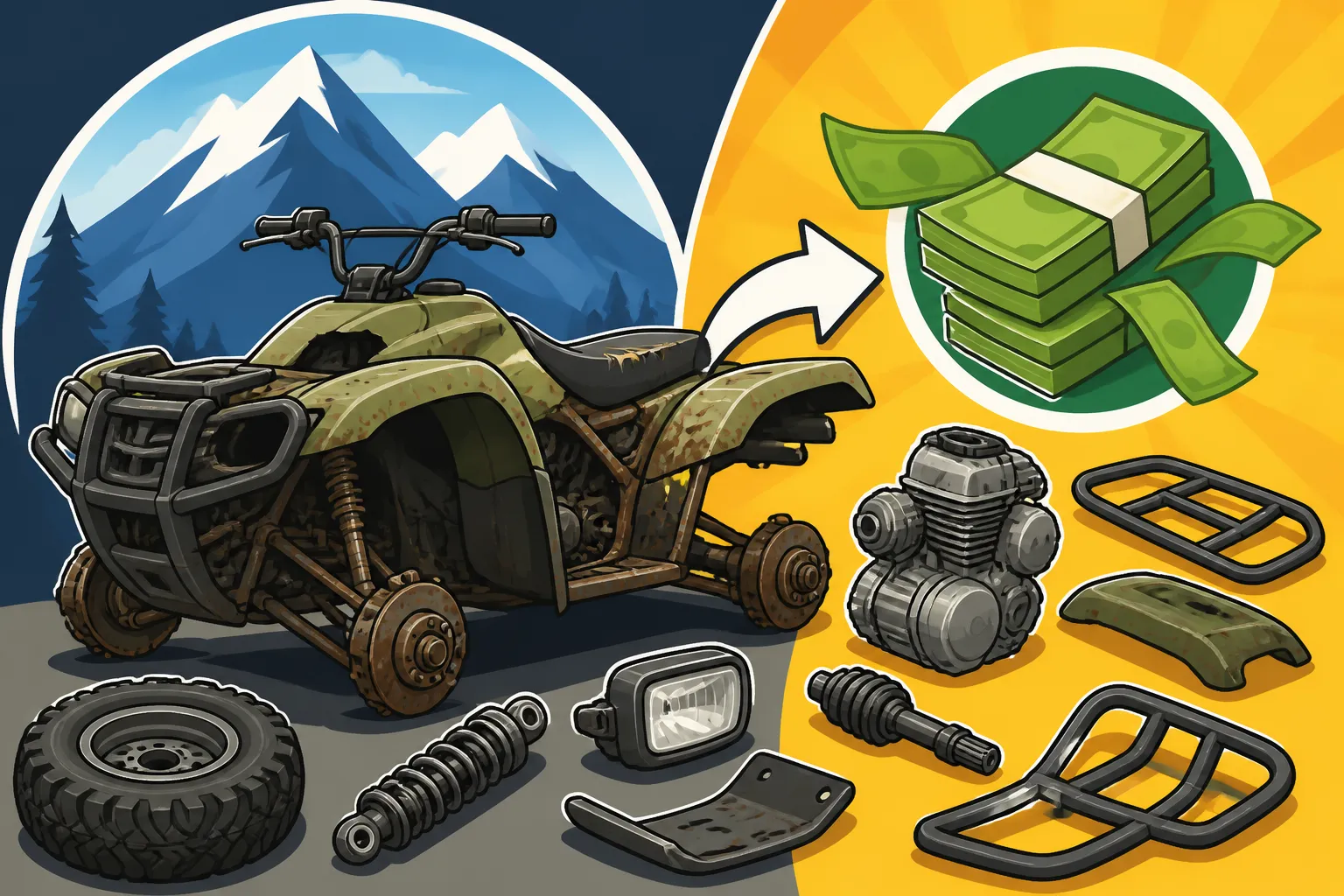
This is where parting out shines. While a whole non-running quad might fetch a few hundred dollars from a desperate tinkerer, its individual components – things like the perfectly good wheels and tires, the intact plastic fenders, the functional suspension, or even smaller items like the headlight assembly or seat – can each command their own price. The sum of these parts often far exceeds what you could get for the complete, defunct machine. It's a way to unlock hidden value, even if it requires a bit more effort on your end.
Assessing Your Quad's Value in Parts
Before you grab your wrenches and start tearing into your machine, it's a good idea to do a quick mental inventory. What parts are likely to be in high demand? What components are still in good condition? Common high-value items often include:
- Wheels and Tires: Especially if they're aftermarket or have good tread left.
- Plastics/Fenders: If they're unbroken and not overly faded.
- Suspension Components: Shocks, A-arms, tie rods – these can be expensive new.
- Electronics: CDI boxes, stators, voltage regulators, gauge clusters.
- Seats: If they're rip-free and comfortable.
- Major Engine Components: Even if the whole engine is toast, individual parts like the head, crank, or transmission components might be salvageable.
- Accessories: Winches, light bars, storage boxes, skid plates.
Even parts that might seem insignificant, like an airbox, radiator, or brake calipers, can add up quickly. Take a few minutes to browse online marketplaces like eBay or even local Colorado ATV/UTV Facebook groups. Search for similar parts from your machine's make, model, and year. This will give you a rough idea of what individual components are currently selling for, helping you decide if the effort of parting out is truly worth your time. You might be pleasantly surprised by the total potential value of your machine in pieces compared to its "as-is" whole condition.
The Step-by-Step Process of Dismantling Your ATV/UTV for Parts
Okay, you've decided to go for it! Parting out your quad can be a rewarding process, both financially and in terms of understanding your machine better. But it's not something to rush into without a plan. Proper preparation and a systematic approach will save you headaches down the road.
Safety First: Preparing Your Workspace and Tools
Before you even think about grabbing a wrench, prioritize safety. You’ll be working with a heavy machine, fluids, and potentially sharp edges.
- Find a Safe, Level Workspace: A garage or a paved, flat area is ideal. Avoid working on uneven ground where the machine could shift unexpectedly.
- Gather Your Safety Gear: Think sturdy work gloves, eye protection, and closed-toe shoes. Trust me, dropping a heavy component on your foot or getting a splash of old oil in your eye is no fun.
- Support the Machine Properly: If you plan on removing wheels or working underneath, use jack stands or a proper ATV lift. Never rely solely on a floor jack. Get the machine stable before you start disassembling anything.
- Drain Fluids: This is crucial. Before you start pulling major components, drain the fuel tank, engine oil, transmission fluid, and coolant. Have appropriate containers ready for disposal. Many local auto parts stores or recycling centers in Colorado accept used motor oil and other fluids. Don't just pour them down the drain – that's a big environmental no-no and can lead to hefty fines.
- Basic Tools: You’ll need a good set of metric and/or standard wrenches and sockets, screwdrivers, pliers, possibly an impact wrench for stubborn bolts, and a breaker bar. Having some penetrating oil on hand is also a good idea for those bolts that haven't moved in years.
A clean and organized workspace will make the process much smoother. Lay out a tarp or cardboard to catch any spills and keep small parts from getting lost.
Systematic Dismantling and Part Identification
Now for the fun part: taking things apart! Don't just rip and tear; approach this systematically.
- Document Everything: Before you remove a single bolt, take lots of photos from different angles. As you dismantle, keep taking photos. These aren't just for your own reference if you need to remember how something went together; they're also invaluable for potential buyers. They show the part in its original context and can help prove it fits their machine. If you ever found yourself working on a [Rebuilt or Salvage Machine], you'd know how important proper documentation is!
- Work From the Outside In: Generally, start with easily accessible components like plastics, seats, and tires. Then move to the engine, transmission, and suspension.
- Label, Label, Label: As you remove bolts, wires, and hoses, label them clearly with masking tape and a marker. Write down where they came from and what they connected to. This is especially helpful for electrical connectors or bolts that look similar but have different lengths.
- Keep Fasteners Organized: Use small containers, zip-top bags, or even an old egg carton to keep bolts, nuts, and washers organized by the component they belong to. Nothing is more frustrating than having a part ready to sell but realizing you’ve lost its mounting hardware.
- Identify Part Numbers: Many parts, especially larger components like engine cases, electronic modules, and brake calipers, have part numbers stamped or stickered on them. These numbers are gold for buyers trying to ensure compatibility. Look up diagrams for your specific model online (often available through powersports dealer websites or dedicated parts sites) to verify part numbers and to ensure you're correctly identifying what you have.
This systematic approach not only makes the process more efficient but also reduces the chance of damaging valuable parts during removal.
Cleaning, Inspecting, and Storing Parts
Once you've got a pile of parts, your work isn't over. Presentation and proper storage are key to successful sales.
- Clean Each Part: A clean part is a much more appealing part. Remove dirt, grime, and grease. Simple degreasers, soap and water, or specialized cleaners can work wonders. A little elbow grease here can significantly increase the perceived value and speed up a sale. Buyers want to see a part that looks well-maintained, not one caked in years of Colorado trail dust and mud.
- Inspect Thoroughly: Examine each part for damage beyond normal wear and tear. Look for cracks, bends, deep scratches, corrosion, or stripped threads. Be honest about its condition. If a part has a flaw, photograph it clearly and be prepared to disclose it in your listing. Trying to hide damage will only lead to disappointed buyers and potential returns.
- Categorize and Store: Group similar parts together. Use clear storage bins or sturdy boxes. Label the outside of the containers with what's inside (e.g., "08 Polaris RZR 800 Front Suspension" or "Honda Foreman 400 Plastics"). Store parts in a dry, safe place away from moisture and extreme temperatures to prevent rust, fading, or other deterioration. You wouldn't want those freshly cleaned parts to get damaged while they await their new owner!
Pricing, Photographing, and Listing Your Colorado ATV/UTV Parts
Now that you have a neatly organized collection of cleaned, inspected parts, it's time to get them ready for sale. This stage is all about making your parts look their best and reach the right audience.
Researching Market Value for Individual Components
Determining the right price for your parts is crucial. You want to be competitive but also get what they're worth.
- Online Marketplace Scavenging: Your best friends here are sites like eBay, Facebook Marketplace, and specific ATV/UTV forums. Search for the exact part numbers you’ve identified or for descriptions of similar parts (e.g., "2010 Yamaha Grizzly 700 A-arm"). Pay attention to what sold listings went for, not just what people are asking. This gives you a more realistic market value.
- Condition Matters: Factor in the condition of your part. A pristine, barely used headlight assembly will command a higher price than one with a cracked lens. Be realistic about any wear and tear.
- Rarity and Demand: Is the part a common item, or is it hard to find? Parts for older or less common machines might be harder to sell but could fetch a premium if a buyer is desperate. Conversely, highly sought-after parts, even for common models, will move quickly. Don't be afraid to price slightly higher on rare items and be flexible for negotiation.
- New vs. Used Cost: Always keep in mind the cost of a brand-new equivalent part. Your used part should be significantly less expensive than new, unless it's an exceptionally rare or discontinued item. Generally, aim for 30-70% of the new price, depending on condition and demand.
Taking Quality Photos and Writing Detailed Descriptions
This is where you make your parts shine! Good listings attract buyers.
- Excellent Photography is Non-Negotiable:
- Good Lighting: Natural light is your best friend. Take photos outdoors on a bright but overcast day, or near a large window. Avoid harsh shadows or direct sunlight that creates glare.
- Clean Background: Use a plain, uncluttered background that doesn't distract from the part. A solid color sheet, a clean workbench, or a simple floor can work.
- Multiple Angles: Take several photos from different perspectives. Show the entire part, close-ups of specific features, and any identifying marks or part numbers.
- Highlight Flaws (Honestly): If there’s a scratch, ding, or repair, photograph it clearly. Transparency builds trust with buyers.
- Scale Reference: For smaller items, include a common object like a ruler or a coin to give buyers a sense of scale.
- Detailed and Accurate Descriptions:
- Model/Year Compatibility: Clearly state the make, model, and specific years your part is compatible with. Don't make buyers guess. Use the part numbers you found!
- Condition: Describe the condition honestly. Use terms like "excellent used condition," "minor cosmetic wear," or "fully functional but with a small crack (see photos)."
- Key Features: Mention any unique features or benefits. For example, if it's an aftermarket suspension component, highlight that.
- Part Numbers: List all relevant part numbers you found. This is critical for buyers to cross-reference.
- Reason for Selling (Optional but helpful): You can briefly mention, "Removed from a machine with a blown engine," which reassures buyers the part wasn't pulled from a wreck.
A well-photographed and detailed listing dramatically increases your chances of a quick sale and reduces back-and-forth questions.
Choosing the Right Platforms for Selling Parts in Colorado
Knowing where to list your parts is just as important as how you list them.
- Local Colorado Options:
- Facebook Marketplace: This is a goldmine for local sales. Join various Colorado ATV/UTV groups, as well as general buy/sell/trade groups for your area (e.g., "Northern Colorado ATV Enthusiasts," "Grand Junction Powersports Buy/Sell"). Buyers can easily pick up, saving you shipping hassle.
- Craigslist: Still a viable option for local sales, though you might get more tire-kickers. Be prepared for communication via email or text.
- Local Forums/Clubs: If you're part of an ATV/UTV club in Colorado, they often have forums or social media groups where members buy, sell, and trade parts. This is a great way to connect with knowledgeable buyers who appreciate specific parts.
- Online Marketplaces (Wider Reach):
- eBay: The undisputed king for selling individual parts. You'll reach a national (or even international) audience. Be prepared to deal with shipping, packing, and associated fees.
- Dedicated Powersports Parts Sites: Some online retailers also have marketplaces or classified sections.
- Specialized Forums: Many online forums for specific brands (e.g., Polaris RZR forum, Can-Am Maverick forum) have classified sections where you can list parts directly to enthusiasts who know exactly what they're looking for.
Shipping Considerations: For online sales, carefully consider shipping costs. For larger, heavier items, this can be substantial and might deter buyers. Use a shipping calculator to estimate costs and factor them into your pricing or offer local pickup as an alternative. Packaging fragile items carefully is also essential to prevent damage in transit.
Navigating Paperwork and Legalities in Colorado When Parting Out
While selling individual parts is generally less complicated than selling an entire machine, there are still a few important legal and administrative points to consider, especially concerning the machine's VIN and your original proof of ownership in Colorado.
What to Do with the VIN and Frame
This is perhaps the most critical legal aspect when parting out an OHV. The Vehicle Identification Number (VIN) is permanently stamped onto the frame of your ATV or UTV. In Colorado, just like with cars, the VIN is what identifies the machine.
You cannot sell the frame with the VIN intact to another individual as a stand-alone item without properly transferring the title, as it's still considered the core of the vehicle. If your machine had a title through the Colorado Department of Revenue (DOR), that title is intrinsically linked to that VIN and frame. If your machine was only registered with Colorado Parks and Wildlife (CPW) and didn't have a title because of its age or type, the VIN is still the identifier that CPW uses for registration purposes. To fully remove the machine from any official records:
- Scrap the Frame: If the frame is damaged or you simply want to dispose of it, the most straightforward approach is to take it to a metal recycling facility. They will typically require you to remove the VIN tag (if it's a separate plate) and may ask for proof of ownership to ensure it's not stolen. Once the frame is scrapped, the VIN essentially goes with it, and the machine is permanently removed from circulation. This is often the simplest path if the frame is not salvageable or desirable as a part. We've talked about [Scrapping a Machine That Will Not Run] in more detail before, and the core principles apply here.
- No Frame Sale: Do NOT sell just the bare frame with the VIN to another private party without consulting the Colorado DMV about proper title transfer procedures, as this could create legal headaches for both you and the buyer. It's often easier and safer to simply scrap it.
- Inform Authorities (Optional but Recommended): If you are completely dismantling and scrapping the frame, it's a good idea to inform the Colorado Department of Revenue (for titled vehicles) or Colorado Parks and Wildlife (for registered-only vehicles) that the VIN is no longer associated with a complete, operational machine. This helps prevent any future issues or questions about its status.
Proof of Ownership for Individual Parts
When you sell individual parts, you generally won't need to provide a separate "title" or "bill of sale" for each fender or carburetor. However, it is crucial that you have clear proof of ownership for the original complete machine from which the parts came.
- Original Title or Bill of Sale: The bill of sale or the vehicle title from when you originally purchased the ATV or UTV serves as your proof of ownership for all its components. If you ever purchased a used ATV in Colorado, you'd know how important a clear paper trail is. This documentation proves that the machine (and thus its parts) legitimately belongs to you, protecting you against any claims that the parts were stolen.
- Why it Matters: While unlikely for a single brake lever, if you're selling high-value components like an entire engine block (even a non-running one), a transmission, or a complete suspension system, a buyer might ask for assurance of legitimate ownership. Having your original title or a [Colorado ATV Bill of Sale Template] from your purchase on hand to show them (without giving them copies unless absolutely necessary) can build trust and prevent suspicion. Companies like LawDepot offer templates that can help you understand what a valid bill of sale should look like, ensuring your original purchase documentation was sound.
- What to Keep: Keep your original proof of ownership in a safe place, even after you’ve parted out the machine. It’s always better to be over-prepared when it comes to vehicle documentation.
Sales Tax Implications for Part Sales
When you're selling individual used parts as a private individual in Colorado, the sales tax implications are generally minimal, but it's good to understand the basics.
- Private Party Sales: In Colorado, private individuals generally aren't required to collect sales tax on the occasional sale of used personal property, like ATV parts. This differs significantly from a licensed dealer who would collect and remit sales tax on every transaction.
- Hobby vs. Business: If you're simply parting out your own old quad, this is typically considered a private, occasional sale. However, if you were to regularly buy non-running machines, part them out, and sell the components as a consistent business venture, you would likely need to register as a business and collect sales tax. For the scope of selling your single old quad, this isn't typically a concern.
- Buyer's Responsibility: In most private sales, the responsibility for any applicable use tax would fall to the buyer if they were bringing the item into Colorado from out-of-state, for example, but for used parts from within Colorado, this is rarely an issue.
- Disclaimer: This isn't professional tax advice, of course. For any significant concerns or if you are engaging in frequent sales, it's always wise to consult with a tax professional in Colorado. But for your average, one-off parting out project, it's usually a straightforward process without sales tax complications.
Here's a quick summary of typical part values:
| Component Category | Typical Condition | Estimated Price Range (Each) | Notes |
|---|---|---|---|
| Wheels & Tires (Set of 4) | Good Tread/Minor Scuffs | $200 – $600 | Varies by brand, size, and remaining tread. |
| A-Arms (Set) | Straight/Minor Scratches | $80 – $250 | Front sets typically higher value. |
| Shocks (Each) | No Leaks/Good Rebound | $50 – $200 | Depends on make/model, aftermarket often higher. |
| Plastics/Fenders (Piece) | Uncracked/Faded | $30 – $150 | Front, rear, and side panels vary; often sold individually. |
| Seat | No Rips/Minor Wear | $70 – $180 | Comfort and appearance are key. |
| Headlight Assembly | Functional/Clear Lens | $40 – $120 | LED upgrades command more. |
| CDI Box/ECU | Functional | $100 – $300 | Crucial electronic, high demand for certain models. |
| Radiator | No Leaks/Minor Fin Damage | $60 – $150 | Essential cooling component. |
| Brake Calipers (Each) | Functional/No Leaks | $30 – $80 | Easy to ship, common wear item. |
Disclaimer: These are rough estimates and actual prices will vary greatly based on the specific ATV/UTV make, model, year, part condition, rarity, and market demand at the time of sale. Always do your own market research.
Disclaimer
This article is for general informational purposes only and does not constitute professional advice. Laws, prices and regulations vary by location and change over time. Consult a qualified professional for guidance on your specific situation.