Meeting a Colorado Seller Somewhere Safe
When you're eager to snap up that perfect used ATV or UTV you found online, it's easy to get swept up in the excitement. But let's be real: meeting a private seller, especially for a high-value item like an off-highway vehicle, can feel a little… sketch. You're bringing cash or arranging a wire transfer, you're looking at someone else's machine, and you want to ensure everyone's safe and the transaction is legitimate. This guide is all about navigating that crucial meeting, focusing on how to choose and utilize safe, public locations in Colorado to protect yourself, your money, and your future adventures.
Prioritizing Your Safety: Why Public Meeting Spots Are Essential
I've heard too many stories over the years about private sales going sideways. From misunderstandings about the machine's condition to outright scams, buying a used ATV or UTV involves a certain level of trust, and unfortunately, not everyone out there has your best interests at heart. When you're dealing with something as significant as a side-by-side or a quad, you're talking about a substantial investment, and that makes you a target if you're not careful. This isn't about being paranoid; it's about being prepared and proactive.
The Risks of Private Property Meetings
Imagine this: you've driven an hour to a remote address, only to find the "seller" isn't quite what they seemed. Maybe the machine isn't there, or the price suddenly changes, or you just get a bad vibe. In a private setting, especially at someone's home or a secluded spot, you're isolated. There are no witnesses, no security cameras, and potentially no easy escape if things go south. You're vulnerable, and that's a position no buyer or seller wants to be in. Fraud, theft, or even physical harm are rare, but the possibility exists, and taking simple precautions eliminates much of that risk. It's not just about protecting your wallet; it's about protecting your well-being.
Moreover, if there's a dispute later about the condition of the ATV or the legality of the sale, a meeting in a private, unobserved location leaves little to no record of what transpired. You might have walked onto a seller's property, and suddenly you're dealing with a machine that isn't as described, or worse, has a stolen VIN. Without third-party observation or a clear, recorded environment, it becomes a "he-said, she-said" situation, which is a headache you absolutely want to avoid. Always remember that when you're buying a used machine, there's a lot of [Buying a Used ATV in Colorado: The Paperwork] involved, and ensuring that paperwork is legitimate starts with a legitimate interaction.
Peace of Mind: The Psychological Benefits of a Public Venue
Beyond the very real safety concerns, meeting in a public spot just feels better, doesn't it? As a buyer, you can approach the transaction with confidence, knowing you're in a visible, often monitored area. This reduces anxiety and allows you to focus on the important details: inspecting the ATV, checking the title, and discussing the sale terms. It sets a professional tone for the transaction from the start.
For the seller, a public meeting offers similar benefits. They know they're not inviting a stranger into their home or revealing personal information about where they live. This mutual understanding of safety fosters a more relaxed and honest negotiation environment. When both parties feel secure, they're more likely to engage in open communication and a fair exchange. It's about creating an atmosphere where trust can be built, rather than assumed. This peace of mind is invaluable and makes the entire process of acquiring your next Colorado OHV much more enjoyable.
Selecting the Best Safe Meeting Spot for an ATV or UTV Sale
Now that we're clear on why public is paramount, let's talk about where. Not all public places are created equal when it comes to a private OHV sale. You need a location that offers visibility, security, and enough space to inspect the machine properly. Think about logistics: you'll likely be arriving with a truck and a trailer to haul away your new toy, or at least a vehicle capable of getting the machine home. So, parking, accessibility, and general activity levels are all factors to consider.
Police Station Parking Lots: The Ultimate Safe Zone
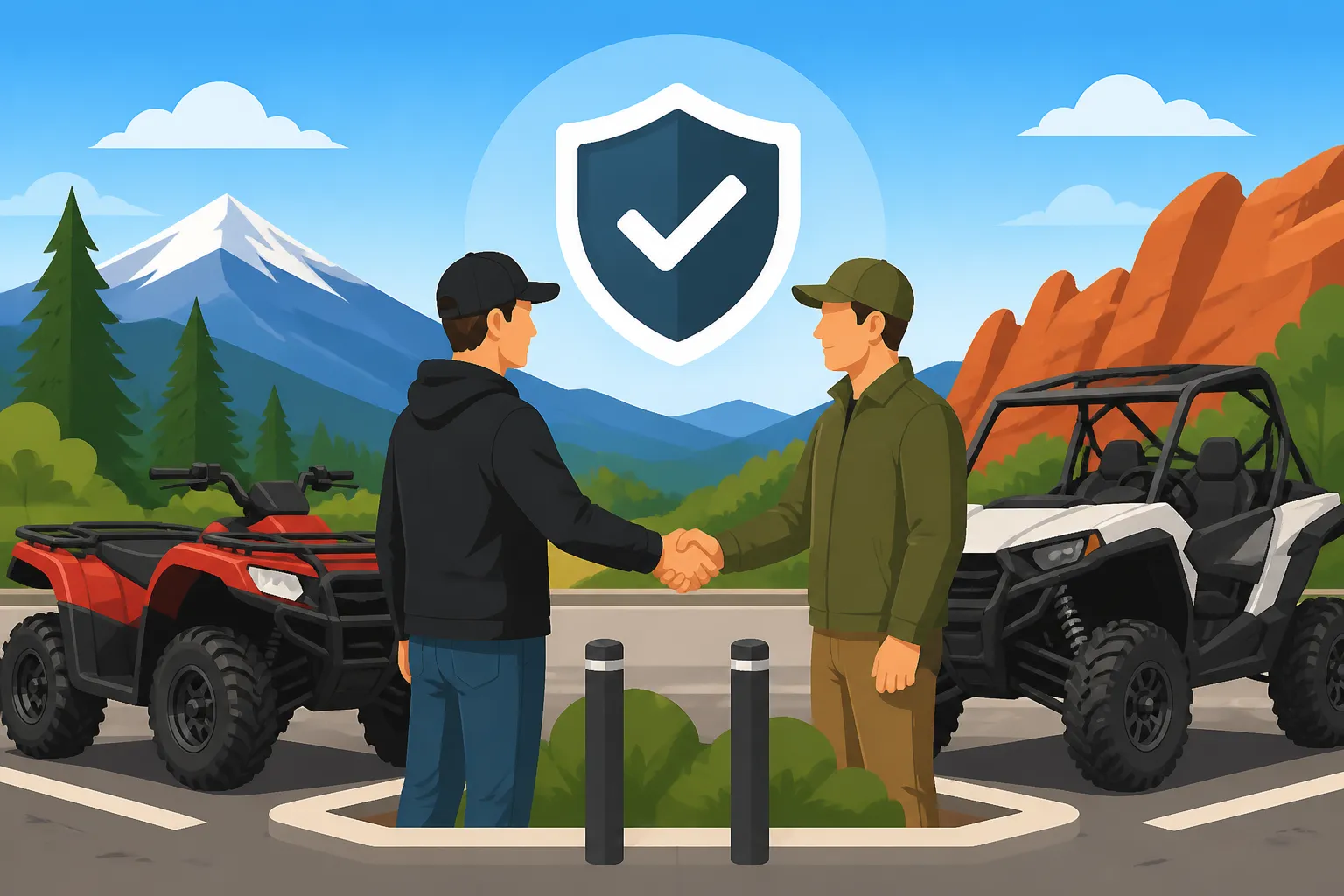
This is often my top recommendation for high-value private sales, and for good reason. Many police departments in Colorado, from Denver to smaller mountain towns, offer designated "Safe Exchange Zones" or simply encourage using their parking lots for private transactions. These areas are typically well-lit, under constant surveillance, and often have cameras recording 24/7. Just the presence of the police station itself acts as a massive deterrent to anyone with ill intentions.
Calling ahead to your local Colorado Springs, Grand Junction, or Durango police department's non-emergency line to ask if they have a designated spot or if using their lot for an ATV sale is permissible is always a smart move. Even if there isn't a specific zone, the general parking lot usually suffices. Imagine trying to pull a scam or a sketchy deal right outside the sheriff's office in Lake City – it's practically impossible! You'll have plenty of space for both the seller's vehicle and your own, making the inspection process much easier.
Banks and Credit Unions: Security and Transaction Convenience
Another excellent option is the parking lot of a bank or credit union. Not only do these establishments typically have robust security measures, including cameras and security personnel, but they also offer a huge advantage for the financial part of the transaction. You can complete the sale and immediately go inside to finalize payment, whether that's withdrawing cash, getting a cashier's check, or initiating a wire transfer. This eliminates the risk of carrying large sums of cash or dealing with questionable payment methods in a less secure environment.
While they might not have as much open space as a police station lot, most bank parking lots can accommodate a truck and trailer, especially during non-peak hours. It’s a fantastic middle ground for security and convenience. When you're ready to fill out that [ATV Bill of Sale Wording That Holds Up], doing it right outside a financial institution adds another layer of legitimacy and assurance for both parties. Remember, many bank locations have drive-thru lanes with cameras, offering extra surveillance even if you stay outside.
Busy Retail Centers: High Visibility and Witnesses
Large shopping center parking lots, particularly those near a major retailer like Walmart, Home Depot, or even a local grocery store, can also serve as safe meeting spots. The key here is busyness and visibility. The constant flow of people and vehicles means there are always potential witnesses, and surveillance cameras are usually abundant. While not as overtly secure as a police station, the sheer volume of activity makes it less appealing for someone trying to pull a fast one.
Look for a spot that isn't too crowded, but also not isolated. The far end of the parking lot, away from the main entrance but still visible, often works well. You'll have enough room to park both vehicles, unload the ATV, and give it a good once-over. This can be a good choice if the machine needs to be test-started (if allowed in the lot, with minimal noise and extreme caution) or if you want to verify the VIN in daylight. Just be mindful of local noise ordinances and traffic flow; you don't want to create a disturbance while inspecting your potential new [Titling an Off-Highway Vehicle in Colorado].
Dealerships or Powersports Stores: A Neutral, Expert Environment
Consider meeting at the parking lot of a local ATV or powersports dealership. This option offers a unique benefit: you're in an environment where people understand these machines. While the dealership isn't directly involved in your private sale, their presence offers a layer of expertise and perceived legitimacy. Sometimes, for a small fee, they might even offer to do a quick pre-purchase inspection right there, giving you invaluable peace of mind before you hand over any money. This is particularly useful if you're not an expert yourself and want another set of eyes on the machine.
Even if you don't use their inspection services, meeting at a dealership provides a very neutral, visible, and generally secure location. They often have large parking lots designed for trucks and trailers, making the logistics of showing and loading an ATV or UTV much simpler. It’s also a great spot to run a quick [Checking a Used Machine Against Theft Records] if the seller is cooperative, as the staff might be able to offer a quick glance at the VIN to ensure it looks legitimate. Just ensure you're not blocking their customer parking or creating a nuisance.
Before You Meet: Key Preparations for a Secure Transaction
Even with the perfect safe meeting spot, proper preparation is your best friend. A little planning goes a long way in ensuring the meeting itself is efficient, safe, and productive. This includes communication with the seller, gathering necessary information, and even bringing a trusted friend along.
Communicating Expectations with the Seller
Open and clear communication before the meeting is crucial. When you first discuss the ATV or UTV with the seller, establish that you prefer to meet in a public, well-lit place. Most legitimate sellers will understand and appreciate this concern for safety. If a seller insists on meeting at a private residence or a secluded location, consider that a red flag. It’s perfectly okay to walk away from a deal if you feel uncomfortable. Confirm the exact time and location, and make sure both parties agree on what will happen during the meeting (e.g., inspection, brief test start, paperwork review).
It's also a good idea to confirm that the seller will bring all necessary documents: the title (if applicable, as not all OHVs are titled in Colorado, but most are), a valid photo ID that matches the name on the title, and a signed [Colorado ATV Bill of Sale Template]. You can mention that you plan to bring your own bill of sale to be completed, perhaps one from a reputable source like LawDepot, to ensure all necessary details are included. This conversation helps set expectations for a professional transaction and ensures no surprises when you arrive.
Paperwork and Pre-Checks: Protecting Your Investment
Before you even leave your driveway, do your homework on the machine. Ask the seller for the Vehicle Identification Number (VIN) in advance. This allows you to perform a VIN check through services that can reveal if the ATV has been reported stolen, has a salvage title, or has a lien against it. Don't rely solely on the seller's word; verify it yourself. This simple step can save you immense heartache and financial loss down the road. You can learn more about [Running a Serial Number Before You Buy] to protect yourself.
Prepare your own documents as well. Have a blank bill of sale form ready, especially if the seller doesn't provide one, or if you want to ensure it contains all the necessary legal protections. Resources like LawDepot offer customizable bill of sale templates that can be tailored for a Colorado ATV or UTV sale, covering details like the machine's condition, sale price, and transfer of ownership. Also, arrange your payment method beforehand – whether it’s cash from your bank, a pre-arranged cashier’s check, or a confirmed bank transfer. Carrying too much cash or showing up unprepared can add unnecessary stress or risk.
Bringing Support: The Buddy System for Big Purchases
Never go alone to meet a private seller for an ATV or UTV. Bring a trusted friend, family member, or even two. There's safety in numbers, and a second pair of eyes can be incredibly helpful. Your companion can serve as a witness, help inspect the machine, offer an objective opinion, or simply be there for moral support. They can also keep an eye on your surroundings while you're focused on the machine or the paperwork.
If bringing someone isn't an option, at least make sure someone knows exactly where you are going, who you are meeting, and when you expect to return. Share the seller's name, phone number, and any details about the ATV or UTV that you have. Text a picture of the machine and the meeting spot to your contact once you arrive. In today's connected world, a quick phone call or text can make all the difference in ensuring your safety.
Making the Exchange: What to Do During and After the Safe Meeting
You've picked a safe spot, communicated with the seller, and done your pre-checks. Now, it's game time. The actual meeting is where you finalize everything, and a systematic approach will help ensure nothing is missed.
Inspection and Verification on Site
When you arrive at the designated public meeting spot, the first thing to do is a thorough inspection of the ATV or UTV. Take your time. Don't feel rushed. Start by verifying the VIN on the machine matches the VIN on the title or proof of ownership document the seller provides. Compare it to the VIN you checked earlier. Look for any signs of tampering or alteration. This is a critical step in preventing the purchase of a stolen vehicle or one with a problematic history.
Beyond the VIN, give the machine a complete physical inspection. Check for obvious damage, leaks, rust, or worn components. Ask the seller to start the machine (if appropriate for the location and agreed upon) and listen for any unusual noises. Test the brakes, lights, and any other features. If you're unsure what to look for, consider researching [Questions Buyers Forget to Ask a Seller] beforehand. Your buddy can help spot things you might miss. This is your chance to confirm the machine's condition aligns with the seller's description.
| Inspection Checklist Item | What to Look For | Why It Matters |
|---|---|---|
| VIN Match | Matches title/proof of ownership, no tampering | Legal ownership, theft prevention |
| Engine & Fluids | No obvious leaks, unusual noises, proper oil level | Performance, avoids costly repairs |
| Tires & Wheels | Even wear, no cracks, proper inflation | Safety, handling, future costs |
| Brakes | Responsive, no grinding, fluid levels | Critical safety feature |
| Suspension | No broken springs, leaks in shocks | Ride comfort, handling, potential damage |
| Frame | No cracks, bends, or signs of major repair/welds | Structural integrity, safety |
| Lights & Electrical | All lights work, no frayed wires, battery condition | Safety, compliance, operational reliability |
| Controls | Throttle, steering, gear shift smooth and responsive | User experience, safety |
| Title/Paperwork | Matches seller ID, clear lien status | Proof of ownership, future registration |
Handling Payment Securely
Once you're satisfied with the inspection and ready to proceed, it's time for payment. If you're using cash, being at a bank or credit union parking lot is ideal, as you can go inside immediately to withdraw the funds if you haven't brought them already, or deposit the money for the seller right there. If you're using a cashier's check, ensure you obtain it from your bank before the meeting, and ideally, verify its legitimacy with the seller's bank if they are willing to do so. Never accept a personal check for a private sale of this value. For larger sums, an electronic bank transfer can be arranged, often with both parties present at their respective banks or using a secure mobile banking app.
Always get a receipt or clearly document the payment on your [Wording a Colorado ATV Sale Agreement]. This creates a paper trail and protects both parties. Make sure the total amount, method of payment, and date are clearly stated and signed by both buyer and seller. This step is just as important as the physical exchange of the machine itself.
Completing the Paperwork: Bill of Sale and Title Transfer
The final, and arguably most important, part of the meeting is completing the paperwork. In Colorado, while not all OHVs require a title, many do, and proving ownership is essential for [Colorado OHV Registration After a Private Sale]. Ensure the seller signs over the title if one is issued, and that their signature is legible and matches their ID. If the machine was purchased new after a certain date, it likely has a title through the Department of Revenue. For older machines, a comprehensive bill of sale is often the primary proof of ownership.
Use a detailed bill of sale, like one you can easily get from LawDepot, that includes:
- The full names and addresses of both buyer and seller.
- The make, model, year, and VIN of the ATV or UTV.
- The purchase price and date of sale.
- A statement that the machine is sold "as-is" (important for sellers) and that the buyer acknowledges its condition.
- Signatures of both parties.
- Consider having the bill of sale notarized, especially if you're concerned about proving legitimacy later on, or if the seller's signature on the title looks questionable. It's not always required in Colorado, but [Does a Colorado Bill of Sale Need Notarizing?] can provide an extra layer of protection. This document, along with a properly transferred title, will be crucial when you head to the Colorado Parks and Wildlife office for registration or the DMV for titling. Make sure you leave the meeting with both of these in hand, complete and signed.
This article is for general informational purposes only and does not constitute professional advice. Laws, prices and regulations vary by location and change over time. Consult a qualified professional for guidance on your specific situation.