Keeping an ATV at a Colorado Mountain Cabin
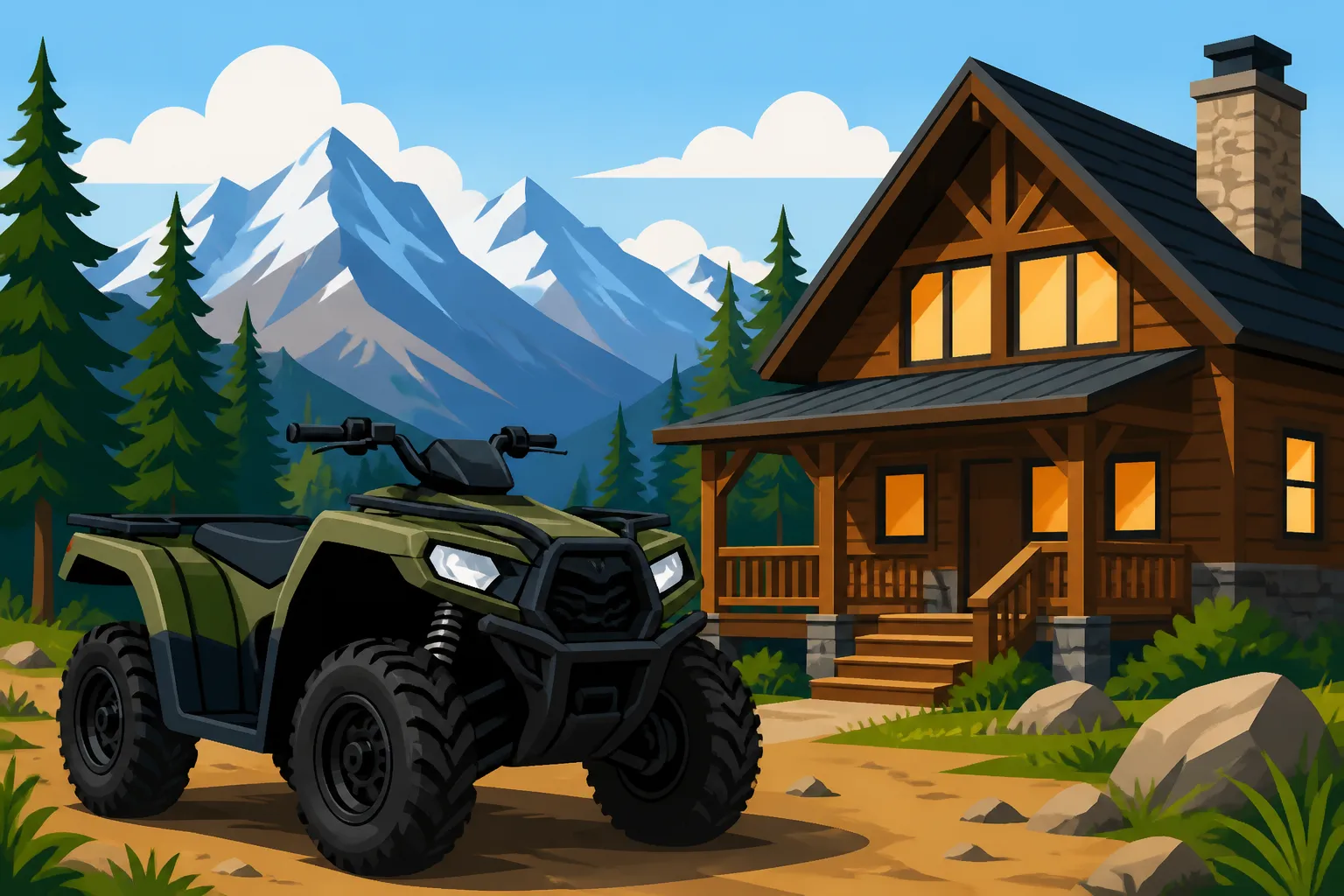
Having a mountain cabin in Colorado is a dream for many, a true escape to the high country. And what better way to explore those rugged trails and stunning vistas than with your trusty ATV or UTV right there, ready to roll? But holding onto a machine at a remote cabin brings up a lot of questions about registration, storage, and making sure you're doing everything by the book. This guide will walk you through the specifics of keeping an off-highway vehicle at your Colorado mountain retreat, making sure your adventures are as hassle-free as possible.
Understanding Colorado OHV Registration for Cabin Owners
When you keep an ATV or UTV at your mountain cabin, one of the first things that comes to mind is often registration. It can feel a bit confusing, especially if your cabin is nestled deep in private land, or if you only visit a few times a year. Colorado has specific rules, and understanding them is key to avoiding an unexpected citation while you're trying to enjoy your getaway.
When Your Cabin is on Private Land
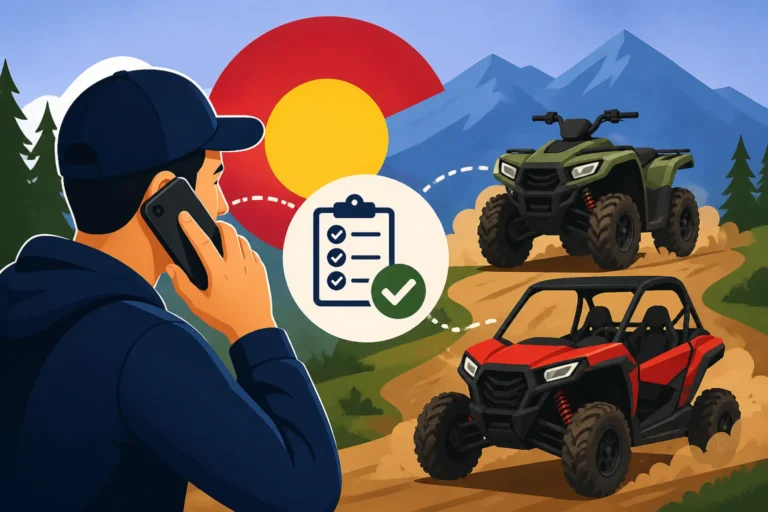
If your Colorado mountain cabin sits on a large tract of private land, and your OHV rarely, if ever, touches a public trail, road, or designated riding area, you might wonder if you even need to bother with registration. The general rule of thumb in Colorado is that if an OHV is only operated on private land owned by the machine's owner, it does not require a Colorado Parks and Wildlife (CPW) registration sticker. This applies whether you're just puttering around your property, using it for maintenance, or simply enjoying your own personal trails.
However, this exemption comes with a big caveat. The moment your OHV leaves your private property and enters any public land—be it a Forest Service road, a BLM trail, or even crosses a county road to get to another section of your property—it must be registered. It's easy to accidentally slip onto public access points, even when you believe you're staying entirely private. Many mountain properties border national forests or public access easements, so always be absolutely certain of your property lines and planned routes. For more detailed information, check out [Colorado OHV Registration for Machines Kept on Private Land].
Registering for Public Land Access from Your Cabin
For most of us with mountain cabins, the appeal of an OHV is to access the incredible public trails Colorado offers. If you plan to ride those breathtaking passes near Lake City, explore the Grand Mesa, or tackle the trails around Taylor Park, your machine absolutely needs a current Colorado OHV registration. This applies even if the machine primarily stays at your cabin and is only trailered a short distance or ridden from your property directly onto a legal access point.
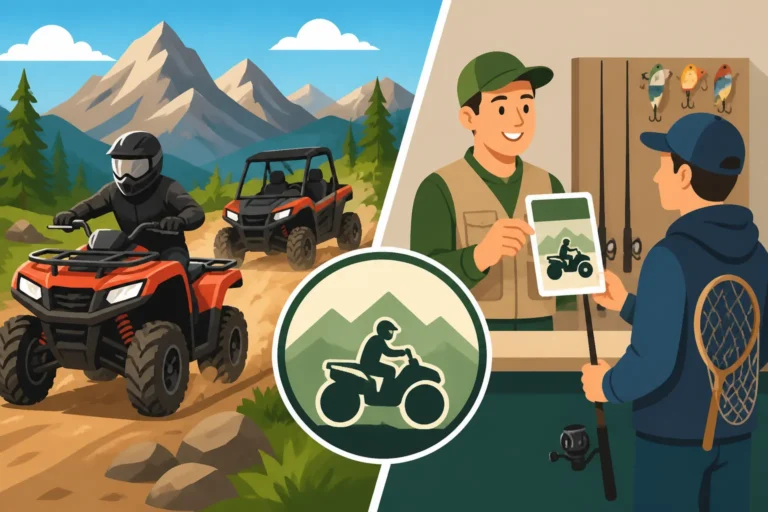
The registration year in Colorado typically runs from April 1st to March 31st. It's a small annual fee that goes a long way to funding trail maintenance, signage, and safety initiatives. You can often purchase or renew your registration easily online through the CPW website, by phone, or at numerous vendors across the state, including many sporting goods stores. Don't wait until you're already at your cabin to realize your sticker is expired; plan ahead so you're ready to ride immediately upon arrival. You can learn about the process in [Colorado OHV Registration Renewal Online].
Securing Your ATV or UTV at Your Mountain Cabin
Leaving an expensive ATV or UTV at a sometimes-unattended mountain cabin can understandably cause some anxiety. Remote locations, while beautiful, can also be targets for theft, and the harsh Colorado weather can take its toll on uncovered machines. Taking proactive steps to secure your investment is just as important as ensuring it's properly registered.
Deterring Theft in Remote Locations
Mountain cabins, especially those not lived in year-round, can unfortunately be attractive targets for thieves. An OHV sitting out in the open, or even in an easily accessible shed, is a prime target. The best defense is a multi-layered approach. Start with good physical security: a robust, locked garage or shed is paramount. If you don't have one, consider investing in a heavy-duty shed with reinforced doors and quality padlocks. Chain your machine to an immovable object inside the structure, like a concrete-filled post or a heavy-duty ground anchor.
Beyond physical deterrents, consider tracking devices. Many modern UTVs come with GPS tracking options, or you can install an aftermarket system. These can be invaluable for recovery if the worst happens. Simple, visible deterrents like heavy chain locks on the wheels, steering wheel locks, or even audible alarms can also make a thief think twice. Remember, the goal is to make your machine too much trouble to steal. Keeping your cabin looking occupied, even when you're not there, with timers for lights or a motion-activated camera, can also help. In the unfortunate event of a theft, understanding [Recovering a Stolen ATV in Colorado] might become important.
Protecting Your Machine from Colorado Weather
Colorado mountain weather can be extreme and unforgiving. Freezing temperatures, heavy snowfall, intense UV radiation from the sun, and sudden hailstorms are all realities your OHV will face if left exposed. Storing your machine indoors, ideally in a climate-controlled space, is the ultimate protection. However, if an indoor space isn't an option, or if your garage isn't fully insulated, you'll need to take extra precautions.
A durable, weather-resistant cover specifically designed for ATVs or UTVs is a must. Look for covers that are waterproof, UV-resistant, and breathable to prevent condensation buildup. Elevating your machine slightly off the ground on a concrete slab or even a few wooden planks can prevent moisture from seeping up from the ground. Disconnecting the battery or using a battery tender will prevent it from dying in cold weather. Additionally, filling the fuel tank and adding a fuel stabilizer will prevent issues like ethanol corrosion and fuel degradation over long storage periods. For comprehensive advice on seasonal storage, refer to [Storing a Machine Over a Long Winter].
Legal and Practical Considerations for Cabin OHV Use
Beyond basic registration and security, there are other important legal and practical aspects to consider when you have an OHV at your Colorado mountain cabin. These range from who can ride it to how to manage potential liabilities.
Lending Your OHV to Friends and Family
It's natural for friends and family visiting your cabin to want to experience the thrill of riding your ATV or UTV. While sharing the fun is part of the cabin experience, it's crucial to understand the implications. Firstly, ensure anyone operating your machine meets Colorado's age and licensing requirements, especially if they'll be riding on public lands or designated routes. Even on private land, you as the owner could be held responsible for injuries if you were negligent in allowing an unqualified rider to operate the machine.
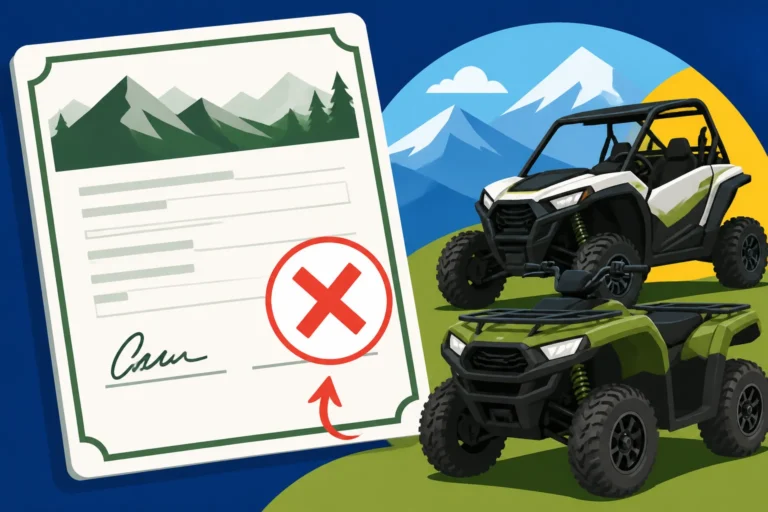
Secondly, and perhaps most importantly, get written permission for anyone you allow to use your OHV. This protects both parties by clearly outlining responsibilities, acknowledging risks, and confirming that the rider has permission to operate your vehicle. A simple liability waiver or loan agreement can go a long way. Services like LawDepot offer templates for such documents, making it easy to create a legally sound agreement that outlines the terms of use, states that the rider is responsible for any damage or fines, and acknowledges they ride at their own risk. This small step can save you a world of headaches should an accident occur. The topic of [Written Permission Before Riding Private Land] offers additional context for different scenarios.
Insurance and Liability for Cabin OHVs
Just like your primary residence, your mountain cabin might have specific insurance considerations, and that extends to your OHV. While Colorado doesn't generally require ATV/UTV insurance for off-road use, it's a strongly recommended layer of protection. Your homeowner's policy might offer very limited coverage for an OHV on your own property, but this often doesn't extend to damage, theft, or liability when the machine is off your property or being used by others.
An actual ATV/UTV insurance policy offers far more comprehensive coverage. This can include collision, comprehensive (for theft, fire, hail, etc., crucial for a cabin-based machine), and most importantly, liability coverage. If someone gets hurt while riding your OHV, or if you accidentally damage someone else's property, liability insurance can protect your assets. Given the inherent risks of off-road riding, especially in mountainous terrain, ensuring adequate insurance is a non-negotiable part of responsible OHV ownership at your cabin. For more information, read [Insuring an ATV in Colorado].
Managing Your OHV Records and Documentation at the Cabin
Keeping an OHV at a remote cabin means you might not always have your full suite of documents readily accessible. But it's vital to know what paperwork you need to keep on hand, both for legal compliance and for practical reasons like proving ownership or even troubleshooting.
Necessary Paperwork to Keep on Site
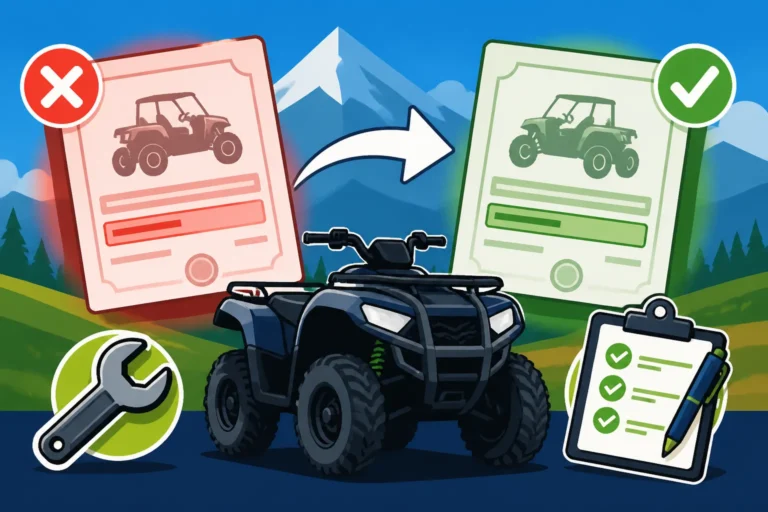
While you don't need to carry every single document on the machine itself, there are certain papers that are wise to keep securely at your cabin. The most critical is a copy of your current Colorado OHV registration. If you're stopped by a ranger or sheriff, they will expect to see proof that your machine is legally permitted for public land use. While the sticker is visible, having the actual paper registration can clarify details quickly.
Beyond registration, it's a good practice to keep a copy of your bill of sale or other proof of ownership. This is crucial if there's ever a question about who the machine belongs to, especially in cases of theft or if you ever decide to sell it from the cabin. Again, a reputable legal document service like LawDepot can help you generate a robust [ATV Bill of Sale Wording That Holds Up] if you're ever selling the machine from your cabin. Consider keeping these documents in a fireproof safe at the cabin, or at least a locked drawer, and always have digital copies stored securely off-site as well.
Titling Your OHV When Cabin-Based
In Colorado, an OHV can be titled separately from its registration. While not all ATVs or UTVs must be titled if they only operate on private land, having a title provides clear proof of ownership and is essential for financing, selling, or resolving any ownership disputes. If you purchased your machine and brought it to the cabin, you should have processed the title at the Colorado DMV or through the Department of Revenue shortly after purchase.
Even if your machine is primarily cabin-based, going through the titling process is a smart move. It links your ownership to a state record, which is invaluable if your machine is ever stolen or if you need to prove ownership for insurance claims. The title typically stays with you, the owner, not necessarily on the machine itself. However, knowing your VIN and having it readily accessible (perhaps stored with your registration copies at the cabin) is always a good idea for quick reference. For further details on this distinction, consider [Colorado OHV Title Versus CPW Registration].
Disclaimer
This article is for general informational purposes only and does not constitute professional advice. Laws, prices and regulations vary by location and change over time. Consult a qualified professional for guidance on your specific situation.