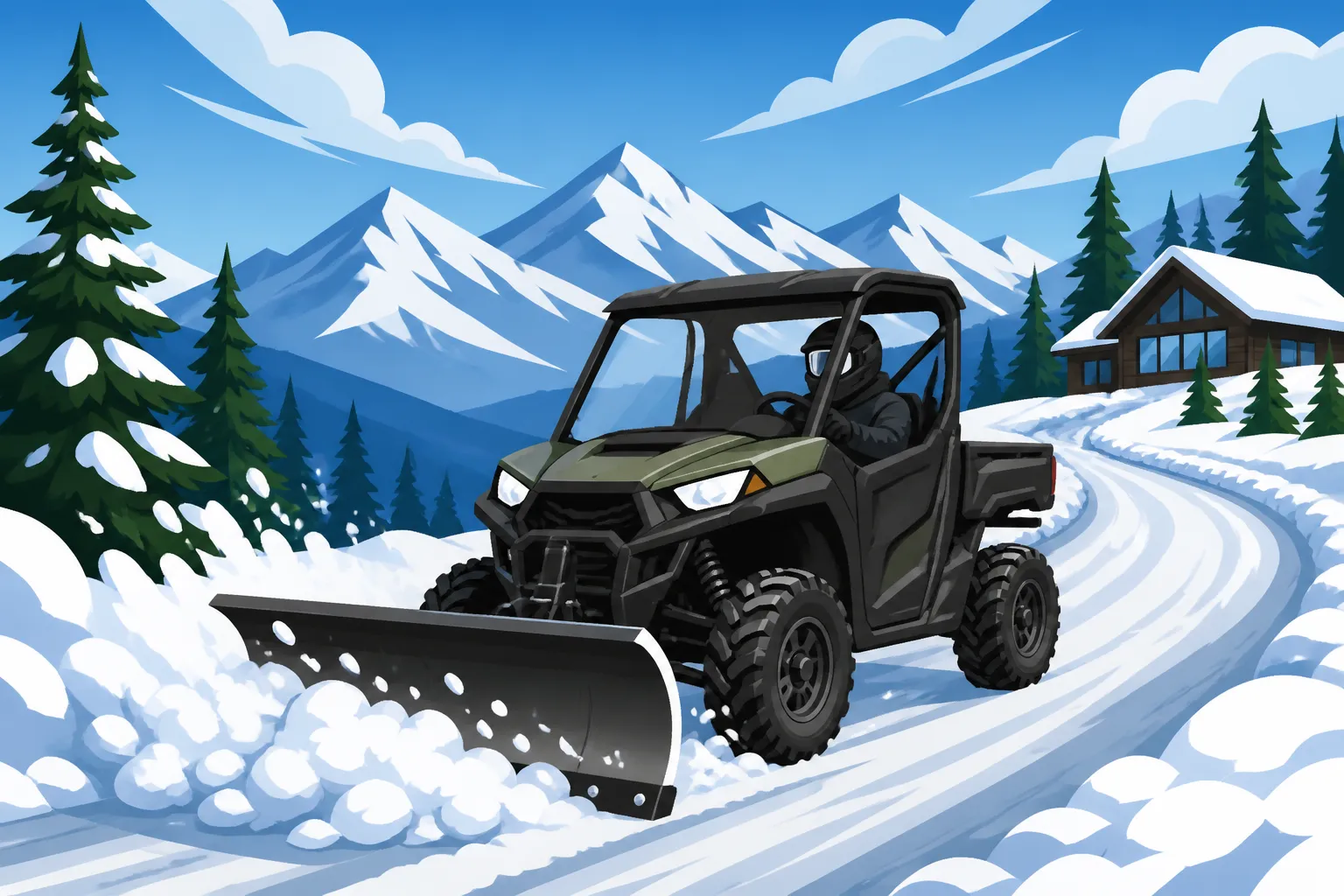
Plowing a Private Colorado Road With a UTV
Living in Colorado, especially in our beautiful mountain communities or on rural acreage, means dealing with snow. A lot of snow. And if you've got a private road or a long driveway, you know the dread that can creep in with the first flakes: how are you going to clear it this time? This comprehensive guide is here to walk you through everything you need to know about using your UTV to effectively, and often enjoyably, plow those private Colorado roads.
Why a UTV is Your Go-To for Private Road Plowing in Colorado
When winter storms roll through the Rockies, dumping feet of snow overnight, the thought of digging out can be utterly daunting. Many folks automatically think of a big truck with a giant plow, but for private roads, a UTV often emerges as the unsung hero. They offer a fantastic blend of power, agility, and economy that makes them perfectly suited for keeping your private access clear all winter long.
The Practicality of UTVs for Snow Removal
One of the biggest advantages of a UTV (Utility Terrain Vehicle) for snow removal on your private Colorado property is their sheer practicality. Think about navigating those winding, narrower access roads or driveways that trucks often struggle with. UTVs are designed to be nimble, with a tighter turning radius that allows you to maneuver around obstacles, tight corners, and even parked vehicles with ease. This agility means less back-and-forth jockeying and more efficient plowing, saving you time and frustration when the snow is piling up fast.
Beyond their nimble nature, UTVs pack a surprising amount of punch. Modern side-by-sides come with robust engines and capable 4×4 systems that provide ample power to push through deep, heavy Colorado snow. Whether you're dealing with light, fluffy powder or that dense, wet snow that feels like concrete, a well-equipped UTV can handle it. Plus, their ground clearance is often superior to many trucks, allowing them to ride over snow drifts that might bog down a lower-slung vehicle. For those living a bit off the beaten path, this capability is invaluable. You might even find yourself reaching a remote cabin or property that a standard truck simply couldn't access after a heavy snowfall. Remember, even if you're only riding on your own land, it's a good idea to understand the general ownership rules, like those discussed in [Colorado OHV Registration for Machines Kept on Private Land].
Cost-Effectiveness Compared to Trucks
Let's be real, owning and operating a full-size pickup truck, especially one set up for plowing, can be a significant investment. From the initial purchase price to fuel consumption, insurance, and maintenance, the costs can add up quickly. This is where a UTV shines as a far more cost-effective solution for private road snow removal. The upfront cost of a UTV is generally less than a dedicated plow truck, and their smaller engines mean they consume less fuel, which is a welcome relief when gas prices fluctuate.
Beyond just fuel, the overall wear and tear on a UTV is often less severe than on a heavy truck constantly pushing snow. Truck transmissions and suspensions can take a beating from the strain of plowing, leading to expensive repairs. While UTVs still require maintenance, their components are often more accessible and parts can sometimes be more affordable. For many Colorado residents, a UTV isn't just a plowing machine; it's a multi-purpose workhorse used for hauling firewood, clearing trails, or accessing remote hunting spots. This versatility means you're getting more bang for your buck from a machine that serves many purposes throughout the year, making it a smart investment for ranch and farm use, as highlighted in [Ranch and Farm ATV Use in Colorado].
Attachment Versatility
One of the truly remarkable aspects of using a UTV for plowing is the sheer breadth of attachments available. It's not just about a basic plow blade anymore. The aftermarket industry has innovated tremendously, offering a range of options to tackle any winter task on your private road. You can find everything from straight blades, which are excellent for general snow removal, to V-plows that excel at cutting through deep drifts and creating a wider path in a single pass.
Beyond just plows, UTVs can be fitted with snow blowers for clearing really heavy, deep snow and throwing it well clear of the road, eliminating those ever-growing snowbanks. Salt and sand spreaders can also be easily mounted, turning your UTV into a complete winter road maintenance machine for managing icy patches. Companies like SuperATV offer a wide array of high-quality UTV plow systems and accessories, from heavy-duty straight blades to durable push tubes and advanced hydraulic lift kits. Their offerings make it easy to customize your machine for the specific challenges your private road presents. This incredible adaptability ensures that your UTV isn't just good for one type of snow or one specific task, but can handle all your winter road management needs.
Essential Gear and Setup for Plowing a Private Road
Before that first major snowfall hits, it's crucial to ensure your UTV is properly equipped and set up for the rigors of winter plowing. It's not just about attaching a blade; it's about optimizing your machine for maximum efficiency, safety, and durability in challenging Colorado conditions. Taking the time for proper preparation will make those early morning plow sessions much smoother and more effective.
Choosing the Right Plow System
The plow system you choose will largely dictate your UTV's snow-clearing prowess. There are several types, and the "right" one depends on your specific needs, the type of snow you typically experience, and the layout of your private road.
| Plow Type | Description | Pros | Cons | Best For |
|---|---|---|---|---|
| Straight Blade | A single, solid blade that attaches to the front of your UTV. | Simple, cost-effective, good for general clearing, easy to angle. | Can "stack" snow in front, less effective for deep drifts. | Regular snowfalls, clearing driveways, pushing snow to the side. |
| V-Plow | Two hinged blades that can form a "V" shape or be angled independently. | Excellent for cutting through deep drifts, creates a wider path. | More complex, generally higher cost, heavier than straight blades. | Heavy, deep snow, cutting initial passes, moving large volumes of snow. |
| Push Tube System | The framework that connects the plow blade to your UTV's frame. | Essential for stability and effective pushing power. Often interchangeable with different blades. | Must be correctly matched to your UTV model for proper fit and performance. | All plow types; critical for transmitting power from the UTV to the blade. |
| Lift System | Manual (winch) or hydraulic system to raise and lower the plow. | Hydraulic systems offer push-button convenience and precision. Winches are simpler. | Manual winches can be slow; hydraulic systems are more expensive. | Quick adjustments on the fly (hydraulic), basic functionality (winch). |
When selecting your system, consider the blade width. You want it to be wide enough to clear a path, but not so wide that it puts excessive strain on your UTV or makes it difficult to maneuver. Many manufacturers, including SuperATV, offer robust plow blades specifically designed for the demands of UTV plowing, with durable steel or poly construction and easy-to-use mounting systems. They often come with wear bars that are replaceable, extending the life of your blade. It's also vital to ensure the plow's mounting system is compatible with your specific UTV model for a secure and safe fit.
Enhancing Traction and Stability
Plowing snow is a heavy job, and your UTV needs all the traction and stability it can get, especially on slick, icy Colorado roads or when pushing heavy, wet snow. Standard UTV tires, while good for general trail riding, may not be sufficient for optimal plowing performance.
- Aggressive Tread Tires: Look for tires with an aggressive, open tread pattern designed to dig into snow and ice. These will provide much better grip than all-terrain tires. Many riders opt for dedicated snow tires if plowing is their primary winter activity.
- Tire Chains: For truly icy conditions or steep inclines on your private road, tire chains are a game-changer. They provide unparalleled traction, helping your UTV maintain forward momentum and control even when other vehicles are sliding. Make sure to size them correctly for your tires and practice putting them on before you're stuck in a blizzard. Consider linking to [Studded Tires for Icy Forest Roads] as this discusses similar traction principles.
- Ballast/Weight: Adding weight to the rear of your UTV can significantly improve traction and stability, especially when you have a heavy plow on the front. This counterbalance helps keep all four tires firmly planted, preventing the front from becoming too light and losing steering control. You can use sandbags, specialized weight boxes, or even fill your utility bed with heavy items. Just be mindful of your UTV's maximum payload capacity.
Visibility and Safety Considerations
Winter plowing often happens in low light, during active snowfall, or even at night. Ensuring optimal visibility is not just about convenience; it's a critical safety measure.
- Auxiliary Lighting: Your UTV's factory headlights might not be enough. Install additional LED light bars or spot/flood lights on your roof or front bumper. Aim them to illuminate not just the path ahead but also the edges of your blade, helping you see where the snow is going and avoid obstacles hidden beneath the snow.
- Windshield Wipers and Washers: If your UTV has an enclosed cab, ensure your windshield wipers are in good condition. Consider adding a washer system if it doesn't have one, as dirty slush can quickly obscure your view.
- Heated Cab/Heaters: Plowing can be a cold, miserable job without adequate protection from the elements. A full cab enclosure, combined with a heater, will make a world of difference in your comfort and ability to stay focused. Good visibility starts with an unfogged windshield and warm hands.
- Warning Lights/Reflectors: While you're on private land, it's still good practice to be visible. Consider a flashing amber strobe light on your roof or additional reflectors, especially if others might be using the road or you're operating near property lines where neighbors might be present. Always remember to check your machine's pre-season condition and other tips found in [Storing a Machine Over a Long Winter] to ensure it's ready for demanding winter work.
Best Practices for Efficient and Safe UTV Plowing in Colorado
Plowing a private road isn't just about pushing snow; it's an art and a science, especially in Colorado where snow can be abundant and conditions varied. Learning efficient techniques and maintaining your equipment will save you time, effort, and potential headaches throughout the winter season.
Plowing Techniques for Different Snow Conditions
The way you approach plowing should change depending on the type of snow you're dealing with. A one-size-fits-all approach will lead to frustration and possibly stuck equipment.
- Light, Fluffy Snow (6 inches or less): For fresh, light snow, a straightforward pass is usually sufficient. You can often plow at a slightly higher speed, pushing the snow off to the side of your private road in continuous passes. Angle your plow blade to direct the snow efficiently away from the cleared path. Make sure your initial pass clears a wide enough area to provide a staging point for subsequent passes.
- Heavy, Wet Snow (6+ inches): This is where UTVs really prove their worth with their maneuverability. Heavy snow requires more power and a slower, more deliberate approach. Take narrower passes, angling the blade slightly more acutely to "roll" the snow rather than just pushing it. You might need to make multiple passes over the same area, pushing snow further off the road each time. Avoid trying to take too much at once, as this can bog down your UTV. Break down large areas into smaller, manageable sections.
- Deep Drifts (Wind-blown snow): Drifts are notoriously challenging. A V-plow truly shines here, cutting through the drift with less resistance. If using a straight blade, approach drifts at a slight angle, taking smaller "bites" out of the drift rather than trying to power straight through. You might need to use a "back-and-forth" motion, plowing a bit, backing up, and plowing again to chip away at the drift. Try to clear drifts as soon as possible after a storm, before they compact and freeze solid.
- Icy Patches: Plowing primarily removes snow. For ice, you'll need additional strategies. After plowing, consider using a sand or salt spreader attachment on your UTV to apply de-icer or traction material to particularly slick spots. This is essential for safety, especially on inclines or shaded areas of your private road. Don't forget that winter conditions can often call for specialized gear, like the studded tires mentioned in [Studded Tires for Icy Forest Roads].
Maintaining Your UTV for Winter Plowing
Winter is tough on equipment. Proper maintenance before, during, and after the plowing season is paramount to ensure your UTV is always ready to tackle the next storm.
- Pre-Season Check-up: Before the first flake falls, give your UTV a thorough inspection. Check all fluid levels (oil, coolant, brake fluid), and ensure they are topped off and appropriate for cold weather. Inspect your battery and charging system; cold weather is brutal on batteries. Check all belts, hoses, and filters. Grease all zerks on your suspension and plow system. Make sure all lights are working, including any auxiliary lights. This thorough check can prevent breakdowns when you least need them. Many of these points apply to general OHV maintenance, and you might find more useful information by checking how to get your [Colorado OHV Registration Renewal Online] to ensure you're always good to go.
- Plow System Inspection: Inspect your plow blade for excessive wear, especially the wear bar. Replace it if it's thin or damaged. Check all bolts and fasteners on your plow frame and push tubes for tightness. Lubricate pivot points and moving parts on your lift system. Any loose components can lead to inefficient plowing or even damage.
- Post-Plow Care: After each plowing session, take a few minutes to clean off your UTV and plow. Accumulated snow and ice can hide corrosive salt and dirt. Use a pressure washer if possible, but at least knock off large chunks of snow and slush. Inspect for any new damage or loose components. Store your UTV and plow in a dry place to prevent rust, especially on metal components.
- Tire Pressure: Check your tire pressure regularly. Cold temperatures cause air pressure to drop, and underinflated tires can reduce traction and put extra strain on your UTV.
Legal Considerations for Private Road Plowing
When you're plowing your private road in Colorado, the good news is that you generally face very few specific state regulations regarding the act of snow removal itself. The key here is "private." This means you're not operating on public roads or rights-of-way, which would trigger a whole host of other rules, like those discussed in [Colorado OHV Rules for Utility and Work Machines] and [Riding Only on Your Own Colorado Land].
However, "private" doesn't mean "no rules at all." Here are some general considerations:
- Property Lines and Easements: Be absolutely clear about your property boundaries and any easements that might exist. You should only be plowing on land you own or have explicit permission to maintain. Accidentally pushing snow onto a neighbor's property or into a public right-of-way can lead to disputes or even legal issues. If you share a private road or have an easement, ensure you understand any agreements with your neighbors about snow removal responsibilities.
- No Public Road Impact: Even on a private road, you should not push snow out into or across a public road. This can create hazards for traffic and is often illegal. If your private road connects to a public road, make sure to pile snow in a way that doesn't obstruct vision for drivers or create snow banks that could fall into the public thoroughfare.
- Permitting (Highly Unlikely for Private): For standard private road plowing, you almost certainly won't need any special permits from the county or state. Permits are typically only required for commercial operations or for plowing on public property. If you're using your UTV for agricultural purposes, there may be some specific exemptions you'll want to be aware of, as outlined in [Agricultural Exemptions From Colorado OHV Rules].
- Insurance: While not a legal requirement for simply owning a UTV for private land use, having insurance is always a wise decision. If you accidentally damage your own UTV or someone else's property while plowing, insurance can provide crucial financial protection. Look into [Colorado ATV Insurance Cost] to get an idea of what to expect.
In essence, while you have a lot of freedom on your own land, basic good neighbor principles and an understanding of your property's boundaries will keep you out of trouble while plowing your private Colorado road.
Beyond the Plow: Other Winter Uses for Your UTV
Your UTV is much more than just a snow plow. In the Colorado winter, its utility can extend far beyond merely clearing paths, turning it into an indispensable tool for a variety of tasks that make life in the snowy high country a little easier. When you consider the full spectrum of its capabilities, the value of a UTV on your property becomes even clearer.
Spreading De-Icer and Sand
After you've moved all that beautiful Colorado powder off your private road, you're often left with stubborn patches of ice or slick spots, especially in shaded areas or on inclines. This is where your UTV's versatility truly shines. Many UTVs can be easily fitted with broadcast spreaders designed to dispense granular materials like rock salt, sand, or specialized de-icing agents. These attachments typically mount to the rear cargo bed or hitch and can be powered by your UTV's electrical system.
This capability is a game-changer for maintaining safe traction on your private property. Instead of manually spreading bags of salt, which is back-breaking work, you can cover a large area quickly and evenly. This is particularly useful for ensuring safe passage for vehicles, mail carriers, or even just walking paths around your home. Companies like SuperATV offer various utility accessories, including easy-to-install spreaders, which make quick work of these tasks, turning your UTV into a year-round maintenance machine rather than just a seasonal tool.
Hauling Firewood and Supplies
Winter in Colorado often means a roaring fire, which in turn means firewood. Hauling cord after cord can be a chore, especially if your woodpile is down a snowy track or across a field. Your UTV's utility bed and towing capacity make it perfect for this task. Load up the bed with split logs, or attach a small utility trailer (like those mentioned in [Towing a Small Trailer Behind an OHV in Colorado]) to significantly increase your hauling capacity.
This same hauling capability extends to other winter supplies. Need to get feed out to livestock? Haul tools to a remote shed? Or perhaps bring in groceries after a storm when your driveway is still a bit gnarly? Your UTV can navigate snowy, uneven terrain that would challenge a standard vehicle, ensuring you can access all parts of your property and keep things running smoothly, even when the snow is deep.
Emergency Access and Mobility
In a true Colorado winter, getting stuck or facing an emergency can be a serious situation. Your UTV, especially one equipped for plowing, can be a lifeline for emergency access and mobility on your private property and even for helping out neighbors. If your private road becomes impassable for standard vehicles due to heavy snow or drifts, your UTV might be the only way in or out.
Imagine needing to check on a water line in a remote part of your property, or if a neighbor needs assistance and their driveway is snowed in. Your UTV provides that crucial ability to move across deep snow. Equipped with a winch (another great SuperATV accessory!), it can even help recover stuck vehicles or move fallen branches after a heavy snowstorm. In a pinch, a UTV can even be used to transport essential supplies or, in a severe emergency, provide a means of personal transport when other options are stalled. This capability provides immense peace of mind for anyone living in rural or remote areas of Colorado during the winter months.
Disclaimer
This article is for general informational purposes only and does not constitute professional advice. Laws, prices and regulations vary by location and change over time. Consult a qualified professional for guidance on your specific situation.