Riding a Narrow Shelf Road Safely
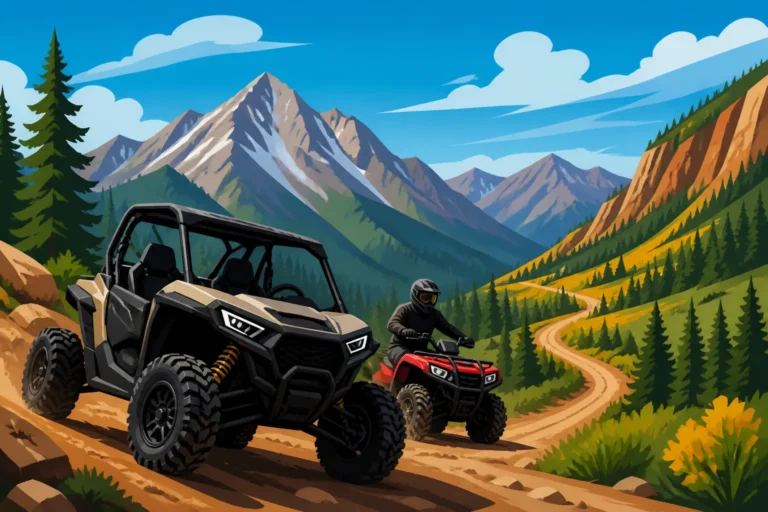
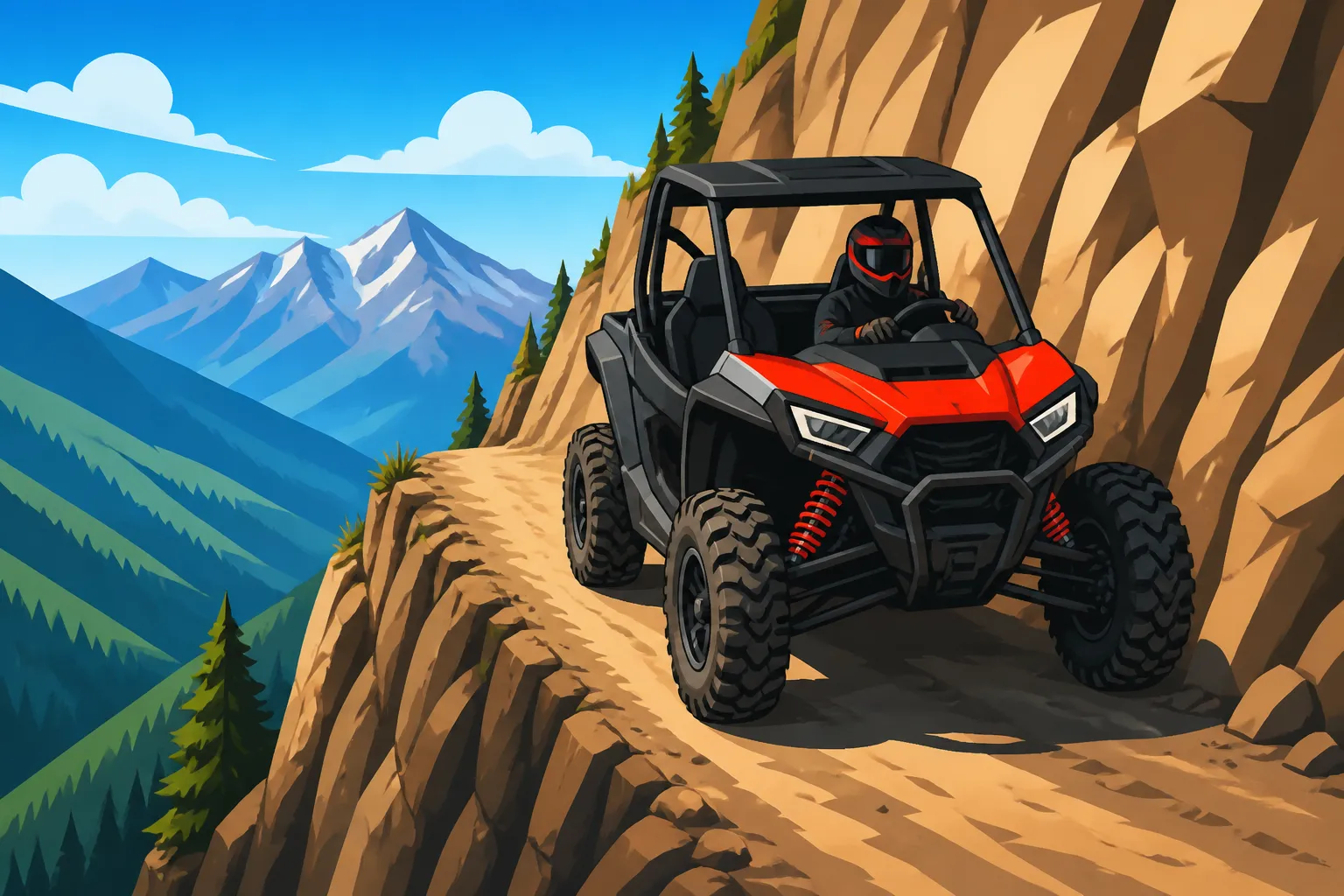
Those narrow, winding roads that cling precariously to the side of a Colorado mountain, with a sheer drop-off just inches from your tire – they're the stuff of legend and the source of many an adrenaline rush for ATV and UTV riders. But they can also be incredibly intimidating, and let's be honest, downright terrifying if you're not prepared. This guide is designed to equip you with the knowledge, techniques, and mindset to navigate these breathtaking but challenging shelf roads safely and confidently, turning potential fear into exhilarating memories.
Understanding the Beast: What Makes Shelf Roads So Challenging?
Riding a shelf road isn't just about driving; it's about managing risk, understanding your machine, and trusting your own judgment. The unique combination of terrain, exposure, and potential encounters makes these trails stand apart from wider, flatter routes. It’s not just the physical act of driving, but also the mental game that can be the biggest hurdle.
The Psychology of Exposure and Heights
It’s completely normal to feel a knot in your stomach when you're driving along a road with nothing but thin air and a thousand-foot drop-off just a few feet away. This isn't just about a fear of falling; it's the intense feeling of exposure. Your mind can play tricks on you, making the road seem narrower than it is, or exaggerating the steepness of the drop. For many, this feeling of vertigo or anxiety can lead to overthinking, tightening up on the controls, or making sudden, jerky movements – all things you absolutely want to avoid on a shelf road.
The key here is acknowledgment, not denial. Don't try to pretend the drop isn't there. Instead, acknowledge the risk, but then consciously shift your focus to the immediate task: steering, throttle, and your line choice. Your eyes should be looking ahead, not fixating on the edge. Deep breaths can help calm your nervous system, allowing you to maintain a steady hand and a clear head. Remember, millions of riders have successfully navigated these roads, and with proper technique, you can too.
Machine Stability and the Center of Gravity
Your ATV or UTV, while incredibly capable, has limits, and understanding them is paramount on a shelf road. The center of gravity plays a huge role here. Side-by-sides, with their wider stances, generally offer more stability than ATVs, but both can become unstable if pushed incorrectly on off-camber sections – those parts of the trail where the road slants towards the drop-off. Any change to your machine, like adding a heavy cooler to one side or installing a particularly heavy accessory, can subtly shift that center of gravity, affecting its handling.
Suspension travel also matters. Machines with more articulation can keep tires on the ground better, providing consistent traction. If you've invested in aftermarket components from a brand like SuperATV, whether it's heavy-duty axles or a long-travel suspension kit, ensure you understand how these modifications affect your machine's handling, especially its roll center and stability on uneven terrain. A lift kit, for example, might give you better ground clearance but could also raise your center of gravity slightly, requiring even more caution on severely off-camber sections.
Environmental Factors That Amplify the Danger
Colorado's mountains are beautiful but unpredictable. Environmental factors can quickly turn a manageable shelf road into a high-stakes challenge. Loose gravel and scree, especially on the outer edge of the road, can cause a tire to slide, which is the last thing you want near a drop-off. Heavy rains can turn a dusty trail into a slick, muddy track, making traction a significant concern. Afternoon thunderstorms are common and can make visibility poor, trails greasy, and even lead to flash floods in some areas. [Afternoon Thunderstorms on a Pass] are no joke up high.
Then there’s snow. Even in summer, high-altitude passes can hold snowdrifts well into July, or get early dustings in September. Snow and ice drastically reduce traction and can obscure the actual edge of the road, making precise navigation incredibly difficult. Always check trail conditions and weather forecasts meticulously before heading out, especially if your route involves high passes. A clear, sunny day can turn into a whiteout in a matter of hours, and getting caught unprepared at 12,000 feet on a narrow shelf road is a dangerous situation.
Mastering the Drive: Techniques for Confident Navigation
Once you understand the challenges, it's time to focus on the skills and preparations that will help you tackle them. Riding a shelf road requires a combination of precise control, careful planning, and a calm demeanor. It's about being deliberate in every action.
Pre-Ride Inspection and Setup
Before you even think about tackling a shelf road, a thorough pre-ride inspection is non-negotiable. This isn't just a quick once-over. Check your tires: ensure they are properly inflated and that there are no significant cuts or damage. Low tire pressure can lead to instability and increased risk of a bead breaking. Your suspension should be in good working order, absorbing bumps without excessive sway. Brakes are absolutely critical; test them to ensure full stopping power on both front and rear.
Beyond the machine itself, consider your gear. Are you carrying adequate recovery gear, like a winch or a sturdy tow strap? Are your passengers properly secured with seatbelts? If you've installed aftermarket parts, like a heavy-duty bumper or rock sliders from SuperATV, make sure they're securely fastened and not adding any unwanted weight distribution issues. Having the right tools and knowing how to use them can make all the difference if you encounter a problem far from civilization. Also, ensure your fuel levels are topped off and you have enough water and snacks, as [What to Carry Over a High Pass] can be more than just emergency items.
Steering, Braking, and Throttle Control
The mantra for shelf roads is "slow and steady wins the race." Smoothness is paramount. Avoid any sudden movements with the steering wheel or handlebars. Small, deliberate inputs are best. Your line choice is crucial: generally, you want to stay as far from the edge as safely possible, but you also need to manage rocks, ruts, and other obstacles on the inner side of the trail. Sometimes, the safest line might temporarily put you closer to the edge than you'd like, but it avoids a more dangerous obstacle on the inside.
When it comes to braking, gentle application is key. Avoid slamming the brakes, which can cause tires to lock up and slide, especially on loose surfaces. Use a combination of your service brakes and engine braking to maintain a controlled speed, particularly on descents. If your machine has a low range, engage it. This helps slow you down and gives you more precise throttle control. For longer descents, alternate between braking and releasing to prevent overheating and brake fade. Knowing how to use [Engine Braking on a Steep Pass] effectively can save your bacon. Keep your eyes up and looking through the turns, not just at the immediate ground in front of your tires.
Uphill vs. Downhill Dynamics
Navigating shelf roads often involves significant elevation changes. On uphill climbs, especially on loose or steep sections, maintaining momentum is important, but not at the expense of control. Too much speed can lead to loss of traction or bouncing. Too little speed can cause you to stall out. Find that sweet spot where your tires are gripping, and your machine is steadily climbing. Use your body position to lean into the hill, shifting weight forward on an ATV or leaning into the ascent in a UTV.
Coming downhill requires even more precision. Gravity is not your friend here, constantly trying to pull you faster. Engage low range and rely heavily on engine braking. Avoid riding your brakes continuously, which can lead to overheating and reduced effectiveness. If you encounter oncoming traffic on a steep section, general trail etiquette dictates that the uphill vehicle typically has the right-of-way, as it's harder for them to stop and restart on an incline. However, safety always trumps etiquette. If the uphill vehicle can pull over more safely, they should. It's all about communication and common sense. Always respect [Uphill Right-of-Way on a Colorado Pass] but prioritize safety.
Sharing the Trail: Etiquette and Encountering Others
Colorado's trails are multi-use, meaning you'll often encounter not just other OHVs, but also Jeeps, dirt bikes, mountain bikers, and even hikers. Sharing these narrow shelf roads safely requires clear communication, mutual respect, and a willingness to yield when necessary.
Dealing with Oncoming Traffic
Encountering an oncoming vehicle on a single-track shelf road can be a nerve-wracking experience. The first rule is to slow down immediately upon spotting another vehicle. Assess the situation: who has the most room to pull over? Often, the vehicle closest to a wider spot or pull-out should yield. Communicate with hand signals or by waving to indicate your intentions. If you're in a UTV, rolling down a window makes communication much easier.
When passing, especially a wider vehicle like a Jeep or another UTV, proceed with extreme caution. Spotters are incredibly helpful here. One person can get out and guide the vehicles past each other, ensuring neither gets too close to the edge or snags on a rock. Take your time, sometimes inching along. It can feel like an eternity, but rushing leads to mistakes. Be prepared to back up to a safer spot if necessary. Remember to breathe and focus on those small, precise movements. Successfully [Passing an Oncoming Jeep on a Shelf Road] often comes down to patience and teamwork.
Group Riding Strategy
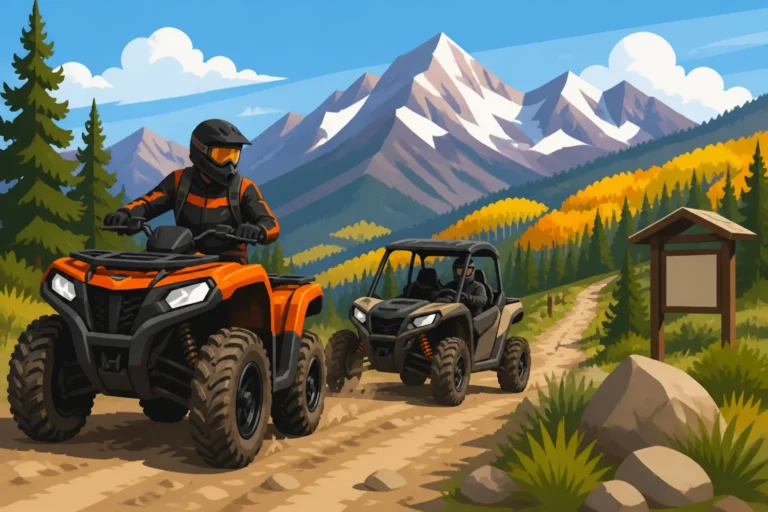
Riding in a group adds a layer of complexity to shelf road navigation, but also a layer of safety. The most important strategy is proper spacing. Don't ride bumper-to-bumper. Leave enough room between machines that if the lead rider has to stop suddenly, you have ample time to react without having to slam on your brakes, or worse, veer toward the drop-off. Good spacing also reduces dust for the riders behind.
Communication within your group is vital. Two-way radios are invaluable for warning riders behind you about oncoming traffic, sudden obstacles, or changes in trail conditions. If someone in your group is particularly nervous, consider putting them towards the front, directly behind the most experienced leader, so they can see the path ahead and not feel pressured by other machines. Never split up on a shelf road; always ensure everyone in your group is accounted for, especially after pull-offs or tricky sections.
Respecting the Environment and Fellow Riders
Riding on shelf roads comes with a responsibility to minimize your impact. Stick to designated trails; never venture off-piste, as this can lead to erosion and damage fragile high-alpine ecosystems. Control your dust, especially when passing hikers or homes. Slow down to a crawl when you see others or approach a residential area. This is not only courteous but helps maintain a positive image for the OHV community.
Beyond environmental respect, show courtesy to all trail users. A simple wave or nod goes a long way. If you're stopped, offer assistance if another rider appears to be struggling. These roads can be intimidating, and a little camaraderie can make a big difference. Remember that many people use these areas for solitude and nature, so avoid excessive noise or aggressive driving. We're all out there to enjoy Colorado's incredible backcountry.
Avoiding Common Pitfalls and Staying Safe
Even with the best preparation and techniques, mistakes can happen. Recognizing common pitfalls and knowing how to respond can prevent a minor incident from escalating into something serious. Staying vigilant and humble is key.
Overcoming Fear and Maintaining Focus
It's natural to feel a rush of fear when you first encounter a particularly exposed section of shelf road. The pitfall here is letting that fear take over. When fear escalates to panic, your judgment can become clouded, and your motor skills can diminish. If you feel overwhelmed, stop. Find the safest possible spot, even if it means pausing for a moment on the trail itself (but be mindful of blocking others). Take a few deep breaths, look at the trail ahead, and remind yourself of your training and your machine's capabilities.
Maintaining focus is about being present. Don't let your mind wander, and avoid distractions like looking at your phone or trying to adjust complicated settings on your GPS while driving. Keep your eyes on the trail, constantly scanning for obstacles, loose terrain, and potential hazards. If you're feeling fatigued, pull over in a safe, wider spot and rest. Pushing through exhaustion can lead to errors in judgment that can be costly on a shelf road.
What to Do in a Sticky Situation
Even the most experienced riders can find themselves in a bind. Perhaps you've misjudged a corner, or your machine slides on some unexpected gravel. The first thing to do is remain calm. If your machine starts to slide, gently steer into the slide, trying to regain traction without overcorrecting. If you're getting too close to the edge, and you feel your tires losing grip, resist the urge to slam the brakes. Instead, try to slowly apply brakes while steering away from the edge.
If you get stuck or feel your machine is in a precarious position, stop. Do not try to power through if it feels unsafe. If you have a winch, assess if it can be safely used to pull you back to solid ground. A good anchor point is crucial. If not, use your recovery straps and a spotter to gently pull you out. Make sure you have proper [Recovery Gear for a Shelf Road] on hand, and know how to use it safely and effectively. Sometimes, it means getting out, walking the section, and formulating a plan.
Never Push Your Limits
The biggest mistake you can make on a shelf road, or any challenging trail, is to push beyond your comfort zone or your machine's capabilities. There's a fine line between a thrilling challenge and outright recklessness. If a section looks too difficult, or you're simply not feeling confident, there's absolutely no shame in turning back. Colorado's mountains will still be there for another day. This is especially true if weather conditions deteriorate or if someone in your group is struggling with [Altitude Sickness on a Riding Trip].
Understand your machine's limitations. If you have a stock machine, it might not handle the same obstacles as a heavily modified rig with extreme tires and a heavy-duty suspension kit from SuperATV. Respect your tires, your ground clearance, and your machine's power. Always factor in changing conditions. A shelf road that was easy in the morning might be slick and challenging after an afternoon rain shower. Know when to call it a day, even if it means altering your planned route. Your safety and the safety of your passengers are always the top priority.
Here's a quick checklist to help you prepare for a Colorado shelf road adventure:
| Category | Item | Checklist |
|---|---|---|
| Machine Prep | Tires | |
| Brakes | ||
| Suspension | ||
| Fluid Levels | ||
| Winch/Recovery Points | ||
| Safety Gear | Helmets | |
| Goggles/Eye Protection | ||
| First Aid Kit | ||
| Communication Device | ||
| Navigation | ||
| Emergency | Spare Tire/Repair Kit | |
| Tow Strap/Shovel | ||
| Water/Food | ||
| Warm Layers/Rain Gear | ||
| Riding Mindset | Stay Calm | |
| Go Slow | ||
| Scan Ahead | ||
| Communicate | ||
| Know Limits |
Disclaimer
This article is for general informational purposes only and does not constitute professional advice. Laws, prices and regulations vary by location and change over time. Consult a qualified professional for guidance on your specific situation.