Whip Flags in an Open Riding Area
There's nothing quite like the thrill of hitting an open riding area in Colorado, the vastness stretching out before you, the engine humming beneath. But let's be real for a moment: those wide-open spaces, especially when they're teeming with other riders and kicking up dust, can turn into a game of hide-and-seek you never wanted to play. It's frustrating to feel like you're constantly peering over the next dune, wondering if another machine is about to appear out of nowhere. This guide is all about cutting through that dust and doubt, showing you why a simple whip flag isn't just an accessory, but a crucial piece of safety equipment, especially in Colorado's exhilarating, yet often challenging, open riding environments.
Why a Whip Flag Isn't Just a Pretty Accessory—It's a Lifesaver
When you're out tearing up the dunes or cruising across wide-open flats, it might feel like you've got all the space in the world. But anyone who's spent time in a popular open riding area knows how quickly that perception can change. Suddenly, you're in a cloud of dust, or cresting a blind rise, and the next thing you know, another rider is much closer than you anticipated. It’s a common frustration and a very real danger, and it’s precisely why whip flags exist.
The Silent Danger of Limited Visibility
Imagine this scenario: you're following a buddy across a vast, sandy expanse. The sun is high, and while the air started clear, it's now a hazy film of fine grit churned up by dozens of roaring engines. Your buddy, on a smaller ATV, suddenly drops into a trough or disappears behind a low dune. For a split second, they're completely invisible. This isn't just a minor inconvenience; it's a recipe for disaster. Dust clouds, rolling terrain, and the sheer number of machines in an active open riding area conspire to create significant visual challenges. Even in seemingly clear conditions, the low profile of many ATVs and UTVs means they can easily be obscured by small rises, bushes, or even larger vehicles. This isn't just a concern for avoiding collisions with other riders; it also makes it incredibly difficult for park rangers or emergency services to spot you if you become stranded or need assistance. The frustration of trying to keep track of your group, or worrying about being seen, can really detract from the joy of the ride.
How a Simple Flag Elevates Your Presence
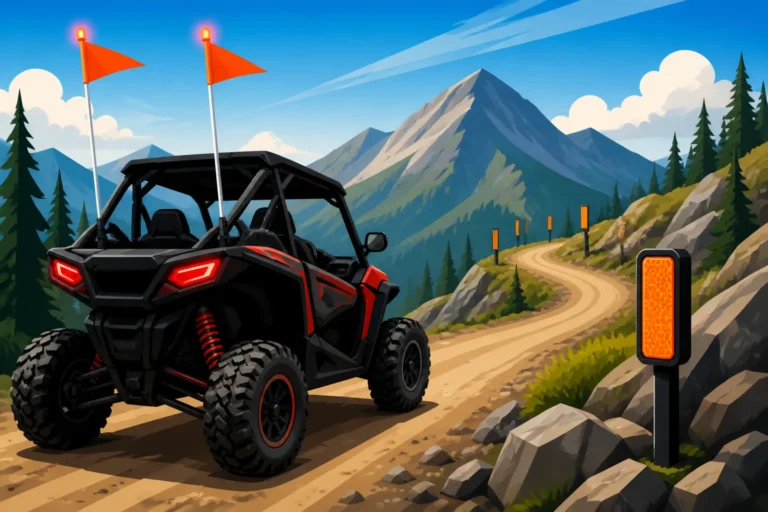
This is where the humble whip flag comes in, transforming from a mere decoration into an indispensable safety tool. By extending high above your machine, typically 8 to 10 feet, a whip flag acts as a beacon, piercing through the dust, rising above low obstacles, and alerting other riders to your presence long before they see your machine itself. Think of it as your machine's periscope. When you're dropping into a gully or coming up a blind hill, that flag is often the first visual cue to someone approaching from the opposite direction or from behind a crest. The constant motion of the flag also makes it highly noticeable, catching the eye more effectively than a stationary object. This enhanced visibility is crucial for preventing head-on collisions, avoiding rear-end incidents, and generally reducing the chances of any unexpected encounters in crowded areas. It allows everyone to react earlier, giving you and others precious seconds to adjust lines and maintain a safe distance.
Beyond Just Seeing: Being Seen in Emergency Scenarios
The benefits of a whip flag extend beyond active collision avoidance. Consider a situation where you or a member of your riding group experiences a mechanical breakdown in a remote part of an open riding area. Or, even more seriously, an injury occurs. In these moments, every second counts. A brightly colored whip flag, fluttering high above your disabled machine, can significantly reduce the time it takes for help to arrive. Search parties, whether they're park rangers, fellow riders, or even air support, can more easily spot your location from a distance. In a landscape that often offers few distinguishing features, that tall, waving flag becomes a critical landmark. It's a silent signal that says, "We're here, and we might need help." This peace of mind, knowing that you've done everything possible to enhance your visibility should an emergency arise, is invaluable. When you're packing your essentials, like [What to Carry Over a High Pass], don't forget the importance of being visible, too.
Navigating Colorado's Rules for Whip Flags in Open Riding Areas
Colorado is famous for its incredible landscapes and diverse riding opportunities. From tight mountain trails to sprawling open areas, there's something for everyone. But with great variety comes varying rules, and understanding where and when whip flags are required can sometimes feel like trying to decipher a secret code. It's not always straightforward, and nobody wants to be caught off guard by a ranger check.
When and Where Colorado Mandates Whip Flags
Here's the key takeaway: while Colorado doesn't have a statewide blanket rule requiring whip flags on every OHV trail, they are absolutely mandated in specific "open riding areas," particularly those characterized by dunes or wide-open, high-speed terrain where dust and visibility are major concerns. The general rule of thumb is to assume you'll need one if you're heading to a designated open play area, like the South Sand Wash Open OHV Area. These areas are managed by agencies like the Bureau of Land Management (BLM) or the U.S. Forest Service, and their specific regulations will govern whip flag requirements. It's crucial for riders to check the specific rules for the area they plan to visit before they even load up their machines. You can usually find this information on the land management agency's website for that specific location, or by looking for signage at the trailhead. Ignoring these local regulations can lead to a less-than-pleasant encounter with authorities.
Understanding the "Open Riding Area" Designation
So, what exactly differentiates an "open riding area" from a standard designated trail, and why do the rules regarding whip flags often differ? In short, an open riding area is typically a large, undeveloped expanse of land where riders have more freedom to create their own routes, climb dunes, or traverse wide-open spaces. Think vast sand dunes, expansive desert flats, or large tracts of land specifically designated for "free riding." In contrast, a designated trail is usually a defined path, often narrower, with clear start and end points, and sometimes directional rules.
The logic behind the whip flag requirement in open riding areas boils down to the unique challenges of these environments:
- Unpredictable Traffic: Unlike a trail where traffic might be somewhat predictable (e.g., one-way or clearly marked two-way), open riding areas can have vehicles approaching from any direction, at any speed.
- High Dust Levels: The loose, dry terrain in many open riding areas, especially sandy ones, kicks up immense amounts of dust. This dust significantly reduces visibility, making it hard to see other machines, particularly those without a towering flag.
- Rolling Terrain and Blind Spots: Dunes and varied topography create numerous blind spots where a low-profile machine can vanish from sight in an instant. A whip flag ensures a portion of your machine remains visible over these obstacles.
- Speed and Density: Open riding areas often encourage higher speeds and can attract a high density of riders, exacerbating the risks associated with limited visibility.
Understanding these distinctions helps riders appreciate why the rules are in place, making compliance feel less like an arbitrary restriction and more like a necessary safety measure. When planning your trip, always consult resources like maps and local land management websites, looking for the specific designation of your chosen area, be it [Colorado Open OHV Areas on BLM Land] or other managed lands.
Penalties for Non-Compliance and Rider Responsibility
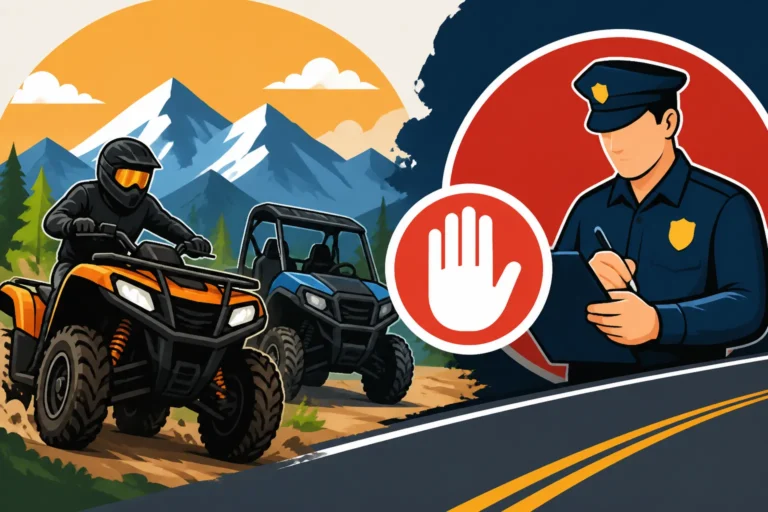
Let's talk about the downside of ignoring these rules. While nobody goes out planning to break regulations, sometimes riders simply aren't aware of specific whip flag requirements. Unfortunately, ignorance is rarely an excuse when it comes to safety and enforcement. If a park ranger or local law enforcement officer stops you in an area where a whip flag is mandatory and you don't have one, you could face consequences.
These can range from a friendly warning and a strong recommendation to acquire one, to a citation or fine. The severity often depends on the officer's discretion, the specific regulations of the area, and whether you've been warned before. A citation for not having a required whip flag can quickly put a damper on your riding day, costing you money and time. Beyond the legal ramifications, there's the more significant penalty: the increased risk to your safety and the safety of others. As riders, we all have a responsibility to be informed and prepared. Just as you'd ensure your machine has proper lighting for a night ride, or that you're within [Colorado Alcohol Limits for OHV Operators], making sure you meet basic visibility requirements is part of responsible riding. Always conduct pre-ride checks, including confirming you have all required safety equipment, to ensure your trip is both fun and safe. [Colorado Ranger Checks at a Trailhead] can occur, so it's best to be prepared.
Choosing the Right Whip Flag: Height, Material, and Features for Colorado Terrain
Alright, so you know why you need a whip flag and where it might be required. Now, let's get down to the nitty-gritty of choosing one. This isn't just about grabbing the first flag you see; it's about selecting a flag that will truly perform in Colorado's unique and often challenging riding conditions. The right whip flag can significantly enhance your safety, while a flimsy or improperly chosen one might offer little more than false security.
Finding the Optimal Height for Maximum Visibility
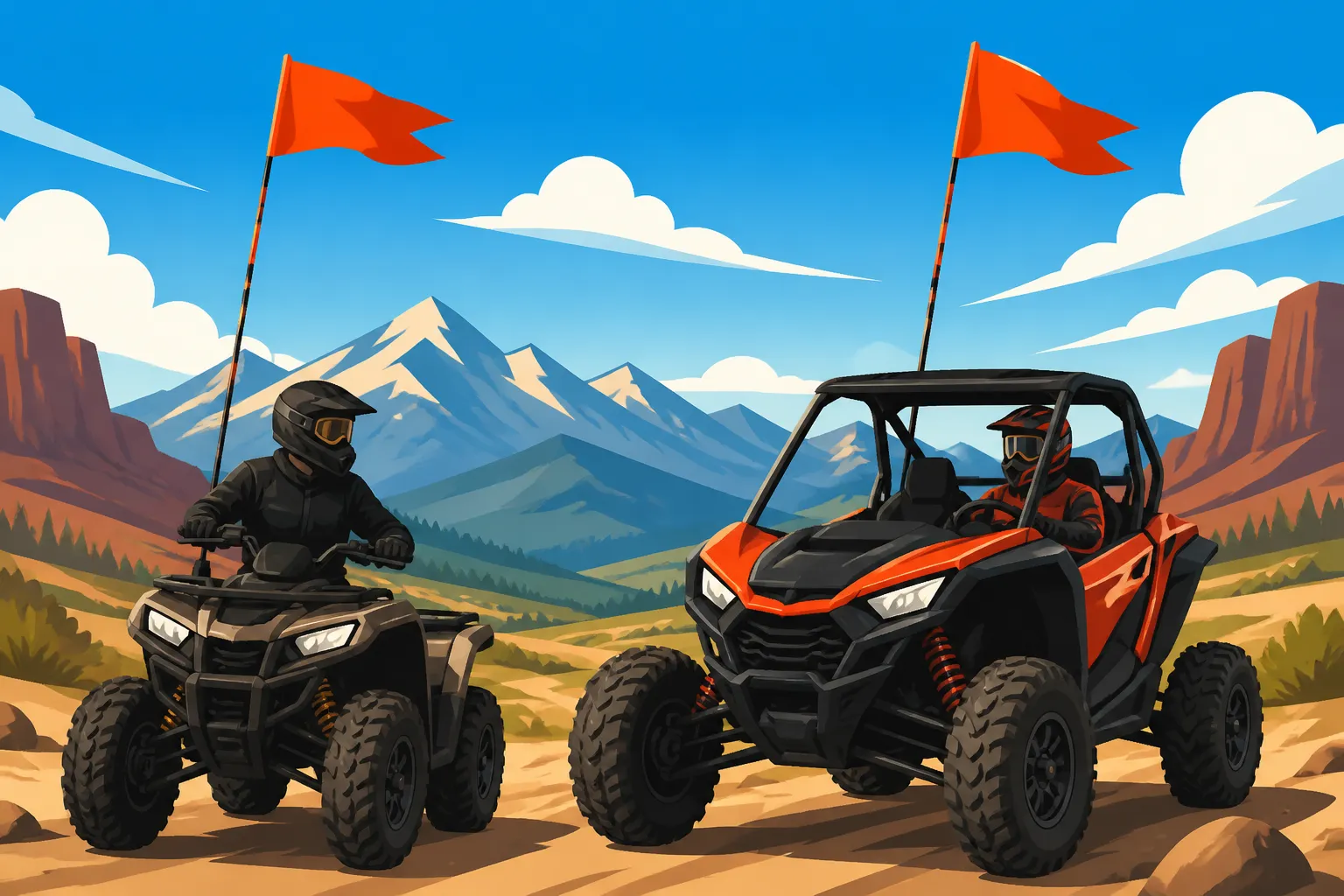
The height of your whip flag is paramount, as it directly correlates with how effectively you can be seen. While specific regulations vary, a common recommendation for open riding areas is for the top of the flag to be at least 8 to 10 feet above the ground when mounted on your machine. Why so tall? Because you need that flag to clear obstacles, dust clouds, and the tops of other vehicles.
Consider the different types of machines:
- ATVs: Being lower to the ground, an ATV typically needs a longer whip pole to achieve the necessary overall height.
- UTVs/Side-by-Sides: These machines are taller, so while the pole itself might be slightly shorter, the overall mounted height still needs to reach that critical threshold to be visible over the vehicle itself and surrounding terrain.
When you're cresting a dune, the 8-10 foot height ensures that your flag is visible to oncoming traffic even when your machine is still obscured. It also helps other riders spot you when you're tucked behind a slight rise. Think about how many machines are out there, from a compact [Colorado Trails That Suit a 50-Inch Machine] to a massive four-seater UTV; a consistent, tall flag standard helps everyone. Always measure after installation to confirm your whip meets any specific height requirements for the areas you frequent.
Material Matters: Durability for Rocky Mountain Adventures
Colorado's landscapes can be beautiful, but they can also be brutal on equipment. The materials used in your whip flag, both for the pole and the flag itself, play a huge role in its durability and longevity.
-
Whip Pole Materials:
- Fiberglass: This is a very common and affordable option. Fiberglass whips are flexible, which helps them absorb impacts and vibrations without snapping. They are generally resistant to sun and weather.
- Carbon Fiber: Often found on higher-end whips, carbon fiber offers superior strength-to-weight ratio. It's incredibly strong yet lightweight, making it more resistant to breaking. However, it can be less flexible than fiberglass, so a very strong impact might cause it to snap rather than bend.
- Polycarbonate/Plastic Composites: Some newer whips use various plastic composites. These can offer good flexibility and resistance to corrosion, but their ultimate strength might vary.
-
Flag Materials:
- Nylon or Polyester: These are standard materials for flags. They are durable, colorfast, and resist tearing. Look for flags with reinforced stitching, especially at the edges and where they attach to the pole, as they will be constantly flapping in the wind.
- Mesh: Some flags use a mesh material, which allows wind to pass through more easily. This can reduce drag on the whip pole and prevent the flag from tearing in high winds. The trade-off might be slightly less surface area for visibility, though brightly colored mesh is still very effective.
Consider brands that specialize in robust off-road accessories. For instance, SuperATV offers a variety of durable whip flags and mounting options designed to withstand tough riding conditions. Investing in a quality flag made from resilient materials will save you the frustration and potential safety hazard of a broken whip flag mid-ride.
Brightening Up Your Ride: Lighted Whips and Specialty Flags
While a plain, brightly colored flag does an excellent job during daylight hours, technology offers ways to enhance your visibility even further, especially if your adventures extend into dusk or night.
-
Lighted LED Whip Flags: These have become incredibly popular and for good reason. A string of LEDs, often in a spiral pattern, runs up the length of the whip pole, creating a dynamic and highly visible light source.
- Benefits: Unmatched visibility at night, in low light, or even in heavy dust during the day. Many models offer multiple color options and patterns, allowing for personalization and even specific signaling (though not standardized). They look really cool, too!
- Considerations: Lighted whips require a 12V power source from your machine and proper wiring. Ensure your machine's electrical system can handle the draw, and that the wiring is securely routed and waterproof.
- Types: You can find single-color, multi-color, or "chasing" LED whips that create a vibrant, moving light effect.
-
Reflective and Specialty Flags: For daytime use, you can also look for flags with reflective material integrated into their design. This can enhance visibility in shaded areas or when hit by direct sunlight. Some riders also opt for unique flag shapes or personalized designs, but always ensure that any customization doesn't compromise the flag's primary function of high visibility.
When choosing a lighted whip, prioritize quality construction, weatherproofing, and a robust mounting system. The added cost is a small price to pay for significantly increased safety and the undeniable cool factor they bring to your machine. Always ensure that any added lighting adheres to local regulations regarding color and brightness, especially if you plan on riding on any shared roads where [Colorado Rules for an Unregistered OHV] or similar road-use policies might apply.
Mounting and Maintaining Your Whip Flag for Peak Performance
You've got the perfect whip flag. Now what? The final, crucial steps are proper installation and consistent maintenance. A top-tier whip flag is only as good as its mounting system and how well it's cared for. Skimping on these details can lead to a lost flag, a damaged machine, or, worst of all, a safety compromise.
Secure Mounting: Keeping Your Flag Firmly in Place
The way you attach your whip flag to your ATV or UTV is critical. It needs to withstand constant vibrations, wind resistance at speed, and the occasional branch swipe, all without becoming loose or breaking. There are several common mounting options, each with its own advantages:
- Bolt-on Mounts: These are typically the most secure and permanent option. They involve drilling a hole into a sturdy part of your machine's frame, bumper, or cargo rack, and bolting the whip mount directly to it. This provides a very stable base.
- Quick-Release Mounts: These are incredibly popular for their convenience. They allow you to easily attach and detach your whip flag with a simple pin or lever, which is great for transport or storage. However, it's vital to ensure the quick-release mechanism is robust and locks securely to prevent accidental detachment on rough terrain.
- Roll Cage Clamps: For UTVs and side-by-sides with roll cages, clamps are an excellent option. They attach directly to the roll bar, often requiring no drilling. Look for heavy-duty clamps designed for off-road use, with a secure grip that won't slide or rotate. SuperATV is a brand that offers a range of high-quality roll cage clamps and mounting brackets specifically designed for UTVs, ensuring a snug and durable fit.
No matter which method you choose, pay close attention to the mounting location. It should be:
- Sturdy: Choose a part of your machine that can handle the stress and vibrations.
- Clear of Obstructions: Ensure the whip has a full range of motion without hitting exhaust pipes, cargo boxes, or other components.
- Visible: Position it for maximum visibility, typically on the rear or side, ensuring it's the highest point of your machine.
Always use appropriate hardware (lock washers, nylock nuts) and apply thread locker to bolts to prevent them from vibrating loose. Double-check all connections before every ride.
Protecting Your Investment: Care Tips for Longevity
Your whip flag works hard for you out on the trails, and a little care goes a long way in extending its lifespan and ensuring it performs when you need it most.
- Cleanliness: Dust and mud can accumulate on both the flag and the pole. Regularly wipe down the pole with a damp cloth to prevent grit from abrading the surface. Gently hand wash the flag with mild soap and water, then let it air dry completely before storing. This prevents mildew and keeps the colors vibrant for better visibility.
- Inspect for Wear and Tear: Before and after each ride, give your whip flag a thorough inspection.
- Flag: Look for fraying edges, tears, or fading. A tattered flag reduces visibility and might need replacement.
- Pole: Check for cracks, bends, or splinters (especially with fiberglass). Even a small crack can quickly propagate into a full break.
- Mount: Ensure all bolts and clamps are tight. Look for signs of stress or fatigue on the mounting bracket itself.
- Lighted Whips: Inspect the wiring for nicks, chafing, or corrosion. Test the lights to ensure all LEDs are working. Water intrusion can quickly damage the electronics, so check seals if your whip allows.
- Proper Storage: When not in use, especially during the off-season or for transport, remove your whip flag. Store the pole flat or in a protective sleeve to prevent accidental bending or breaking. Fold the flag neatly to prevent creasing and sun damage. This also protects it from UV exposure that can degrade materials over time.
Addressing minor issues proactively, like replacing a fraying flag or tightening a loose mount, can prevent bigger problems down the line and ensure your whip flag is always ready for your next adventure.
Pre-Ride Checks: Ensuring Your Whip Flag is Trail-Ready
Incorporating a quick whip flag check into your routine before hitting the trails is just as important as checking your tire pressure or fuel level. It's a small habit that contributes significantly to your overall safety and preparedness.
Here's a simple checklist to run through:
- Is it Mounted Securely? Give the whip pole a firm but gentle tug. It should feel solid with no excessive wobble or play in the mount. If it wiggles too much, tighten the fasteners.
- Is the Pole Intact? Quickly scan the entire length of the whip pole for any visible cracks, bends, or damage. Flex it gently to confirm its integrity.
- Is the Flag Free and Clear? Ensure the flag is not tangled, wrapped around the pole, or obstructed by any cargo or accessories. It needs to be able to fly freely.
- Are the Lights Working (if applicable)? If you have a lighted whip, power it on to confirm all LEDs are illuminating correctly. Check for any intermittent connections.
- Does it Meet Area Requirements? Double-check the height requirements for your specific riding area. Is your flag tall enough?
Taking these few extra moments can make all the difference. It ensures that your whip flag isn't just an item you have, but a functional safety device contributing to a safer and more enjoyable ride for everyone. Being thorough in your preparations, from your whip flag to your [What to Carry Over a High Pass] list, is the hallmark of a responsible Colorado rider.
Disclaimer
This article is for general informational purposes only and does not constitute professional advice. Laws, prices and regulations vary by location and change over time. Consult a qualified professional for guidance on your specific situation.