Buying a Helmet for High Altitude Riding
Hitting those high-altitude trails in Colorado on your ATV or UTV is an experience like no other – crisp air, breathtaking views, and challenging terrain. But that thin air and intense sun also present unique challenges for your gear, especially your helmet. Many riders just grab any old helmet, not realizing that what works fine at sea level might leave you uncomfortable, fatigued, or even less safe when you’re pushing your machine (and yourself) above 10,000 feet. This guide will walk you through exactly what to look for when choosing a helmet specifically designed to tackle the demands of Colorado's elevated off-road adventures, ensuring you stay protected, comfortable, and ready to conquer those mountain passes.
Why High-Altitude Riding Demands Specific Helmet Considerations
Riding at elevation isn't just about enjoying the scenery; it's a completely different physical experience, both for you and your machine. The air is thinner, the sun is more intense, and temperatures can swing wildly from chilly mornings to blazing afternoons, all within a single ride. These factors directly impact your comfort, hydration, and ultimately, your safety if your helmet isn't up to the task.
Thin Air and Exertion: Breathing Easy
When you're climbing a steep, rocky trail, your body is working harder than it would at lower elevations. The reduced oxygen in the air means your lungs have to pull in more air, and you're expending more energy. A helmet that restricts airflow or traps heat can quickly turn a fun climb into a suffocating ordeal. Imagine slogging up a pass like Engineer or Cinnamon, your heart pounding, and then realizing your helmet is making it even harder to breathe deeply. This isn't just about comfort; it can lead to increased fatigue and reduced concentration, which are dangerous on technical terrain. You need a helmet that allows for ample, unrestricted airflow around your face and head, helping to manage your core temperature and make those deep breaths a little easier.
Intense UV Exposure and Sun Protection
Colorado's clear mountain air means less atmosphere to filter out harmful UV rays. At 10,000 feet, you're significantly closer to the sun, and the UV index can be surprisingly high, even on a cloudy day. This isn't just about sunburn on exposed skin; prolonged UV exposure can damage your eyes and contribute to rider fatigue. Many riders overlook how important integrated sun protection or effective goggle compatibility is for high-altitude riding. You might start a ride in the shade of a pine forest only to emerge onto an exposed ridge with blinding sun. A helmet with a good visor or peak, or one that pairs perfectly with high-quality, UV-protected goggles, is absolutely essential. Don't underestimate the power of the high-country sun – it can make for a miserable ride if your vision is constantly compromised by glare or if your face feels like it's baking.
Extreme Temperature Swings
It’s not uncommon to start your day at a Colorado trailhead in cool 40-degree weather, only to experience 70-degree warmth by midday, then have an afternoon thunderstorm drop the temperature drastically again, sometimes even with hail or snow. A versatile helmet is key here. A helmet that's too hot will make you sweat profusely on climbs, leading to dehydration. One that's too open might leave you freezing on a windy ridge or during a sudden weather change. You need a balance: good ventilation for the heat, but also the ability to cut off drafts or provide adequate coverage when the weather turns. This is why some riders lean towards helmets with adjustable vents or even modular designs that offer more adaptability. Thinking about [What to Wear on a Colorado Mountain Ride] always includes considering your helmet as part of your layering strategy.
Key Features to Look For in a High-Altitude Helmet
When you're shopping for a helmet for those Colorado high-country adventures, don't just pick one that looks cool. Think about the practicalities of riding at elevation. The right features can make all the difference in your comfort, endurance, and overall safety.
Superior Ventilation Systems
Given the physical exertion and the variable temperatures, ventilation is paramount. Look for helmets with multiple intake and exhaust vents that are easy to open and close, even with gloves on. Airflow across the scalp and around the face helps dissipate heat and moisture, preventing discomfort and fogging, especially when you're exerting yourself. Some helmets boast sophisticated channeling within the EPS liner to maximize airflow. A well-ventilated helmet feels less claustrophobic and helps you maintain focus, which is crucial when navigating challenging terrain or making quick decisions. Without good ventilation, you'll be constantly distracted by sweat dripping into your eyes or a foggy shield.
Lightweight Construction
Every ounce matters when you're riding for hours on end, particularly on rough, bumpy trails that constantly jar your neck and shoulders. A heavy helmet, combined with the continuous vibration and jostling of off-road riding, can lead to significant neck fatigue. This fatigue isn't just annoying; it can impair your head movements, reduce your reaction time, and even contribute to headaches by the end of a long day. Look for helmets made from advanced materials like fiberglass composites, carbon fiber, or high-tech polycarbonates that offer excellent protection without excessive weight. When you're dealing with [Altitude Sickness on a Riding Trip], every bit of comfort helps, and a lighter helmet can genuinely reduce the physical toll. You'll thank yourself after six hours of climbing and descending passes like those on the Alpine Loop.
Effective Sun and Glare Management
As mentioned, the high-altitude sun is no joke. A helmet with an integrated sun visor or a sturdy, extended peak is highly beneficial. Peaks help block overhead sun, especially useful when riding into the sun or in open areas. For helmets with shields, ensure the shield itself offers good UV protection. Alternatively, if you prefer goggles, make sure the helmet’s eyeport is designed to accommodate them comfortably without creating pressure points or leaving gaps. Consider polarized or tinted goggle lenses for bright conditions, and always carry clear lenses for low light or sudden weather changes. Many riders, when upgrading their UTVs with durable windshields from brands like SuperATV, also seek helmets with compatible visors for a seamless, protected riding experience.
Secure and Comfortable Fit
This isn't just a high-altitude consideration, but it's critically important. A helmet must fit snugly, without being uncomfortably tight, and it should not move or shift excessively when you shake your head. A loose helmet can be a major distraction and offers compromised protection in an impact. Conversely, a helmet that's too tight can cause pressure points, leading to headaches and making a long day of riding miserable. Proper fit ensures the helmet performs as intended during a fall, staying securely on your head. Always check the sizing chart, and if possible, try on different brands and models. Remember that padding can compress over time, so a new helmet should feel quite snug initially.
Types of Helmets Suited for Colorado Mountain Trails
Choosing the right style of helmet depends a lot on your riding style, your machine, and your personal preferences. Each type has its own set of pros and cons when it comes to the unique challenges of high-altitude, off-road riding in Colorado.
Dirt Bike Style (Motocross) Helmets
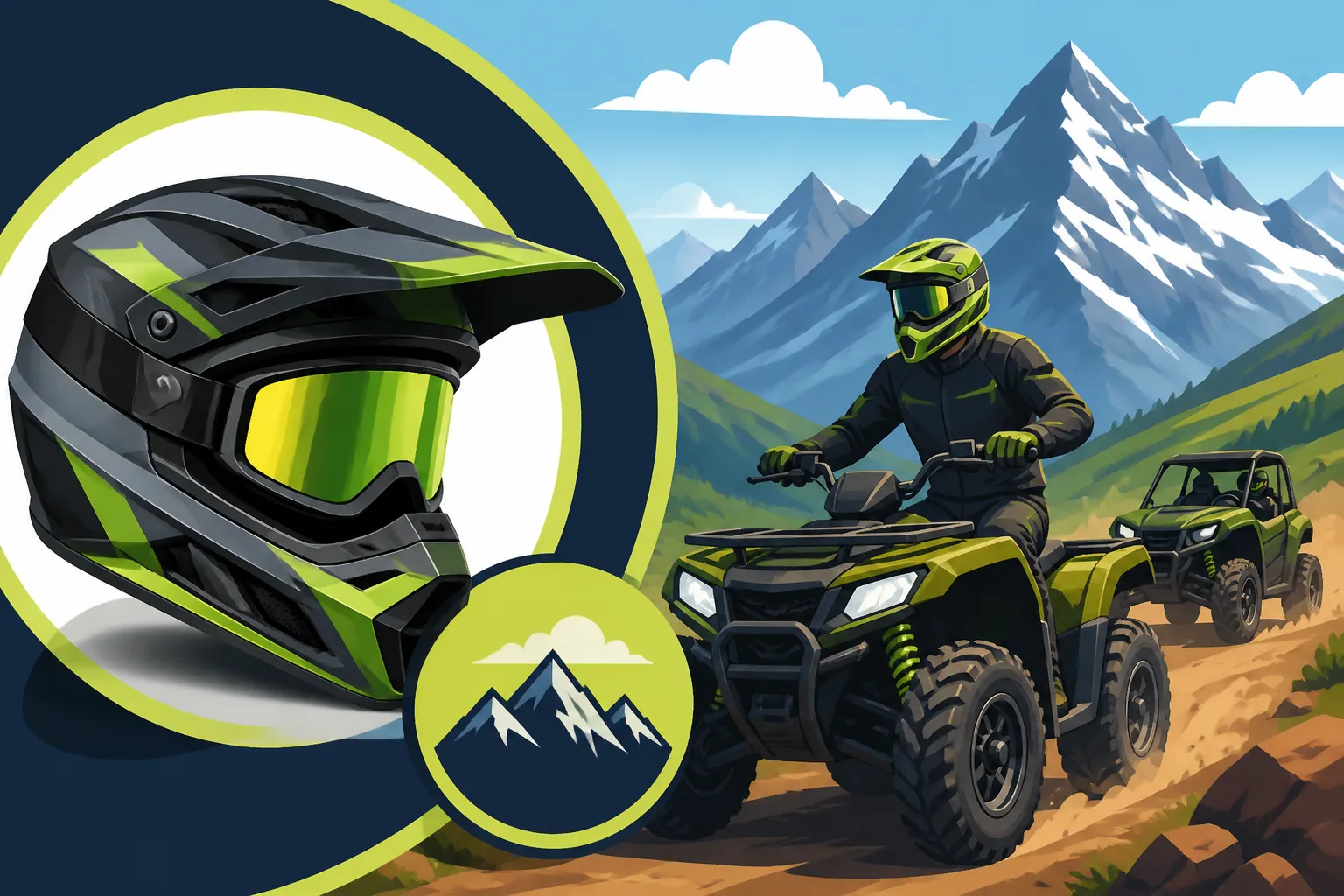
Description: These are perhaps the most common helmets you’ll see on Colorado trails. They feature an aggressive, extended chin bar for maximum ventilation and impact protection, a large eyeport designed specifically for goggles, and a peak or visor to block sun and roost.
Pros for High Altitude:
- Excellent Ventilation: The open design and large chin bar promote superior airflow, which is fantastic for managing heat and exertion at elevation. This really helps with breathability when you're working hard.
- Lightweight: Often constructed with advanced composites, many dirt bike helmets are incredibly light, reducing neck fatigue on long, bumpy rides.
- Goggle Compatible: Designed to pair perfectly with goggles, allowing you to easily switch lenses for varying light conditions and ensuring clear vision. Goggles also prevent dust and debris from getting into your eyes, a common issue on Colorado's dry trails.
- Aggressive Protection: The chin bar offers robust protection for your face in case of a tumble.
Cons for High Altitude:
- No Face Shield: While great for airflow, the lack of an integrated face shield means you're fully exposed to wind, dust, and cold when not wearing goggles. If you take off your goggles for a break, your face is unprotected.
- More Susceptible to Cold: On a chilly morning or a high, windy pass, the extreme ventilation can sometimes be a downside, allowing cold air to rush in.
- Noise: The open design can be quite noisy at higher speeds, which isn't typically an issue on slower, technical OHV trails but is worth noting.
Full-Face Helmets (Street Bike Style, but Off-Road Specific)
Description: These helmets offer complete head and face coverage with an integrated visor. While many are designed for street use, there are off-road specific full-face helmets that incorporate better ventilation and sometimes a sun peak.
Pros for High Altitude:
- Full Protection: Offers maximum protection against impacts, wind, dust, and flying debris.
- Integrated Shield: A clear shield keeps dust, bugs, and cold air out, which is convenient for trail breaks or when cruising between trail sections.
- Less Noisy: Generally quieter than dirt bike helmets, which can be a plus on long days.
Cons for High Altitude:
- Ventilation Can Be Limited: Many full-face helmets, especially those not specifically designed for off-road, can feel hotter and have less direct airflow than dirt bike styles, making them less ideal for strenuous climbing at elevation. You need to actively seek out models with excellent ventilation.
- Heavier: Can often be heavier than dedicated dirt bike helmets, contributing to neck fatigue.
- Goggle Compatibility Issues: The eyeport may not be large enough or shaped correctly to comfortably accommodate off-road goggles, leaving you reliant on the integrated shield.
Modular (Flip-Up) Helmets
Description: Modular helmets combine aspects of full-face and open-face helmets. The chin bar and visor can flip up, allowing you to easily communicate, drink water, or get more air without removing the entire helmet.
Pros for High Altitude:
- Versatility: The ability to open the front is fantastic for quick breathers at high elevation, talking to your riding buddies, or grabbing a drink of water without taking off your whole helmet. This can be a huge convenience when you're fatigued or need to manage your hydration.
- Adaptable Airflow: You can easily get more air when stopped or at low speeds, then secure the front for full protection on the trail.
- Good Protection: When closed, they offer full-face protection against impacts and the elements.
Cons for High Altitude:
- Heavier: Due to the complex hinge mechanism, modular helmets are almost always heavier than full-face or dirt bike helmets, which increases neck strain.
- Compromised Safety (when open): While convenient, they offer no protection to the face if you crash with the front section flipped up.
- Ventilation can be an issue: Even when closed, their ventilation might not match that of a dedicated off-road dirt bike helmet, meaning they can still get hot during intense riding.
Open-Face Helmets (3/4 Helmets)
Description: These helmets cover the top, back, and sides of the head, but leave the entire face exposed. They are often worn with goggles or riding glasses.
Pros for High Altitude:
- Maximum Airflow: Unrestricted airflow to the face is a huge plus for staying cool and breathing easily at elevation.
- Lightweight: Generally lighter than full-face or modular helmets.
- Easy Communication: Unhindered communication with fellow riders.
Cons for High Altitude:
- Minimal Face Protection: This is the biggest drawback. Your face is completely exposed to impacts, roost, dust, and wind. While many riders appreciate the freedom, a fall could result in significant facial injuries.
- Exposure to Elements: No integrated shield means goggles are a must, and your face is still exposed to cold, wind, and debris.
- Sunburn Risk: Increased risk of sunburn on your face due to direct sun exposure.
Here's a quick comparison of helmet types for high-altitude Colorado riding:
| Helmet Type | Key Benefit for Altitude | Drawback for Altitude | Best Use Case |
|---|---|---|---|
| Dirt Bike Style | Excellent ventilation, lightweight | No integrated shield | Aggressive trail riding, hot weather, dusty conditions |
| Full-Face | Full protection, integrated shield | Can be hot, heavier | Cooler weather, dusty roads, more sedate riding |
| Modular (Flip-Up) | Versatility, communication | Heaviest, complex | Variable conditions, frequent stops, casual touring |
| Open-Face | Maximum airflow, lightweight | No face protection, exposed to elements | Low-speed riding, very hot and humid conditions |
Maintenance and Fit for Optimal High-Altitude Performance
Even the best helmet won't perform optimally if it's not properly maintained or doesn't fit correctly. This is doubly true when you're putting it through its paces in Colorado's demanding high-altitude environment.
Ensuring a Proper Fit from Day One
A properly fitting helmet is your first line of defense. When you first try on a helmet, it should feel snug all the way around your head, with no pressure points. It should not move when you shake your head side to side or up and down. If you can slip a finger easily between your head and the helmet liner, it's too big. Conversely, if it causes immediate pain or leaves red marks, it's too small. Remember that helmet padding will compress slightly over time, so a new helmet should feel quite snug. If you're buying for younger riders, ensure their helmet fits correctly and isn't something they'll "grow into." Colorado has specific [Youth Machine Engine Sizes Colorado Families Choose] and [Colorado OHV Rules for Young Riders], and their gear needs to match their capabilities.
Cleaning and Care for Longevity
High-altitude riding often means dust, mud, and sweat. Regularly cleaning your helmet, both the exterior and interior, is crucial.
- Exterior: Use mild soap and water on the shell and shield. Avoid harsh chemicals that can damage the finish or plastics. Keep the visor or shield scratch-free, as scratches can significantly impair visibility, especially in bright sun or low light, and make eye fatigue worse.
- Interior: Most modern helmets have removable, washable liners. Wash them according to the manufacturer's instructions to keep them fresh and free of odor-causing bacteria. This is especially important for comfort and hygiene when you're sweating at elevation. If your helmet doesn't have removable padding, use a helmet-specific cleaner or mild soap and water, ensuring it dries completely before your next ride.
- Vents: Check that all vents are clear of dust and debris, as clogged vents defeat the purpose of a good ventilation system. A small soft brush or compressed air can work wonders here. Maintaining your helmet means it will keep protecting you ride after ride, from the lower trails to [Riding Colorado Above 12,000 Feet].
Replacing Your Helmet When It's Time
Helmets don't last forever. The general recommendation is to replace your helmet every five years, or immediately after any significant impact, regardless of visible damage. The protective materials inside, like the EPS foam, can degrade over time due to UV exposure, heat, and normal wear and tear. If you have any doubt about your helmet's integrity, especially after a hard knock, it's always best to replace it. A compromised helmet offers compromised protection, and that's a risk you simply can't afford to take when exploring Colorado’s challenging terrain. Ensure you are meeting standards like those for [Helmets for Adults on Mountain Trails] and [Eye Protection Rules for Young Colorado Riders]. Sometimes, you might even consider getting a second helmet, perhaps a dirt bike style for the hot summer months and a more protective full-face for cooler, dustier rides, ensuring you're always optimized for the conditions.
Disclaimer
This article is for general informational purposes only and does not constitute professional advice. Laws, prices and regulations vary by location and change over time. Consult a qualified professional for guidance on your specific situation.