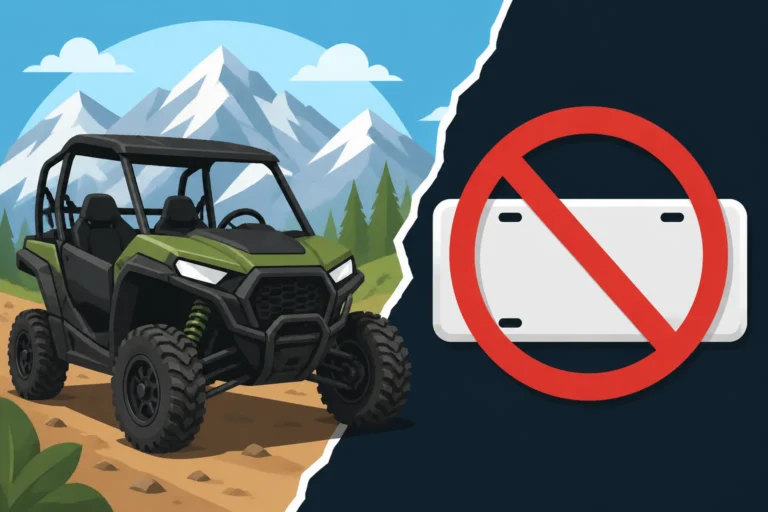
Riding From Lake City to the Alpine Loop
When you dream of conquering the iconic Alpine Loop in Colorado, the charming, historic town of Lake City often pops up as the ideal starting point. But many riders arrive with questions: how exactly do you get from your lodging in town onto those incredible mountain passes? What are the local rules for riding your ATV or UTV on town streets? It can feel a bit confusing, especially when you're eager to hit the dirt. This guide is here to demystify the process, walking you through everything you need to know to seamlessly transition from the comforts of Lake City directly onto the breathtaking trails of the Alpine Loop.
Getting Started in Lake City: Your Gateway to the Alpine Loop
Lake City holds a special place in the hearts of off-highway vehicle (OHV) enthusiasts, often hailed as one of Colorado's most OHV-friendly towns. Nestled deep in the San Juan Mountains, it’s strategically positioned as a primary access point for the famed Alpine Loop. For many visitors, the convenience of riding directly from their cabin or campground to the trailhead without having to re-trailer their machine is a huge draw. However, like any good thing, this access comes with specific rules and understandings that are crucial for a smooth and enjoyable experience.
Understanding Lake City's Unique OHV Access Rules
The ability to ride your ATV or UTV on Lake City's streets is a privilege, not a given right, and it's regulated by local ordinances. This means you can't just open throttle anywhere you please. The town has designated routes that connect accommodations and businesses to the main trail corridors, allowing riders to grab breakfast, fuel up, or get supplies before heading out. It's a fantastic system that adds immense value to the riding experience here. These designated routes are clearly marked, and it's your responsibility as a rider to know them and stick to them. Violating these rules can lead to fines and, more importantly, can jeopardize the continued OHV access that the town has worked hard to establish. You'll often find that the speed limit for OHVs on town streets is significantly lower than for regular vehicles, sometimes as low as 15 or 20 miles per hour, ensuring safety for pedestrians and residents. Parking is also restricted to designated areas, so don't just pull up and block traffic or park on private property without permission. Understanding the specifics of [Lake City and Hinsdale County Road Access] is vital before you even turn the key.
Another critical aspect of riding in Lake City is the requirement for all OHVs to have a current Colorado OHV registration sticker. This applies even if you're just riding on the designated town routes to get to a trail. If your machine is from out of state, you'll need to purchase a Colorado non-resident OHV permit. These funds are crucial for trail maintenance and search and rescue efforts, so it's a small but important contribution to keeping our trails open and safe. Always carry your registration and any other required paperwork with you, as rangers and local law enforcement regularly patrol and check compliance, especially at popular trailheads or during busy weekends.
The Highway 149 OHV Corridor and Initial Staging
Once you've navigated Lake City's town streets, your primary connection to the Alpine Loop trails will be through the designated OHV corridor on Highway 149. This isn't a free-for-all; it's a specific, controlled section of the highway that allows OHVs to travel between the town and the major turn-offs for the high-mountain passes. This corridor is absolutely essential for linking the town's services to the vast trail network beyond. It eliminates the need for riders to trailer their machines for a short distance, making the entire experience much more fluid and enjoyable. You'll want to pay close attention to the signage indicating where this corridor begins and ends, and always obey the posted speed limits and traffic laws while on Highway 149 itself.
For many, staging their ride involves finding appropriate parking for their truck and trailer. Lake City offers several options, including designated public parking areas that can accommodate larger rigs. Some lodging establishments also provide trailer parking as part of their services. It's always a good idea to scout these locations beforehand, especially if you're arriving during peak season, as spots can fill up quickly. Once your tow rig is securely parked, you can unload your OHV and begin your journey on the designated routes through town, leading directly to the [The Highway 149 OHV Corridor at Lake City] and then onward to the high country. Many riders find that a full tank of fuel before leaving town is a must, as there are no services once you head up into the mountains.
Navigating the Trail from Lake City to the Alpine Loop's Peaks
The true adventure begins once you leave the Highway 149 corridor and hit the dirt roads and trails that climb into the heart of the San Juan Mountains. From Lake City, you have direct access to two of the most iconic passes on the Alpine Loop: Cinnamon Pass and Engineer Pass. Both offer stunning scenery, rich mining history, and challenging terrain, but they provide different experiences and approaches to the loop. Knowing which one to tackle first, or which suits your group's skill level, is key to an epic day.
Choosing Your Alpine Loop Approach: Cinnamon Pass or Engineer Pass
From Lake City, you can access both Cinnamon Pass and Engineer Pass. Cinnamon Pass is generally considered the "easier" of the two if you're looking for a less technical, though still challenging, high-mountain experience. It's a wider, more graded road for much of its ascent from the Lake City side, making it a popular choice for families and those with stock side-by-sides. The views from Cinnamon Pass are absolutely incredible, offering expansive vistas of jagged peaks and pristine alpine meadows. It will connect you to Silverton and Animas Forks, allowing you to complete a section of the loop. Many riders find [Cinnamon Pass and Its Summer Window] is a perfect introduction to the Alpine Loop.
Engineer Pass, on the other hand, often presents a more technical challenge, especially on certain sections as you climb from the Lake City side towards the summit. While still generally a shelf road, it can be narrower in spots with rockier, more exposed sections that demand greater attention and a steady hand. The rewards, however, are just as immense, with some truly jaw-dropping views and a sense of accomplishment at reaching its higher elevation. If you're coming from Lake City, you'll reach Engineer Pass first, and from there, you can descend towards Ouray or explore the vast network of trails in that direction. Many riders consider [Engineer Pass From Ouray and Lake City] to be the quintessential Alpine Loop experience, demanding a bit more from both machine and driver. Consider your machine's capabilities; while many stock machines can handle these passes, having a little extra clearance or a robust skid plate from a brand like SuperATV can certainly add peace of mind on rocky sections.
Trail Conditions and What to Expect Along the Way
Riding the Alpine Loop is an exercise in preparedness, not just for your machine, but for the dynamic mountain environment. Trail conditions can vary dramatically depending on the time of year, recent weather, and the specific section of the pass you're on. Early in the season, typically late May or early June, you might encounter lingering snowdrifts, especially on the north-facing slopes and at higher elevations. This can make some sections impassable or require careful navigation through melting snow and mud. As the summer progresses, the trails generally dry out, but afternoon thunderstorms are a daily occurrence, turning dusty roads into muddy, slick tracks in a matter of minutes. Always be prepared for rapidly changing weather, from bright sunshine to hail, strong winds, or even a sudden drop in temperature. Checking [Checking Snowpack Before a Colorado Trip] and current weather forecasts is non-negotiable before heading out.
The terrain itself is a mix of wide, graded dirt roads, narrower shelf roads carved into the mountainside, and rockier sections that demand precise wheel placement. You'll be sharing these roads with a variety of other users: Jeeps and full-size SUVs, dirt bikes, mountain bikers, and even hikers. Courtesy is paramount. Always yield to uphill traffic, slow down when passing others to minimize dust, and be extra cautious on blind corners. The sheer drops on some of the shelf roads can be intimidating, but focusing on the trail ahead and maintaining a safe speed will help. Remember, this is a shared resource, and responsible riding ensures everyone can enjoy the beauty of the Alpine Loop for years to come.
Essential Preparation for a High-Altitude Alpine Loop Ride
Tackling the Alpine Loop from Lake City isn't just about knowing the routes; it's about being prepared for the unique demands of high-altitude mountain riding. The air is thinner, the weather is unpredictable, and help can be hours away. A little planning goes a long way in ensuring your day on the loop is an adventure, not an ordeal.
Your Machine: Pre-Ride Checks and High-Altitude Considerations
Before you even think about leaving Lake City, give your ATV or UTV a thorough once-over. Check your tire pressure; lower pressures can offer better traction on rocky terrain, but ensure they're appropriate for your machine and the loads you're carrying. Inspect all fluid levels – oil, coolant, brake fluid – and top them off if necessary. Look for any loose bolts, worn belts, or damaged suspension components. A minor issue in your driveway can become a major headache 12,000 feet up a mountain pass. Make sure your brakes are in excellent working order, as long descents can put them to the test. Ensure your lights are functioning, especially if there's any chance you'll be riding near dusk or in changing weather conditions.
High altitude can affect your machine's performance. Naturally aspirated engines will experience a power loss due to less oxygen, so don't expect the same punch you get at sea level. Turbocharged machines are better at compensating for altitude, but still require proper maintenance. If your machine is carbureted, it might need re-jetting for optimal performance at these elevations, though most modern fuel-injected machines adjust automatically. Consider carrying a small tool kit with common wrenches, zip ties, and duct tape for minor trailside repairs. A quality tire repair kit and a small air compressor are also highly recommended, as flats are not uncommon on rocky trails. For those looking to upgrade their machines for mountain readiness, parts like heavier-duty axles or enhanced suspension components from companies like SuperATV can make a significant difference in handling the rugged Colorado terrain, ensuring your ride is both smoother and more reliable.
Rider and Passenger Gear for a Day on the Loop
What you wear and what you carry are just as important as your machine's readiness. The weather in the San Juans can shift dramatically in minutes, so layering is key. Start with a moisture-wicking base layer, add insulating layers, and top it off with a waterproof and windproof outer shell. Even in August, temperatures at the top of a pass can drop into the 40s or 50s, especially with wind and rain. Gloves, a warm hat, and sturdy, waterproof boots are essential. Sunglasses are a must for sun protection, and clear goggles are advisable for dust and rain.
Beyond clothing, a well-stocked pack is crucial. Carry plenty of water – more than you think you'll need – to combat dehydration at altitude. High-energy snacks, a first-aid kit, and sunscreen are non-negotiable. A fully charged cell phone is good, but understand that cell service is spotty to non-existent on much of the Alpine Loop. A satellite messenger or GPS device with pre-loaded maps (like those you might find on an app or a dedicated GPS unit) can be a lifesaver for navigation and emergency communication. Don't forget a paper map and compass as a backup. [What to Carry Over a High Pass] is a critical checklist to review. For navigating long stretches without services, having a plan for [Fuel Planning for a Colorado Trail Day] will save you from an unexpected walk back to Lake City.
Experiencing the Alpine Loop: Views, History, and Responsible Riding
The Alpine Loop isn't just a collection of trails; it's a journey through Colorado's rugged past and stunning natural beauty. As you ride from Lake City, you'll pass by ghost towns, abandoned mines, and panoramic vistas that seem to stretch forever. To truly appreciate this experience and ensure it remains pristine for future generations, a deep respect for the environment and an understanding of trail etiquette are paramount.
Iconic Stops and Photo Opportunities on the Loop
The route from Lake City offers countless opportunities for breathtaking photos and memorable stops. One of the most famous and accessible ghost towns on the Alpine Loop is Animas Forks, which is easily reached from either Cinnamon Pass or Engineer Pass. Wandering through the well-preserved buildings of [Animas Forks Ghost Town by OHV] offers a fascinating glimpse into the lives of hard-rock miners from over a century ago. Imagine the grit and determination it took to live and work in such a remote and harsh environment. The structures, though weathered, tell stories of boom and bust, of families carving out a life in the extreme high country. It's a mandatory stop for history buffs and photographers alike, but remember to respect the historical structures and leave everything as you found it.
Beyond Animas Forks, the very passes themselves offer spectacular views. The summits of Cinnamon and Engineer Passes provide 360-degree panoramas of the surrounding San Juan Mountains, a sea of peaks that will make you feel incredibly small in the best possible way. Keep an eye out for wildlife such as marmots, pikas, bighorn sheep, and even elk. You'll also encounter numerous remnants of old mining operations – cabins, adits, and tailings piles – that dot the landscape, each with its own story. These historical sites are fragile, so observe them from a distance, and never disturb artifacts or structures. A great piece of advice is to pull off the main trail into a safe, designated spot when you want to stop for photos or to take in the view, ensuring you don't block traffic on these narrow mountain roads.
Trail Etiquette and Environmental Responsibility
Responsible riding is the cornerstone of preserving the Alpine Loop's beauty and access. The "Stay The Trail" initiative in Colorado is not just a slogan; it's a guiding principle. This means sticking to designated routes and never venturing off-trail to forge new paths. Riding off-trail causes irreparable damage to fragile alpine tundra, accelerates erosion, and disturbs wildlife habitat. It's also often illegal and can result in significant fines. When you see a mud puddle, ride through it, not around it, to prevent widening the trail and damaging the surrounding vegetation. More on this important topic can be found in our detailed guide on [Stay The Trail Ethics in Colorado].
Minimizing your impact extends to trash and noise. "Pack it in, pack it out" is the rule of thumb; anything you bring onto the trail, including food wrappers, water bottles, and broken machine parts, must leave with you. Even biodegradable items like fruit peels can take a long time to break down in the cold, dry climate and can attract wildlife. Be mindful of noise levels, especially when riding through populated areas like Lake City or near other trail users. Aftermarket exhaust systems, while they might sound cool, can exceed legal noise limits and generate complaints that could ultimately lead to stricter regulations or trail closures. Always ensure your machine is equipped with a functioning spark arrester, especially in dry conditions, to prevent wildfires, a devastating threat in our forests. Respecting private property, obeying all signage, and being courteous to others will ensure that the Alpine Loop remains an incredible resource for everyone.
| Aspect | Cinnamon Pass (from Lake City) | Engineer Pass (from Lake City) |
|---|---|---|
| General Difficulty | Moderate; generally wider, less technical for most sections. | Moderate to Difficult; can have narrower, rockier, more exposed sections. |
| Typical Width | Mostly two vehicles wide, with some narrower spots. | Can be single-vehicle width in sections, especially near the summit. |
| Elevation Gain | Steady climb to 12,640 ft. | Steeper, more consistent climb to 12,800 ft. |
| Connecting Towns | Leads to Animas Forks, then south towards Silverton. | Leads to Animas Forks, then north towards Ouray. |
| Scenery | Stunning alpine meadows, mining remnants, expansive valley views. | Dramatic shelf roads, steep drop-offs, more rugged mountain landscapes. |
| Popularity | Very popular, especially for families and stock side-by-sides. | Popular, often chosen by riders seeking a more "adventurous" pass. |
| Recommended Gear | Standard mountain riding gear, recovery tools, sturdy tires. | As above, plus good ground clearance, durable skid plates (e.g., SuperATV). |
Disclaimer
This article is for general informational purposes only and does not constitute professional advice. Laws, prices and regulations vary by location and change over time. Consult a qualified professional for guidance on your specific situation.