Passengers on a Colorado Road Section
Picture this: you've finally planned that epic Colorado OHV trip, the sun is shining, and your buddies or family are ready to hit the trails. But then you remember the stretch of county road you need to take to get from your cabin to the trailhead, and a nagging question pops up: can I even have a passenger on my ATV or UTV on that road? It's a common dilemma that many riders face, navigating the sometimes confusing rules between trail riding and designated public road sections. This guide is here to clear up the confusion, lay out the specific regulations, and offer practical advice to ensure you and your passengers have a safe and legal ride on Colorado's OHV-friendly roads.
The Basics of Carrying Passengers on Colorado OHV Roads
Before we dive into the nitty-gritty of Colorado's specific laws, it's crucial to understand the fundamental principles behind why these rules exist in the first place, especially when you're transitioning from a wild trail to a public road. It's not just about spoiling your fun; it's about safety, liability, and ensuring everyone gets home in one piece.
Why Passenger Rules Exist on Public Roads
The moment your wheels hit a designated public road section, even if it's a gravel county road winding through the mountains, the rules of engagement change dramatically from a private trail. On public roads, you're sharing the space with other vehicles – cars, trucks, even cyclists and pedestrians. This increased interaction with varied traffic, combined with potentially higher speeds and different surface conditions, escalates the risk factor significantly. For instance, an ATV, which is typically designed for a single rider, can become unstable and difficult to control with a passenger, especially during sudden maneuvers or on uneven road surfaces. Imagine trying to make an emergency stop or swerve around an unexpected obstacle with an improperly seated passenger shifting their weight – it's a recipe for disaster. [Riding an OHV on the Road in Colorado] further explains some of these core differences.
Furthermore, there's the legal liability aspect. Should an accident occur on a public road, the consequences for the operator can be far more severe, both legally and financially, if passenger rules were violated. These regulations are designed to minimize risks not just for the OHV occupants but for everyone else on the road. They aim to prevent tragic incidents and protect riders from situations that could easily turn sour, ensuring that the machine is operated as safely as its design and the law intend.
General Seating Capacity Rules for OHVs
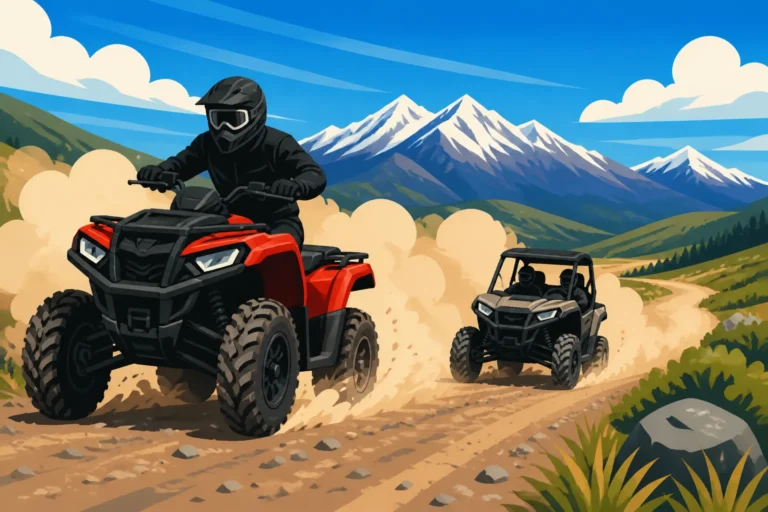
When you bought your ATV or UTV, the manufacturer designed it with a specific seating capacity in mind, and this is your first and most important guideline. For ATVs, this typically means one rider only. While some aftermarket seats exist that claim to convert a single-rider ATV into a two-up machine, Colorado law, like many other states, generally defers to the manufacturer's original design for public road use. Riding two people on a single-rider ATV can drastically alter its balance, braking, and steering characteristics, making it unsafe and illegal on a public road section. The added weight over the rear axle can lift the front wheels during acceleration or hard braking, leading to a loss of control.
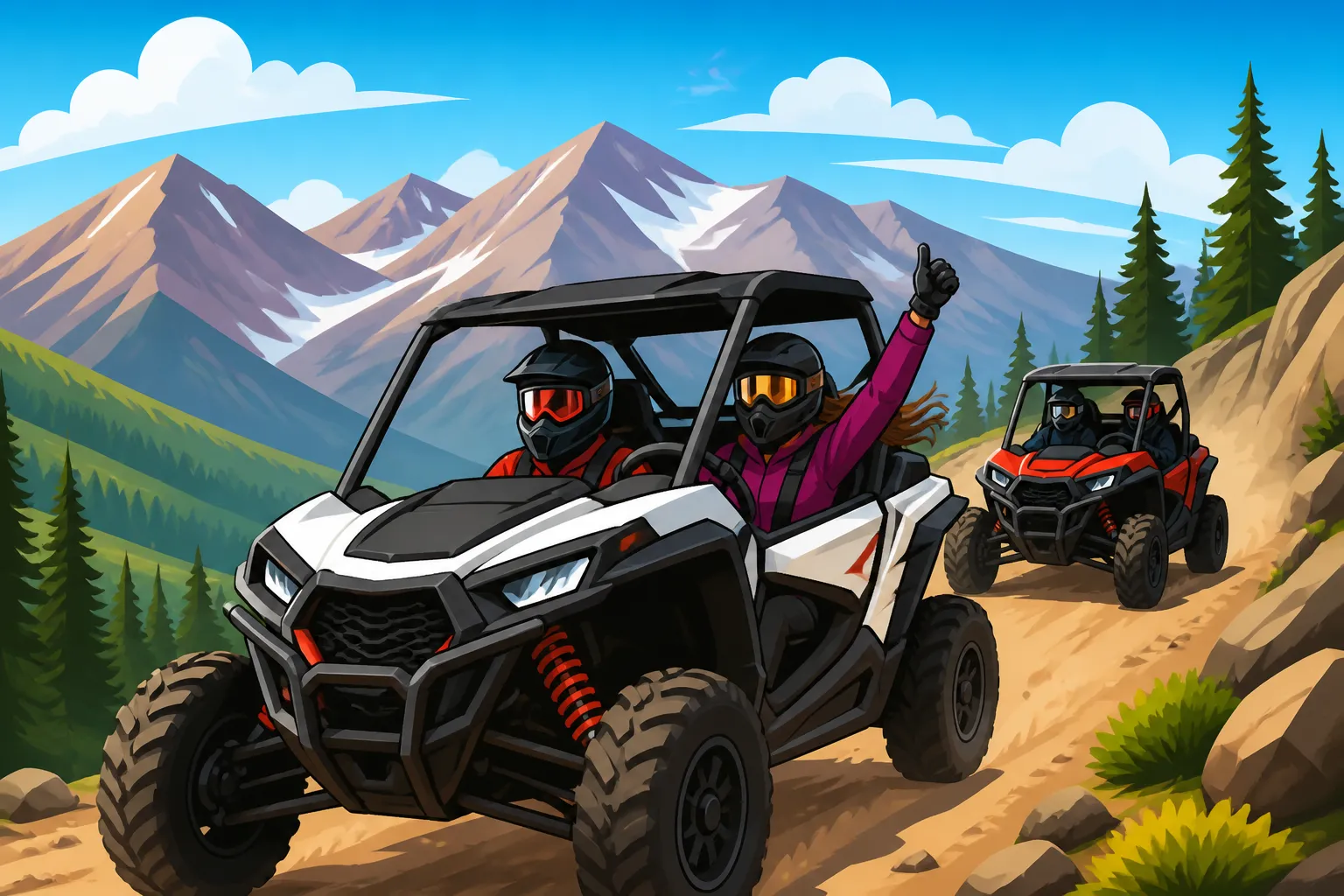
UTVs, on the other hand, are often designed with multiple seating positions, complete with seat belts and roll cages. If your UTV has two, four, or even six designated seats from the factory, these are generally acceptable for carrying passengers on designated road sections, provided each passenger is properly secured in a factory-installed seat. The key here is "designated seats." This means no one riding in the cargo bed, standing on the side, or perched precariously on a fender. Every passenger must have their own secure, factory-installed seating position, just like in a car. Overloading your UTV by exceeding its designed seating capacity or allowing passengers to ride in non-designated areas dramatically increases the risk of injury and can lead to significant penalties. It's crucial to respect these design limitations to ensure stability and control, especially when navigating curves or encountering sudden dips in the road.
Specific Colorado Regulations for Passengers on Designated Road Sections
Colorado has made strides in opening up certain county roads to OHV use, which is fantastic for connecting trails and accessing amenities in mountain towns. However, with this privilege comes specific responsibilities, especially regarding who can ride along as a passenger and how. It's not a free-for-all; there are clear rules to follow.
Who Can Be a Passenger on an OHV on a Road?
Generally speaking, when it comes to passengers on designated Colorado OHV road sections, the rules largely align with those for operators, particularly concerning age and supervision. While there isn't a specific minimum age for a passenger if they are properly secured in a designated seat and the vehicle is designed for multiple occupants (like a UTV), common sense and other safety regulations come into play. For instance, any child passenger must be old enough and large enough to properly fit into the vehicle's seat belts and adhere to helmet requirements. You can find more details on youth operation in Colorado in our guide on [Youth Machine Size Rules Colorado Parents Ask About].
The operator's age and license status are also vital. On designated public roads, the operator of the OHV must meet the legal requirements for driving on public roads, which typically means holding a valid driver's license. If an unlicensed minor is operating the OHV on a designated road, even with a properly seated passenger, that's a violation. Essentially, if you wouldn't let your child drive a car down that road, the same caution should apply to an OHV. It's about ensuring competent operation, especially when another person's safety is in your hands.
For ATVs, which are predominantly single-rider machines, carrying any passenger on a public road section is generally prohibited. Even if the passenger is an adult, the machine's design for a single occupant makes it unsafe and, therefore, illegal for two people on a public road. This is a common point of confusion, as many people assume if an adult is on the back, it's fine. However, stability, handling, and manufacturer recommendations are paramount here.
Safety Gear and Requirements for OHV Passengers
When you're riding with a passenger on a Colorado road section, safety gear isn't just a suggestion; it's a requirement, especially for younger riders. Colorado law mandates helmets for all OHV operators and passengers under the age of 18 when riding on public roads or public lands. This isn't just a basic bicycle helmet; it needs to be a DOT-compliant helmet, designed to protect against the specific impacts that can occur in an OHV incident. Proper fit is crucial – a helmet that's too loose or too tight won't offer the protection it's designed for.
Eye protection is also a must for all riders, regardless of age, on these road sections. Goggles or a full-face helmet visor are essential to protect against dust, debris, insects, and the elements. A small rock kicked up by a passing vehicle or even your own tires can cause serious injury if your eyes aren't protected. Think of it as an invisible shield against the unexpected.
For UTVs, the factory-installed seat belts are non-negotiable. Every passenger must be securely buckled in their designated seat at all times while the vehicle is in motion on a public road. These aren't merely comfort features; they are critical safety devices designed to keep occupants inside the protective cage in the event of a rollover or collision. Checking the condition of seat belts before each ride, ensuring they latch correctly and are free from wear and tear, is a small but vital pre-ride safety check. Beyond seat belts, the structural integrity of the roll cage and any protective netting or doors on your side-by-side are part of its inherent safety design and should be regularly inspected. Companies like SuperATV offer robust aftermarket doors and cages that can enhance passenger protection and provide an extra layer of security.
Understanding "Designated Road Sections" and Their Impact on Passengers
The term "designated road section" is key here. Colorado hasn't simply opened up all county roads to OHVs. Instead, individual counties and towns have the authority to pass ordinances that allow OHVs on specific roads within their jurisdictions. [Colorado County Roads Open to OHVs] goes into more detail. These are typically county roads, not state highways, and often have signage indicating where OHV use is permitted and what rules apply. The importance of this distinction cannot be overstated, as the passenger rules we're discussing primarily apply to these officially designated routes.
When you're on a trail that's not designated as a public road, some of these stringent passenger rules might be interpreted differently by local rangers, but on a clearly marked "OHV Route" or a county road where OHVs are permitted, the full force of the law applies. This means that an ATV, even if it has an unofficial "buddy seat," is still generally considered a single-rider machine on these designated road sections. For UTVs, it means ensuring every passenger is in a factory-installed seat with a seatbelt and the appropriate safety gear.
The nuances can vary from one mountain town to another. For example, [Lake City and Hinsdale County Road Access] might have slightly different specifics than what you'd find in the [Kremmling's OHV Street Rules]. Always look for posted signs, consult local ordinances, or check county maps before you ride with passengers on any new road section. Ignoring these local designations and rules not only risks fines but, more importantly, can jeopardize the safety of your passengers and the future of OHV access in Colorado. Riding where you're not permitted, especially with passengers, can lead to serious legal consequences and negatively impact the perception of OHV riders among residents and officials.
| Feature | ATV (Single Rider) on Road Sections | UTV (Multi-Passenger) on Road Sections |
|---|---|---|
| Seating Capacity | Strictly one rider | Manufacturer-designated seats only |
| Passenger Legality | Generally Prohibited | Permitted in designated seats |
| Helmet Requirement | Required for all under 18 | Required for all under 18 |
| Eye Protection | Required for all riders | Required for all riders |
| Seat Belts | Not applicable | Required for all occupants in designated seats |
| Roll Cage/Nets | Not applicable | Factory-installed recommended; aftermarket upgrades common |
| Driver's License | Required for operator | Required for operator |
| Stability Impact | Severely compromised with passenger | Designed for multiple, but still impacted by weight distribution |
Challenges and Considerations for Riding with Passengers
Bringing along a passenger fundamentally changes the dynamics of your ride. It's not just about adding weight; it's about shifting balance, increasing braking distances, and requiring a higher level of awareness and skill from the operator. Overlooking these factors can quickly turn a fun outing into a harrowing experience.
Rider Experience and Machine Suitability
Adding a passenger, even a small one, significantly alters the handling characteristics of your ATV or UTV. The extra weight shifts the machine's center of gravity, affecting its stability, especially in turns or on uneven terrain. This is particularly noticeable on ATVs, which are designed to be maneuvered by the rider actively shifting their weight. With a passenger, this active weight shifting becomes impossible or highly restricted, making the machine much harder to control. If you're a newer rider, it's really important to gain solid experience riding solo before you even consider taking on a passenger, especially on public road sections where unexpected situations can arise quickly.
For UTVs, while they are built for multiple occupants, carrying a full load of passengers and gear still demands more from the machine. Braking distances will increase, acceleration will be slower, and the suspension will work harder. It’s crucial to know your machine's limits and understand how it behaves under a full load. If you frequently carry passengers or heavy gear, you might consider upgrading your suspension or tires to better handle the added stress. Companies like SuperATV offer a wide range of aftermarket suspension components, heavy-duty springs, and upgraded shock absorbers that can dramatically improve handling and comfort when your machine is loaded up. Think about it: an overloaded UTV straining on a steep incline or trying to stop quickly on a gravel road is not only less fun, but it's also a serious safety concern.
Communication and Comfort for Passengers
A good ride is a shared experience, and clear communication is paramount when you have a passenger. On noisy machines or dusty roads, it can be hard to hear, so establish some basic signals or expectations before you start. Tell your passenger how to hold on securely, where to place their feet, and what to do if you hit a sudden bump. For UTV passengers, remind them to keep their hands and feet inside the vehicle and not to attempt to stand up while moving. A lot of first-time passengers might not realize how important their body positioning is, especially on rougher road sections.
Ensuring your passenger is comfortable is also key to an enjoyable ride for everyone. Are they securely seated? Do they have a proper grab handle to hold onto? Are their feet firmly on footrests, not dangling? Long rides can be tiring, and an uncomfortable passenger is more likely to fidget, distracting the driver or even causing an unexpected shift in weight that could throw off the machine's balance. Consider where your passenger is looking; if they're constantly looking over your shoulder, it might restrict your view. A pre-ride briefing explaining basic passenger etiquette can make a huge difference in safety and enjoyment.
Potential Fines and Liabilities
Ignoring Colorado's passenger rules on designated road sections isn't just a minor infraction; it can lead to significant fines and other penalties. Law enforcement officers, particularly Colorado Parks and Wildlife Rangers or local sheriffs, regularly patrol these areas, and they take these safety regulations seriously. A citation for an unregistered OHV or for carrying an illegal passenger can quickly add up, turning your fun trip into an expensive headache. [Penalties for an Unregistered OHV in Colorado] can give you an idea of the costs involved with other violations.
Beyond the immediate fines, there's the much more serious issue of liability. If you're involved in an accident while carrying an illegal passenger or one who isn't properly secured, your insurance coverage could be jeopardized. Most insurance policies have clauses that exclude coverage for incidents resulting from illegal operation or reckless behavior. This means you could be personally responsible for medical bills, property damage, and legal fees, which can be devastating. As an operator, you have a legal and moral responsibility for the safety of your passengers. Understanding and adhering to all passenger rules is not just about avoiding a ticket; it's about protecting yourself, your passengers, and your financial future.
Best Practices for a Safe and Enjoyable Passenger Experience
Once you understand the rules, the next step is to embrace best practices that ensure everyone has a fantastic, safe, and legal time on Colorado's OHV roads. It's about being prepared, proactive, and considerate.
Pre-Ride Briefing for Your Passenger
Before you even turn the key, have a quick chat with your passenger, especially if they're new to OHV riding or haven't ridden with you before. This isn't just for kids; even adult passengers can benefit from clear instructions. Explain how they should hold on – firmly to grab handles or the seat itself, not to your shoulders, which can impede your steering. Tell them to keep their feet on the floorboards or footrests and their hands inside the vehicle, especially on a UTV where limbs can be easily caught. A simple phrase like, "If I brace for a bump, you brace for a bump," can be incredibly helpful.
Discussing body positioning is also important. For an ATV, they'll need to learn how to lean with you into turns, almost becoming an extension of your own movements (if it's a legal two-up ATV model). For UTVs, remind them to stay seated and let the vehicle's suspension do the work. Set expectations for the ride: will it be fast and spirited, or a slower, scenic cruise? Will you be encountering any particularly bumpy or steep sections? Knowing what's coming can help a passenger relax and enjoy the ride rather than being constantly surprised or fearful. This pre-briefing builds trust and ensures you're both on the same page for a smoother, safer journey.
Equipment and Modifications for Passenger Safety
Reviewing your OHV's safety features before any ride with passengers is a must. Check the condition of all seatbelts in your UTV – are they frayed, do the buckles work properly? Ensure the grab handles are secure and not loose. Consider adding reflective tape or a whip flag to your machine, especially if you'll be riding on county roads where you might encounter other traffic. [Whip Flags in an Open Riding Area] might apply to some road sections too, depending on local ordinances.
For those who frequently ride with passengers, investing in aftermarket safety enhancements can provide significant peace of mind. Many companies, including SuperATV, offer high-quality, durable aftermarket accessories designed to bolster safety and comfort. This could include stronger roll cages that offer enhanced protection beyond factory standards, five-point harnesses for more secure passenger restraint (especially useful for active riding or younger children), or even upgraded doors and window nets to keep occupants safely inside the vehicle. Additionally, maintaining proper tire pressure for your loaded machine, ensuring your brakes are in excellent condition, and that your suspension is adequate for the added weight are all part of responsible passenger preparation. These modifications aren't about making your machine invincible, but about stacking the odds in your favor should an unforeseen event occur.
Respecting Other Road Users and the Environment
When you're riding an OHV on a designated road section with passengers, you become an ambassador for the entire OHV community. Your actions reflect on all riders. This means adhering to speed limits, which are often lower for OHVs on county roads than for cars. It means maintaining safe distances from other vehicles, cyclists, and pedestrians, allowing them plenty of space. Passing slowly and wide, especially when there are homes or businesses nearby, minimizes dust and noise, showing respect for the local community. [Riding Slowly Past Homes on a Route] is more important than ever when you have multiple people and greater visibility.
Remember that noise and dust can be major irritants to residents, potentially leading to complaints and, ultimately, restrictions on OHV access. A stock exhaust with a spark arrester is usually required on public lands, and it's also the most considerate choice for road sections. [Mufflers and Spark Arresters in Colorado] details these requirements. If you're carrying passengers, your machine might naturally kick up more dust or be slightly louder due to the increased load on the engine, so being extra mindful in residential areas is critical. Responsible riding, especially with passengers, ensures that these precious road access opportunities in Colorado remain open for future generations to enjoy.
Common Misconceptions and FAQs
Despite the increasing clarity around OHV rules in Colorado, some common misconceptions persist, particularly when it comes to carrying passengers on road sections. Let's tackle a few of these head-on.
"But it's just a short ride!"
This is perhaps one of the most common justifications for bending the rules, and it's a dangerous one. "It's just a short ride to the trailhead," or "We're just going across town for lunch." The length of the ride has absolutely no bearing on the potential for an accident. Accidents can and do happen on short stretches of road, often precisely because riders let their guard down. A sudden swerve to avoid a deer, an unexpected pothole, or an encounter with an inattentive driver can happen at any moment, regardless of how far you've traveled.
Furthermore, law enforcement doesn't differentiate between a "short ride" and a "long ride" when issuing citations. If you're caught violating passenger rules, the fine will be the same whether you've gone 100 feet or 10 miles. The intent behind the law is to mitigate risk, and that risk exists the moment your wheels hit a public road with an improperly seated or illegal passenger. Validating this frustration, it can feel inconvenient to have to load onto a trailer for a short hop, but the alternative carries much greater risk and cost. Always prioritize safety and legality, even for the shortest jaunt.
"My ATV has a passenger seat, so it's fine, right?"
This is a tricky one, as it touches on the difference between aftermarket accessories and manufacturer design, and how those are interpreted by law. While some ATVs are indeed designed by the manufacturer as "two-up" models, featuring a stretched frame and a dedicated, integrated second seat with proper footrests and grab handles, many single-rider ATVs have aftermarket passenger seats available. These bolt-on seats might look comfortable, but they don't change the fundamental design or handling characteristics of the ATV.
Colorado law, particularly concerning public road use, generally defaults to the original manufacturer's specifications for seating capacity. If your ATV was originally manufactured as a single-rider machine, adding an aftermarket seat typically does not make it legal to carry a passenger on a designated road section. These aftermarket additions can still compromise the ATV's stability and control, and they rarely offer the same level of safety as a factory-designed two-up model. Always check your machine's VIN or owner's manual to confirm its original seating capacity, and when in doubt, err on the side of caution. [Reading the Model Year Digit in an ATV VIN] can help identify your machine's specifics.
"What about carrying passengers for ranch work?"
This question often comes up in Colorado's rural areas, and it touches on the specific topic of [Agricultural Exemptions From Colorado OHV Rules]. It's true that OHVs used exclusively for agricultural purposes on private land often have different rules regarding registration and operation. However, when it comes to carrying passengers on public road sections, even for ranch work, the general rules still apply.
If you are operating your ATV or UTV on a designated county road (even if it's just a short stretch between fields or to move cattle), and that road is open to the public, you typically must adhere to the standard passenger regulations. This means a UTV must have passengers in designated seats with seatbelts, and ATVs are generally still single-rider machines. While there might be some leniency on private agricultural land, that leniency usually doesn't extend to public rights-of-way. Always check local county ordinances, as interpretations can vary, but generally, public road rules override private land exemptions when you cross that property line. When in doubt, it's always best to err on the side of caution or contact your local Colorado Parks and Wildlife office for clarification regarding specific scenarios.
Disclaimer
This article is for general informational purposes only and does not constitute professional advice. Laws, prices and regulations vary by location and change over time. Consult a qualified professional for guidance on your specific situation.