Colorado Helmet and Eye Protection: What Is Actually Required
Riding an ATV or UTV in Colorado is one of life's great joys, isn't it? The crisp mountain air, the stunning vistas, the sheer thrill of tackling a winding trail. But along with all that fun comes a good dose of responsibility, and frankly, a whole lot of confusion when it comes to rules and regulations. One of the biggest head-scratchers for many riders, especially those new to the state or just getting into the sport, is figuring out exactly what kind of helmet and eye protection is actually required. It can feel like you need a law degree just to get geared up! This guide is here to cut through all that noise, validate those frustrations, and lay out precisely what Colorado law expects from you and your passengers when it comes to keeping your head and eyes safe.
Navigating the Colorado Helmet Law Maze
It's easy to feel lost when trying to understand Colorado's helmet laws for off-highway vehicles (OHVs). You might hear friends say there's "no helmet law" in Colorado, or read something online that seems to contradict what a local ranger told you. This isn't just you; it's a genuine point of confusion for many, and for good reason!
Why the Confusion Exists
One of the main reasons for the widespread confusion is that Colorado doesn't have a blanket, statewide helmet law that applies to all OHV riders, of all ages, in all situations. Instead, the rules are more nuanced, often depending on factors like the rider's age, whether you're on a designated trail versus a public road, and even specific local ordinances. This patchwork approach can make it incredibly frustrating to understand your obligations. Many riders, hearing "no statewide helmet law," mistakenly believe they're completely off the hook, only to find themselves in a sticky situation with a local sheriff or Colorado Parks and Wildlife (CPW) officer. Throw in the differing rules for private land versus public land, and it's no wonder you might be scratching your head.
The Core Distinction: Age and Public Road Access
At its heart, Colorado's helmet laws for OHVs really boil down to two main criteria: the age of the rider and whether the OHV is being operated on a "publicly maintained road." If you're riding solely on private property that you own or have permission to use, and you're an adult, the state helmet laws generally don't apply. However, the moment you venture onto public lands – think National Forests, BLM lands, or especially designated county roads – the rules can change significantly. The most stringent requirements are typically aimed at youth riders and when OHVs are interacting with the broader public road system, even if it's just a short segment connecting two trails. This distinction is crucial, and understanding it can save you from a fine or, more importantly, a serious injury.
Mandatory Helmet Requirements for Young Riders
If you have kids or teenagers who love to ride, or if you're bringing along younger passengers, this section is absolutely critical. Colorado takes the safety of its youngest riders seriously, and for good reason. Their developing bodies are more vulnerable to head injuries, and the risks on an OHV are undeniable.
Riders Under 18 on Public Roads and Trails
Colorado law is very clear when it comes to minors: any person under 18 years of age operating or riding as a passenger on an OHV on public lands or publicly maintained roads must wear a DOT-compliant helmet. This isn't a suggestion; it's a legal requirement designed to protect our youth. This applies whether your 15-year-old is confidently navigating a UTV on a designated county road route, or your 8-year-old is sitting behind you on a dirt bike as a passenger. Even if you're just driving from a campground to a trailhead on a short stretch of gravel road that's open to OHVs, this rule applies to anyone under 18. It's a critical safety measure, and overlooking it can lead to a citation. So, before you hit the trails or those scenic county road segments, make sure every young rider in your group is properly protected. For more specific details on age-related requirements, you might want to read [Does a Colorado 17-Year-Old Need a Helmet?].
What "DOT-Compliant" Really Means
When the law specifies a "DOT-compliant helmet," it's not just talking about any old hard hat. "DOT" stands for the U.S. Department of Transportation, and their standard (Federal Motor Vehicle Safety Standard 218, or FMVSS 218) is a benchmark for helmet safety. A DOT-compliant helmet has been tested to meet specific performance requirements regarding impact attenuation, penetration resistance, and retention system effectiveness.
So, how do you know if a helmet is DOT-compliant? Look for the DOT sticker on the back of the helmet. It's usually a small, circular decal. However, beware of counterfeits! It's always best to purchase helmets from reputable dealers and brands. A genuine DOT-compliant helmet will also have specific internal labeling that includes the manufacturer's name, model, size, and the words "FMVSS 218." These helmets are designed to absorb impact energy, reducing the severity of head injuries in a crash. They typically feature a sturdy outer shell, an impact-absorbing liner (often made of expanded polystyrene foam), and a chin strap that securely fastens the helmet to the rider's head. Investing in a quality, DOT-compliant helmet is one of the most important safety decisions you can make for a young rider. To dive deeper into these standards, check out [DOT Helmet Standards for OHV Riders].
Eye Protection: A Crucial, Often Overlooked Requirement
While much of the focus often lands on helmets, especially for younger riders, one of the most universally required pieces of safety gear in Colorado, for all riders regardless of age, is eye protection. This rule often catches people by surprise, but it's incredibly important for safety and clear vision on the trails.
Who Needs Eye Protection and When
Here's the often-missed detail: Colorado law mandates that all OHV operators and passengers, regardless of age, must wear eye protection when riding. Yes, you read that right – everyone. This requirement applies on public lands, including designated trails and publicly maintained roads where OHVs are permitted. The reasoning is simple: the off-highway environment is inherently dusty, dirty, and full of potential hazards. Whether it's a blast of sand from the machine in front of you, a low-hanging tree branch on a narrow single-track, or even an unexpected insect, your eyes are constantly at risk.
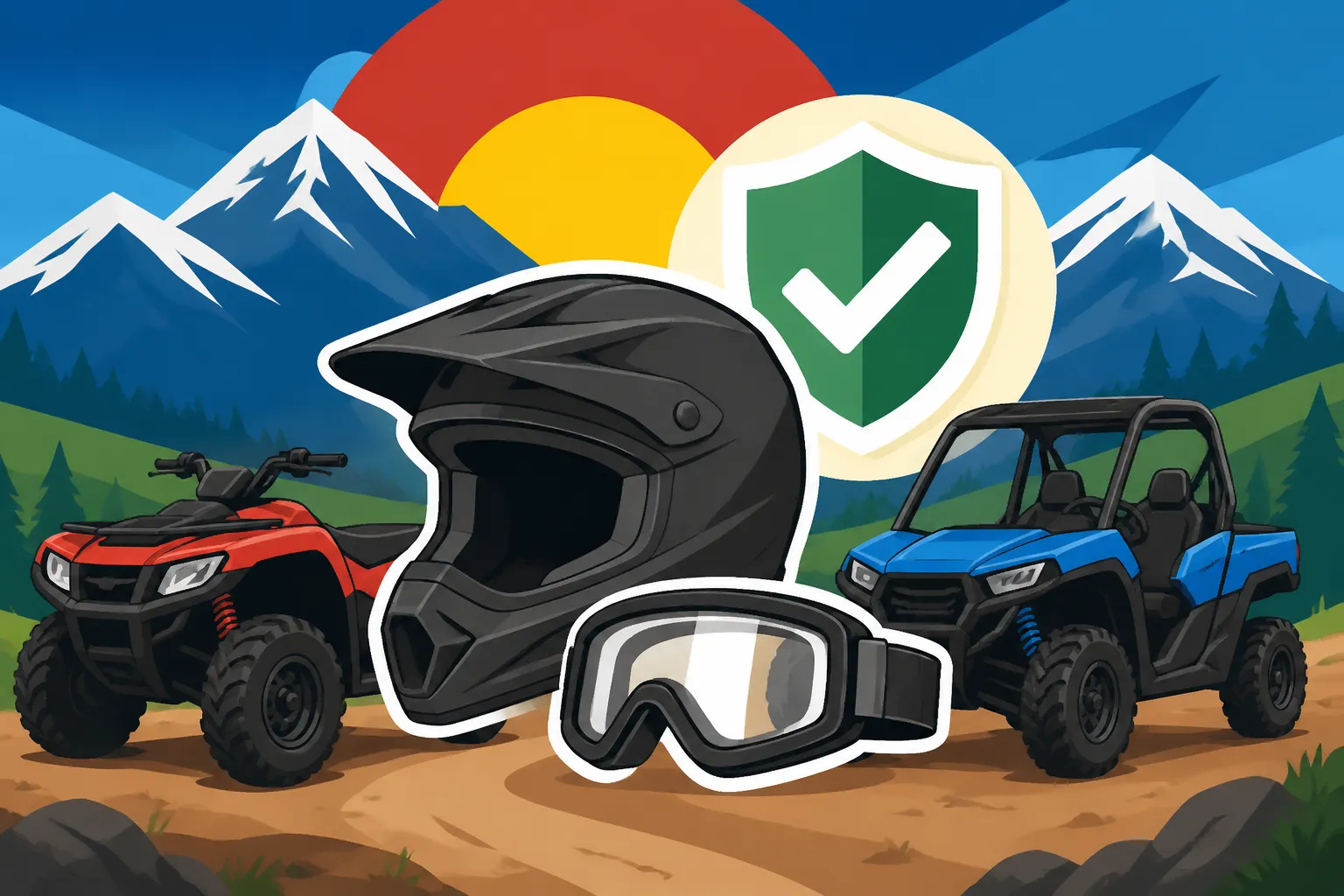
Types of acceptable eye protection include goggles designed for powersports, a face shield on a full-face helmet, or impact-resistant glasses with side shields. Regular sunglasses, while offering some glare protection, often don't provide adequate impact resistance or full coverage from debris entering from the sides. Investing in a good pair of goggles that fit snugly with your helmet is a game-changer. Brands like SuperATV offer a variety of high-quality goggles and helmets designed to integrate seamlessly, ensuring you have clear, protected vision throughout your ride. Don't underestimate this requirement; keeping your vision clear and your eyes safe is paramount to enjoying your ride responsibly. If you're specifically thinking about your kids, this article might also be helpful: [Eye Protection Rules for Young Colorado Riders].
The Dangers of Riding Without Eye Protection
Riding without proper eye protection isn't just a compliance issue; it's a significant safety hazard that can have immediate and long-term consequences. Imagine this scenario: you're cruising along a beautiful mountain trail, soaking in the scenery, when suddenly, a small rock or a chunk of dried mud is kicked up by a tire ahead of you. Without eye protection, that projectile could directly hit your eye, causing a severe injury, temporary blindness, or even permanent damage.
Beyond acute injuries, there's the constant barrage of dust, dirt, and wind. Over a long day of riding, these elements can cause irritation, dryness, and fatigue, all of which can impair your vision and reduce your ability to react to changing trail conditions. A sudden gust of wind can whip up a cloud of dust that momentarily blinds you, potentially leading to a loss of control. Furthermore, low-hanging branches or unexpected debris can scratch your cornea or cause lacerations. Even something as minor as a bug hitting your eye at speed can be incredibly startling and distracting, diverting your attention from the trail. Clear vision is fundamental to safe OHV operation, and proper eye protection ensures you maintain that clarity and focus, allowing you to fully enjoy the Colorado backcountry without unnecessary risk.
Adult Helmet Use: When It's Recommended vs. Required
This is often where the most significant confusion lies for adult riders. It’s easy to assume that if you’re over 18, you’re exempt from helmet requirements, but that’s not entirely accurate, especially when you consider different riding environments.
Public Land Trail Riding Non-Road
For adults 18 years and older, Colorado state law generally does not mandate helmet use when operating an OHV strictly on designated trails within public lands, such as those found in National Forests or on BLM land. This is the "no statewide helmet law" aspect that many riders refer to. You’ll see plenty of experienced riders out on the trails without helmets. However, just because it’s not legally required doesn't mean it's not a smart idea.
As a veteran rider and blogger, I can’t stress enough that wearing a DOT-compliant helmet is a wise personal safety choice. The risks of head injury are ever-present, whether you're a beginner or have years of experience. A sudden tip-over, an unexpected obstacle, or even a low-speed fall can result in serious trauma. Many experienced riders choose to wear helmets as a matter of course, understanding that a single bad decision or unforeseen circumstance can have life-altering consequences. While the state gives adults the freedom to choose on these specific trails, your brain isn't worth gambling. For more perspective on this, you might find [Helmets for Adults on Mountain Trails] to be a good read.
Adult Riders on Public Roads and County Routes
Here's a critical distinction that often trips up adult riders: if you are operating an OHV on a publicly maintained road in Colorado where OHV use is permitted, you are required to wear a DOT-compliant helmet, regardless of your age. This includes designated county roads, public streets in towns that have opened them to OHV use, and any other paved or unpaved road that is part of the public road system and maintained by a governmental entity.
This specific rule is often overlooked, creating a false sense of security for adult riders who might be comfortable going helmet-free on a dirt trail. The rationale behind this difference is often related to the increased speeds and different types of traffic you might encounter on public roads, even those open to OHVs. The risk profile shifts when you're sharing the road, however minimally, with cars, trucks, and other vehicles. So, if your ride involves connecting trails via a county road, or if you're taking advantage of a town's OHV-friendly street access, make sure you, as an adult, are also donning that DOT-approved helmet. Failing to do so could result in a fine. This can sometimes feel arbitrary, especially when you're just riding a short distance, but the law is explicit in these situations.
Special Situations: Riding on Private Land or in Specific Towns/Counties
The landscape of OHV regulations isn't always uniform, and it's essential to consider certain special situations that might affect helmet and eye protection requirements. For instance, if you're riding exclusively on private land that you own or have explicit permission to use, Colorado's state OHV helmet laws generally do not apply to adults. However, the landowner can absolutely set their own rules. Many private riding parks or organized events on private property will still mandate helmets for all riders, regardless of age, as a condition of entry or participation. It's always best to check with the property owner or event organizer to understand their specific safety protocols.
Furthermore, while state law provides a framework, individual towns or counties that have opened their roads to OHVs sometimes enact their own specific ordinances. While these local rules generally can't be less strict than state law, they can occasionally add additional requirements or clarifications. For example, a town might specify certain speed limits or operational hours on their OHV routes. It's always a good practice to quickly check the specific ordinances of any town or county you plan to ride through, especially if you're planning to use their public streets. Being aware of these localized rules can help you avoid unexpected citations. Remember, ignorance of the law is rarely an excuse. Breaking the rules on these public routes can lead to [Colorado Fines for Illegal Road Riding].
Choosing the Right Gear: Helmets and Eye Protection
Selecting the proper helmet and eye protection isn't just about meeting legal requirements; it's about investing in your personal safety and comfort. With so many options out there, it can feel a bit overwhelming, but understanding a few key factors will help you make an informed decision.
Factors in Selecting a DOT-Compliant Helmet
When you're looking for a new helmet, whether it's for yourself or a younger rider, start with fit. A helmet that's too loose can shift during an impact, reducing its effectiveness, while one that's too tight will be uncomfortable and distracting. Look for a snug fit without pressure points. Comfort is also paramount, especially on long rides. Consider ventilation, especially if you're riding in warmer weather or at higher altitudes where exertion is greater; good airflow can prevent overheating and fogging. Weight is another factor; a lighter helmet can reduce neck fatigue.
There are several types of helmets suitable for OHV riding:
- Full-face helmets offer the most comprehensive protection, covering your entire head and face with an integrated visor. These are excellent for high-speed riding, protection from dust and weather, and provide superior impact absorption.
- Motocross/Off-road helmets are characterized by a prominent visor to shield from roost (debris kicked up by other machines) and an open face that requires separate goggles. They offer superior ventilation and are often lighter.
- Open-face (or 3/4) helmets provide good peripheral vision and are lighter, but offer less facial protection. They also require separate eye protection.
- Modular (or flip-up) helmets offer the versatility of a full-face helmet with the convenience of a chin bar that can be raised. They tend to be heavier and more complex.
Beyond type, consider features like MIPS (Multi-directional Impact Protection System) technology, which is designed to reduce rotational forces on the brain during certain impacts. Always ensure the helmet is DOT-compliant. Brands like SuperATV often carry a range of helmets that meet these standards, offering both protection and comfort. If you plan on riding at altitude, there are even specific considerations for ventilation and comfort that you might want to look into, such as discussed in [Buying a Helmet for High Altitude Riding].
Goggles and Face Shields: What to Look For
Choosing the right eye protection is just as critical as selecting a helmet. If your helmet doesn't have an integrated face shield, a quality pair of goggles is your best friend on the trail. Look for goggles with features like anti-fog coatings to maintain clear vision in varying temperatures and humidity, which is especially important when you’re breathing heavily or riding through changing elevations. UV protection is also crucial to shield your eyes from the intense Colorado sun.
The fit of your goggles with your helmet is paramount. They should sit comfortably inside the helmet's eyeport without creating pressure points or leaving gaps for dust to sneak in. Adjustable straps are standard, ensuring a secure fit. For muddy or very dusty conditions, some goggles offer "tear-offs" or roll-off systems that allow you to quickly clear your vision. If you have a full-face helmet, ensure the face shield is scratch-resistant and optically clear. Many come with different tint options for varying light conditions. The goal is uninterrupted, clear vision, free from distractions and debris. Poor quality or ill-fitting eye protection can quickly become a hindrance, not a help, leading to discomfort, impaired vision, and potentially unsafe riding conditions.
Practical Considerations and Storage
Once you've invested in your safety gear, proper care and storage will ensure it lasts and performs optimally when you need it most. Helmets should be cleaned regularly according to the manufacturer's instructions, especially the interior liners, which can harbor sweat and odor. Crucially, a helmet should always be replaced after any impact, even if there's no visible damage, as the internal energy-absorbing foam may be compromised. Helmets also have a lifespan, typically around 5-7 years, as materials can degrade over time.
For eye protection, keep your goggles or face shield clean and scratch-free. Use soft cloths and appropriate cleaning solutions; never wipe dirt or mud off a dry lens, as this will inevitably scratch it. Store your helmet and goggles in a clean, dry place, away from direct sunlight or extreme temperatures. Many helmets come with a helmet bag for protection. Treating your gear well ensures it remains in top condition, ready to offer maximum protection whenever you hit the trails. After all, your safety equipment is your last line of defense, and it's worth taking care of it.
Here’s a quick overview of helmet types to help you decide what’s best for your riding style:
| Helmet Type | Best Use Case | Key Features |
|---|---|---|
| Full-Face | High-speed UTVs, aggressive ATV riding, street-legal routes | Maximum protection, integrated visor, good for dust/weather, often heavier |
| Motocross/Off-Road | Dirt biking, trail riding, hot weather | Excellent ventilation, peak visor for sun/roost, requires separate goggles |
| Open-Face | Casual trail riding, UTVs with windshields | Lighter, better peripheral vision, less facial protection, requires goggles |
| Modular/Flip-Up | Mixed use, convenience of opening chin bar | Versatile, good for quick breaks, often heavier and more complex |
At the end of the day, understanding Colorado's helmet and eye protection requirements isn't just about avoiding a ticket; it's about making smart choices for your safety and the safety of those you ride with. While certain rules apply specifically to minors or when riding on public roads, the recommendation for all riders to wear a DOT-compliant helmet and proper eye protection on any public land is universal. The mountain trails of Colorado offer incredible adventures, but they also demand respect for the risks involved. Gear up responsibly, set a good example, and enjoy those rides knowing you've taken the necessary steps to protect yourself.
Disclaimer
This article is for general informational purposes only and does not constitute professional advice. Laws, prices and regulations vary by location and change over time. Consult a qualified professional for guidance on your specific situation.