Engine Size Limits for Colorado Riders Under 16
Navigating the world of off-highway vehicles (OHVs) with young riders in Colorado can feel like trying to decipher a secret code, especially when it comes to understanding engine size restrictions. Parents often worry about keeping their kids safe and legal on the trails, and the rules around youth machines can be confusing and lead to frustrating misunderstandings. This guide aims to clear up that confusion, providing a comprehensive, empathetic look at Colorado's specific requirements for riders under 16, so you can confidently plan your next family adventure.
Decoding Colorado's Youth OHV Engine Size Regulations
Colorado Parks and Wildlife (CPW) has clear guidelines in place to ensure the safety of young OHV riders, primarily focusing on age and machine appropriate engine sizes. These regulations are designed to prevent children from operating machines that are too powerful or too large for their physical capabilities and skill level, which can unfortunately lead to serious accidents. It’s not just about what machine they can ride, but what machine they should ride for their own well-being and the safety of everyone on the trail.
Age-Specific Engine Displacement Rules
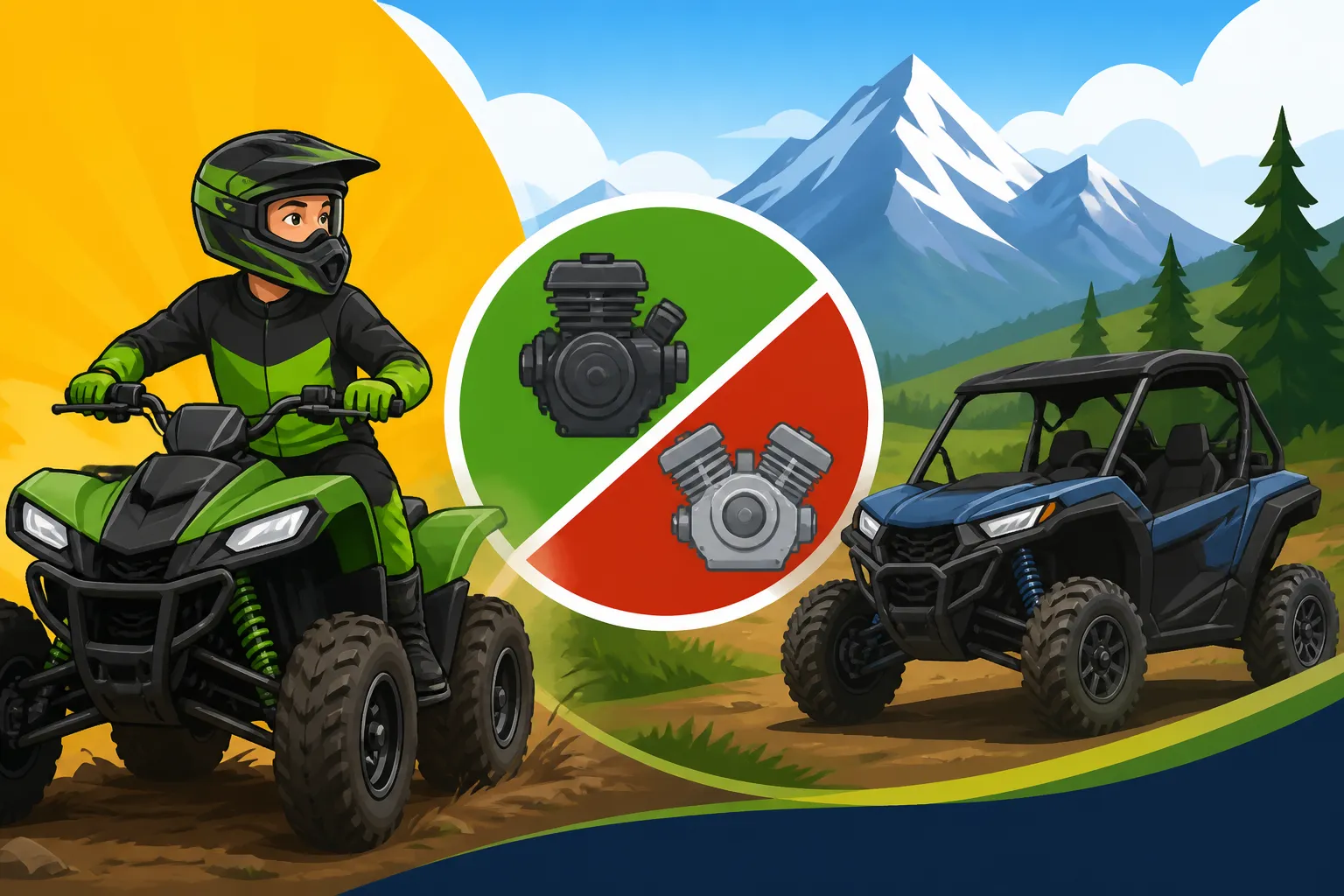
When you're looking at an ATV or UTV for your child, the engine size is a critical factor you simply can't overlook. Colorado law divides young riders into specific age brackets, each with distinct limits on the engine displacement their machine can have. These limits are typically expressed in cubic centimeters (cc), which measures the volume of the engine's cylinders, effectively indicating its power. Ignoring these rules isn't just a risk; it's a direct violation that can carry penalties, and more importantly, it puts your child in potential danger on rugged Colorado terrain.
For children under the age of 10, the rules are very strict. They are generally restricted to machines with an engine displacement of 70cc or less. This usually means smaller, often electric or very low-power gas-powered ATVs, designed for very young beginners. These machines are intentionally built with limited speed and simplified controls to help new riders develop basic skills in a controlled environment. The goal here is to introduce them to the mechanics of riding without overwhelming them with power.
As children grow and gain experience, the limits incrementally increase. For those aged 10 and 11, they can move up to machines with engines between 70cc and 90cc. This slight bump in power allows for a bit more capability as their coordination and strength improve. Again, these are often purpose-built youth machines, not simply smaller versions of adult models. It's crucial to resist the temptation to put them on something too big, even if they seem to handle it well in a flat, open field. Trail conditions are far more demanding.
For riders aged 12 to 15, the allowed engine size expands further, typically up to 125cc. At this stage, riders are often developing more advanced skills, but they still need machines that are manageable and appropriate for their physical development. While some 125cc machines can feel quite peppy, they are still within a range considered safe for responsible teenagers on designated trails. It’s worth noting that these regulations primarily apply to single-rider ATVs. Side-by-sides, with their more stable platform and often higher passenger capacity, have different considerations, though the operator must still meet age requirements.
Prohibited Machine Types for Young Riders
Beyond specific engine sizes, Colorado law also prohibits children under the age of 16 from operating certain types of OHVs on public lands, regardless of their proficiency. A major one is the restriction against riding a "Type I" ATV with a passenger, or riding a "Type II" ATV designed for a single rider. What does that mean in plain English? Many ATVs are designed for a single operator, and the law explicitly states that a passenger cannot be carried on such a machine if the operator is under 16. This is a common point of confusion for families who might have a child driving and another child riding along.
The intent behind this rule is pure safety. Machines designed for one rider are often less stable with an additional passenger, especially when operated by someone still developing their judgment and reaction skills. The added weight and shifted center of gravity can make steering and braking more challenging, significantly increasing the risk of a rollover or loss of control. It’s a harsh reality that many accidents involving youth happen when machines are overloaded or operated beyond their intended design. [Youth Machine Size Rules Colorado Parents Ask About] further clarifies these distinctions.
Another important prohibition often overlooked is the operation of an OHV that is simply too large or too powerful for the child, even if the engine size technically falls within an upper limit. If a 15-year-old is struggling to reach the controls, touch the ground, or adequately control the weight of a machine, they are not operating it safely. The law generally expects a reasonable assessment of the rider's ability to safely operate the vehicle. This isn't just about the letter of the law; it’s about good judgment and prioritizing your child's safety above all else.
Beyond Engine Size: Supervision and Safety Essentials for Young Riders
While engine size limits are a crucial component of Colorado's OHV regulations for minors, they are only part of the equation. Just as important are the rules regarding supervision and the essential safety gear that must be worn. These elements work together to create a safer environment for young riders as they explore the vast and beautiful Colorado trails. Overlooking either of these aspects can lead to citations, and more importantly, expose your child to unnecessary risks.
Mandatory Adult Supervision Guidelines
For any rider under the age of 16, Colorado law mandates direct adult supervision when operating an OHV on public lands. This isn't a suggestion; it's a strict requirement. What exactly constitutes "direct adult supervision"? It means that an adult who is at least 18 years old must be within direct line of sight of the minor, and close enough to intervene immediately if needed. This isn't about letting your child ride off on their own while you leisurely follow half a mile behind. It means being actively engaged and able to offer guidance or assistance at a moment's notice. The supervising adult also needs to be competent and capable of operating an OHV themselves.
This rule is rooted in the understanding that young riders, even those with some experience, may lack the judgment, foresight, and quick decision-making skills of an adult. They might encounter unexpected obstacles, challenging terrain, or other trail users, and an adult's immediate presence can prevent a minor incident from escalating into a serious accident. Imagine a child encountering a particularly rocky climb or a sudden drop-off they didn't anticipate. An adult's guidance or intervention could be the difference between a safe pass and a potentially dangerous situation. The law wants to ensure that a responsible, experienced set of eyes is always on these young operators. [Who May Supervise a Young Colorado Rider] offers more details on this requirement.
It’s also important to remember that this supervision requirement applies specifically to public land. If your child is riding on private property that you own or have explicit permission to use, the state’s supervision rules don't strictly apply. However, from a practical and safety standpoint, it is always recommended to supervise young riders, regardless of where they are operating their machine. Safety should always be the top priority, and even on private land, accidents can happen quickly. If you're arranging for your child to ride on someone else's private land, you might even consider a written permission slip, which you could create using a service like LawDepot, just to ensure everyone is on the same page regarding liability and expectations.
Essential Safety Gear and Practices
Beyond supervision, proper safety gear is non-negotiable for all OHV riders in Colorado, and especially for minors. The most critical piece of equipment is a DOT-compliant helmet. "DOT-compliant" means the helmet meets the safety standards set by the Department of Transportation. This isn't just any helmet; it needs to be specifically designed and certified for motorized vehicle use. A bicycle helmet, for example, will not offer the same level of protection and is not legally acceptable. The helmet must fit snugly, be securely fastened, and be worn at all times while operating or riding as a passenger on an OHV. [Colorado Helmet and Eye Protection What Is Actually Required] covers this extensively.
Eye protection is another must-have. Goggles or a helmet visor are essential to shield eyes from dust, debris, insects, and even low-hanging branches. Imagine taking a pebble to the eye at speed; it could cause a rider to lose control instantly. Beyond head and eye protection, wearing appropriate long-sleeved shirts, long pants, gloves, and over-the-ankle boots is highly recommended. These items provide crucial protection against scrapes, bruises, and even minor burns, which are common when riding off-road.
Parents should also teach their children safe riding practices from the very beginning. This includes understanding the terrain, always riding at a safe speed for conditions, never riding under the influence of anything that impairs judgment, and respecting trail etiquette. Enrolling your child in a voluntary OHV safety course can provide invaluable training and reinforce these crucial skills. Even if not mandatory in Colorado for youth, these courses teach collision avoidance, emergency braking, proper turning techniques, and how to assess terrain, building a foundation for a lifetime of safe riding.
Understanding Where the Rules Apply and the Consequences of Non-Compliance
It's one thing to know the rules, but it's another to understand where those rules are enforced and what happens if they are broken. Colorado's OHV regulations, including those for youth riders, primarily apply to public lands, but there are nuances. Being aware of the jurisdiction and potential penalties is crucial for responsible OHV ownership and ensuring a smooth, enjoyable experience for your family.
Public Land Versus Private Property
The engine size limits and supervision requirements for young riders in Colorado are specifically tied to riding on public lands. This includes national forests, Bureau of Land Management (BLM) areas, state parks, and any designated OHV trails maintained by these agencies. When you're out on a Forest Service road or a designated trail in a state park, these rules are in full effect, and rangers are authorized to enforce them. They are there to ensure everyone's safety and protect the natural resources we all share. It's on these public lands where you'll most often encounter checks by park rangers or other law enforcement officers, who will confirm that riders meet age and machine requirements.
However, if you own private land, or have express permission from a private landowner to ride on their property, Colorado's specific OHV statutes regarding youth age and engine size generally do not apply. This doesn't mean safety goes out the window; quite the contrary. It means that as the property owner or responsible party, you assume the full responsibility for setting and enforcing your own safety guidelines. While you might allow a younger child to ride a larger machine on your private acreage, it is still highly advisable to follow the state's public land guidelines as a best practice for safety. Even if not legally mandated, these guidelines are based on sound principles of rider development and machine control.
For those situations where a child might be riding on a friend's ranch or another private parcel, securing [Written Permission Before Riding Private Land] is always a smart move. This simple document, which could be drafted using templates from a legal document service like LawDepot, can help clarify the terms of access and demonstrate due diligence. It protects both the rider and the landowner, establishing clear expectations. Remember, "private land" exceptions do not extend to private roads that are open for public use, or roads that connect public land sections; if it's accessible to the public, it's generally treated as public land for OHV rule enforcement.
Penalties for Violations
Ignoring Colorado's OHV regulations for young riders can lead to more than just a stern talking-to. The penalties for non-compliance can range from monetary fines to more serious consequences, depending on the severity and nature of the violation. For example, operating an OHV without the proper registration can result in fines, and riding in restricted areas or without the required safety gear can also lead to citations. When a minor is involved, the supervising adult or legal guardian is typically held responsible for these violations. This means the fine won't just hit the child's piggy bank; it will be directed at the adult in charge. [Penalties for an Unregistered OHV in Colorado] illustrates the financial impact of such oversights.
Beyond the immediate financial impact, repeated violations or involvement in an accident due to non-compliance could lead to other issues, such as increased scrutiny from law enforcement or even temporary loss of riding privileges. Furthermore, if an accident occurs where regulations were ignored (e.g., child on an oversized machine, no helmet), it could complicate insurance claims or even lead to civil liability lawsuits. While incidents are rare, the consequences can be profound, making adherence to the rules not just a legal obligation, but a critical aspect of responsible OHVing.
The most important "consequence," however, isn't legal or financial; it's the potential for injury. These rules exist because OHV riding carries inherent risks, and those risks are significantly magnified when children are on machines too powerful or without proper supervision and gear. A citation is a reminder to prioritize safety, but a serious injury is a life-altering event. Taking the time to understand and follow Colorado's youth OHV regulations is an investment in your child's safety and your family's peace of mind on the trails.
Choosing the Right Youth Machine and Essential Safety Gear
Selecting an OHV for a young rider is a big decision, extending far beyond simply checking off the engine size box. It involves considering the child's physical development, skill level, and comfort, as well as equipping them with the best possible safety gear. Making informed choices here ensures a positive and safe introduction to the world of off-roading.
Matching the Machine to the Rider
When you're looking for a youth ATV or UTV, remember that "right size" isn't just about engine displacement; it's also about ergonomics. Can your child comfortably reach the handlebars, footpegs, and controls? Can they operate the brakes effectively? Can they confidently touch the ground with their feet when seated on an ATV? If the machine is too big, they'll struggle with control, balance, and emergency maneuvers. This can lead to fatigue, frustration, and a higher risk of accidents. Many manufacturers design youth models with adjustable throttles or speed limiters, which are fantastic features for beginners. These allow you to progressively increase the machine's speed as your child gains experience, ensuring they aren't overwhelmed by too much power too soon.
Consider the machine's overall weight and stability. Lighter, more agile machines might be easier for a smaller rider to manage, but too light can sometimes mean less stability on uneven terrain. A good youth machine strikes a balance, offering stability without being overly cumbersome. Automatic transmissions are often preferred for younger riders, as they simplify operation and allow the child to focus on steering, braking, and terrain management rather than shifting gears. While a manual transmission can teach valuable skills, it adds a layer of complexity that might be better suited for more experienced or older youth riders. Taking the time to test ride various models (if possible) and observing your child's comfort and control is invaluable.
The choice between an ATV and a side-by-side (UTV) for a youth rider also merits consideration. ATVs require more active balance and body positioning, teaching fundamental riding skills that are beneficial for various powersports. UTVs, with their roll cages, seatbelts, and steering wheels, offer a different kind of stability and protection, often making them a popular choice for families. However, they also come with their own set of rules and considerations, particularly regarding passenger capacity and road access. For any purchase, new or used, ensuring you have proper documentation like a well-drafted bill of sale is important, and you can find reliable templates for this on sites like LawDepot. [Buying a Used ATV in Colorado The Paperwork] explains this process in detail.
Investing in Quality Safety Gear
We touched on helmets and eye protection earlier, but it's worth emphasizing the importance of investing in quality gear. A cheap, ill-fitting helmet is barely better than no helmet at all. A helmet should be DOT-certified, fit snugly without being uncomfortable, and be replaced if it sustains any significant impact or shows signs of wear and tear. Goggles should offer full eye coverage and be free of scratches or fogging. Good visibility is paramount on the trails.
Beyond head and eye protection, consider specialized riding apparel. This isn't just about looking the part; it's about protection. Padded riding pants, jerseys with reinforced elbows, and chest protectors can absorb impacts and prevent road rash. Off-road gloves protect hands from blisters, impacts, and provide a better grip. Over-the-ankle boots (not sneakers) are essential for ankle support and protection from hot engine parts, debris, and impacts. While this gear can represent a significant upfront investment, it's a small price to pay for your child's safety and comfort. Think of it as essential equipment, not optional accessories.
Finally, remember that safety gear is only effective if it's worn correctly and consistently. Instill in your child the habit of gearing up every single time they ride, no exceptions. Lead by example and wear your own protective gear. Make it a routine, and it will become second nature, allowing your young rider to focus on enjoying the adventure safely.
| Rider Age Group (Years) | Maximum Engine Size (Approx. CC) | Typical Machine Type | Key Considerations |
|---|---|---|---|
| Under 10 | Up to 70cc | Small Youth ATV | Low speed, simple controls, often electric or very small gas engine. |
| 10-11 | 70cc to 90cc | Youth ATV | Incremental power, focus on developing basic skills, good stability. |
| 12-15 | Up to 125cc | Youth ATV, smaller UTVs | Increased power, focus on skill development, proper ergonomics. |
| All Under 16 | N/A (General Rule) | Single-Rider ATV | No passengers allowed on single-rider ATVs. |
Disclaimer
This article is for general informational purposes only and does not constitute professional advice. Laws, prices and regulations vary by location and change over time. Consult a qualified professional for guidance on your specific situation.