Choosing a First Quad for an Eight-Year-Old
Bringing home that first quad for your eight-year-old is a monumental moment, filled with excitement and, let’s be honest, a good dose of parental apprehension. You’re dreaming of the adventures and the smiles, but also worrying about safety, finding the perfect fit, and making sure you’re following all the rules here in Colorado. This guide is here to walk you through every consideration, from engine size to safety gear, ensuring you make a confident and informed decision for your young rider.
Understanding the Unique Challenges for Young Riders (and Parents!)
It's easy to get swept up in the idea of your child tearing up the trails, but before you start browsing machines, it’s really important to pause and think about what an eight-year-old is genuinely ready for. This isn't just about their height or weight; it's a holistic look at their physical, mental, and emotional development, all while keeping Colorado's specific regulations in mind.
The Eight-Year-Old's Developing Skills
Every child develops at their own pace, but generally speaking, an eight-year-old is still very much in a stage of significant growth, both physically and cognitively. On the physical front, their hand-eye coordination is improving rapidly, and they’re likely showing better balance than a couple of years prior. However, their muscle strength might still be developing, especially in their hands and arms, which are crucial for steering, braking, and managing the throttle on a quad. You might notice they can ride a bicycle confidently, but operating an ATV involves a different set of muscles and responses, often in a more dynamic and unpredictable environment. They need to be able to comfortably reach and operate the brake levers without stretching or straining, and maintain a firm grip on the handlebars even over bumps.
Beyond the physical, consider their cognitive and emotional maturity. An eight-year-old is certainly capable of understanding rules, but their ability to process multiple pieces of information simultaneously, like steering, throttle control, and watching for obstacles, while also anticipating potential hazards, is still maturing. Their judgment calls are not yet fully developed, and they might be prone to impulsive decisions, especially if they’re excited or feeling peer pressure. Validating these feelings as a parent is key – it's natural for them to want to go fast or try tricks, but it’s our job to instill a sense of responsibility and caution. Their attention span, while longer than a toddler's, might still waver, making sustained focus on safe riding challenging during longer outings. You’ll want to have a frank conversation about expectations and consequences before they even sit on the machine.
Colorado's Rules on Youth Machines
One of the most critical aspects of choosing a first quad in Colorado is understanding the law. It’s not just about what you think your child can handle; it's about what the state permits. Colorado has specific rules regarding youth machines and riders under the age of 16, primarily focusing on engine displacement. These regulations are designed to ensure that young riders are on machines appropriate for their size, weight, and developmental stage, aiming to minimize risks. Ignoring these rules isn't just a matter of potential fines; it's a safety hazard that could have serious consequences.
Generally, for riders under 10 years old, the state limits them to machines with engine sizes of 70cc or less. For those aged 10 to 16, the limits typically extend to 90cc. These aren't arbitrary numbers; they reflect a general consensus on the power and weight a young person can safely manage. However, always remember that these are maximums, and a child might be better suited to a smaller machine even if they technically fall within a higher age bracket. For instance, a small-for-their-age eight-year-old might be far more comfortable and safer on a 50cc machine than a 70cc, even if the latter is allowed. You can delve deeper into these specific requirements by looking at resources like [Engine Size Limits for Colorado Riders Under 16]. It's not just about the machine, either; proper adult supervision is absolutely mandatory for young riders on public lands. This means being within sight and sound, ready to intervene at a moment's notice.
Sizing Up the Right Machine: Engine Displacement and Physical Fit
Once you understand your child’s capabilities and Colorado’s regulations, the next step is to start looking at the machines themselves. This isn't a "one size fits all" situation; the perfect quad for an eight-year-old hinges on a careful balance of engine power and physical ergonomics.
Decoding Engine Size for Beginners
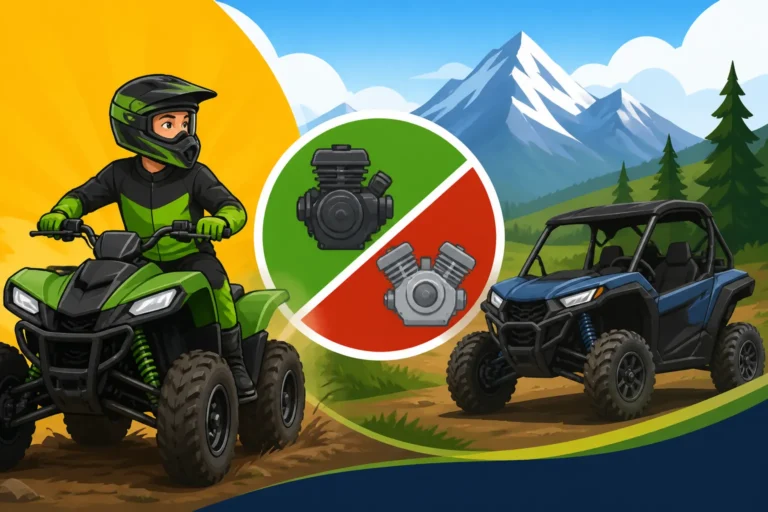
When you see a quad advertised as "50cc" or "90cc," that "cc" refers to cubic centimeters, which is the displacement of the engine cylinders. In simple terms, it's a measure of the engine's volume, and generally, a higher number means more power. For an eight-year-old's first quad, less is definitely more. You're not looking for speed demons; you're looking for a manageable machine that allows them to build skills and confidence without being overwhelmed.
A 50cc quad is typically designed for the youngest riders, often starting around age six, but it can be an excellent, unintimidating choice for an eight-year-old who is new to the sport or on the smaller side. These machines are usually very lightweight, have lower top speeds, and often come with built-in throttle limiters to further restrict power. Moving up to a 70cc or 90cc quad introduces more power and a bit more weight, which an eight-year-old might be ready for if they have some experience or are physically larger and more confident. The key here is gradual progression. Starting with a machine that is too powerful can be frightening for a child, leading to bad habits or, worse, accidents. Think of it like learning to ride a bicycle: you don't start with a racing bike; you start with something stable and easy to control. The same principle applies here.
The Importance of a Proper Physical Fit
Engine size is only half the battle. A child can be on the "right" engine size according to age guidelines, but if the machine doesn't fit them physically, it can be just as dangerous as one that's too powerful. An ill-fitting ATV can make it hard for them to reach controls, maintain balance, or react quickly in an emergency. This isn't just about comfort; it's a fundamental safety issue.
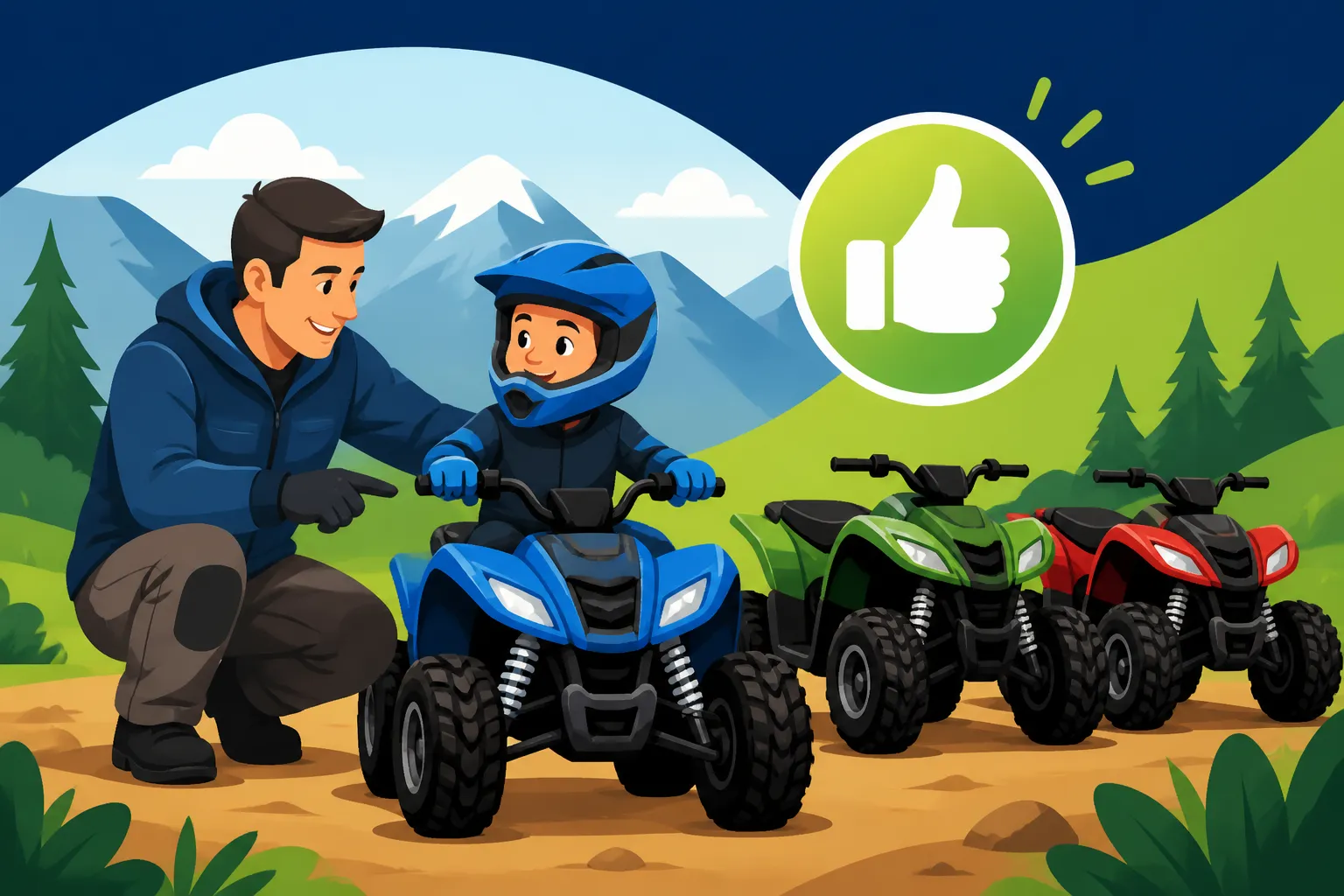
When your child sits on the quad, their feet should be able to reach the footrests or floorboards comfortably, and their knees should have a slight bend, allowing them to absorb shocks while riding. They should be able to reach the handlebars without having to lean too far forward or stretch their arms out completely straight. Most critically, they need to be able to easily reach and fully squeeze the brake levers. If their hands are too small or the levers are too far away, they won't be able to stop effectively. Consider taking your child to a dealership or a friend's house with a youth quad so they can sit on various models and you can observe their posture and reach. It’s also wise to check the seat height. While they won't typically put both feet flat on the ground when riding, they should be able to shift their weight and use their legs for balance and leverage. Manufacturers often design youth models with lower seat heights and narrower profiles to accommodate smaller riders, so make sure to look for those specifications.
Safety Features Every Parent Should Look For
When it comes to your child's first quad, safety isn't just a feature; it's the feature. Modern youth ATVs often come equipped with a range of safety mechanisms designed to give parents peace of mind and help young riders learn responsibly. Knowing what to look for can make a huge difference.
Essential Built-In Safety Mechanisms
The first thing you’ll want to scrutinize on any potential youth quad is its suite of built-in safety features. A throttle limiter is paramount. This simple, adjustable screw or mechanism physically restricts how much the throttle can be opened, effectively limiting the machine's top speed. This allows you to start your child at a very slow, controlled pace and gradually increase the speed as their skills and confidence grow. It's like having training wheels for their acceleration.
Another fantastic innovation is the remote shut-off switch. Imagine your child gets into a sticky situation or simply gets too far ahead. With a remote, you can instantly kill the engine from a distance, bringing the machine to a safe stop. This provides an invaluable layer of parental control, especially during early learning phases. Many models also include a tether kill switch, which is a cord attached from the rider to a switch on the handlebars. If the rider falls off the machine, the tether pulls out, immediately shutting off the engine. This is a non-negotiable feature for youth machines, ensuring that if they separate from the quad, it won't keep going and potentially cause further harm. Beyond these, look for machines with enclosed footwells or full floorboards, which protect little feet from spinning tires and potential obstacles better than simple footpegs.
Stability and Design for Young Riders
Beyond specific switches and controls, the overall design and stability of a youth quad are critical for preventing accidents. Machines designed for younger riders generally have a lower center of gravity and a wider stance than their adult counterparts. This combination makes them much more stable, reducing the likelihood of rollovers, especially when navigating turns or uneven terrain. A machine that feels tippy or unstable is a red flag, no matter the engine size.
Look for a robust frame and quality suspension that can handle bumps and dips without unsettling the rider. Full floorboards, as mentioned earlier, offer excellent protection for feet and legs, preventing them from slipping off or getting caught in moving parts. The steering should feel light and responsive, not heavy or stiff, allowing the child to make easy corrections. While you’re checking the design, also consider the braking system. Are there independent front and rear brakes? Are they disc brakes for better stopping power? Can your child operate both levers simultaneously and effectively? These design choices contribute significantly to a child's ability to safely control the machine and react to changing conditions, ultimately building a safer and more enjoyable riding experience.
New vs. Used: Making Your First Purchase
The decision to buy new or used is often a significant one, particularly when investing in a hobby for a child. Each option has its own set of benefits and potential drawbacks, and understanding them will help you align your purchase with your budget and priorities.
Pros and Cons of a Brand New Youth Quad
Bringing home a brand new youth quad is an exciting prospect, and it certainly comes with some compelling advantages. Foremost among these is the peace of mind that comes with a factory warranty. Should any mechanical issues arise, you have the manufacturer's backing for repairs or replacements, which can save you significant money and stress. New machines also incorporate the latest safety features and technological advancements, often boasting improved ergonomics, more reliable engines, and enhanced braking systems. You know the machine has a clean history, no hidden damage, and hasn't been subjected to previous owner's neglect or modifications. Plus, there’s something undeniably special about unwrapping a fresh, shiny machine that’s perfectly tuned and ready for its first ride.
However, the primary drawback of a new quad is, of course, the higher upfront cost. These machines represent a substantial investment, and given that children grow quickly and might outgrow their first quad in a few years, some parents find it hard to justify the premium. Additionally, the moment you drive it off the lot, depreciation begins, meaning its resale value will likely be less than what you paid. If your child discovers that ATV riding isn't their passion after a few rides, you might find yourself selling a depreciated asset.
Navigating the Used Market for Kids' ATVs
The used market offers a compelling alternative for many families, especially those looking to minimize their initial investment or wanting to see if ATV riding truly sticks before committing to a new purchase. The most obvious benefit is the lower price point, allowing you to potentially acquire a larger or higher-featured machine for the same budget as a new, smaller model. It also softens the blow of depreciation, as someone else has already absorbed the initial value drop. With careful shopping, you can find a gently used quad that offers excellent value and still has plenty of life left.
However, buying used requires a much more discerning eye. You'll need to be vigilant about checking for wear and tear, previous damage, and the machine's maintenance history. Be prepared to thoroughly inspect the tires, suspension, frame (look for cracks or bends), engine for leaks or unusual noises, and all control cables for fraying. It's often advisable to bring someone knowledgeable about ATVs with you, or even pay a mechanic for a pre-purchase inspection. Always ask about why the seller is parting with the machine, and be wary of deals that seem too good to be true. When buying from a private seller, ensure you get all the proper documentation, including a bill of sale, to prove ownership. Without proper paperwork, you could face difficulties later on, such as when you go to register it or if you ever decide to sell it yourself. Resources like [Buying a Used ATV in Colorado: The Paperwork] or [Checking a Used Machine Against Theft Records] can offer invaluable guidance during this process. A simple handwritten bill of sale is typically sufficient, but having the VIN clearly listed and signed by both parties is critical.
Here’s a quick comparison to help you weigh your options:
| Feature | Brand New Youth Quad | Used Youth Quad |
|---|---|---|
| Cost | Higher initial investment | Lower initial investment, more features for the money |
| Warranty | Full factory warranty, peace of mind | Typically no warranty, sold "as-is" |
| Condition | Pristine, no prior damage, latest models | Varies greatly, requires thorough inspection |
| Safety Features | Latest safety tech, often more integrated | May have older tech, ensure all features are functional |
| History | Known and clean, no previous owner issues | Unknown history, potential for hidden problems |
| Depreciation | Significant depreciation immediately | Initial depreciation already absorbed by previous owner |
| Paperwork | Dealer handles all registration, easy titling | Requires careful attention to [Proof of Ownership for a Colorado OHV] and a solid bill of sale |
Beyond the Machine: Gear, Training, and Responsible Riding
Getting the right quad is a fantastic first step, but it’s just one piece of the puzzle. Ensuring your eight-year-old has a safe and enjoyable introduction to ATV riding involves much more than just the machine itself. It’s about cultivating good habits, wearing the right protection, and understanding where and how to ride legally and responsibly in Colorado.
Non-Negotiable Safety Gear
This cannot be stressed enough: the proper safety gear is just as vital as the quad itself, if not more so. A well-fitting, DOT-approved helmet is the absolute foundation. It's not a suggestion; it's a mandatory piece of equipment that can literally save your child's life. Helmets should fit snugly but comfortably, without rocking side to side or forward and back. You should never buy a helmet for your child to "grow into." Pair the helmet with goggles to protect their eyes from dust, debris, and branches. Regular sunglasses are not enough; goggles offer full, secure coverage.
Beyond head and eye protection, your child should always wear long sleeves and long pants to protect against scrapes, brush, and minor impacts. Sturdy gloves are essential for protecting hands, improving grip on the handlebars, and reducing vibrations. Finally, over-the-ankle boots are a must. These protect their feet and ankles from impacts, provide stability, and prevent their feet from slipping off the footrests. Think of it this way: every piece of gear is a layer of protection, and you want as many layers as possible. For more specific details on what Colorado requires, make sure to check out [Colorado Helmet and Eye Protection: What Is Actually Required].
The Value of Formal Training and Supervised Practice
While you might be a seasoned rider yourself, enrolling your child in a formal ATV safety training course can be incredibly beneficial. Organizations like the ATV Safety Institute (ASI) offer hands-on training specifically designed for young riders. These courses teach fundamental riding skills, hazard awareness, proper turning techniques, emergency stopping, and responsible riding ethics in a structured, safe environment with certified instructors. It’s an investment in their safety and skill development that pays dividends for years to come.
After formal training, or even if you're doing the teaching yourself, supervised practice in a controlled environment is crucial. Start in a large, open, flat area away from obstacles, traffic, or other riders. Focus on basic controls: starting, stopping, smooth acceleration, gentle turns, and understanding the machine's feel. As they gain confidence, gradually introduce more challenging terrain, always within their skill level. This gradual progression helps them build muscle memory and judgment without the pressure of complex trail conditions. Patience is key here; rushing the learning process can lead to mistakes and frustration. For tips on how to effectively guide your child, resources like [Teaching a Child to Ride Off-Road] can provide excellent starting points.
Where to Ride in Colorado (Legally and Safely)
Once your eight-year-old has their machine and gear, and has received some training, the next question is: where can you actually ride? Colorado offers an incredible array of public lands for OHV use, from designated trails in national forests to open riding areas on BLM land. However, even for youth machines, it's crucial to understand the rules.
Any OHV, including a child’s quad, used on public lands in Colorado must have a current [Colorado OHV Registration]. This green sticker helps fund trail maintenance and public access, so it’s a necessary part of responsible riding. You can often purchase these permits online or from various vendors across the state. If you plan to start your child riding on private land, such as your own property or a friend's ranch, the state registration is not typically required, but you absolutely need [Written Permission Before Riding Private Land] if it's not your own land. This prevents trespassing issues and ensures you have a clear understanding with the landowner. Always check local ordinances, as some areas may have specific noise or time restrictions. Starting your child's riding journey on private land provides a controlled, familiar environment where they can safely develop their skills before venturing onto busier public trails. Always know your route, carry a map, and be prepared for changing weather conditions, especially in Colorado's high country.
Disclaimer
This article is for general informational purposes only and does not constitute professional advice. Laws, prices and regulations vary by location and change over time. Consult a qualified professional for guidance on your specific situation.