Storing a Machine Over a Long Winter
Oh, the crisp autumn air in Colorado, when the aspens are golden and the high country trails are calling for one last adventure before the snow flies! It's a bittersweet time for us ATV and UTV enthusiasts. You've had a fantastic riding season, maybe you even pushed it into October or November for some late-season elk hunting or just to soak in the last bits of sunshine. But now, that cold reality sets in: winter is coming, and your beloved machine needs to be put away. It’s not just about parking it in the garage or under a tarp; neglecting proper winter storage in Colorado can lead to a world of headaches, costly repairs, and a frustrating start to next year's riding season. This guide is here to walk you through the essential steps to properly store your ATV or UTV, ensuring it hibernates happily and is ready to roar back to life when those spring trails finally thaw.
Why Winter Storage in Colorado Matters More Than You Think
Let's be real, many of us are guilty of just parking our machines and calling it good. Maybe we drain the fuel, maybe we throw a cover over it, but often, that's the extent of it. In Colorado, though, "just parking it" simply doesn't cut it. Our winters aren't just cold; they're harsh. We're talking about extreme temperature swings, dry air that can crack plastics, and heavy snow loads that can strain covers and cause moisture traps. If you've ever pulled out your machine in April, only to find a dead battery, gummy fuel, or worse, evidence of rodent squatters, you know the immediate regret that floods in. It's more than just an inconvenience; it can truly shorten the lifespan of your vehicle and eat into your precious riding time with repair shop visits.
Our unique climate demands a little extra care. The altitude can affect fuel systems, the extreme cold zaps batteries, and the relentless freeze-thaw cycles can wreak havoc on unprotected components. Plus, critters are always looking for a warm, dry place to set up shop for the winter, and your ATV or UTV offers a perfect condominium if you don't take precautions. Trust me, spending a few hours on proper winterization now will save you countless hours and dollars in the spring. It’s an investment in your peace of mind and the longevity of your machine.
The Hidden Dangers of Neglecting Your Machine
When you simply tuck your ATV or UTV away without preparation, you're inviting a whole host of problems. One of the most common frustrations is a dead battery. Cold weather significantly reduces a battery's cranking power, and if left unattended, it will slowly discharge and freeze, often leading to irreversible damage. Imagine planning your first spring ride, only to find your machine won't even click. Another major culprit is fuel degradation. Gasoline, especially the ethanol-blended varieties we often use, can go "stale" in a matter of months. It separates, forms varnish, and can clog carburetors and fuel injectors, leading to hard starting, rough idling, or no start at all. The cost of cleaning or replacing a carburetor or injectors far outweighs the price of a little fuel stabilizer.
Beyond power and fuel, there are mechanical and structural concerns. Tires can develop flat spots if the machine sits for months with full weight on them. Unlubricated moving parts, especially in suspension components, can seize or corrode over a long winter if exposed to moisture. And then there are the rodents. Mice and other small creatures absolutely adore the cozy confines of an air box, exhaust pipe, or even nesting in the wiring harness. They can chew through wires, build nests that block airflow, and leave behind unpleasant messes, causing electrical nightmares and potential fire hazards. A quick check of [Checking a Used Machine Against Theft Records] or [Running a Serial Number Before You Buy] won't tell you anything about a machine's winter storage history, but your actions will influence its future health.
Protecting Your Investment from the Elements
Whether your machine is parked indoors or out, Colorado's winter elements are relentless. If stored outdoors, even under a tarp, moisture can accumulate, leading to rust on exposed metal parts like control arms, axles, and even the frame. UV rays, even in winter, can degrade plastics and seat materials over time if left uncovered. The heavy snowfalls we experience can collapse flimsy covers or allow snow and ice to build up on the machine itself, potentially damaging plastics or accessories.
Proper protection isn't just about avoiding rust; it’s about maintaining the overall condition and resale value of your ATV or UTV. A well-maintained machine that looks good and starts reliably in the spring is a testament to its owner's care. If you ever decide to sell, a machine with cracked plastics, rust spots, or a perpetually dead battery will fetch a much lower price. Think of winterization as an extension of your regular maintenance, ensuring that your significant investment continues to pay dividends in enjoyment for years to come.
The Step-by-Step Winterization Checklist (Inside & Out)
Alright, let's get down to business. This isn't just a list; it's a ritual to ensure your machine emerges from winter dormancy healthy and eager for the trails. Tackling these steps methodically will prevent headaches later on.
Fuel System Prep: A Fresh Start Next Spring
This is arguably the most critical step, especially for those in Colorado where our dry air and altitude can affect fuel quality and carburetors. Stale fuel is the enemy. Over time, gasoline degrades, separating into its components and leaving behind gummy deposits that can clog fuel lines, filters, and carburetor jets or foul fuel injectors. If your machine is carbureted, this can lead to very expensive cleaning or rebuilding.
First, add a high-quality fuel stabilizer to your gas tank. Fill the tank completely to minimize air space and prevent condensation, which can introduce water into the fuel system. Then, start the engine and let it run for about 10-15 minutes. This ensures the treated fuel circulates throughout the entire fuel system, protecting all components, including the carburetor or fuel injectors. If you have a carbureted machine, some experts even recommend turning off the fuel petcock (if applicable) and letting the engine run until it stalls. This drains the carburetor bowl, preventing gum and varnish buildup in the sensitive jets. For fuel-injected machines, simply running the treated fuel through is sufficient. This simple step makes a world of difference when you try to start it up in spring.
Battery Care: Keeping the Spark Alive
A dead battery is a rookie mistake that far too many seasoned riders make. Cold temperatures severely impact battery performance, and a battery left to sit for months will slowly discharge and can freeze, potentially cracking the casing or damaging the internal plates. This often means buying a brand-new battery in the spring.
The best practice is to remove the battery from your ATV or UTV. Clean the terminals thoroughly with a wire brush to remove any corrosion. Store it in a warm, dry place, ideally off a concrete floor (though modern batteries are less susceptible to this old wives' tale, it doesn't hurt). The absolute best thing you can do for your battery is to connect it to a smart trickle charger or battery tender. These devices maintain the battery's charge without overcharging, keeping it healthy and ready for action. You'll thank yourself when spring arrives, and your machine fires right up without hesitation. [Colorado ATV Insurance and When It Is Required] might be on your mind, but a dead battery means no ride, regardless of coverage!
Fluid Management: Preventing Freezing and Corrosion
Just like your car, your ATV or UTV has a host of fluids that need attention before winter. Engine oil, coolant, brake fluid, and differential fluid all play crucial roles, and their condition can deteriorate in storage.
It's always a good idea to change the engine oil and oil filter before storage. Used oil contains contaminants and acids that can cause corrosion over time, especially when sitting dormant. Fresh oil provides maximum protection for internal engine components. For liquid-cooled machines, check your coolant level and ensure it has the proper mix of antifreeze for Colorado's extreme cold. A 50/50 mix is usually standard, but if you live at higher elevations or experience truly brutal cold, a slightly stronger mix might be warranted. This prevents the coolant from freezing and cracking your engine block or radiator, which is an incredibly costly repair. Also, check your brake fluid and differential fluids. While they don't typically need to be changed specifically for winter storage unless they are due, ensure levels are good and there are no leaks.
Tire Health and Suspension Protection
Sitting for months can be tough on your tires and suspension. When a machine sits with its full weight on the tires in one spot, they can develop flat spots, making for a bumpy ride initially and potentially shortening tire life.
To prevent flat spots, inflate your tires to the maximum recommended pressure listed on the tire sidewall. Better yet, if possible, lift the machine off the ground using stands or blocks so the tires are completely unweighted. This also takes stress off the suspension components. While you're under there, it's a great time to lubricate all suspension pivot points, grease zerks, and any other moving parts. Use a good quality grease to protect against moisture and prevent seizing, ensuring smooth operation when you hit the trails again.
Cleaning and Covering: The Exterior Shield
Before you tuck your machine away, give it a thorough cleaning. Dirt, mud, and grime can hold moisture and corrosive elements, leading to rust and paint damage over time. Wash your ATV or UTV thoroughly, paying attention to hidden areas, fender wells, and undercarriage. Let it dry completely.
Once clean and dry, apply a good quality wax or protectant to all painted surfaces and plastics. This provides an extra layer of defense against moisture and UV rays. Critter prevention is also key: block off the exhaust pipe and air intake with steel wool or a sturdy rag to keep mice and other small pests from nesting. Just remember to remove these before starting your machine in the spring! Finally, invest in a good, breathable cover. A cheap plastic tarp can trap moisture, leading to mold and rust. A breathable, durable cover will protect from dust, debris, and UV rays while allowing moisture to escape. Consider what's needed for [Stickers That Peel Off After a Wash] and ensure your [Colorado OHV Sticker Placement on a Dirt Bike] or [Where to Stick an OHV Decal on a Four-Wheel ATV] is secure.
Ideal Storage Environments and What to Avoid
Where you store your ATV or UTV can be just as important as how you prepare it. Not everyone has access to a heated garage, but understanding the pros and cons of different options can help you make the best choices.
Indoor Storage: Garages, Sheds, and Climate Control
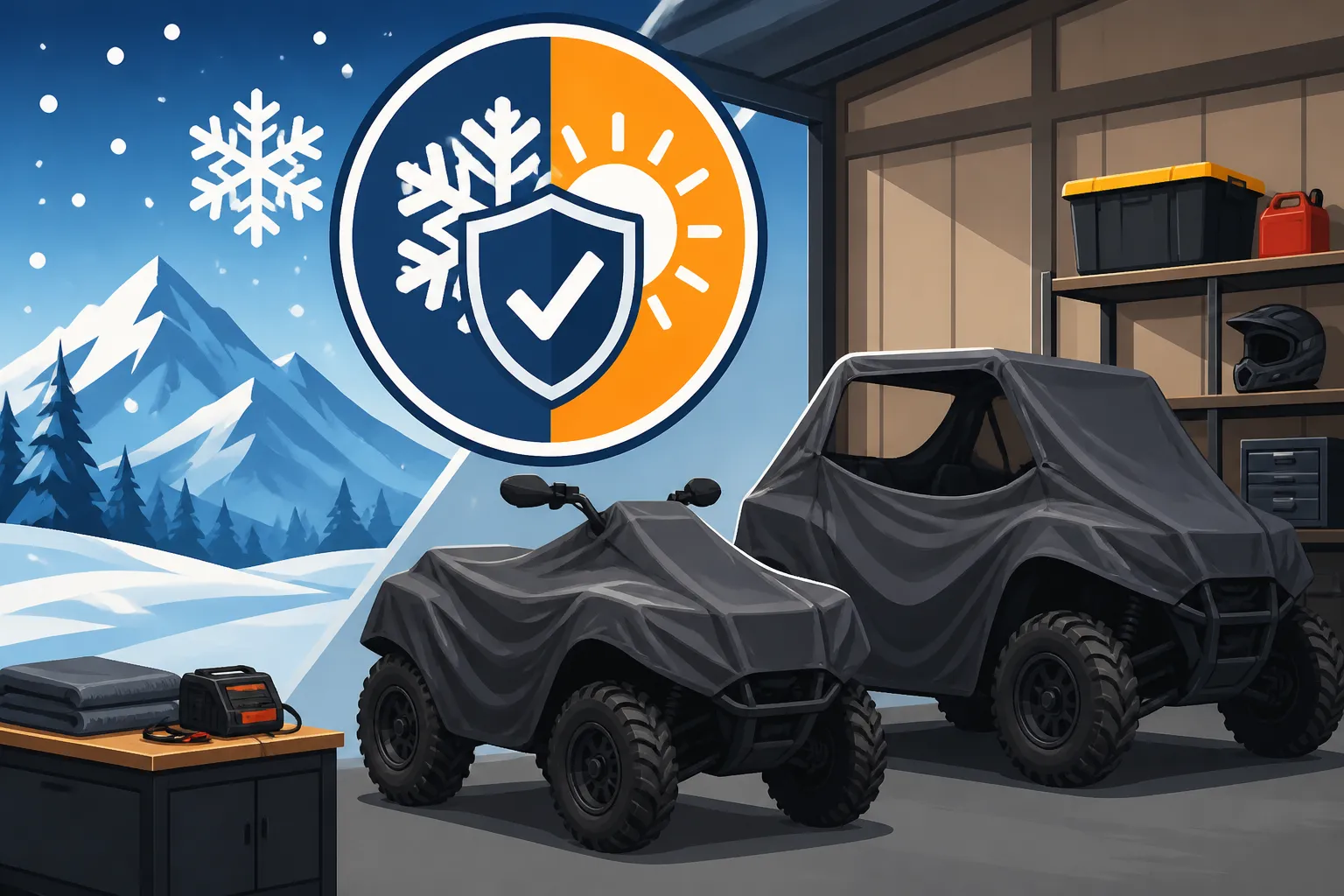
Having a dedicated indoor space like a garage or shed is the gold standard for winter storage. It provides the best protection from the elements, prevents snow and ice accumulation, and typically offers better security. A heated garage is ideal, as it minimizes temperature fluctuations and keeps fluids from freezing, but even an unheated garage is vastly better than outdoor storage. Ensure the storage area is well-ventilated to prevent moisture buildup and has good air circulation.
If your personal garage or shed is full, consider renting a dedicated storage unit. Many facilities offer various sizes and some even have climate-controlled options. While more expensive, a climate-controlled unit offers optimal conditions, protecting your machine from extreme cold, humidity, and dust. Always check the facility's rules regarding fuel (some may require tanks to be empty or nearly empty) and ensure your machine is properly insured, just in case. [Insuring an ATV in Colorado] is smart for any storage scenario.
Outdoor Storage: Making the Best of It
Sometimes, outdoor storage is your only option. If so, you need to be extra diligent in your preparation. The key here is elevation and superior covering. Never park your machine directly on the ground; elevate it on wooden blocks or a pallet to prevent moisture from wicking up from the soil and to deter rodents.
The cover is paramount for outdoor storage. Don't skimp here. Invest in a heavy-duty, waterproof, and breathable cover that is specifically designed for ATVs or UTVs. Secure it tightly with straps or bungee cords to prevent wind from tearing it off or allowing snow and rain to get underneath. Periodically check the cover throughout the winter, especially after heavy snowfalls or strong winds, to ensure it's still in place and free of damage. Brush off heavy snow accumulation to prevent damage from weight and to allow the cover to breathe. Even with the best cover, outdoor storage is inherently riskier, so your winterization steps become even more critical.
Document Safekeeping and Winter Planning
While your machine is tucked away for the winter, this is a great time to organize your paperwork. Make sure your [Colorado OHV Registration] is current and stored in a safe place, not on the machine itself during storage. If you ever need to prove ownership for insurance purposes or other reasons, having your [Proof of Ownership for a Colorado OHV] readily accessible is important.
Winter is also an excellent time to plan for next season. When does your [Colorado OHV Registration Renewal Online] window open? What about checking the expiration date on [When a Colorado OHV Registration Expires]? You can even start thinking about the maintenance you'll need to do in the spring, or perhaps dreaming about new accessories. If you're considering buying or selling an OHV, you might look into resources like LawDepot for templates for a bill of sale or other legal documents, though for storing your own machine, most people won't need specific legal forms unless they're paying a third-party for storage and want a written agreement. Even if your machine is just resting on [Riding Only on Your Own Colorado Land], registration is still important for eventual public land use.
What to Do When Spring Arrives
The snow is melting, the days are getting longer, and the lure of the trails is becoming irresistible. But don't just jump on your machine and hit the starter button! Just as you carefully put it away, you need to properly bring it out of storage.
The Spring Awakening: Bringing Your Machine Back to Life
This "un-winterization" process is just as important as the winterization itself. First, remove any covers and inspect your machine thoroughly. Look for any signs of rodent activity – chewed wires, nests in the airbox, or blockages in the exhaust. Clean up any debris. Check for any leaks that might have developed over the winter, though hopefully, your preparation prevented most of these.
Next, remove the steel wool or rags from the exhaust and air intake. Reinstall your fully charged battery, making sure the terminals are clean and tight. Check all fluid levels: engine oil, coolant, brake fluid, and differential fluids. Top them off if necessary. Set your tire pressures back to the manufacturer's recommended operating levels. Give the machine a good visual once-over, checking for loose bolts, cracked hoses, or anything out of place. This is also a good time to double-check your [Where the Colorado OHV Sticker Goes] and ensure your decal is still firmly attached.
A Quick Maintenance Check Before You Ride
Before heading out on your first ride, take a few extra minutes for a comprehensive pre-ride inspection. Test your brakes: front, rear, and parking brake, ensuring they feel firm and responsive. Check all lights – headlights, taillights, brake lights – to ensure they are working. Inspect your drive chain (if applicable) for proper tension and lubrication.
Start the engine and let it warm up slowly. Listen for any unusual noises, check for any warning lights, and let it idle for a few minutes. Take a very gentle test ride, perhaps around your yard or a quiet street, before tackling any serious trails. This allows the fluids to circulate, the engine to reach operating temperature, and gives you a chance to feel out the controls. This careful reintroduction to active duty will ensure your first spring ride is safe, enjoyable, and free of unexpected breakdowns. Just remember, even if you are just [Riding While You Wait for Your Colorado Sticker], a quick check is essential.
| Feature | Indoor Storage (Garage/Shed) | Outdoor Storage (Covered) |
|---|---|---|
| Protection | Excellent (from elements, theft, pests) | Moderate (depends heavily on cover and preparation) |
| Cost | Potentially free (if you own space) or rental fees (storage unit) | Minimal (cost of a good cover) |
| Convenience | High (easy access, minimal prep) | Low (requires more prep, potential for snow/ice accumulation) |
| Pest Control | Easier to manage, lower risk | Higher risk, requires diligent blocking of openings |
| Temperature | Stable (especially if heated/climate-controlled) | Fluctuates wildly with ambient conditions |
| Humidity | Lower, easier to control | Can be high under cover, risk of condensation and rust |
| Security | Higher (locked doors, often alarms) | Lower (visible, easier target for theft) |
| Resale Value | Best for maintaining condition and value | Can show more wear and tear over multiple winters |
Disclaimer
This article is for general informational purposes only and does not constitute professional advice. Laws, prices and regulations vary by location and change over time. Consult a qualified professional for guidance on your specific situation.